


Secondary sourceSculpturec. 1770
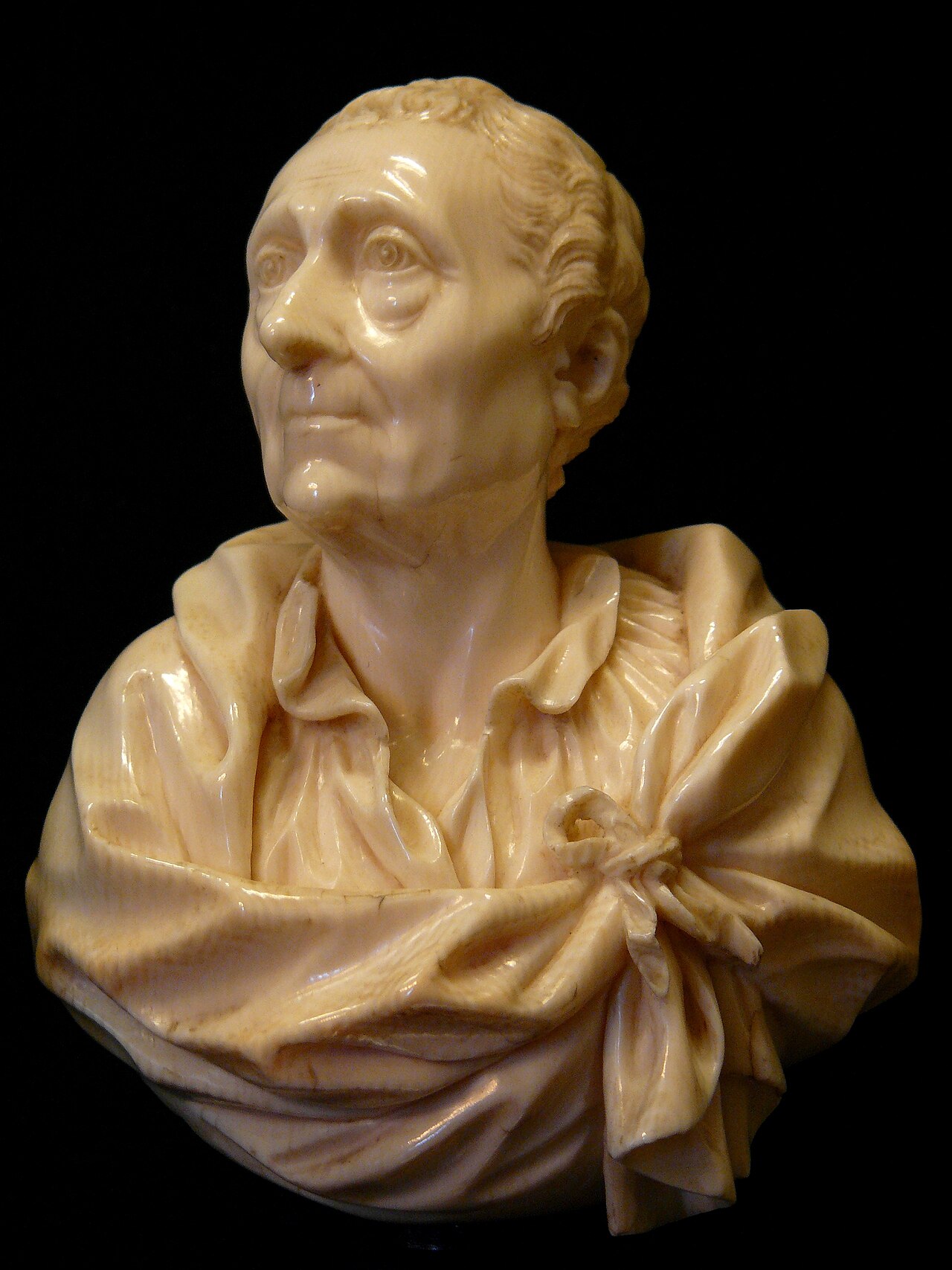
Ivory Bust of Montesquieu
Jean-François Rosset · c. 1770
A small carved ivory portrait bust of Montesquieu made by sculptor Jean-François Rosset around 1770, after the philosopher's death.
A posthumous sculpted portrait made to commemorate Montesquieu's memory and likeness.
About this source
What it is
This small ivory bust depicts Montesquieu as an elderly man. It was carved by the sculptor Jean-François Rosset around 1770, some years after Montesquieu died in 1755.
Why it matters
Because it was made after his death, this bust shows how Montesquieu was remembered and honoured by later generations rather than how he appeared during a specific moment in his own lifetime. Portrait busts like this were a common way to commemorate important thinkers and keep their image present for future audiences.
Look closer
- What choices did the sculptor make about pose and expression, and what impression do they create?
- Since this was made after Montesquieu died, how reliable might it be as a record of his actual appearance?
This sculpture is part of the curated material that grounds the AI version of Baron de Montesquieu on Humy.ai — when students ask about related events, the AI can quote it and cite it.
More Baron de Montesquieu sources
Meet the AI Baron de Montesquieu →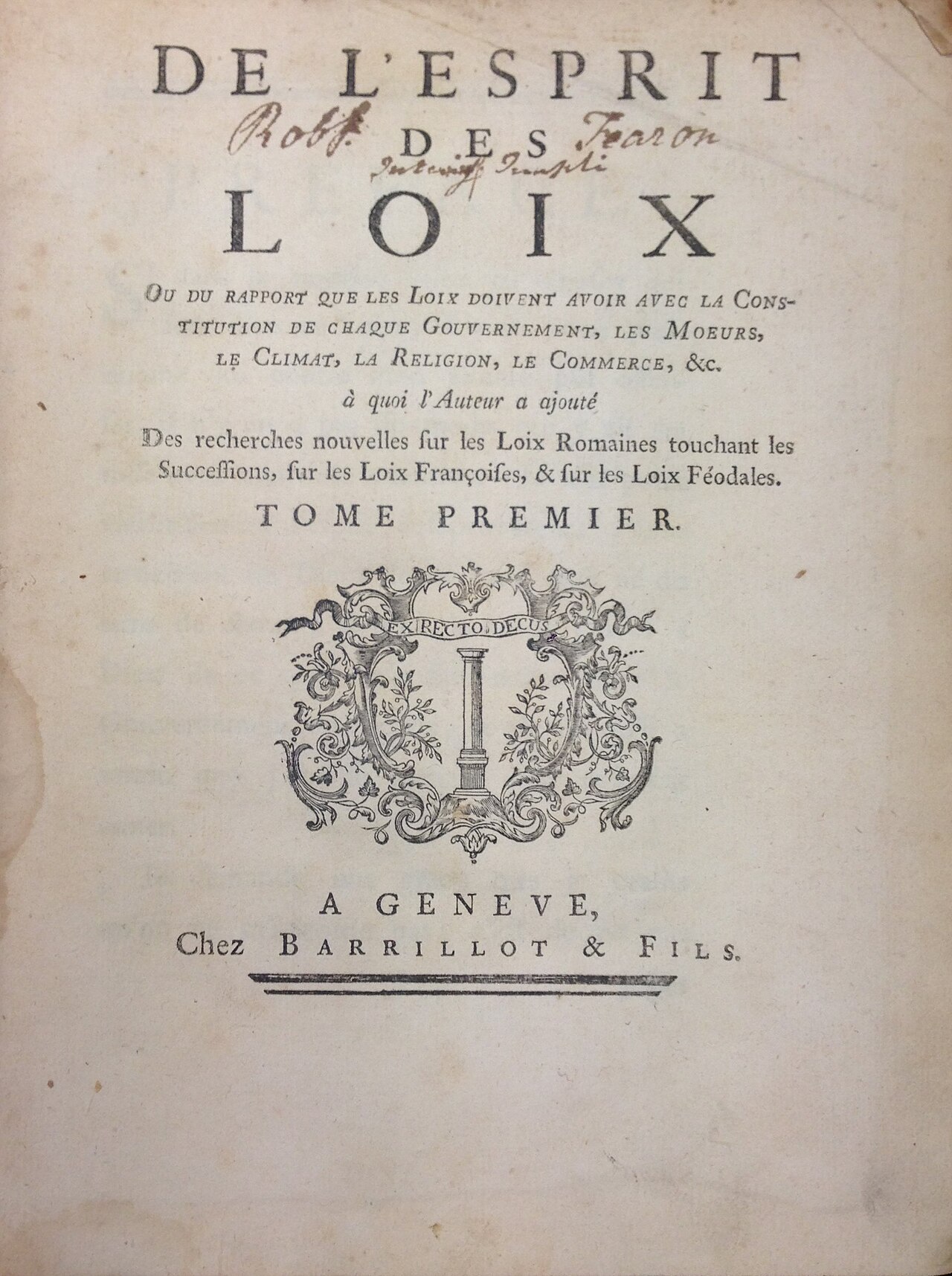 Book
Primary source
The Spirit of the Laws
Montesquieu · 1748
 Book
Primary source
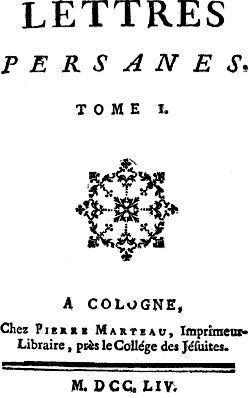
Persian Letters
Montesquieu · 1721
 Book
Primary source
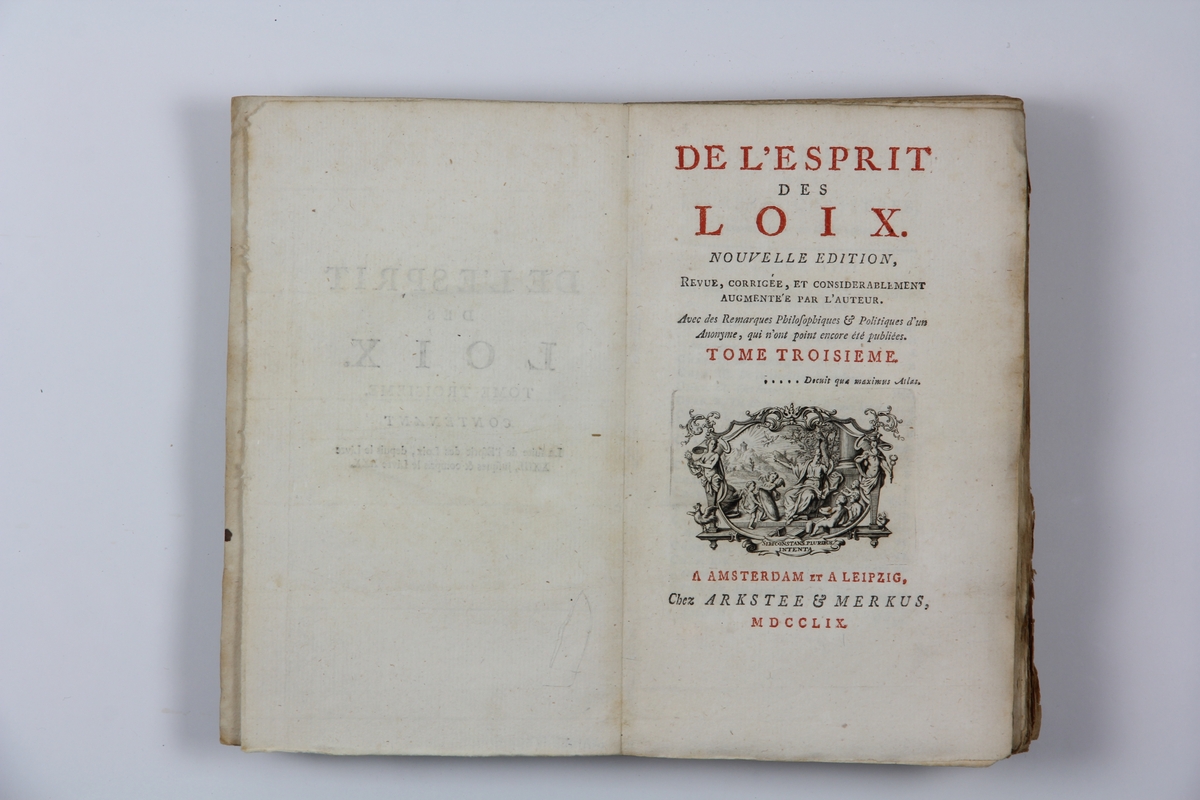
De l'esprit des loix (volume III), Amsterdam and Leipzig, 1759
Montesquieu · 1759
 Book
Primary source
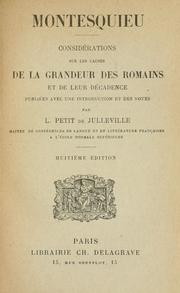
Considerations on the Causes of the Greatness of the Romans and their Decline
Montesquieu · 1734
 Document
Primary source
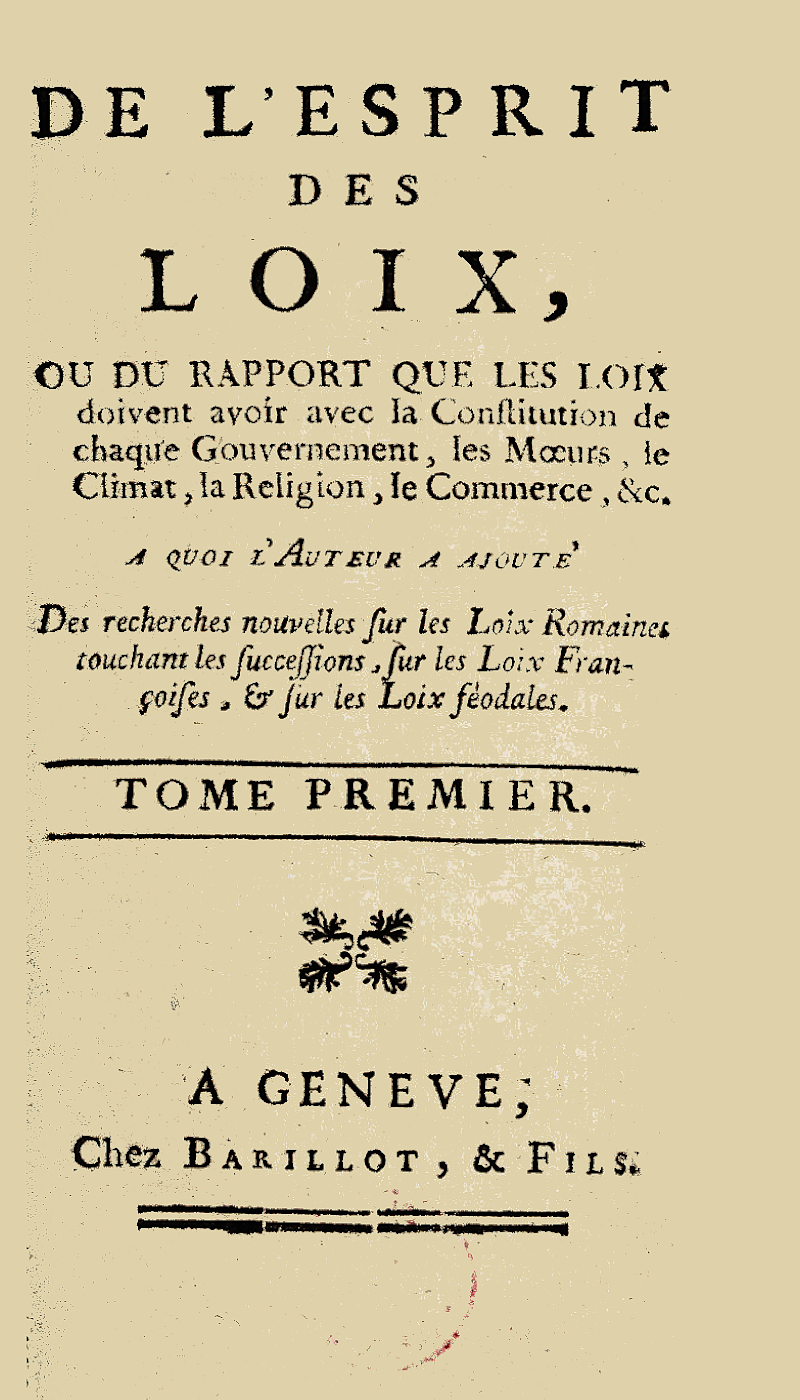
De l'Esprit des loix, Volume 1, Title Page
Montesquieu · 1748-1750
Ready when you are
Start chatting with Baron de Montesquieu now.
20 messages free · No credit card · Available in 50+ languages.