


Primary sourceArtifact16th century
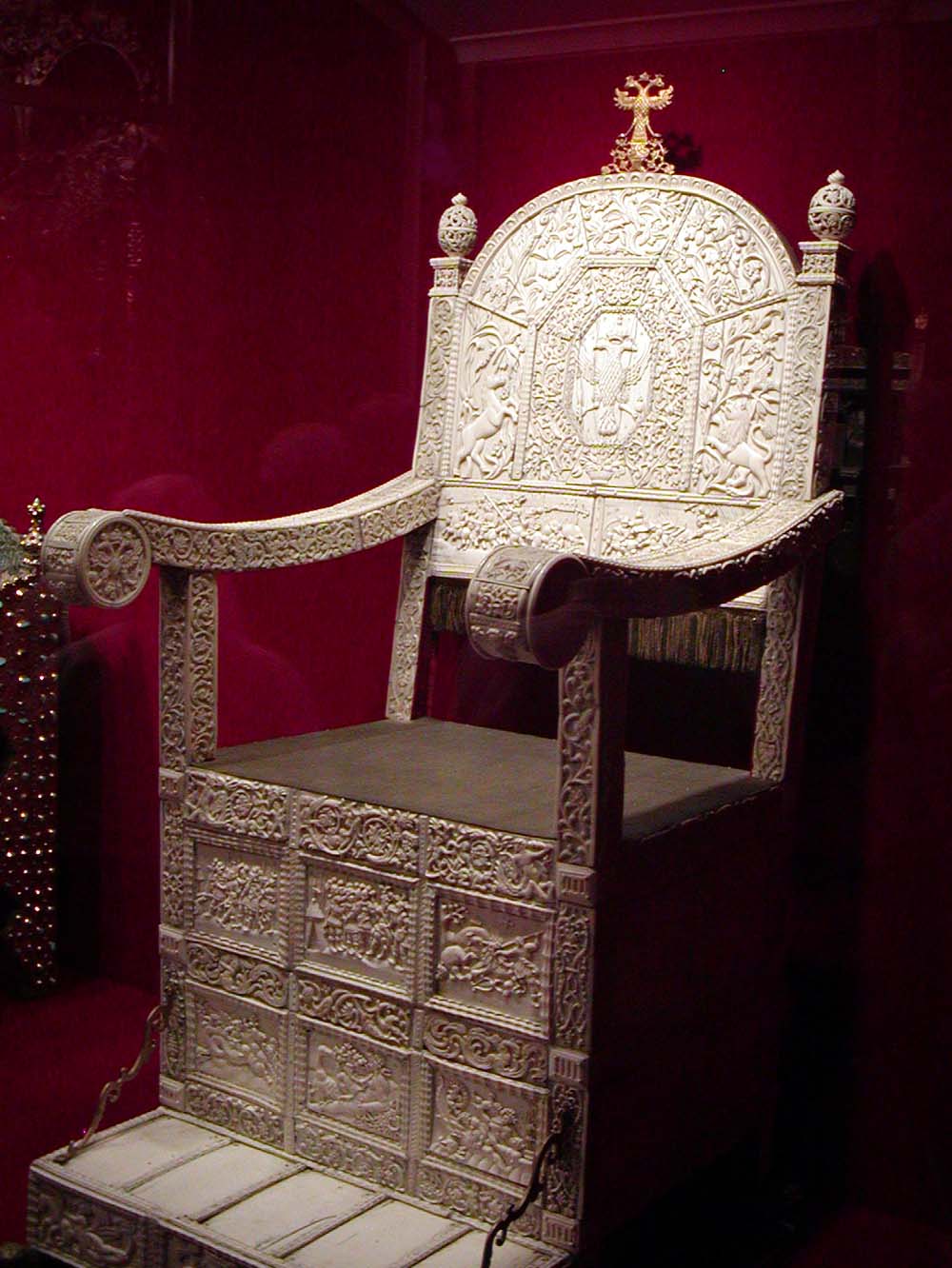
Ivory Throne of Ivan the Terrible
Unknown (Western European carvers) · 16th century
A carved ivory throne traditionally associated with Ivan the Terrible, reflecting the craftsmanship and connections of his royal court.
This ivory throne is traditionally associated with Ivan the Terrible, reflecting his court's wealth and foreign connections.
Free Humy account · No credit card · 120,912 sources to read
About this source
What it is
This is a wooden throne faced with carved plates of ivory and walrus tusk, made in the 16th century, traditionally linked to Tsar Ivan IV. It is kept today in the Kremlin Armoury in Moscow and is considered the earliest surviving tsar's throne of its period, carved with a double-headed eagle and other scenes.
Why it matters
The throne is a sign of the wealth and international connections of the Russian court, since it was made by Western European carvers rather than Russian craftsmen. Owning such an object let Ivan display both his royal status and the double-headed eagle symbol tied to his imperial claims.
Look closer
- Why might a Russian tsar own a throne made by foreign craftsmen?
- What do the carved scenes and symbols on the throne tell us about how Ivan wanted to present his rule?
- What does owning imported luxury objects reveal about the connections of Ivan's court?
This artifact is part of the curated material that grounds the AI version of Ivan the Terrible on Humy.ai — when students ask about related events, the AI can quote it and cite it.
More Ivan the Terrible sources
Browse all 95 →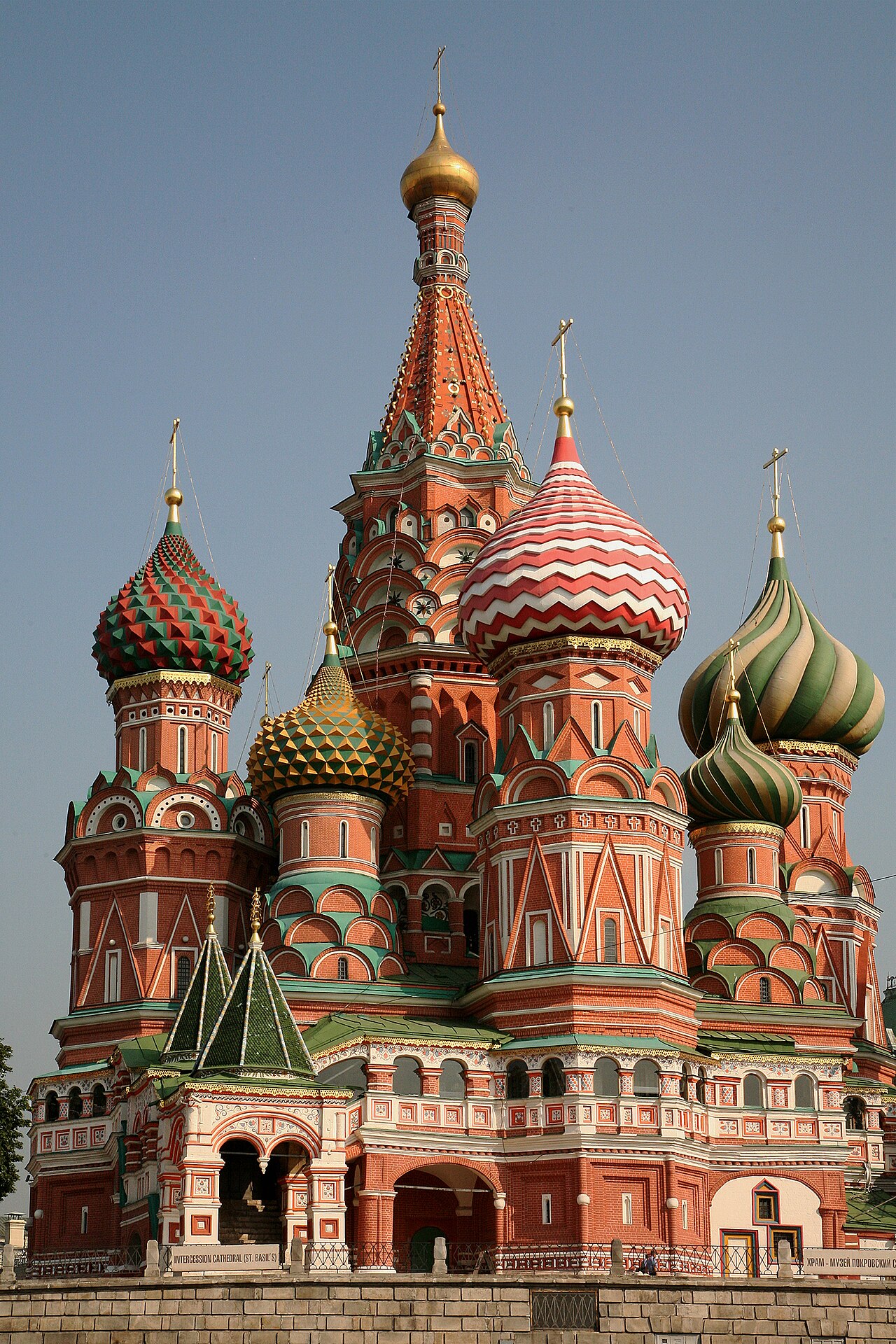 Artifact
Primary source
St. Basil's Cathedral
Barma and Postnik Yakovlev (traditional attribution) · 1555-1561
 Painting
Secondary source
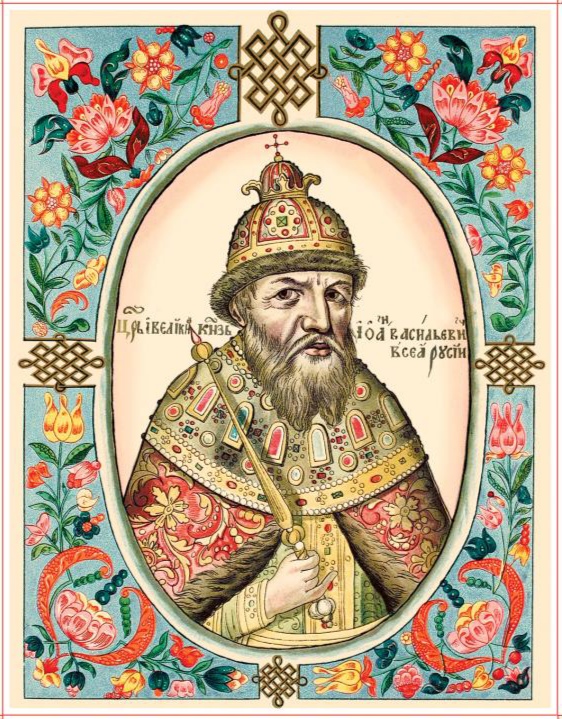
Portrait of Ivan the Terrible
Unknown · reproduced 1903, after a 1672 original
 Document
Primary source
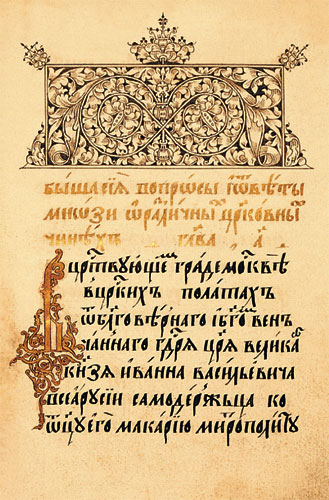
Stoglav
1551
 Artifact
Primary source
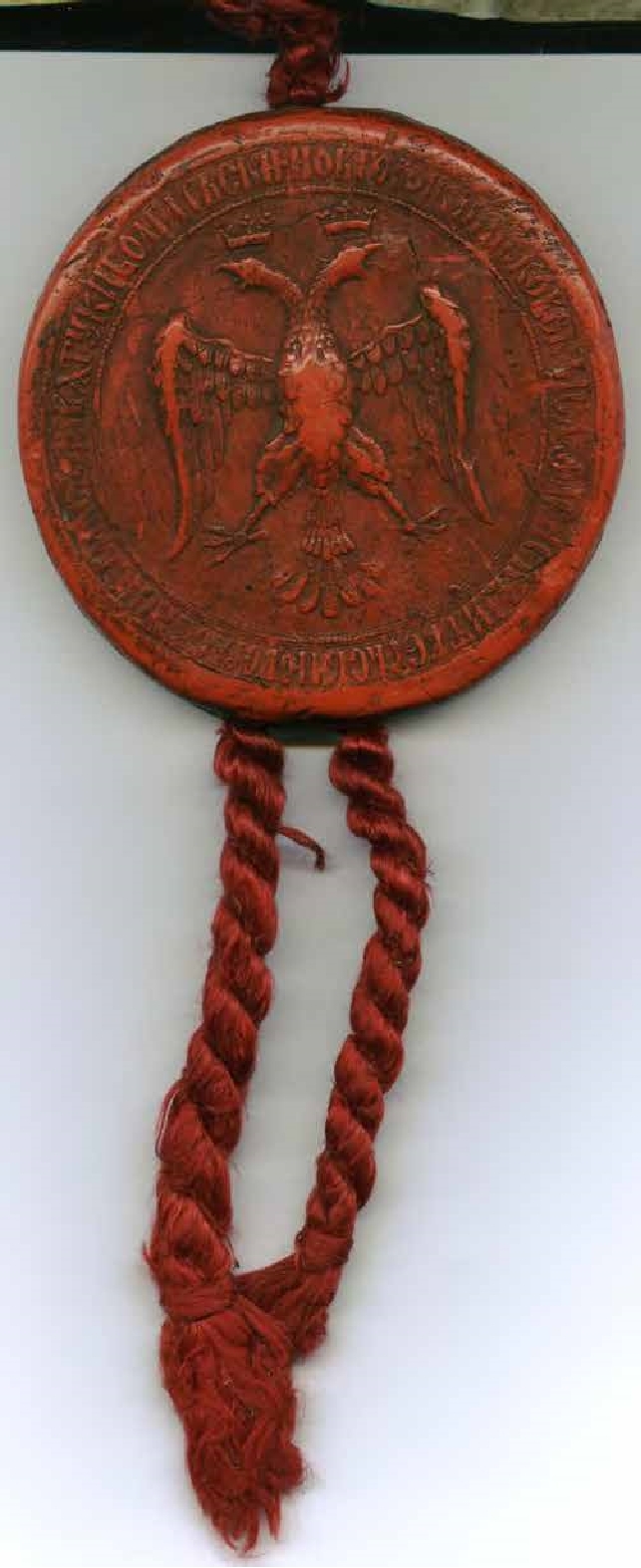
Seal of Ivan the Terrible

Free account
Read every Ivan the Terrible source
Sign up free →
Ready when you are
Start chatting with Ivan the Terrible now.
20 messages free · No credit card · Available in 50+ languages.