


Primary sourcePaintingc. 1620
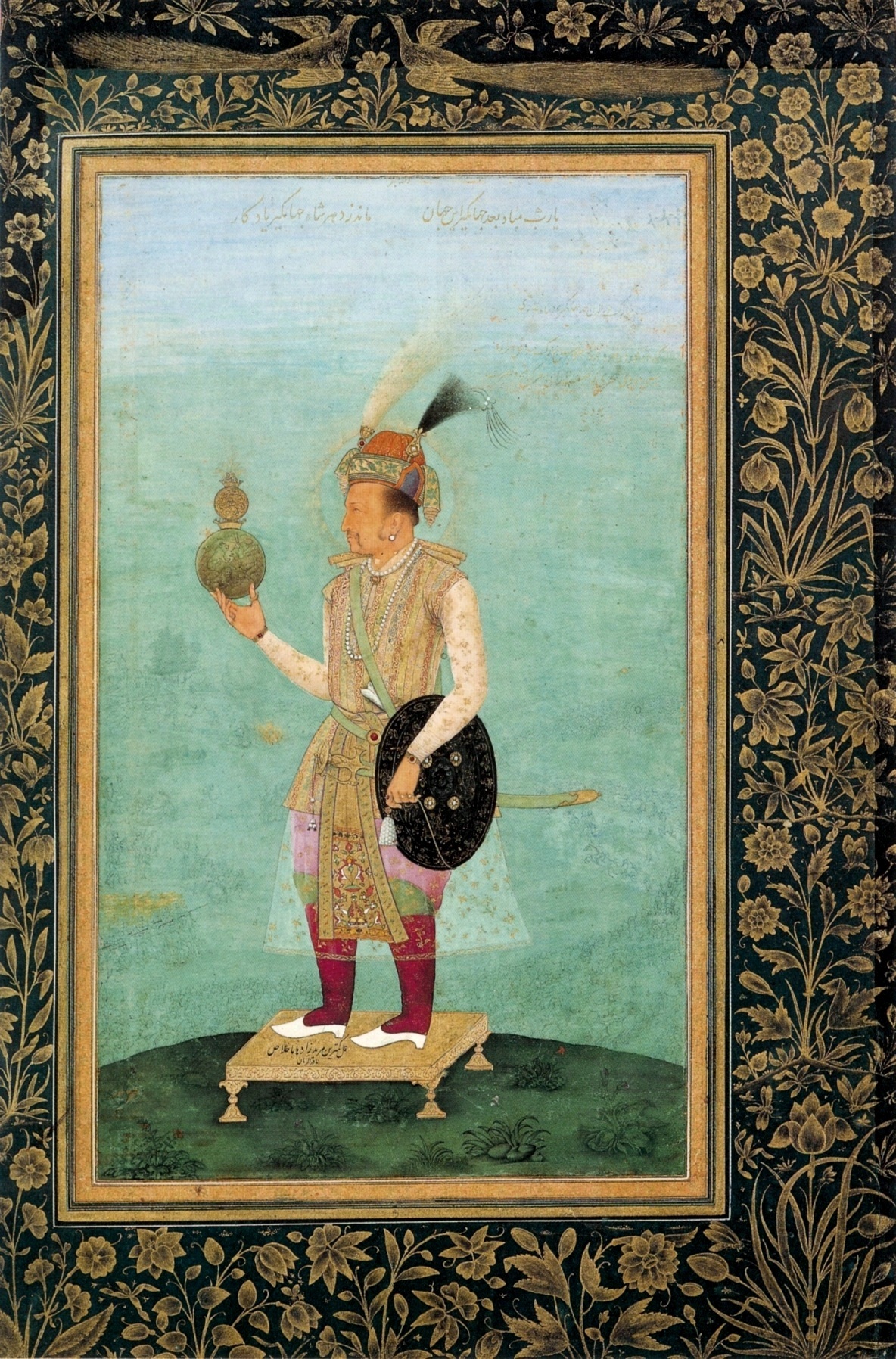
Jahangir Holding a Globe
Abu'l Hasan · c. 1620
A Mughal miniature by Abu'l Hasan showing Emperor Jahangir standing on a platform and holding a globe, symbolising his name 'World-Seizer'.
Jahangir is the standing figure holding the globe, a visual pun on his name meaning 'World-Seizer'.
About this source
What it is
This miniature painting by the artist Abu'l Hasan, made around 1620, shows Emperor Jahangir standing in profile holding a globe in one hand and a round shield in the other. It is held in the Freer Gallery of Art in Washington, D.C.
Why it matters
The globe was a recurring symbol in paintings made for Jahangir, linking his own name — which means 'world-seizer' — to images of him holding, standing on, or receiving a globe. This reflects how Mughal court artists, drawing partly on European objects brought by visitors such as English diplomats, built up an image of the emperor as a ruler of the whole world.
Look closer
- Why might an emperor want to be shown holding a model of the whole world?
- What details of his clothing and jewellery suggest his wealth and status?
- Where might the idea of a globe as an object have come from, given Mughal contact with Europeans?
This painting is part of the curated material that grounds the AI version of Jahangir I on Humy.ai — when students ask about related events, the AI can quote it and cite it.
More Jahangir I sources
Browse all 98 →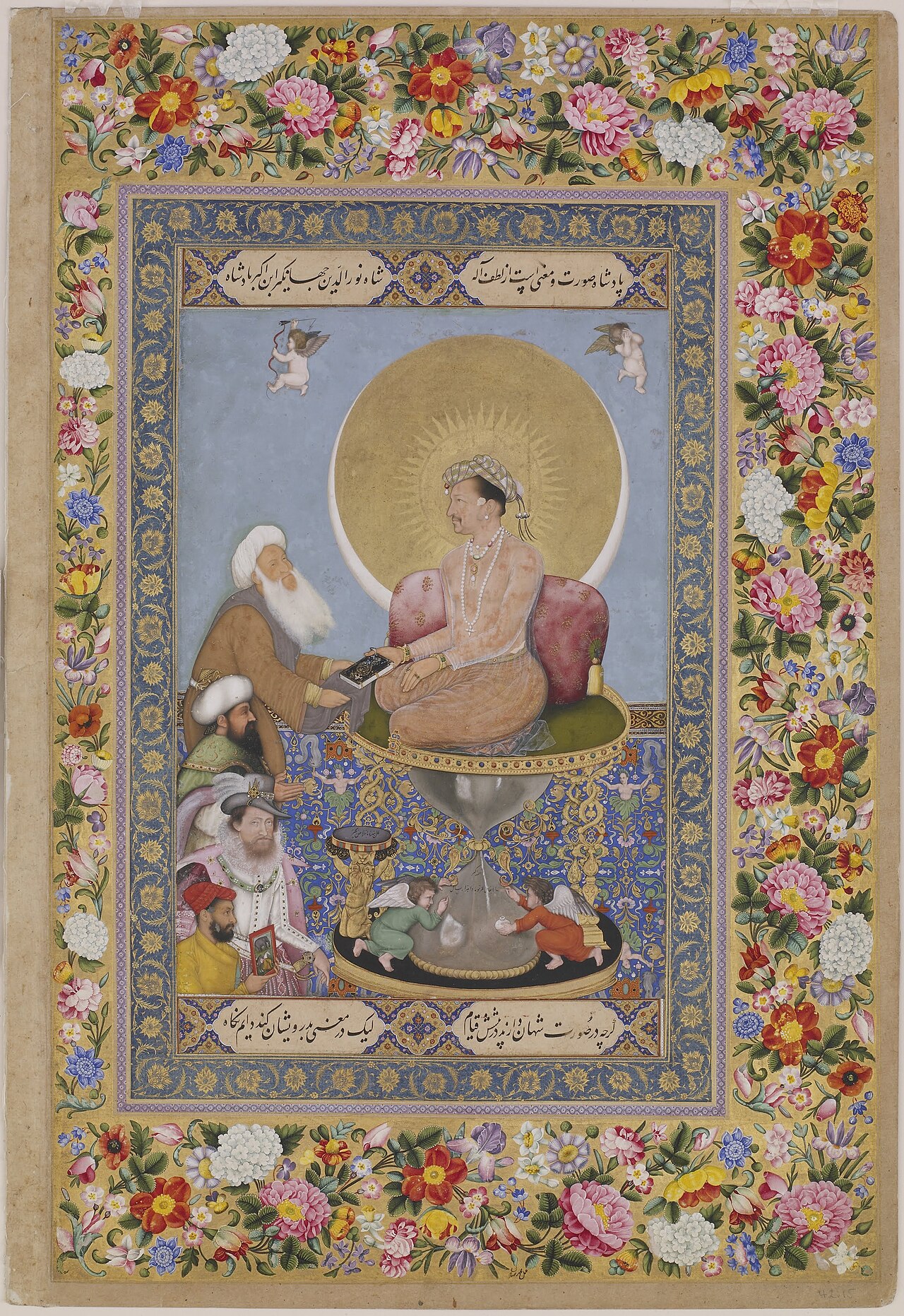 Painting
Primary source
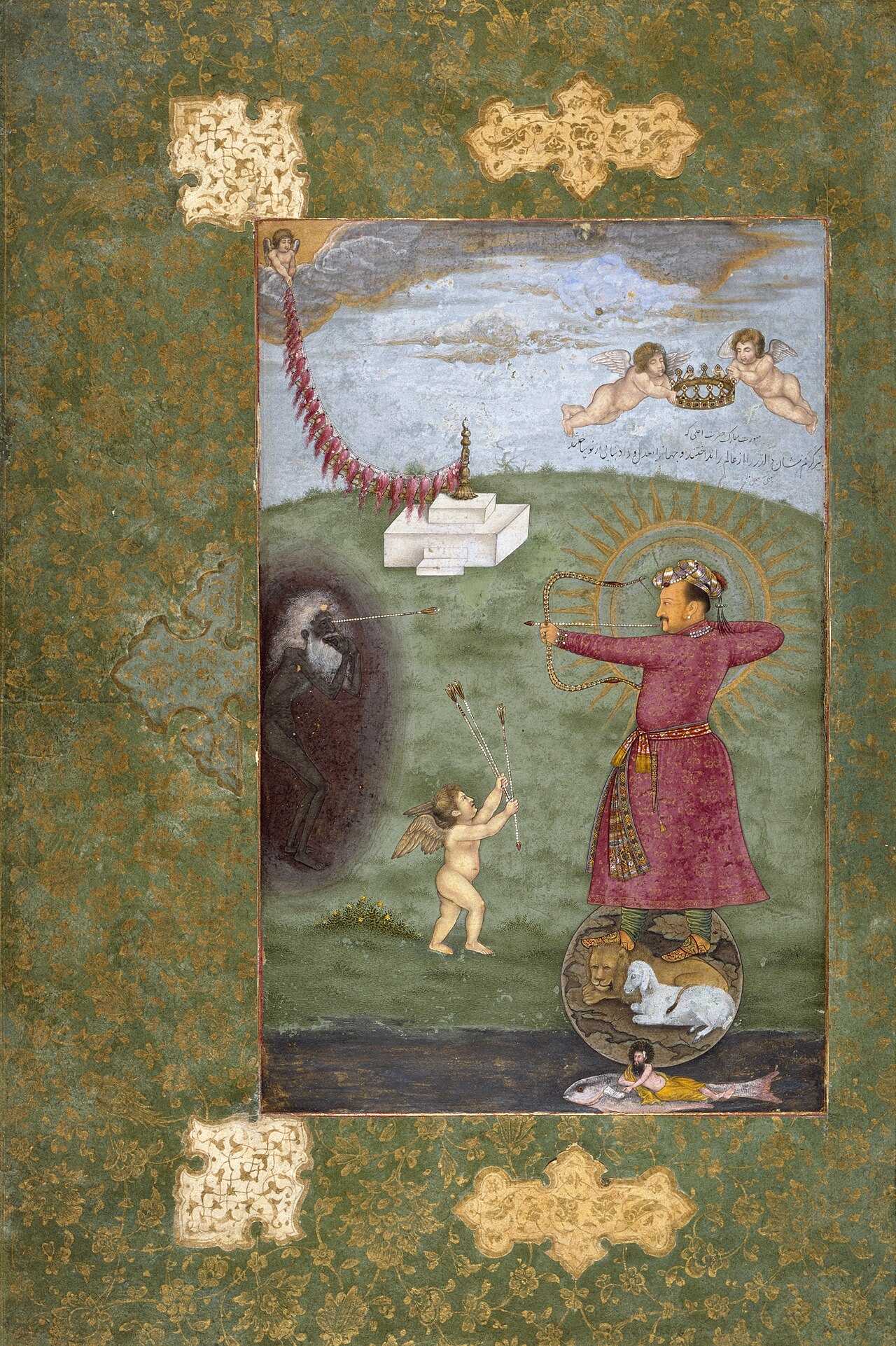
Jahangir Preferring a Sufi Shaikh to Kings
Bichitr · c. 1615-1618
 Painting
Primary source
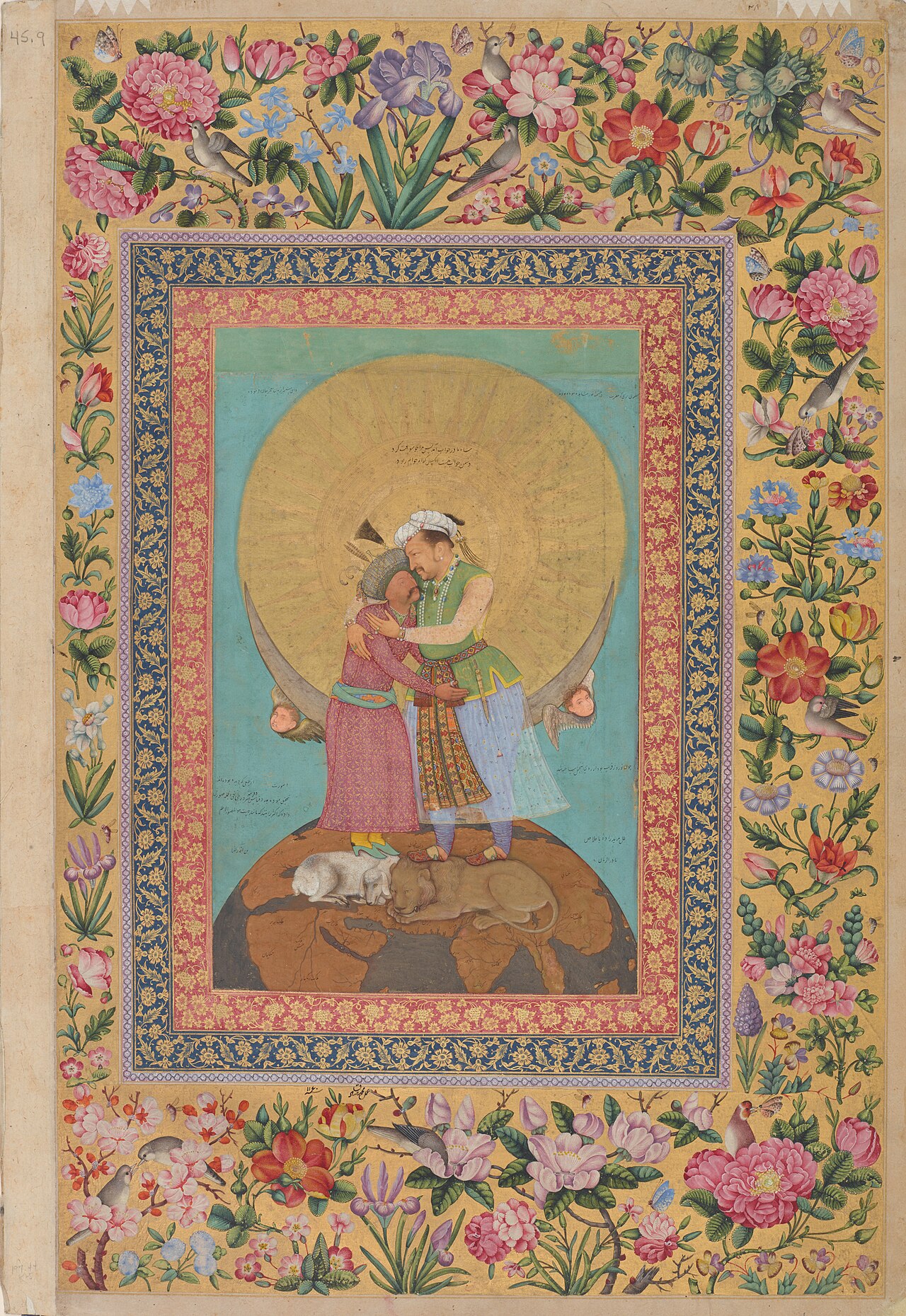
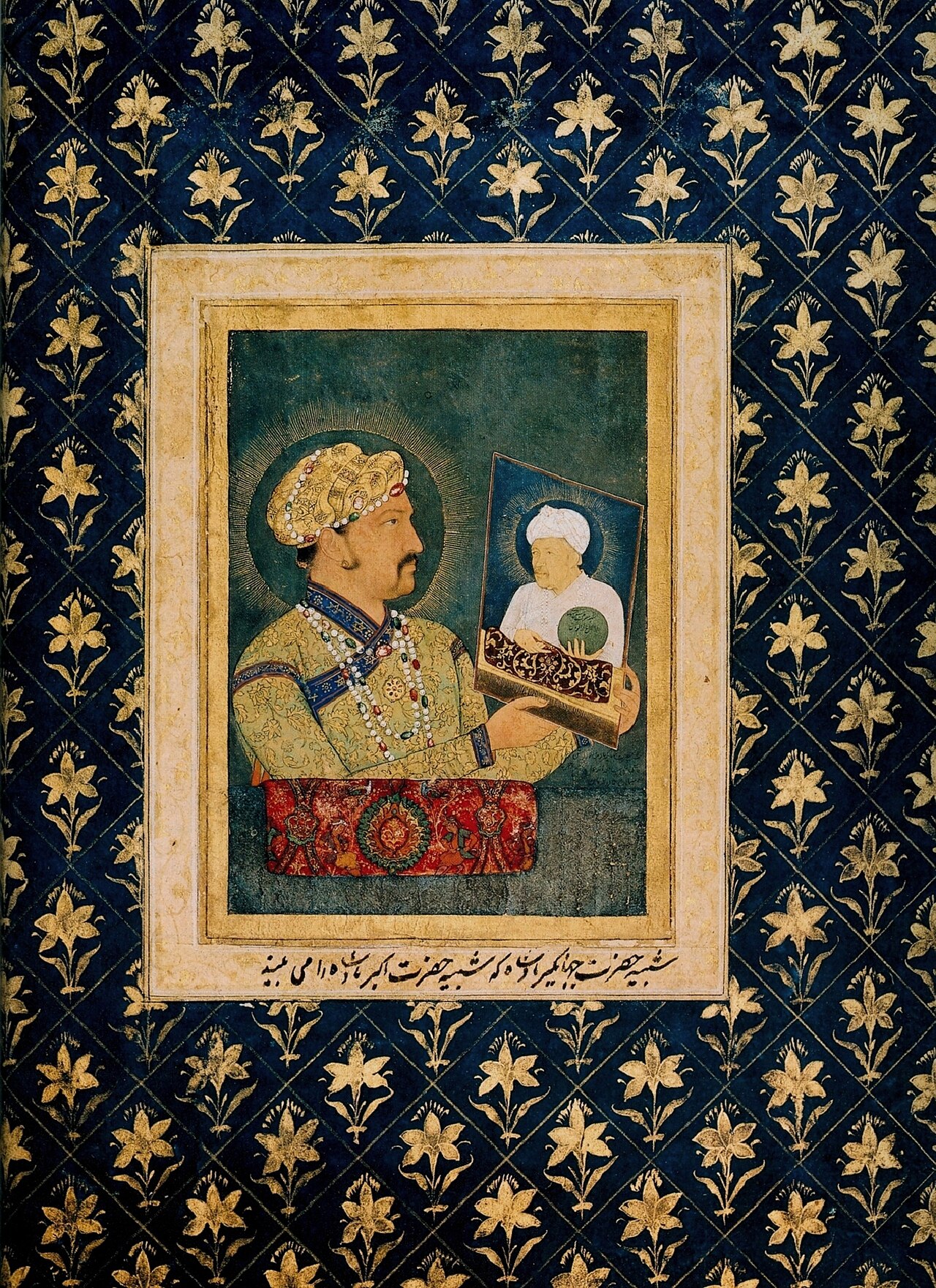
Jahangir Embracing Shah Abbas
Abu'l Hasan · c. 1618
 Painting
Primary source
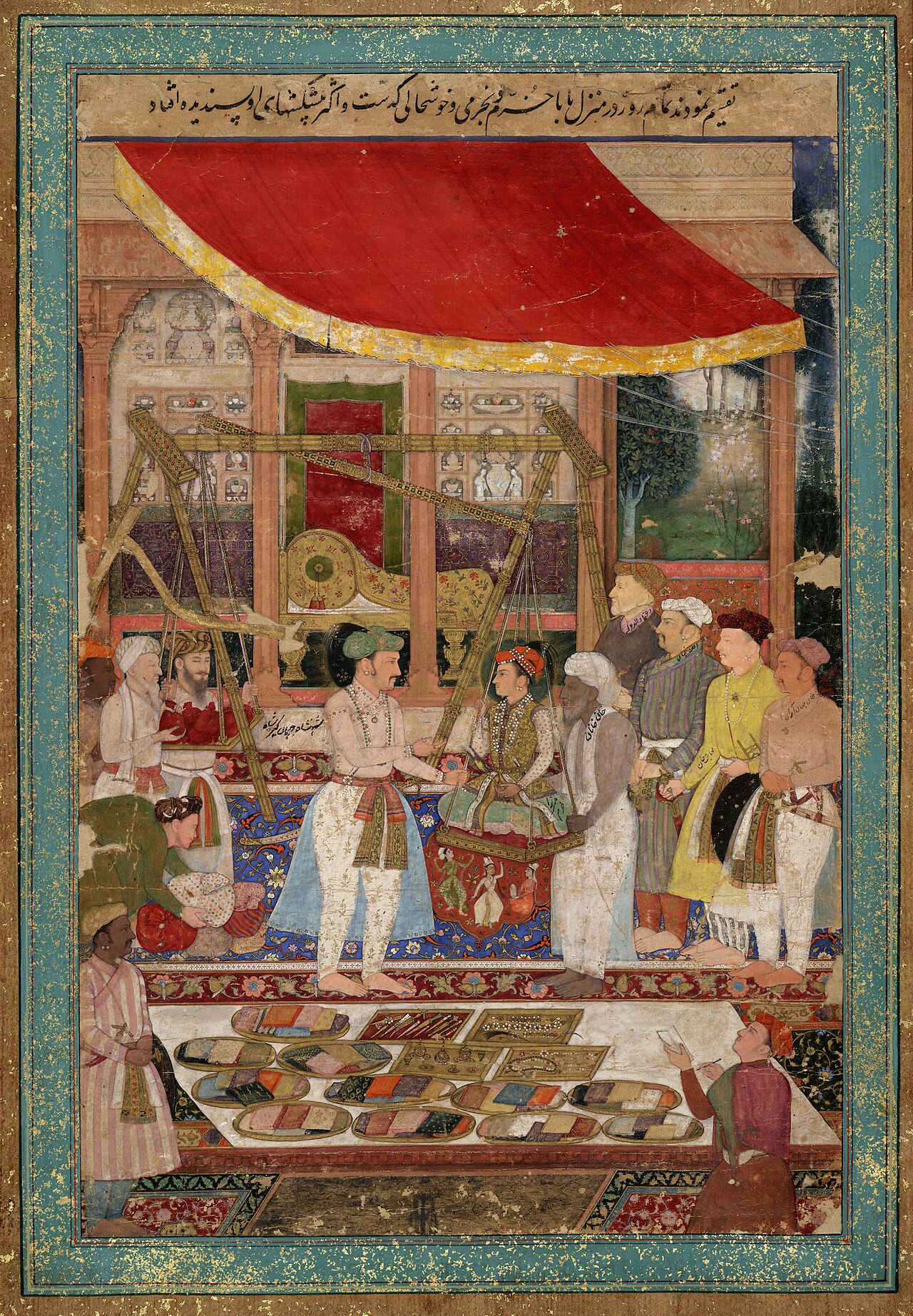
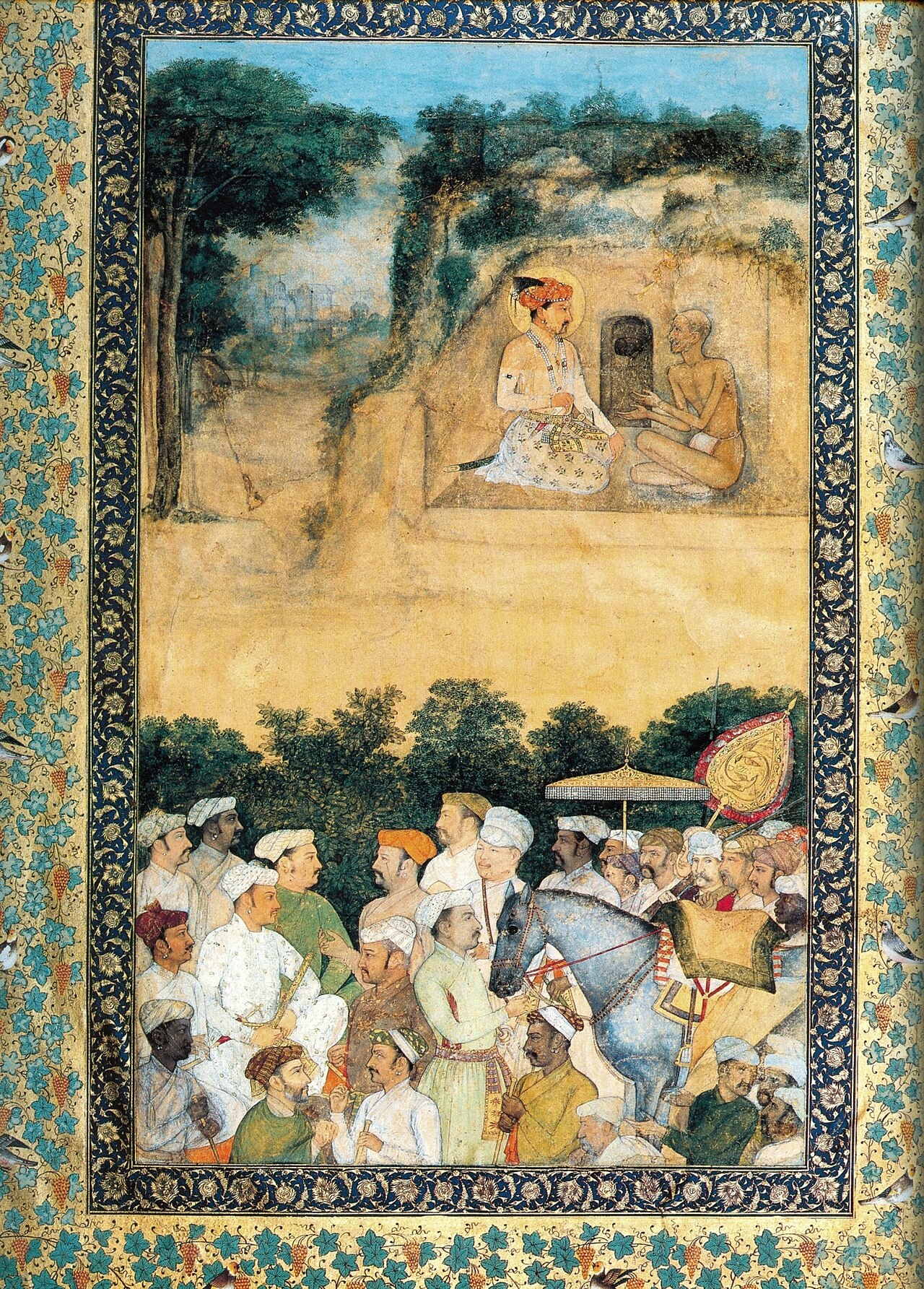
Jahangir Weighing Prince Khurram Against Gold and Silver
Manohar Das · c. 1610-1615
 Document
Primary source
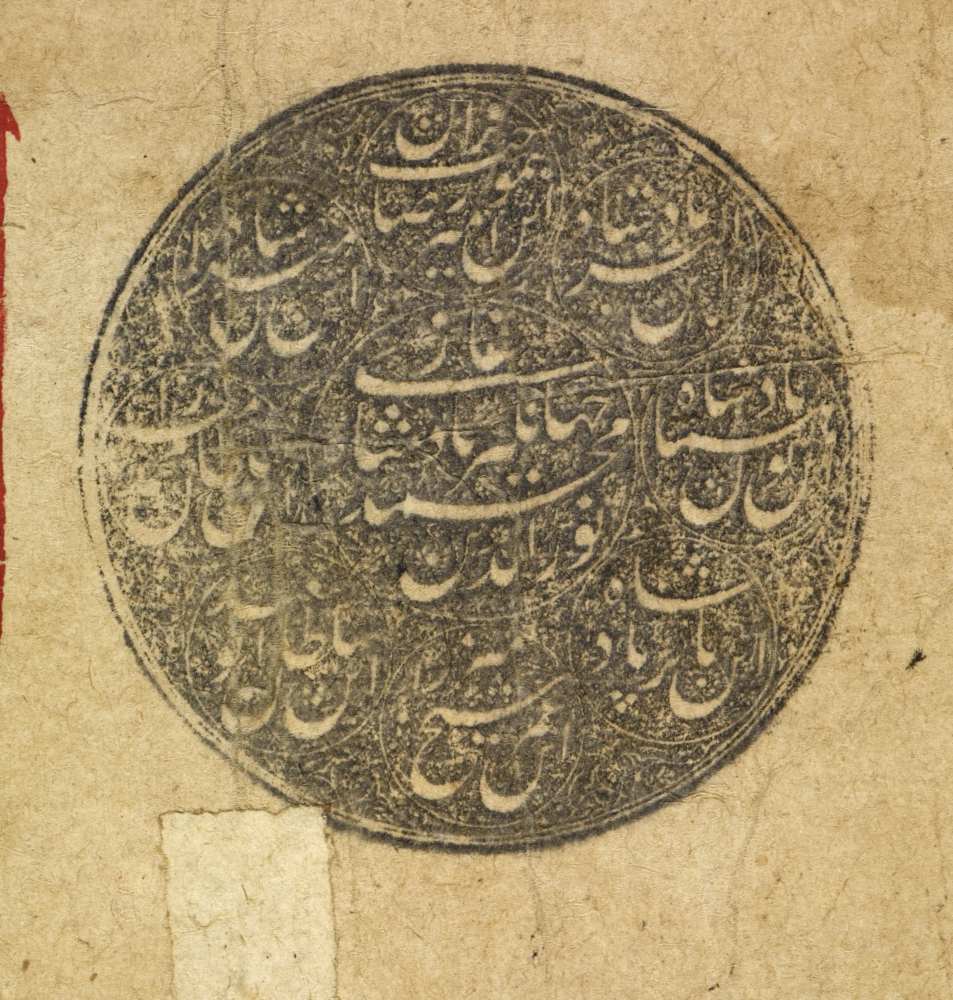
Seal of the Mughal Emperor Jahangir
Administration of Mughal emperor Jahangir · undated
Free account
Read every Jahangir I source
Sign up free →
Ready when you are
Start chatting with Jahangir I now.
20 messages free · No credit card · Available in 50+ languages.