


Primary sourceDocumentundated
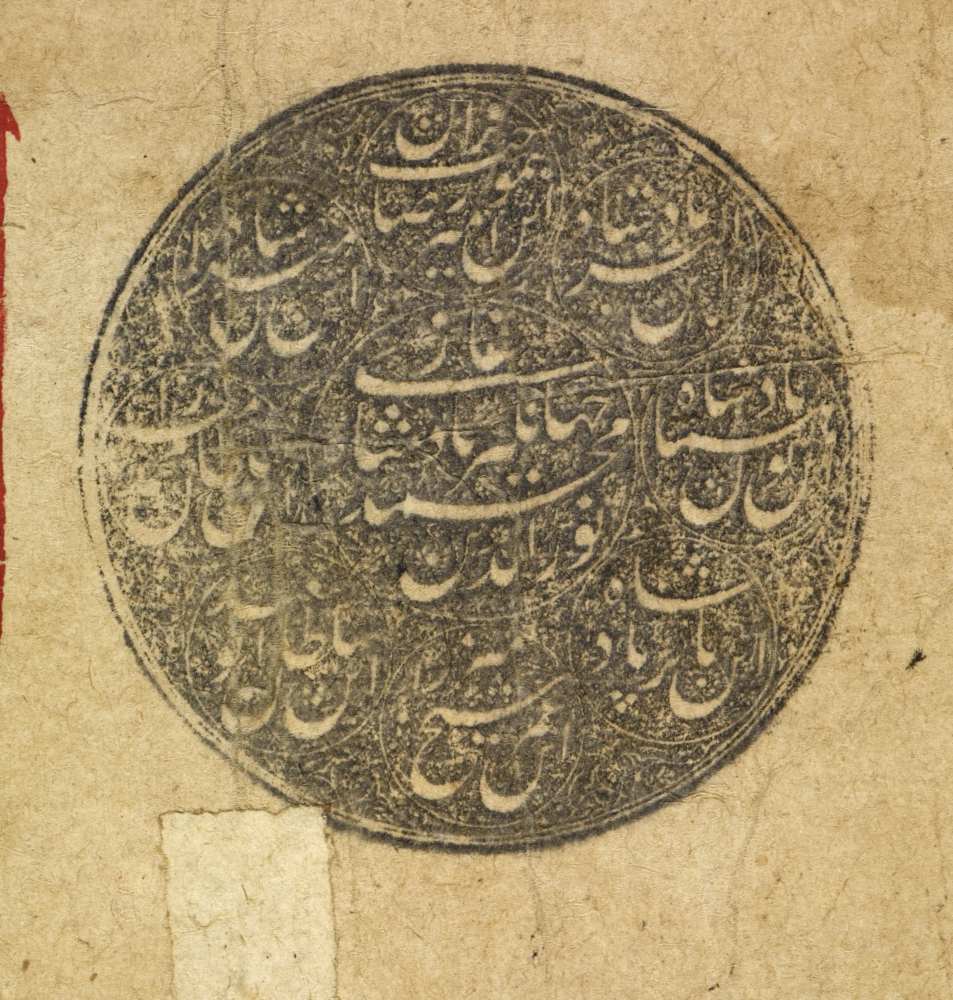
Seal of the Mughal Emperor Jahangir
Administration of Mughal emperor Jahangir · undated
An ink impression of Jahangir's dynastic seal, stamped on a document, tracing his lineage back to Timur.
This is Jahangir's own dynastic seal, used to stamp his authority on official documents.
About this source
What it is
This is an impression of Jahangir's own imperial seal, pressed in ink onto an official paper now held in the British Library. The seal carries Persian calligraphy arranged in circular bands recording Jahangir's dynastic lineage.
Why it matters
Seals like this were used to authenticate official Mughal documents, acting as a mark of imperial authority rather than a signature. By tracing his ancestry back through his dynasty, Jahangir used the seal to assert his legitimacy as ruler, linking his rule to a long line of powerful ancestors. It shows how Mughal administration combined bureaucracy with symbols of royal descent.
Look closer
- Why might rulers use seals instead of handwritten signatures on official papers?
- What does including a genealogy on a seal suggest about how rulers justified their power?
- What might this object have been attached to, and why has only the seal survived?
This document is part of the curated material that grounds the AI version of Jahangir I on Humy.ai — when students ask about related events, the AI can quote it and cite it.
More Jahangir I sources
Browse all 98 →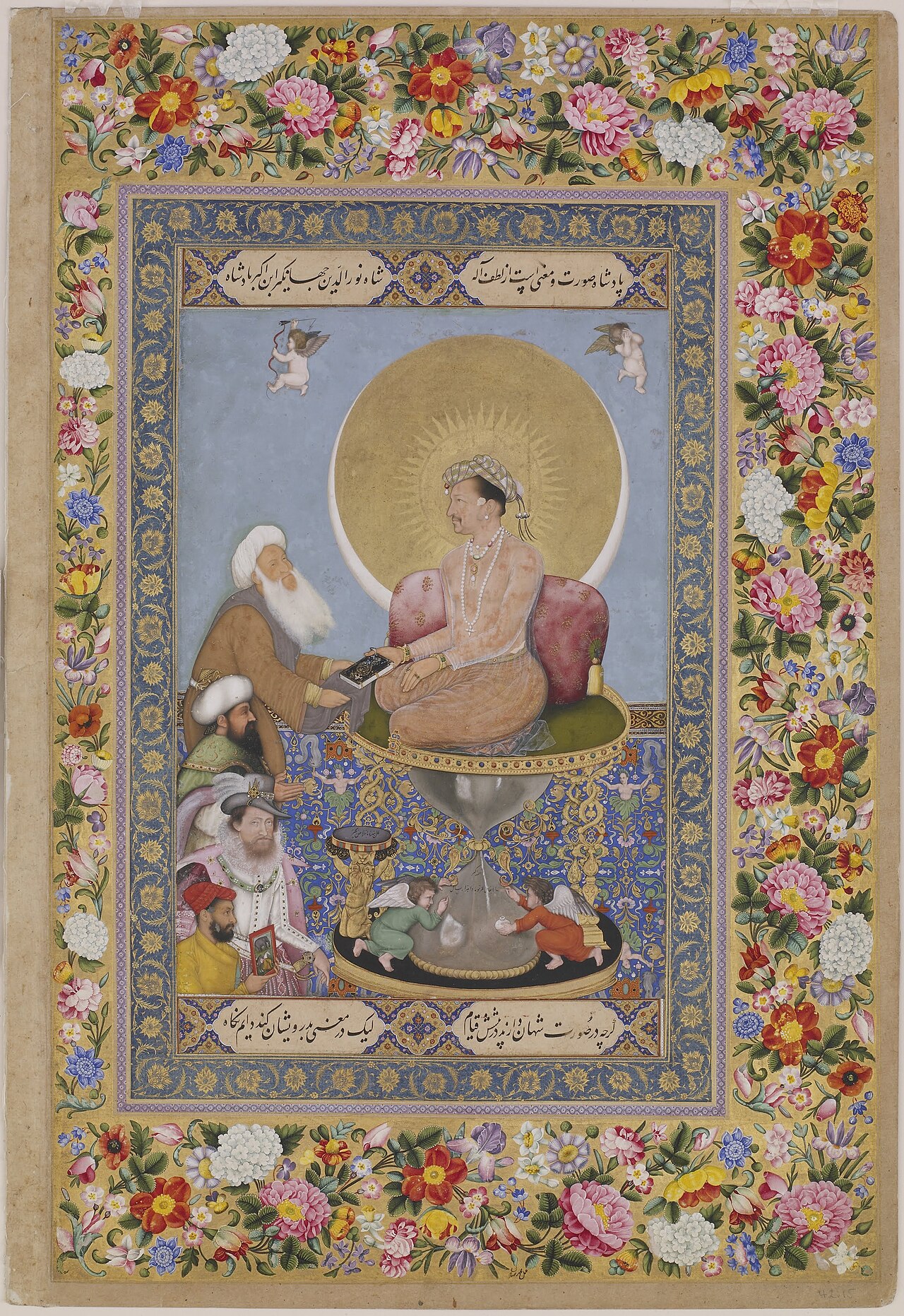 Painting
Primary source
Jahangir Preferring a Sufi Shaikh to Kings
Bichitr · c. 1615-1618
 Painting
Primary source
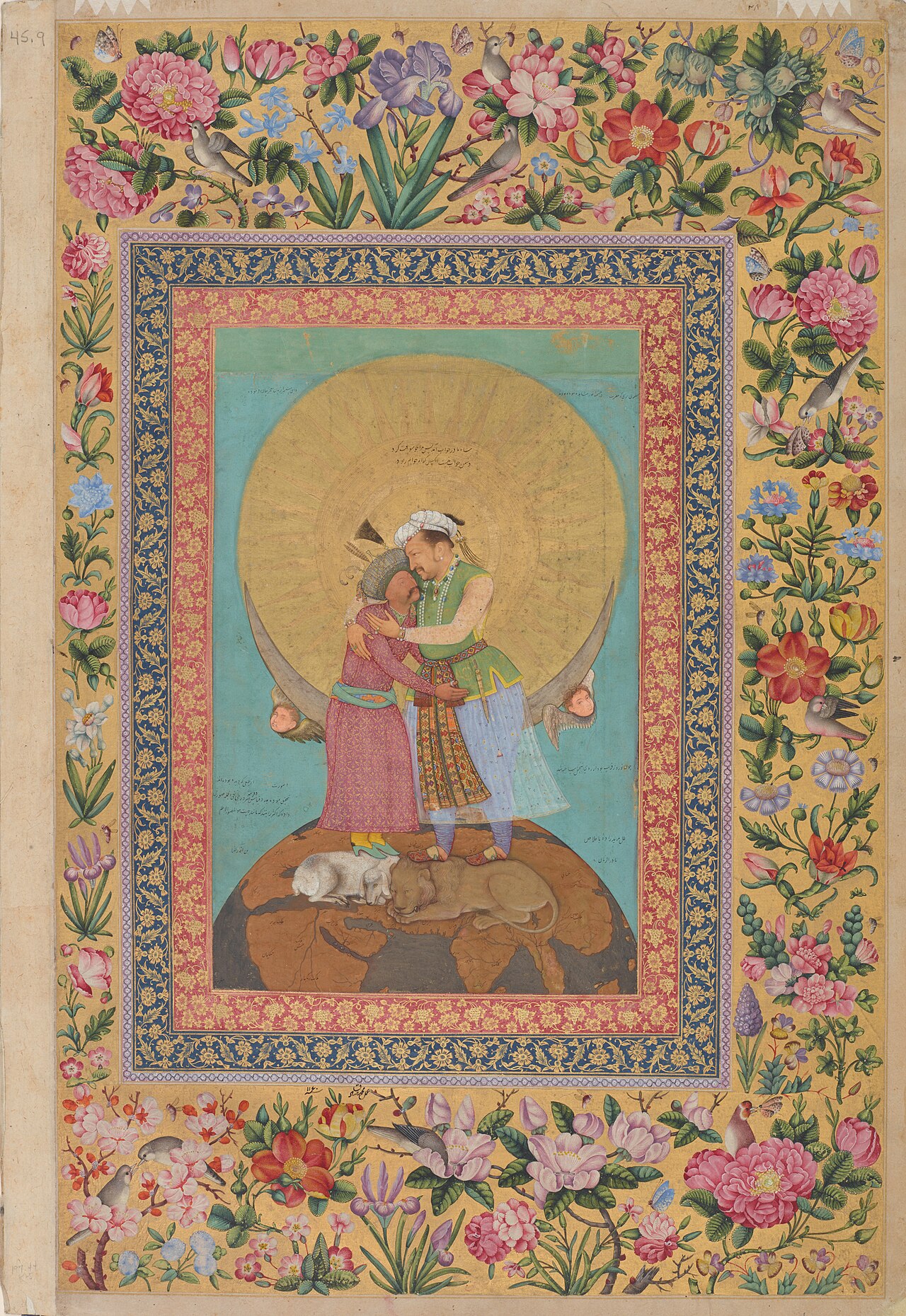
Jahangir Embracing Shah Abbas
Abu'l Hasan · c. 1618
 Painting
Primary source
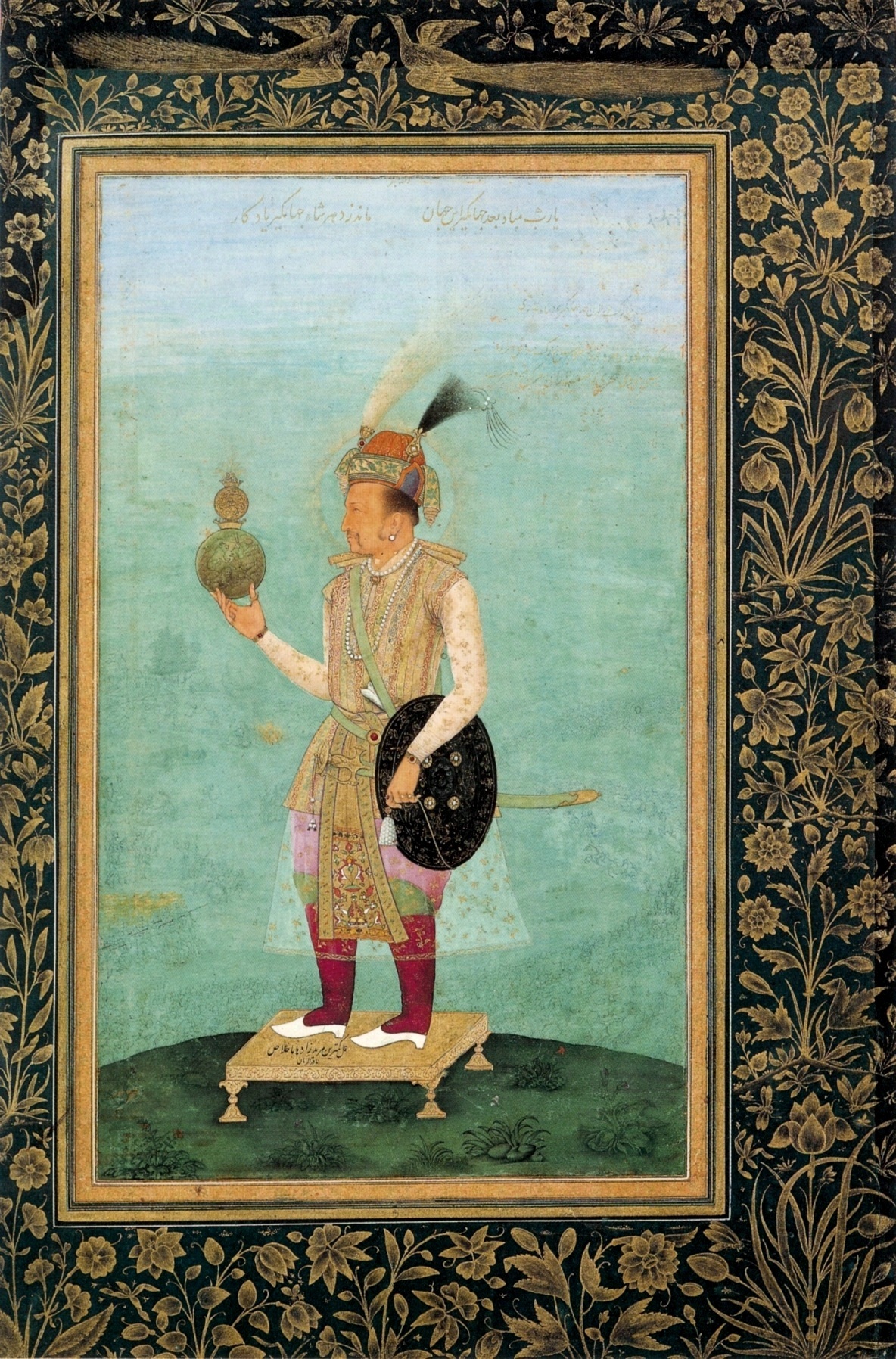
Jahangir Holding a Globe
Abu'l Hasan · c. 1620
 Painting
Primary source
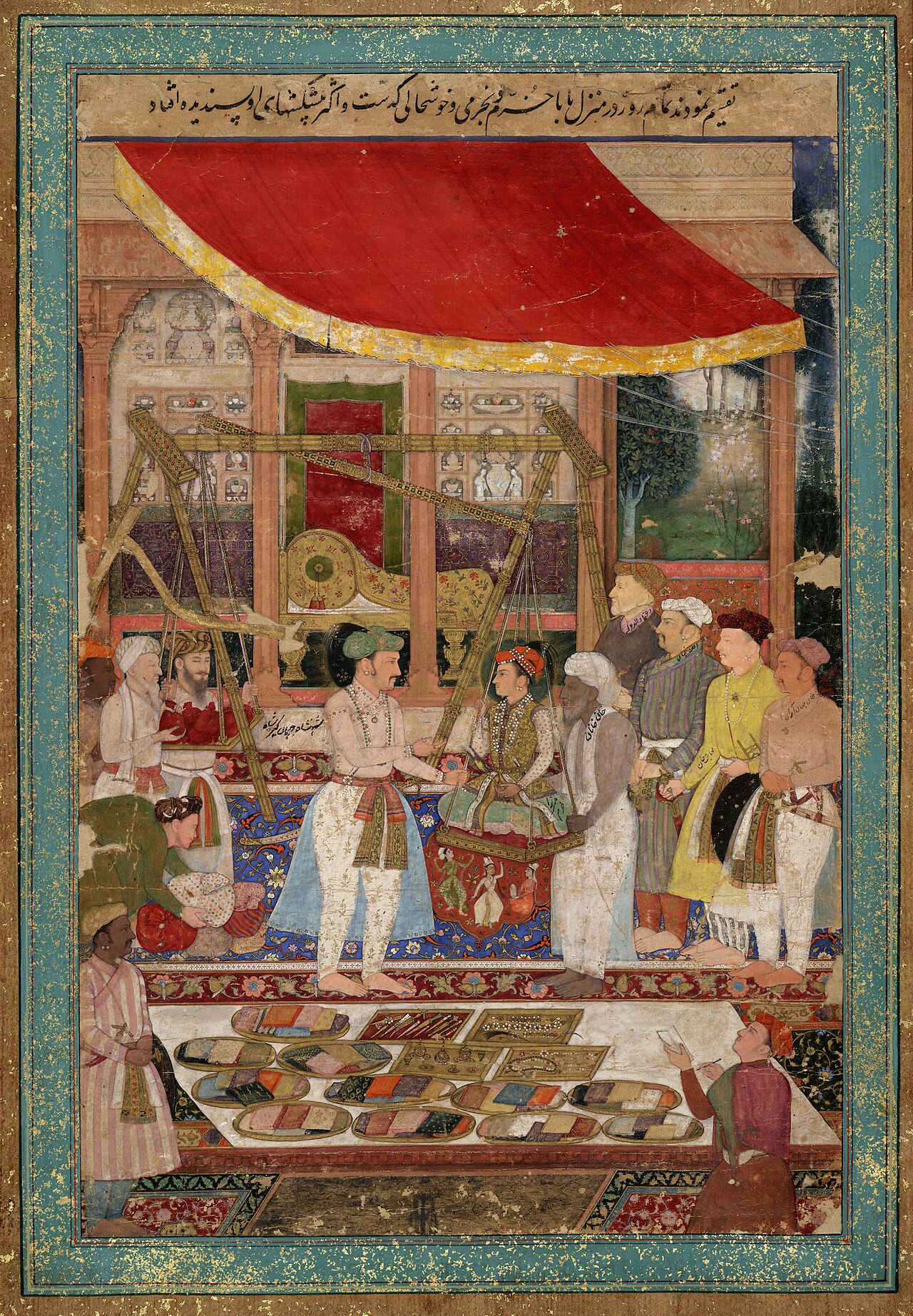
Jahangir Weighing Prince Khurram Against Gold and Silver
Manohar Das · c. 1610-1615
Free account
Read every Jahangir I source
Sign up free →
Ready when you are
Start chatting with Jahangir I now.
20 messages free · No credit card · Available in 50+ languages.