


Secondary sourcePaintingc. 1596-1600
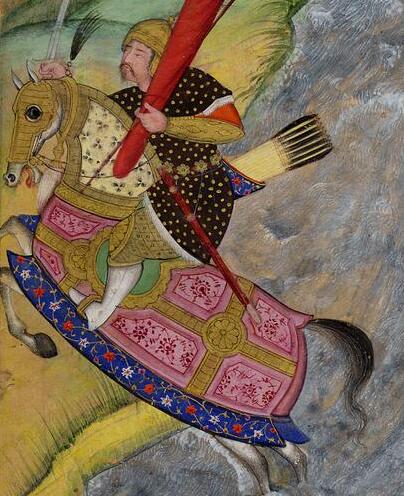
Jalal al-Din Crosses the Indus
Banwari Khurd and Dharm Das · c. 1596-1600
A Mughal manuscript painting showing Genghis Khan chasing the fleeing ruler Jalal al-Din across the Indus River.
Depicts Genghis Khan pursuing Jalal al-Din, illustrating his role as a relentless military commander in Mongol conquests.
About this source
What it is
This gouache painting on paper, made by the artists Banwari Khurd and Dharm Das between about 1596 and 1600, illustrates a scene from the epic Chinggiskhannama. It shows Jalal al-Din Khwarazm-Shah crossing the fast-flowing Indus River to escape Genghis Khan's army.
Why it matters
The painting was made almost 370 years after Genghis Khan's death, during the Mughal period in India. It reflects how later Muslim rulers retold the story of the Mongol conquests and their own ancestors' narrow escapes from them. It shows how Genghis Khan was remembered as a feared pursuer in Persian and Central Asian storytelling traditions.
Look closer
- What details show that this is an imagined, artistic scene rather than an eyewitness record?
- Why might a Mughal court commission a painting about an enemy's escape from the Mongols?
- What does the river crossing symbolize in the story being told?
This painting is part of the curated material that grounds the AI version of Genghis Khan on Humy.ai — when students ask about related events, the AI can quote it and cite it.
More Genghis Khan sources
Meet the AI Genghis Khan →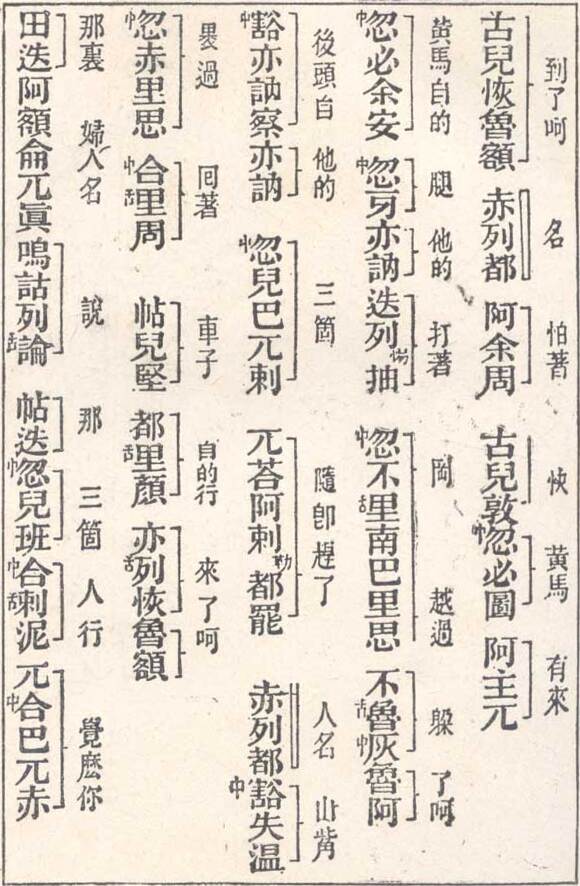 Book
Secondary source
The Secret History of the Mongols
c. 1228 (completed after 1227)
 Painting
Secondary source
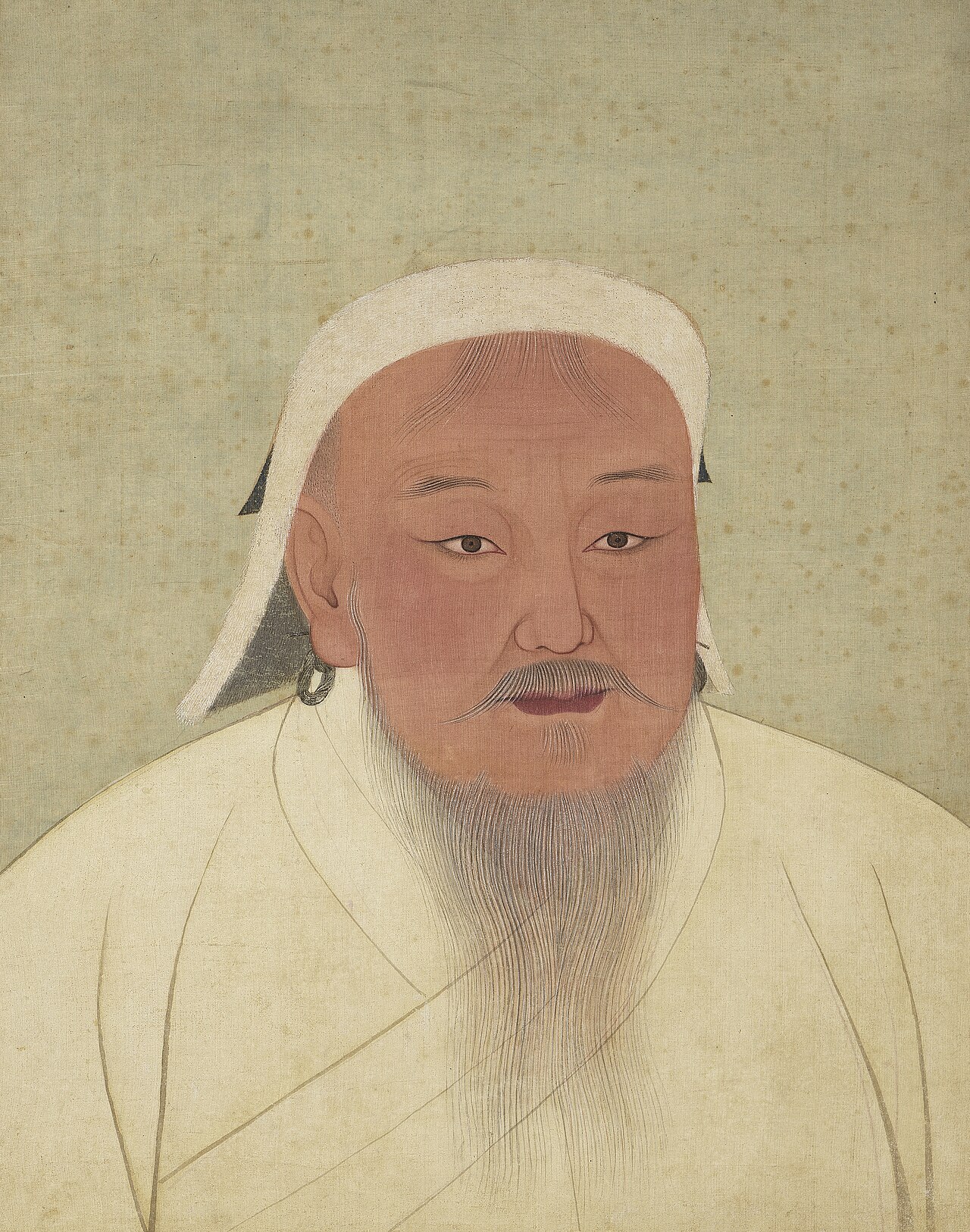
Portrait of Genghis Khan
Unknown Yuan court painter
 Book
Secondary source
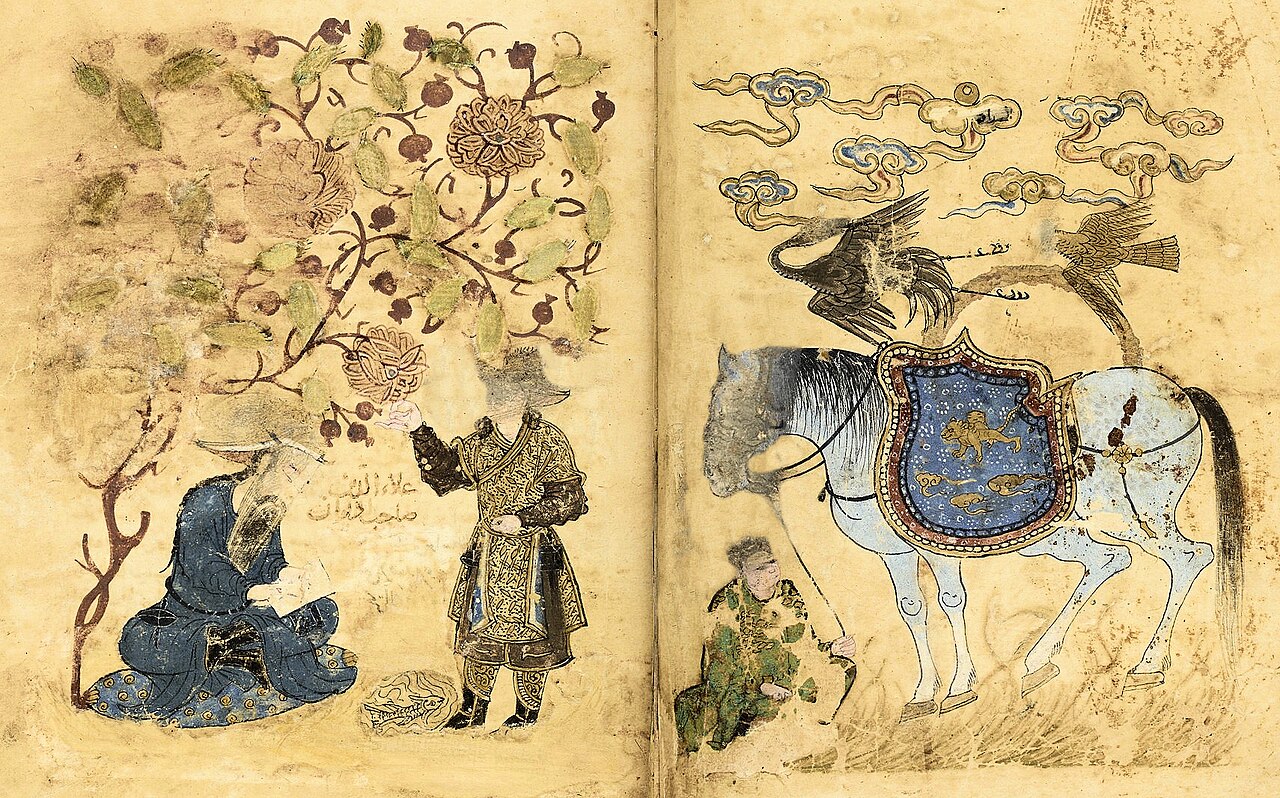
Tarikh-i Jahangushay-i Juvaini
Ata-Malik Juvayni
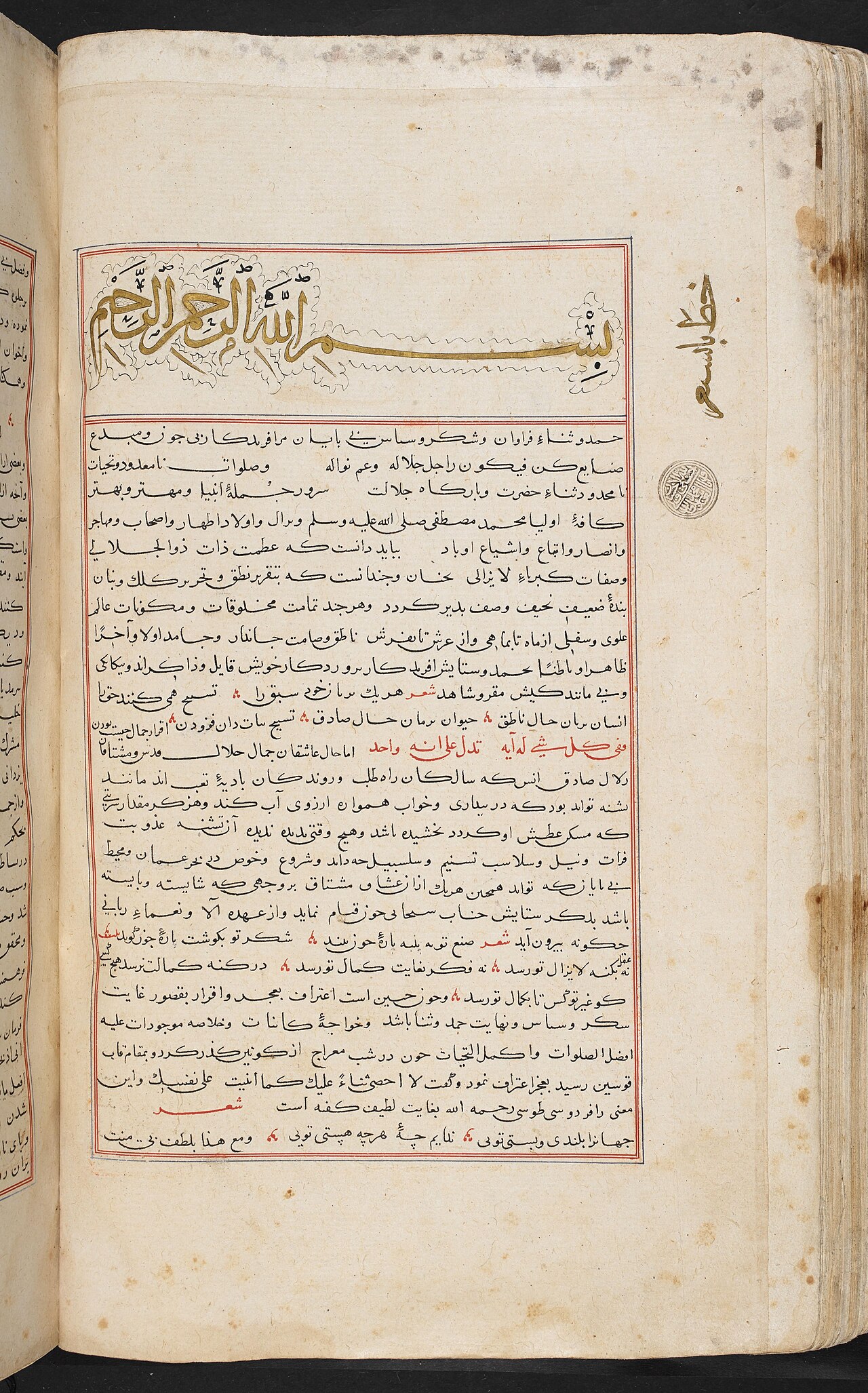 Book
Secondary source
Jami' al-tawarikh
Rashid al-Din Hamadani · c. 1400 (manuscript copy)
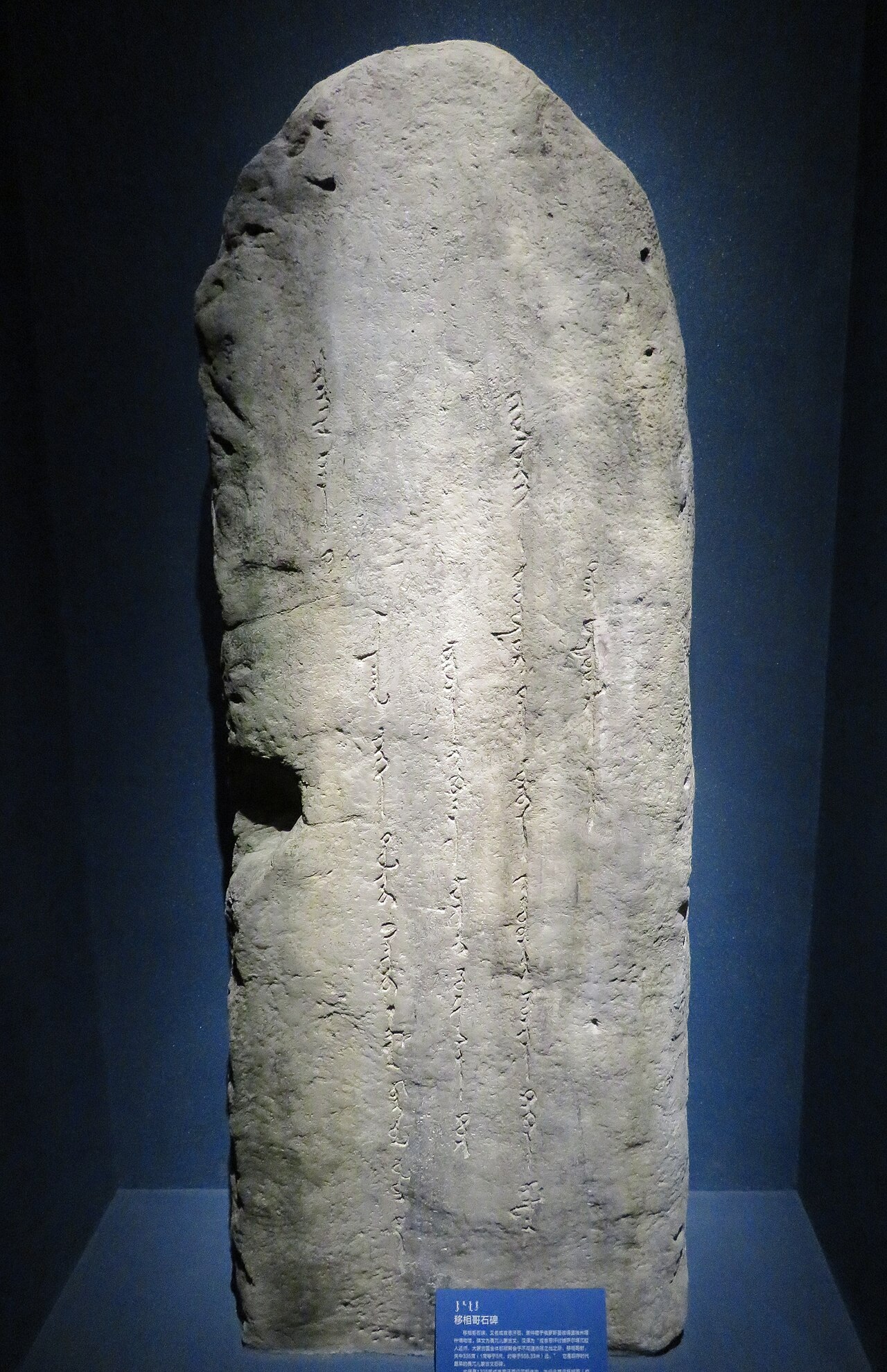 Artifact
Primary source
Stele of Genghis Khan
c. 1224-1225
Ready when you are
Start chatting with Genghis Khan now.
20 messages free · No credit card · Available in 50+ languages.