


Primary sourceArtifact1570
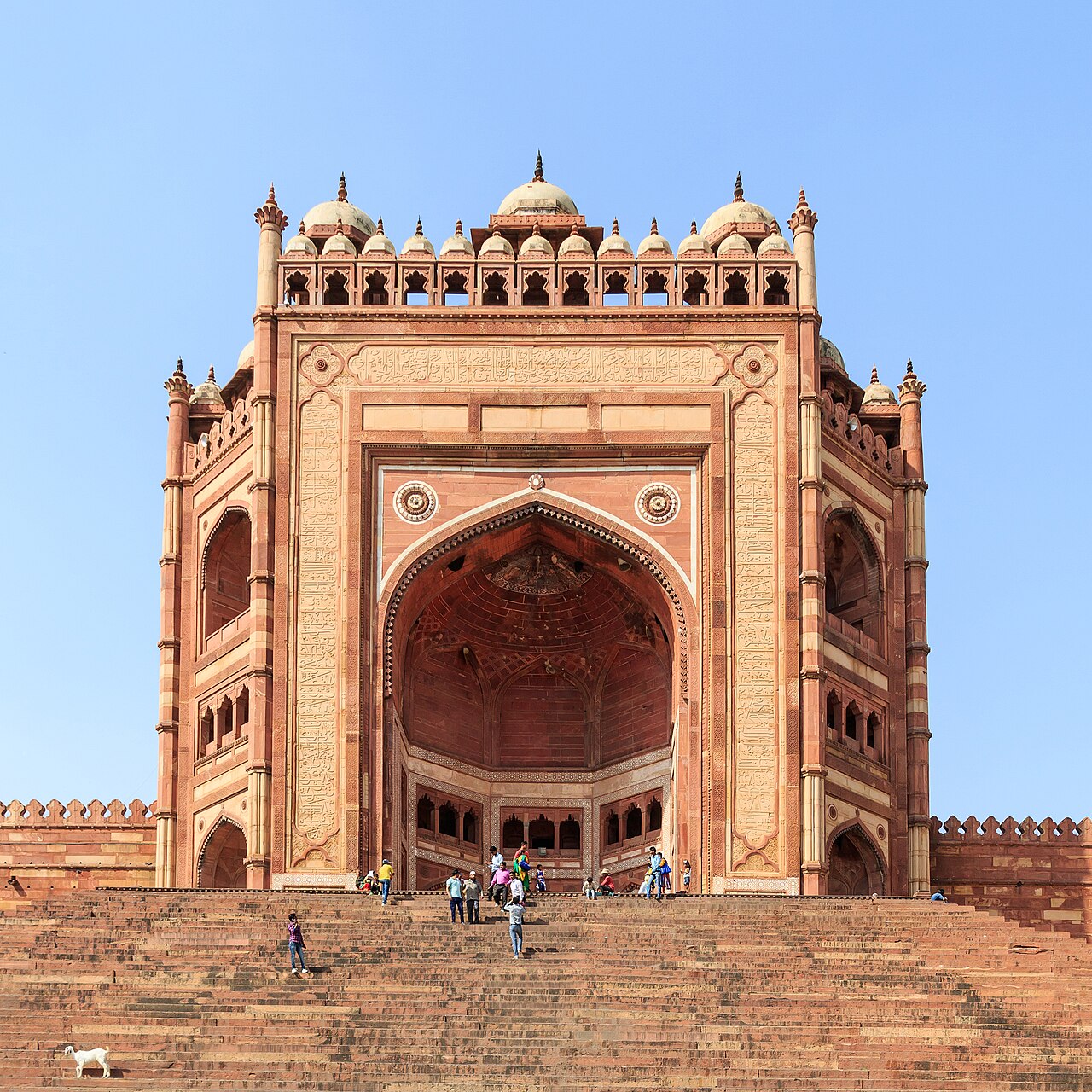
Jama Masjid, Fatehpur Sikri
1570
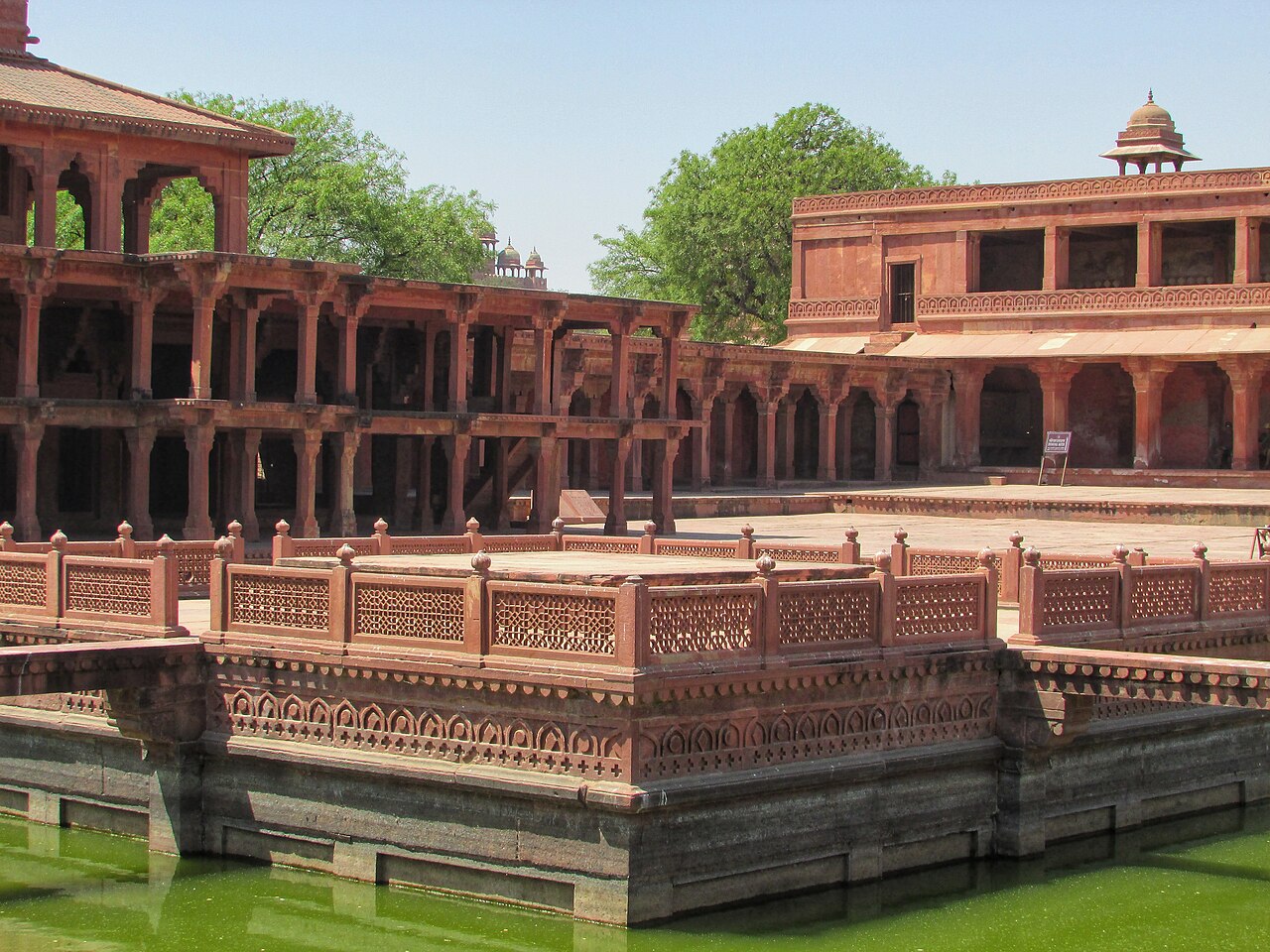
The great congregational mosque Akbar built at his new capital of Fatehpur Sikri, where he himself delivered the Friday sermon in 1579.
Akbar commissioned this mosque at his new capital and personally delivered the Friday sermon there in 1579, an unusual assertion of religious authority.

About this source
What it is
The Jama Masjid is a 16th-century mosque complex at Fatehpur Sikri, commissioned by Emperor Akbar and completed around 1571-1574. It honours the Sufi saint Shaikh Salim Chishti, Akbar's spiritual advisor, whose marble tomb stands within the courtyard.
Why it matters
Akbar built this mosque as part of his new capital city, and in 1579 he personally delivered the khutba, a role usually reserved for religious leaders. Some scholars argue this was a deliberate move by Akbar to present himself as a divine sovereign. The mosque remained an admired symbol of Mughal heritage for his son Jahangir and grandson Shah Jahan.
Look closer
- Why might it have been controversial for Akbar, rather than a religious scholar, to deliver the sermon here?
- What materials and architectural styles can you identify, and what do they suggest about influences on Mughal building?
- Why do you think later emperors admired and referred back to this mosque?
This artifact is part of the curated material that grounds the AI version of Akbar the Great on Humy.ai — when students ask about related events, the AI can quote it and cite it.
More Akbar the Great sources
Meet the AI Akbar the Great →
Ready when you are
Start chatting with Akbar the Great now.
20 messages free · No credit card · Available in 50+ languages.