


Secondary sourceBookc. 864–884 CE
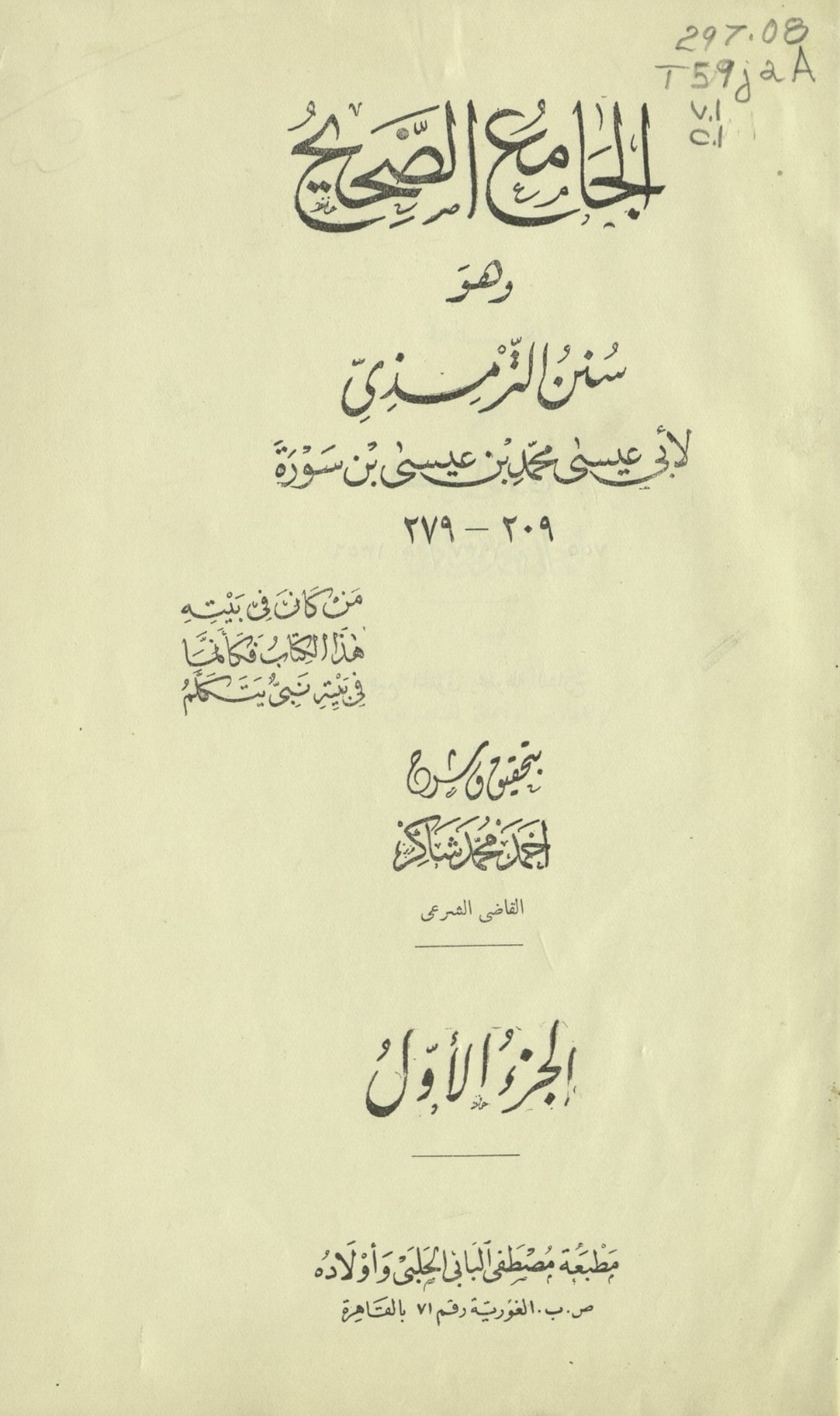
Jami` at-Tirmidhi
Abu Isa at-Tirmidhi · c. 864–884 CE
A major Sunni hadith collection compiled by al-Tirmidhi that transmits famous sayings about Ali, including the 'city of knowledge' hadith.
This collection preserves sayings praising Ali's knowledge and reports linked to the Ghadir Khumm event.
About this source
What it is
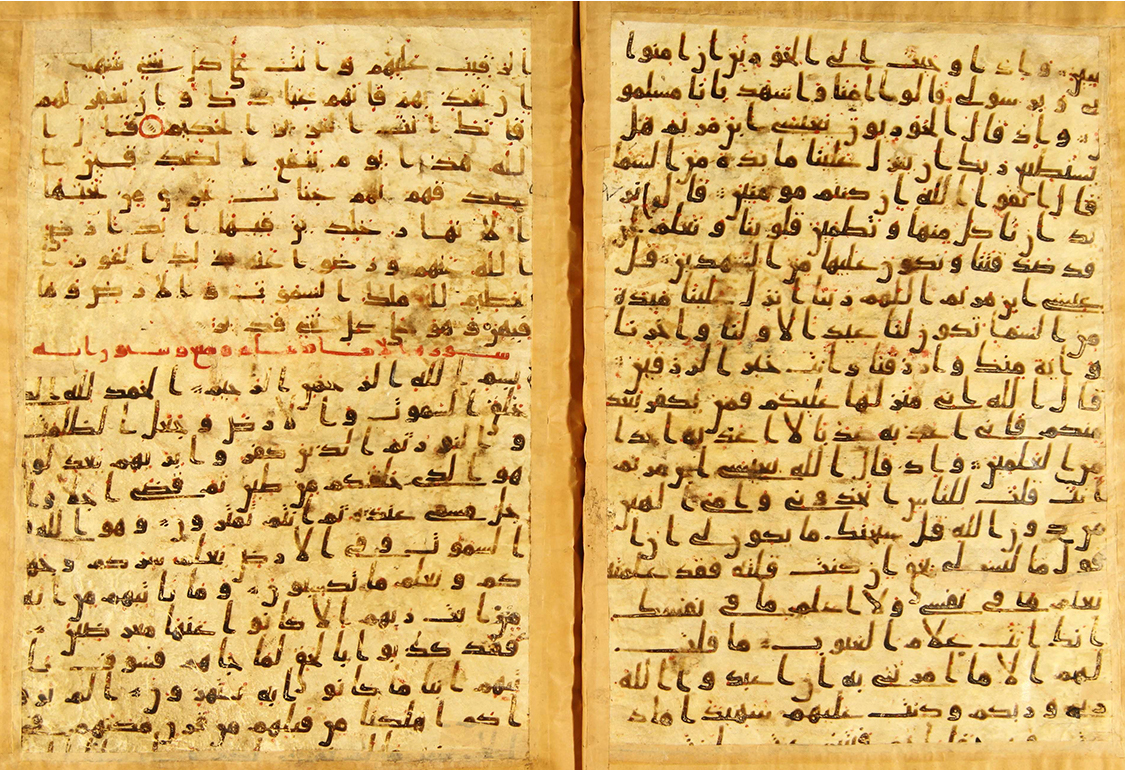
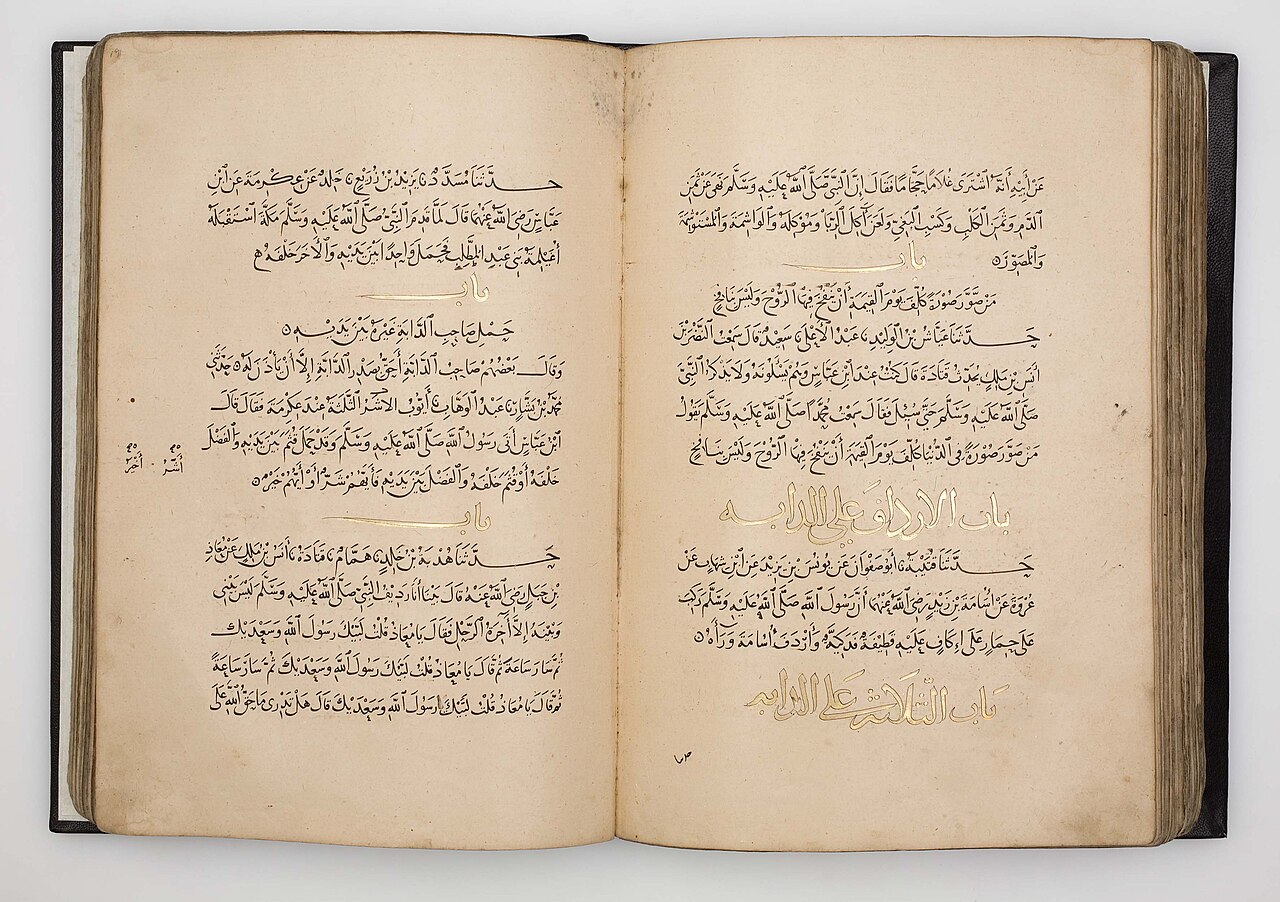
This is Jami` at-Tirmidhi, also called Sunan al-Tirmidhi, one of the Six Books of Sunni hadith collections. It was compiled by the scholar Abu Isa Muhammad al-Tirmidhi in the ninth century, containing thousands of sayings attributed to the Prophet Muhammad organized into chapters. The image shows the title page of a 1937 printed edition from Cairo.
Why it matters
Among its many chapters, this collection transmits well-known sayings about Ali, including the famous statement calling him 'the gate' to the city of knowledge, as well as versions of the hadith connected to the event at Ghadir Khumm. These traditions became central to later debates between Sunni and Shia Muslims about Ali's status and role after Muhammad's death.
Look closer
- Why would scholars centuries later carefully classify hadiths as authentic, weak, or disputed?
- What does the survival of sayings about Ali across many different collections suggest about his importance?
- How might the same hadith be read differently by different religious traditions?
This book is part of the curated material that grounds the AI version of Alī ibn Abī Ṭālib, Khalid ibn al-Walid, Fatima, Aisha, Abu Isa at-Tirmidhi, Husayn ibn Ali, Uthman ibn Affan, Hasan ibn Ali and Khadija bint Khuwaylid on Humy.ai — when students ask about related events, the AI can quote it and cite it.
More Alī ibn Abī Ṭālib sources
Browse all 74 → Book
Secondary source
Nahj al-Balagha
Sharif al-Radi · c. 1000
 Artifact
Secondary source
Imam Ali Shrine
977
 Artifact
Secondary source
Great Mosque of Kufa
founded 638, completed 670s
 Book
Secondary source
Sahih Muslim
Muslim ibn al-Hajjaj · c. 900

Free account
Read every Alī ibn Abī Ṭālib source
Sign up free →
Ready when you are
Start chatting with Alī ibn Abī Ṭālib now.
20 messages free · No credit card · Available in 50+ languages.