


Primary sourceArtifact1569
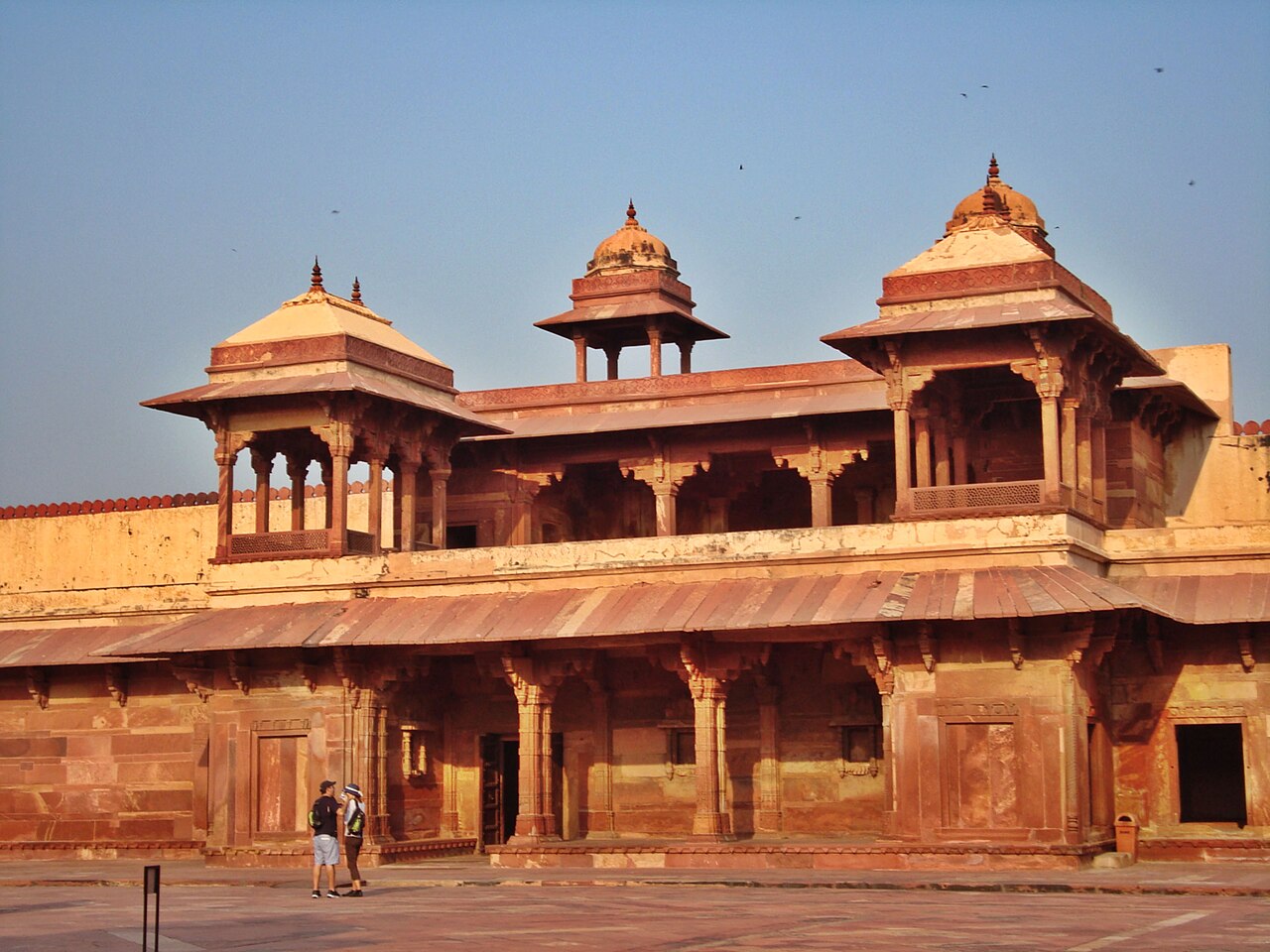
Jodha Bai Mahal
1569
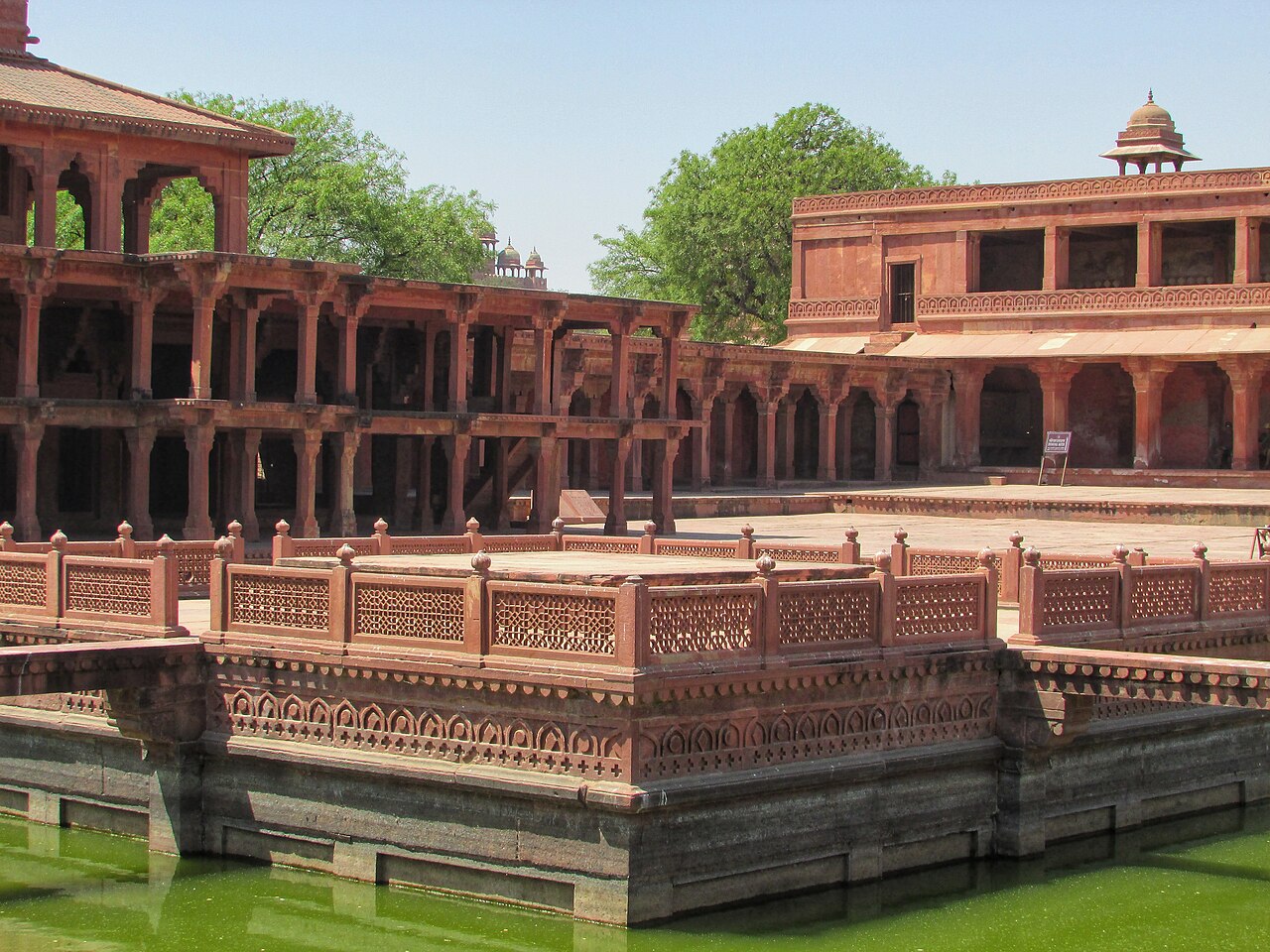
The largest palace at Fatehpur Sikri, built by Akbar for his queen Mariam-uz-Zamani, blending Hindu and Islamic architecture.
Akbar commissioned this palace for his queen Mariam-uz-Zamani, reflecting his Rajput marriage alliances and family life.
About this source
What it is
Jodha Bai Mahal is the largest residential palace within the women's quarters (zenana) at Fatehpur Sikri, commissioned by Akbar in 1569 for his wife Mariam-uz-Zamani, a Hindu princess popularly known as Jodha Bai. Built from red sandstone, it combines Rajasthani and Persian architectural styles, including a Hindu temple space used for worship within the palace.
Why it matters
The palace reflects Akbar's marriage alliances with Rajput families and his approach to ruling a diverse empire, mixing Hindu and Islamic traditions in both architecture and family life. It was built around the time Mariam-uz-Zamani gave birth to Akbar's son and heir, Prince Salim, linking the building directly to the continuation of the Mughal dynasty.
Look closer
- What architectural details show the blending of Hindu and Islamic traditions?
- Why might Akbar have wanted his wife's new home to resemble the one she grew up in?
- What does this palace suggest about how Akbar used marriage and architecture to build political alliances?
This artifact is part of the curated material that grounds the AI version of Akbar the Great on Humy.ai — when students ask about related events, the AI can quote it and cite it.
More Akbar the Great sources
Meet the AI Akbar the Great →
Ready when you are
Start chatting with Akbar the Great now.
20 messages free · No credit card · Available in 50+ languages.