


Secondary sourceDocument1861
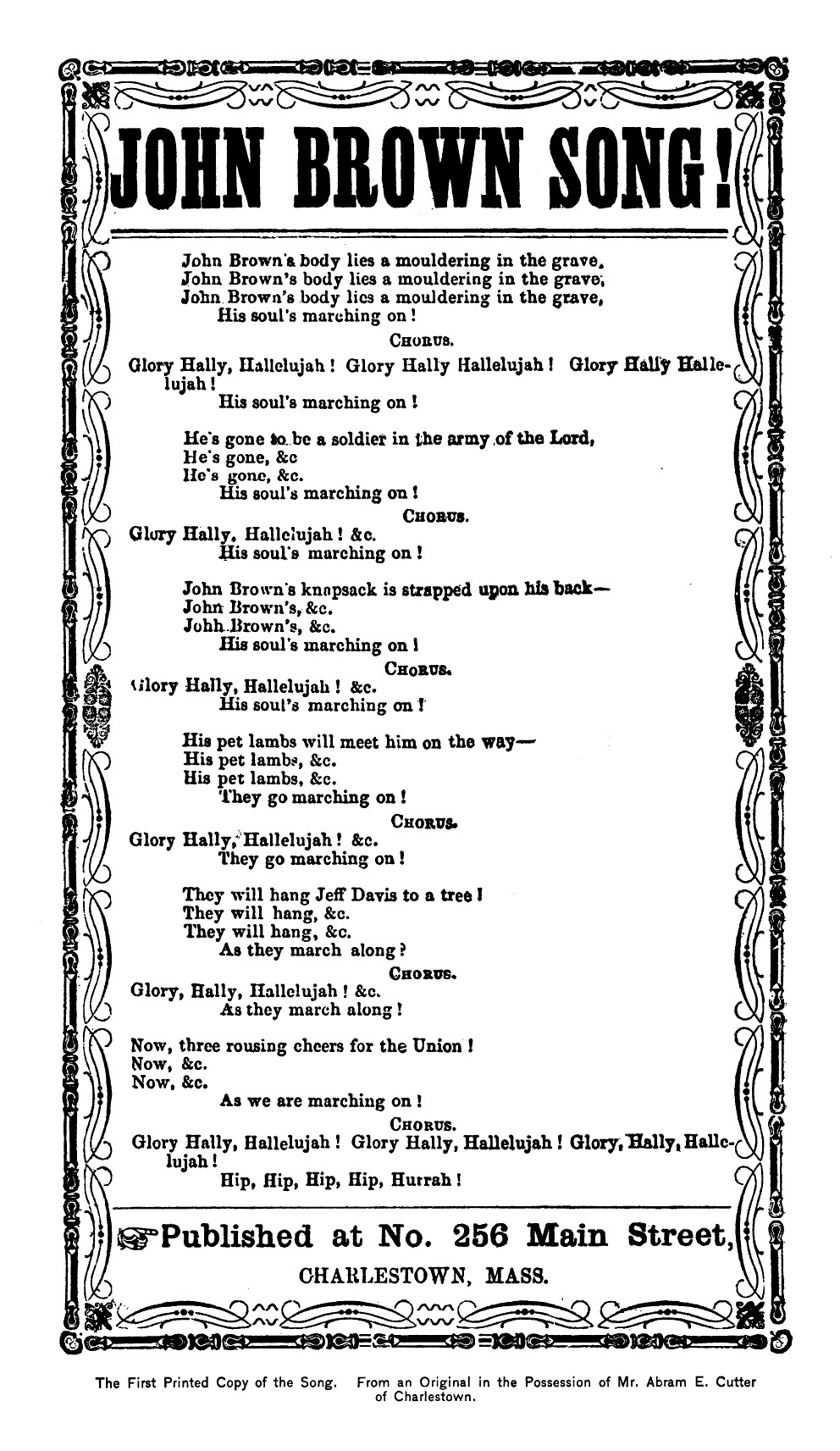
John Brown's Body
William Steffe · 1861
A Union marching song about John Brown that turned him into a martyr figure during the Civil War; its tune later became the Battle Hymn of the Republic.
This song commemorates Brown, transforming him from executed raider into a martyr celebrated by Union soldiers.
About this source
What it is
This is a broadside printing of the "John Brown Song," a marching song that grew out of the camp-meeting hymn tradition and became popular among Union soldiers from 1861. The tune, associated with the phrase "Say, Brothers, Will You Meet Us," had circulated in religious communities for decades before being fitted with new words about John Brown.
Why it matters
The song shows how quickly John Brown became a symbol after his execution. Soldiers sang about him marching to war, and the song's popularity later inspired Julia Ward Howe to write the "Battle Hymn of the Republic" to the same tune. It reveals how ordinary people, not just politicians or writers, shaped Brown's legacy.
Look closer
- Why might soldiers want a song about a man executed as a traitor?
- What does it mean that the same tune was used for different songs?
- What does this song leave out about Brown's actual actions and death?
This document is part of the curated material that grounds the AI version of John Brown on Humy.ai — when students ask about related events, the AI can quote it and cite it.
More John Brown sources
Meet the AI John Brown →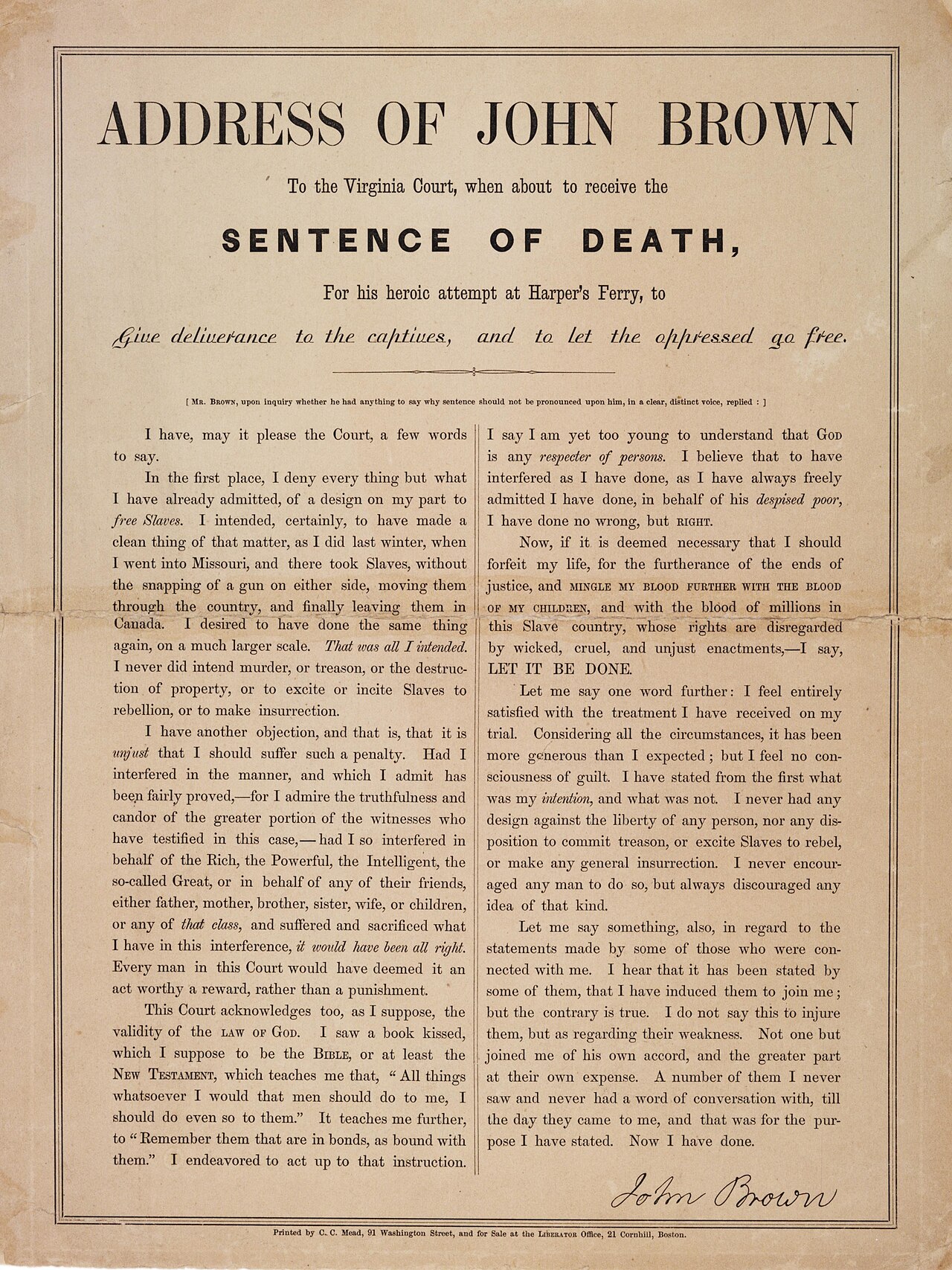 Speech
Primary source
John Brown's Last Speech to the Court
John Brown · 2 November 1859
Primary source
Provisional Constitution
John Brown · 1858
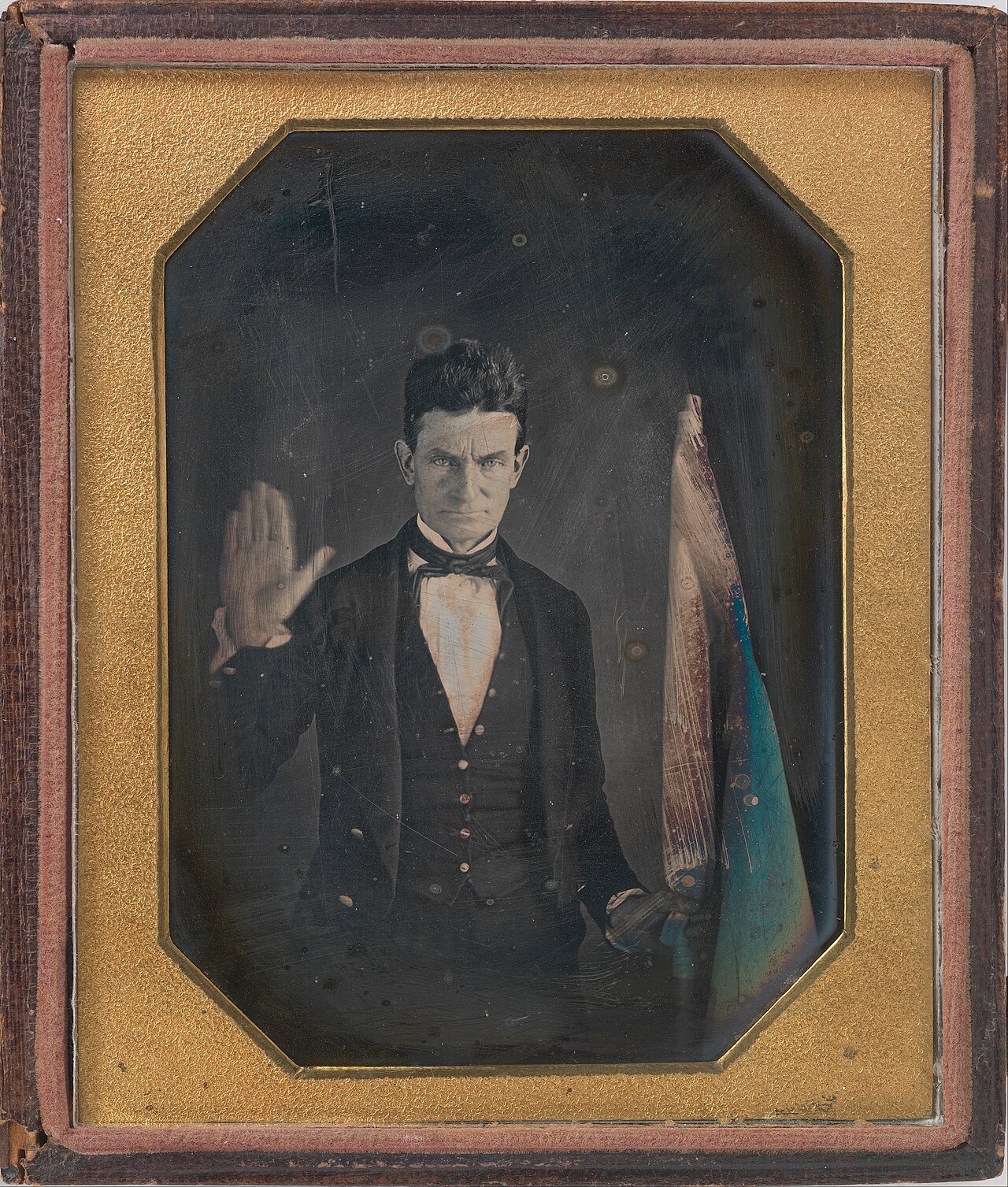 Photograph
Primary source
John Brown
Augustus Washington
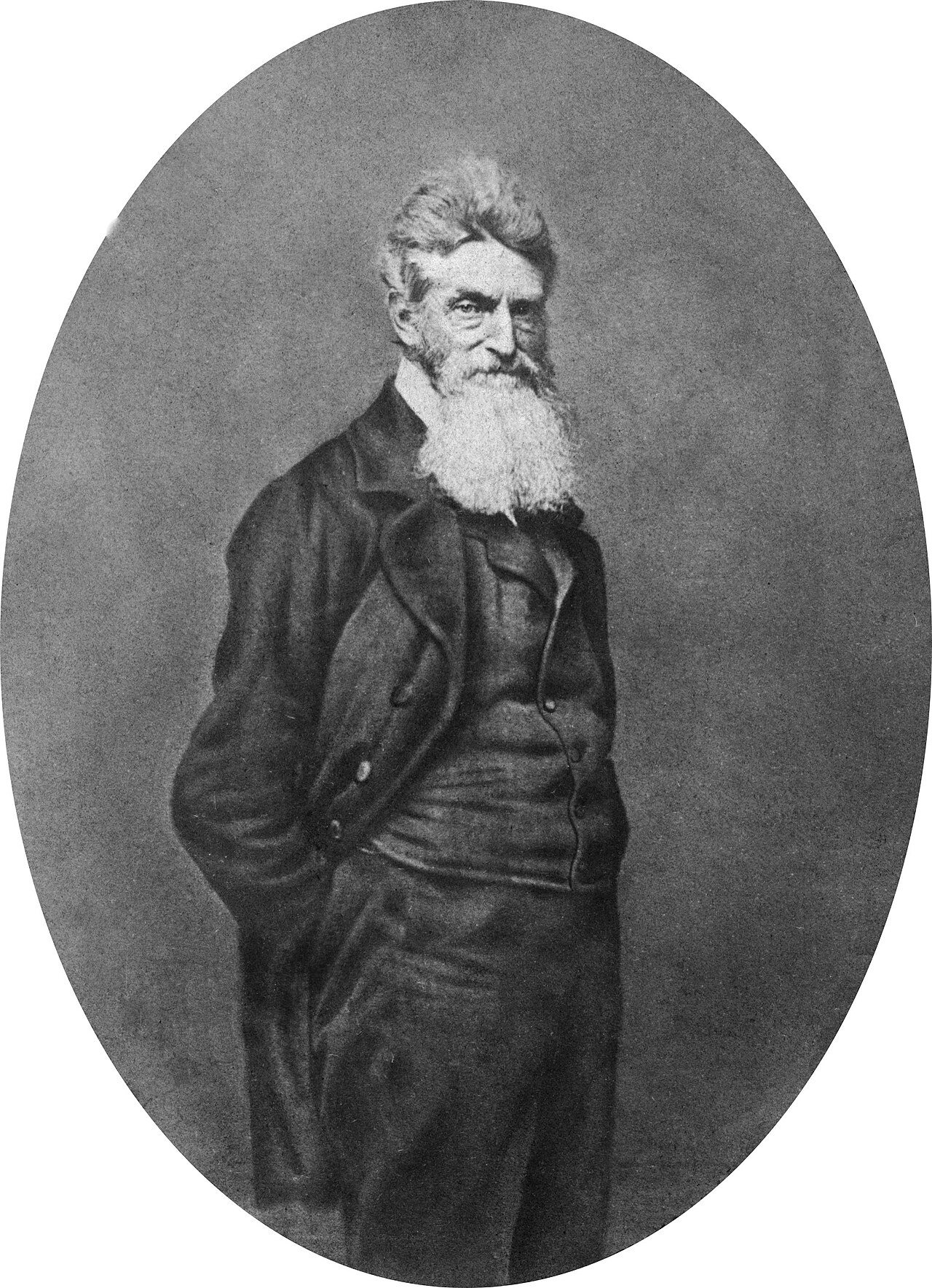 Photograph
Primary source
John Brown Portrait, 1859
Martin M. Lawrence · 1859
 Document
Primary source
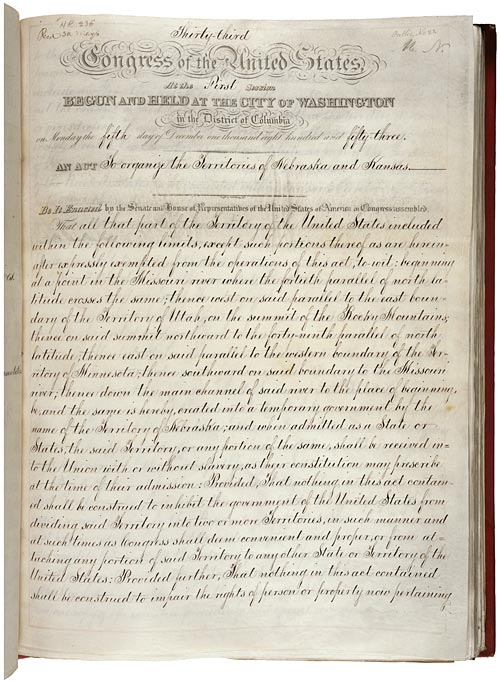
Kansas-Nebraska Act
United States Congress · 1854
Ready when you are
Start chatting with John Brown now.
20 messages free · No credit card · Available in 50+ languages.