


Secondary sourcePainting
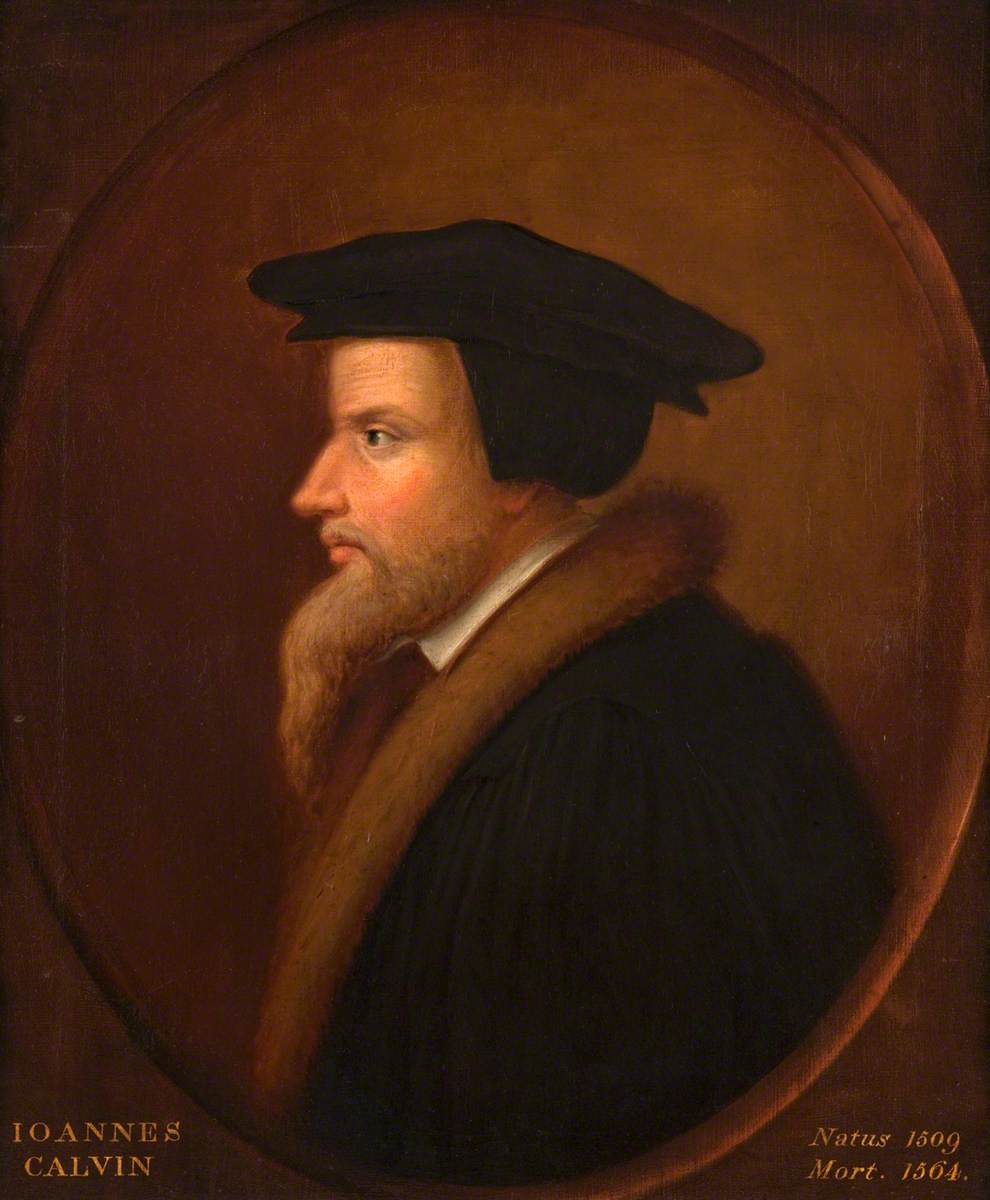
John Calvin (1509–1564)
after William Scrots
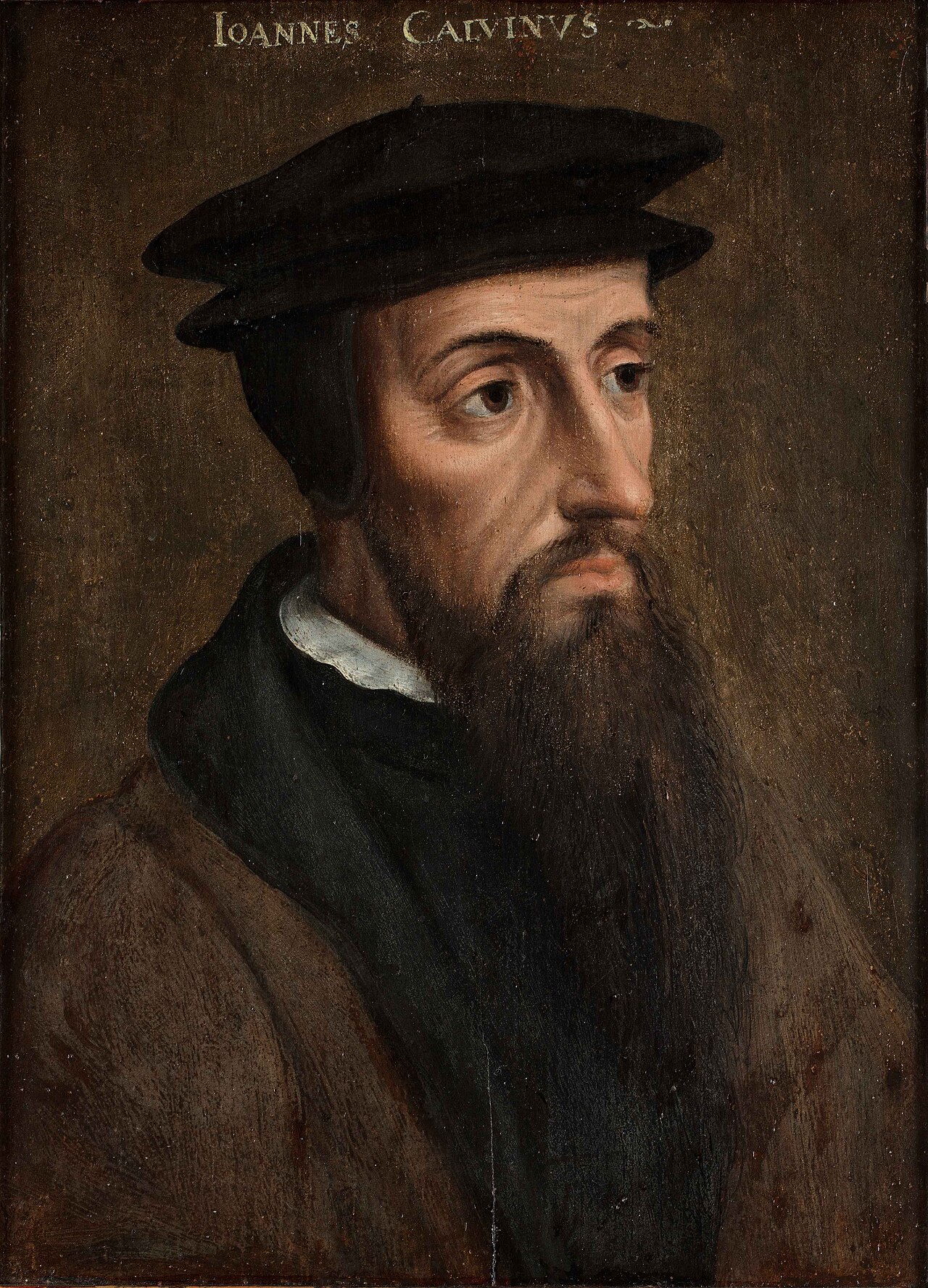
An oval portrait copied after a Scrots-type likeness, showing how Calvin's image circulated in Britain.
A copy after a Scrots-type likeness shows how images of Calvin spread in Britain after his death.
About this source
What it is
This oval portrait of John Calvin, held by the University of Strathclyde, is a copy after a portrait type associated with the painter William Scrots. It shows Calvin in profile with gold lettering giving his name and birth and death years.
Why it matters
The curator's note explains that this copy shows how Calvin's likeness spread in Britain after his death. Such copies were a way Protestant reformers' images travelled across Europe, helping build a visual memory of the Reformation's leaders.
Look closer
- What details in the painting (clothing, pose, lettering) tell you this was meant to record Calvin for future viewers?
- Why would copies of a portrait be made and spread rather than just the original?
- What might be different between this copy and the original it was based on?
This painting is part of the curated material that grounds the AI version of John Calvin on Humy.ai — when students ask about related events, the AI can quote it and cite it.
More John Calvin sources
Meet the AI John Calvin →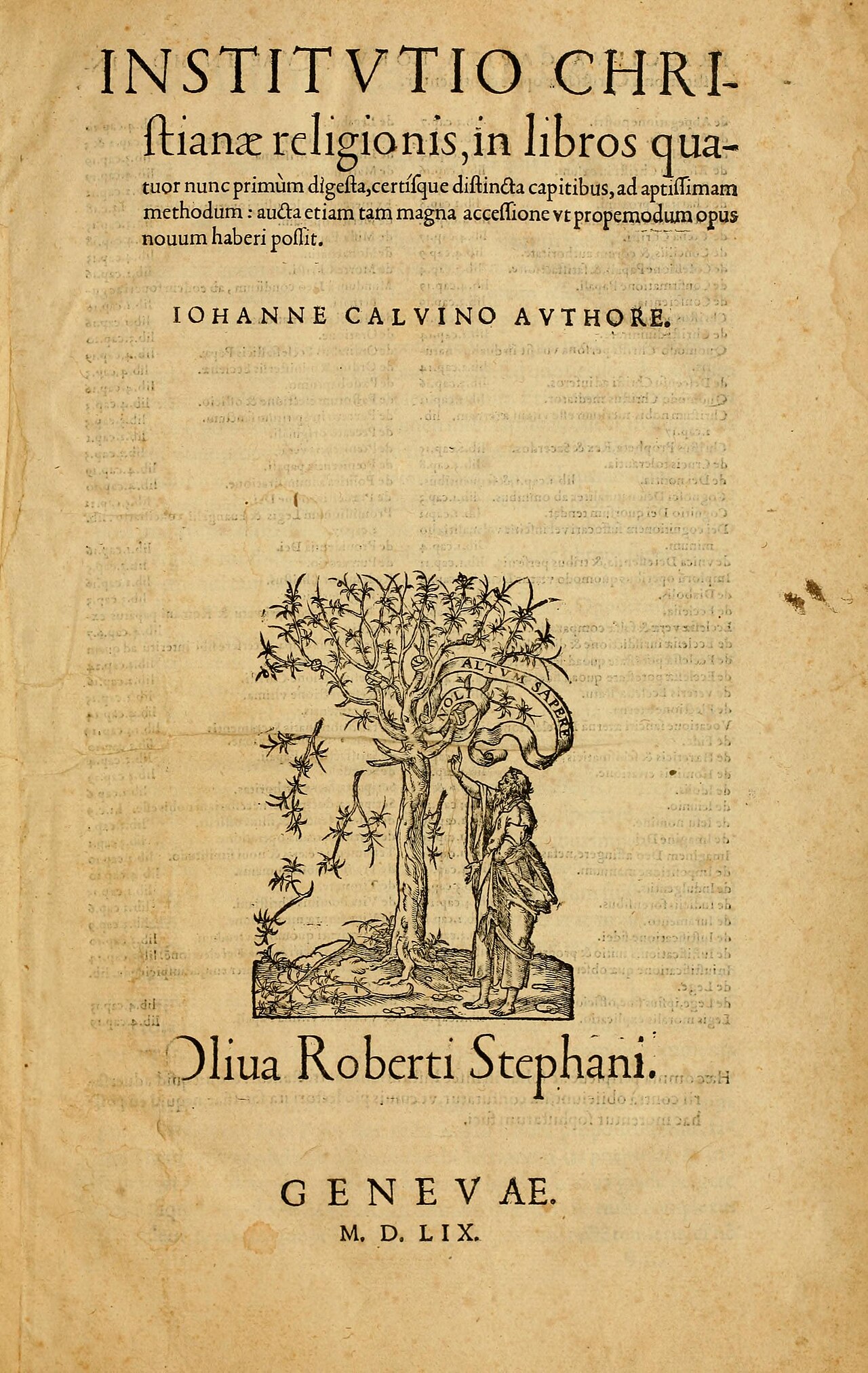 Book
Primary source
Institutes of the Christian Religion
John Calvin · 1536 (first edition); revised to 1559
Primary source
Geneva Catechism
John Calvin
 Book
Primary source
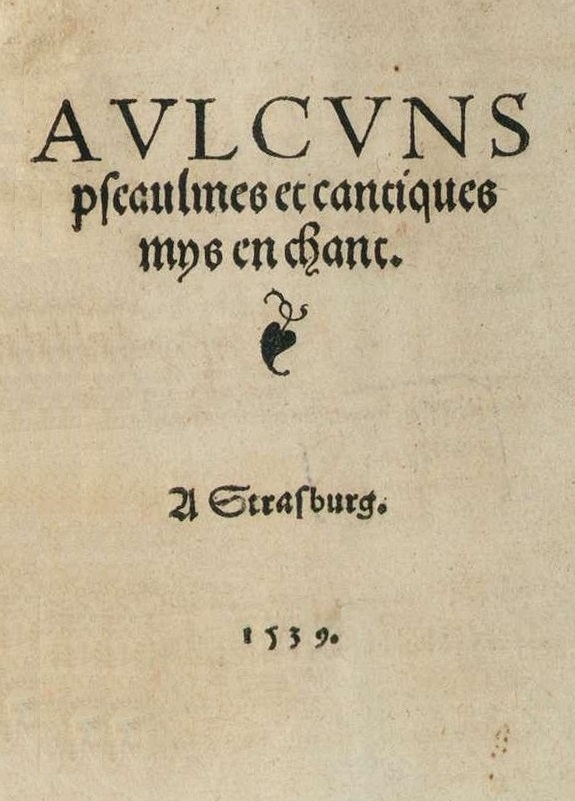
Genevan Psalter
John Calvin · 1562 (complete edition)
 Letter
Primary source
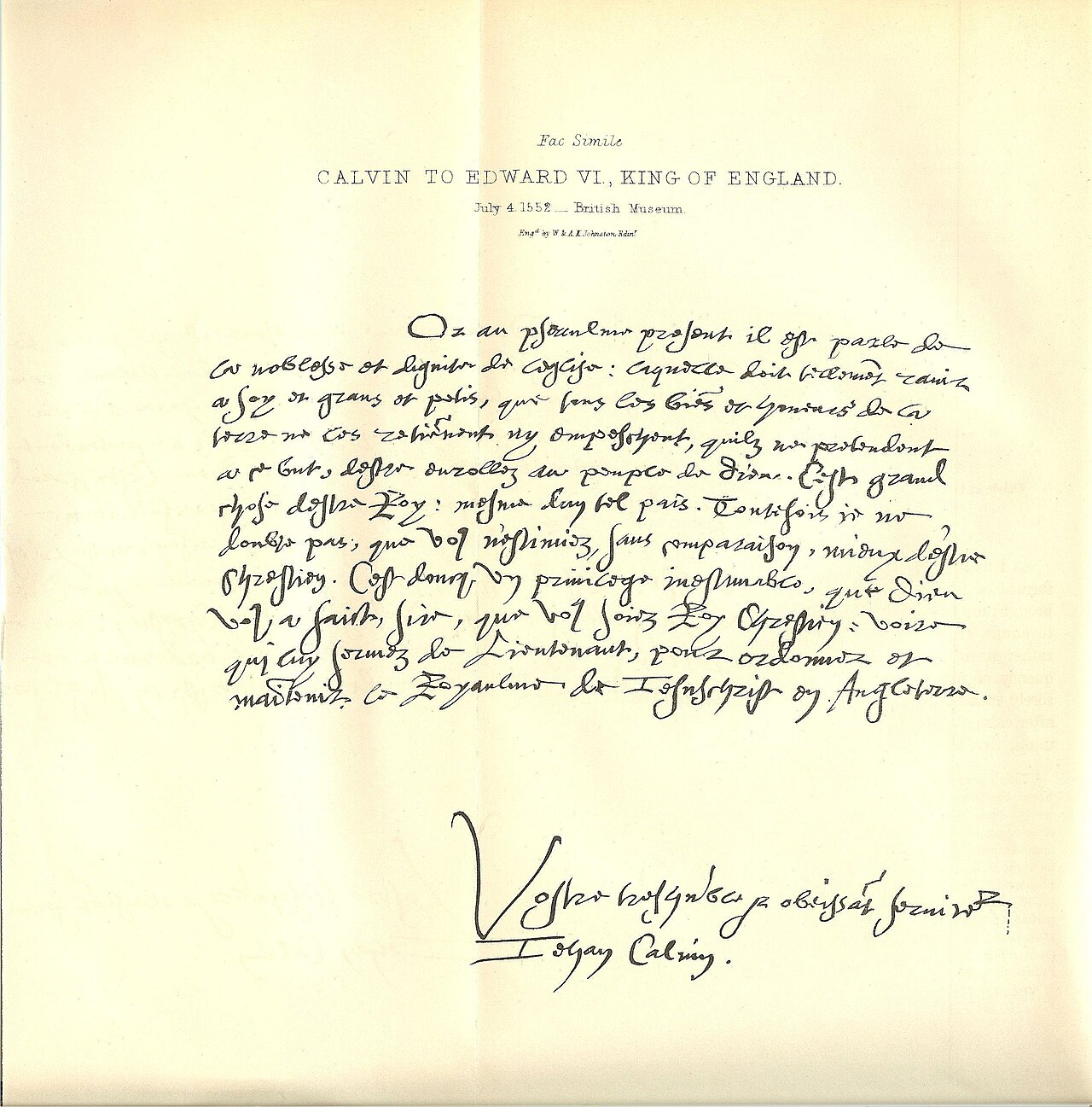
Letter to Edward VI of England
John Calvin · 4 July 1552
 Painting
Primary source
Portrait of John Calvin
Unknown · 1550
Ready when you are
Start chatting with John Calvin now.
20 messages free · No credit card · Available in 50+ languages.