


Primary sourceBook1905
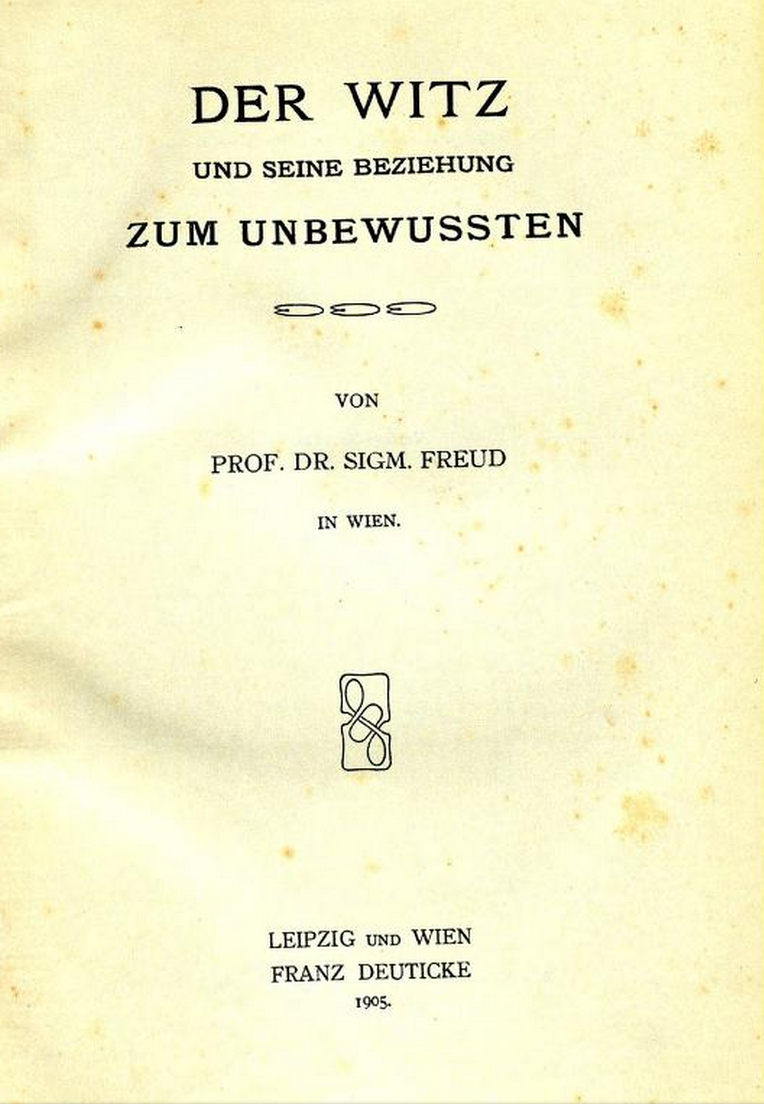
Jokes and Their Relation to the Unconscious
Sigmund Freud · 1905
Freud's 1905 study of how jokes, including Jewish humor, reveal the workings of the unconscious mind.
Freud wrote this book developing his theory that jokes, like dreams, offer a route into the unconscious.
About this source
What it is
Published in 1905 as Der Witz und seine Beziehung zum Unbewußten, this book by Sigmund Freud analyzes the techniques and psychology of jokes and humor.
Why it matters
Freud compares the mental processes behind jokes to those behind dreams, linking the book to his earlier Interpretation of Dreams. He draws on earlier thinkers such as Jean Paul and Theodor Lipps, and uses many examples, including Jewish jokes, to argue that humor lets people express forbidden thoughts in a socially acceptable way. The book shows how Freud extended psychoanalytic ideas from dreams and symptoms into everyday culture.
Look closer
- Why might Freud have thought jokes were a useful way to study the unconscious mind?
- What does his choice of examples, including Jewish jokes, suggest about his own background?
- What might this theory miss about why people actually find things funny?
This book is part of the curated material that grounds the AI version of Sigmund Freud on Humy.ai — when students ask about related events, the AI can quote it and cite it.
More Sigmund Freud sources
Meet the AI Sigmund Freud →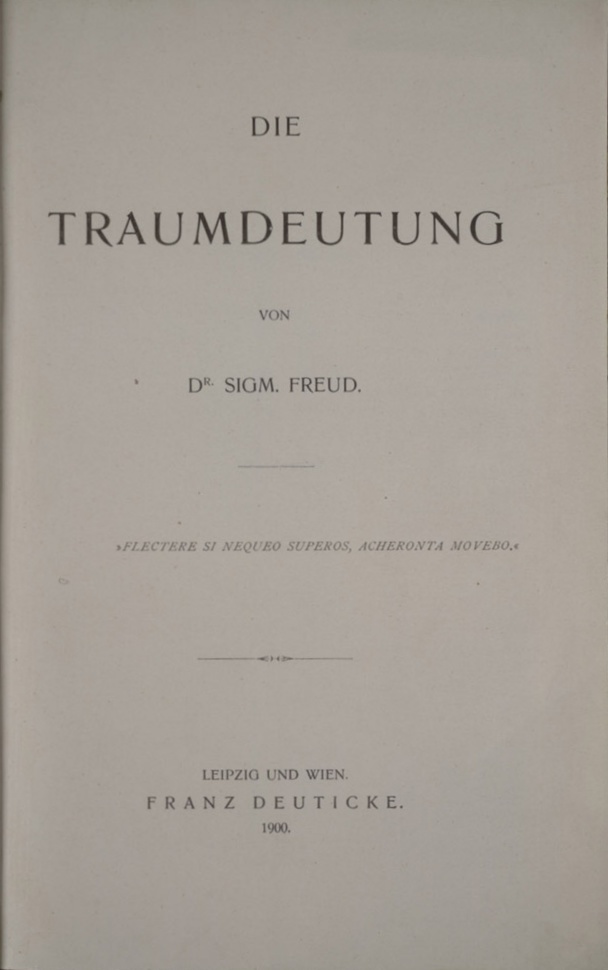 Book
Secondary source
The Interpretation of Dreams
Sigmund Freud · 1900
 Book
Primary source
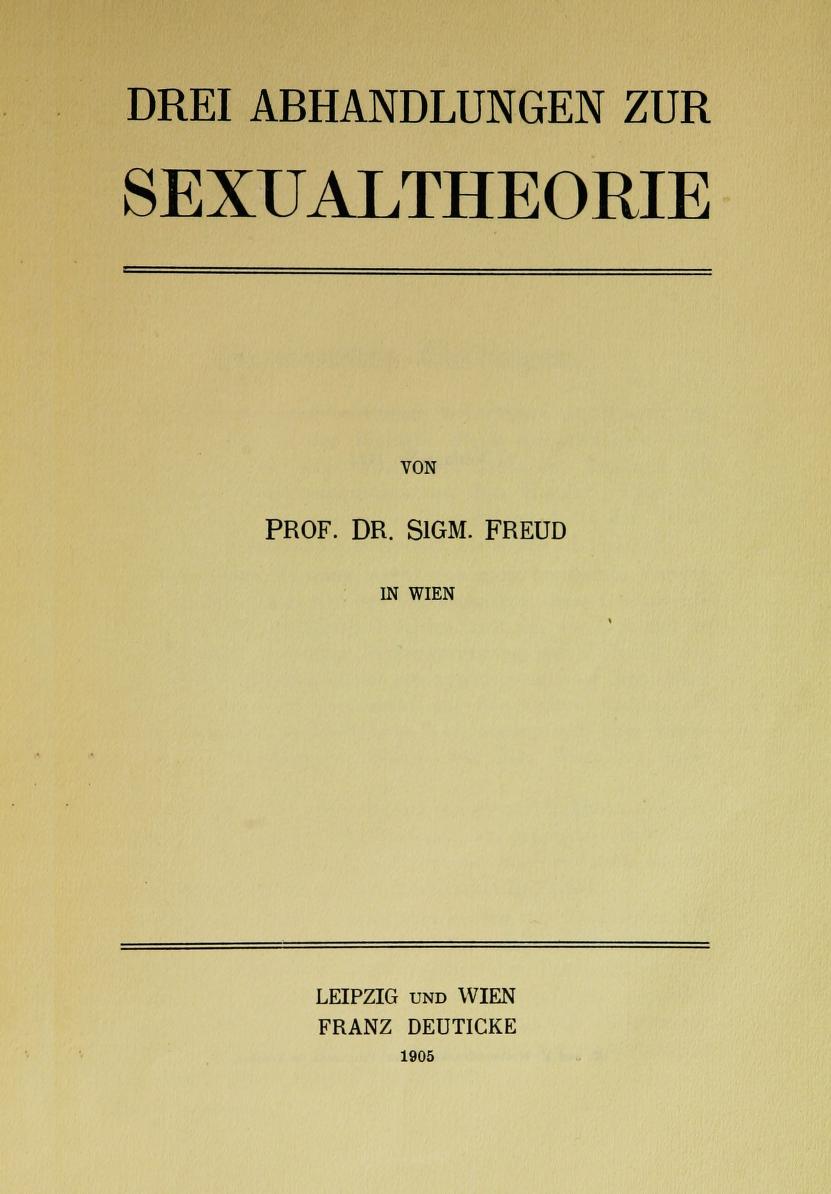
Three Essays on the Theory of Sexuality
Sigmund Freud · 1905
 Book
Primary source
The Ego and the Id
Sigmund Freud · 1923
 Book
Primary source
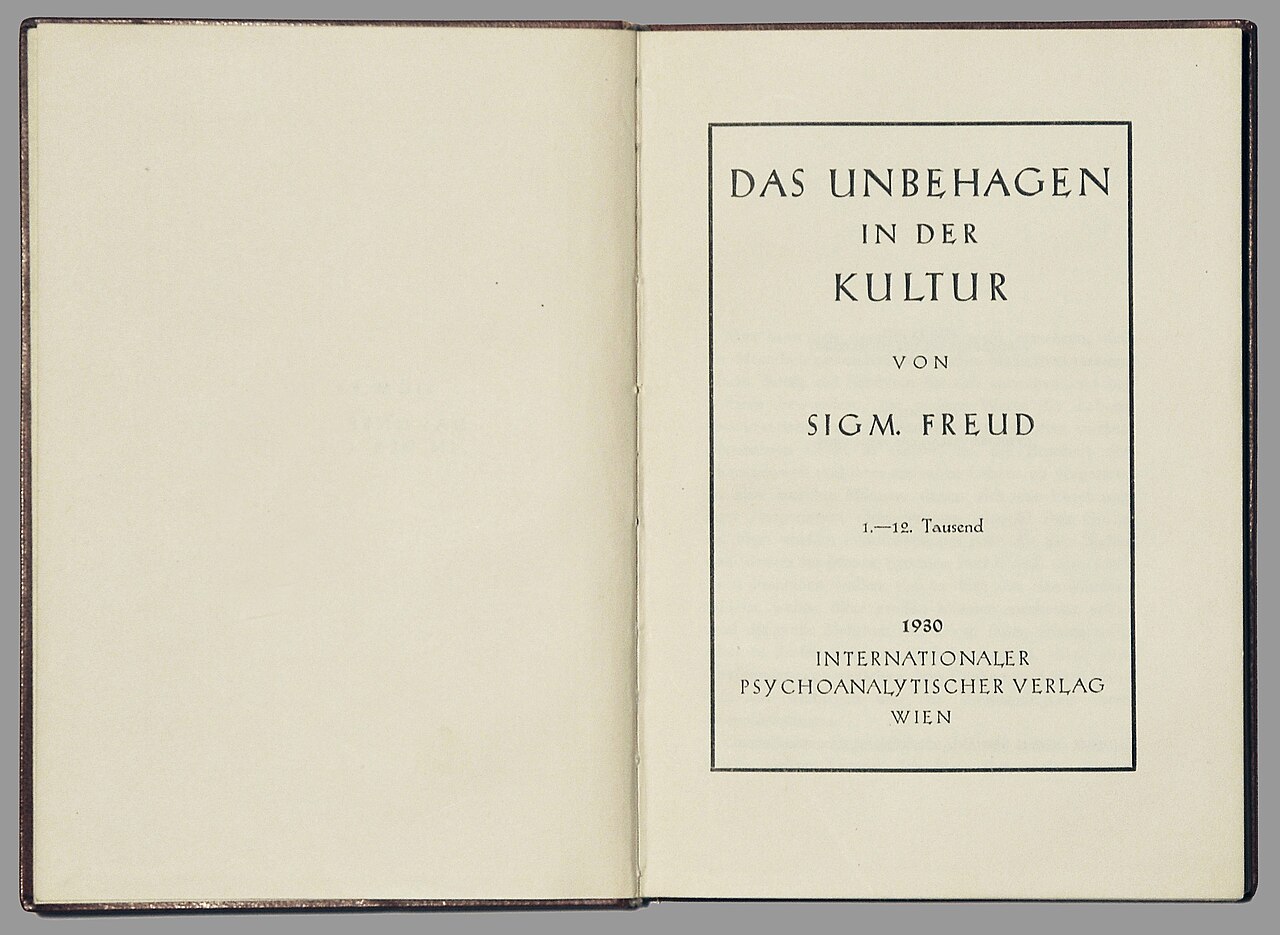
Civilization and Its Discontents
Sigmund Freud · 1930
Primary source
Sigmund Freud's Voice (BBC Broadcast Recording, 1938)
Sigmund Freud · 27 December 1938
Ready when you are
Start chatting with Sigmund Freud now.
20 messages free · No credit card · Available in 50+ languages.