


Primary sourcePhotograph1891
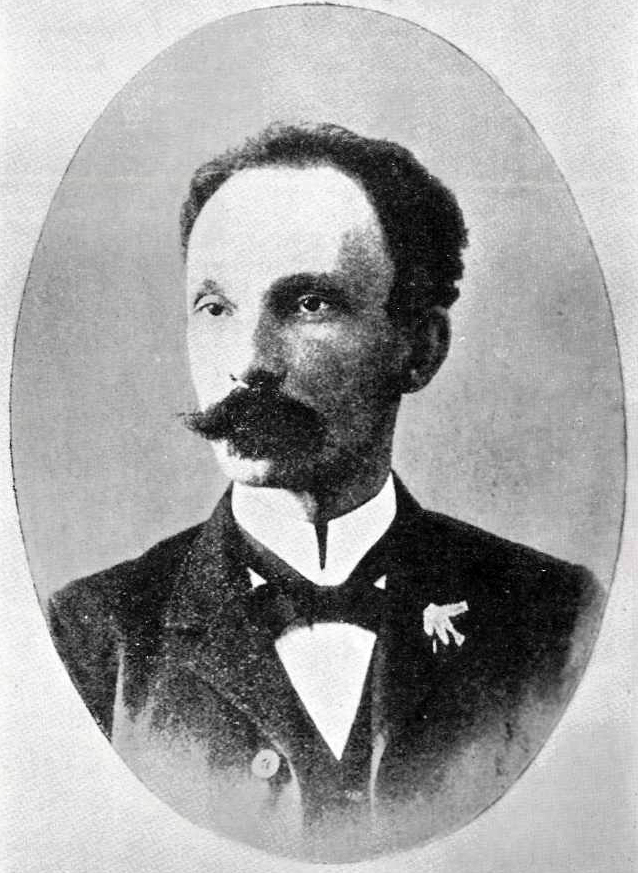
José Martí Portrait from Key West Exile
Cuba. Secretaría de Instrucción Pública y Bellas Artes · 1891
A portrait of José Martí from his years of exile in Key West, first published in Cuba in 1899.
Depicts Martí during his Key West exile, a central period of his organizing for Cuban independence.
About this source
What it is
This oval-framed photographic portrait shows José Martí during his exile years in Key West (Cayo Hueso), where many Cuban exiles organized for independence. It was first published in Cuba in the magazine Cuba y América in 1899, several years after Martí's death.
Why it matters
Martí spent years in exile building support for Cuban independence among emigrant communities in the United States. This portrait reflects the mature, public image of Martí as a political leader and writer during that crucial organizing period.
Look closer
- What does his formal dress and the flower on his lapel suggest about how he wanted to be seen?
- Why might this portrait have waited until 1899 to be published in Cuba?
- What does the pose and setting leave out about his daily life as an exile?
This photograph is part of the curated material that grounds the AI version of José Martí on Humy.ai — when students ask about related events, the AI can quote it and cite it.
More José Martí sources
Meet the AI José Martí →Primary source
Simple Verses
José Martí · 1891
 Photograph
Primary source
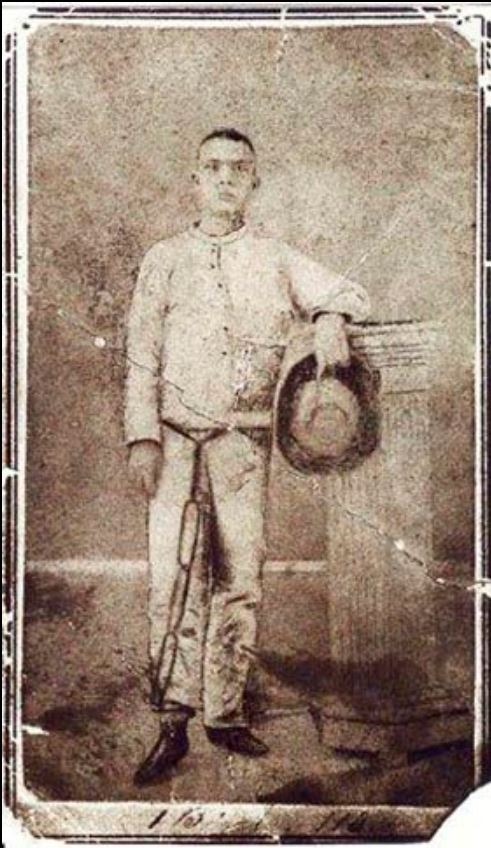
José Martí in the Quarry of San Lázaro
Unknown · c. 1870
 Photograph
Primary source
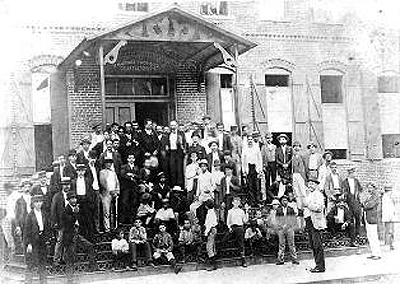
José Martí in Ybor City
Unknown · 1893
 Photograph
Primary source
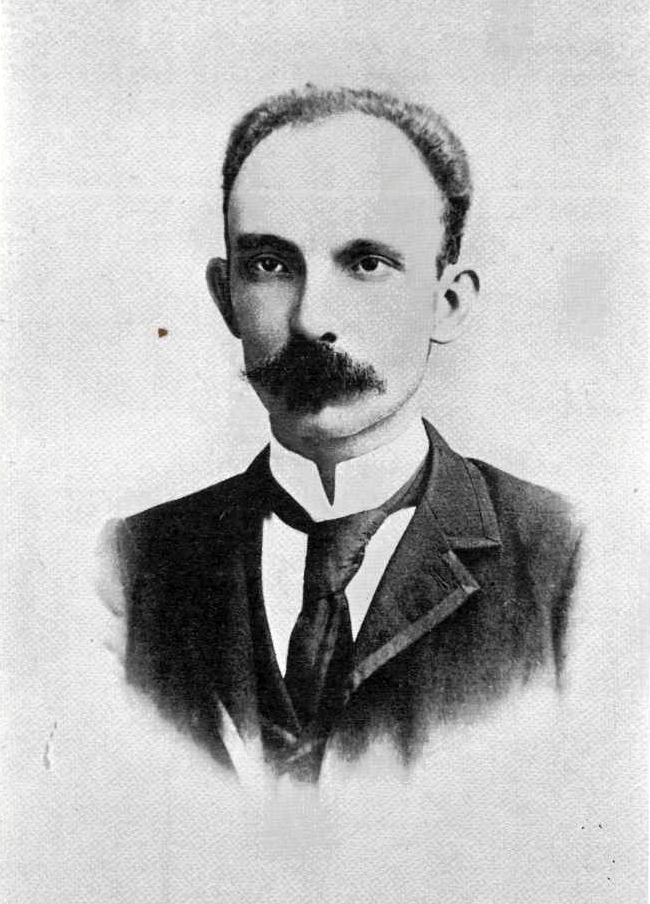
José Martí's Best-Known Portrait, Kingston 1892
Juan Bautista Valdés · 1892
 Newspaper article
Primary source
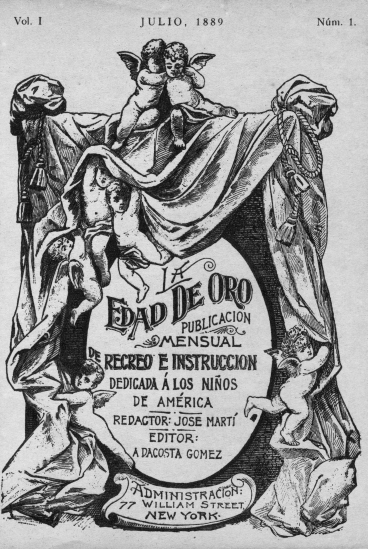
La Edad de Oro
José Martí · 1889
Ready when you are
Start chatting with José Martí now.
20 messages free · No credit card · Available in 50+ languages.