


Primary sourcePainting1797
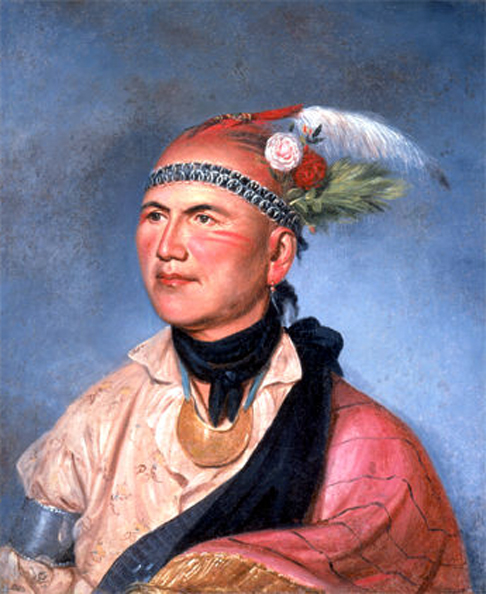
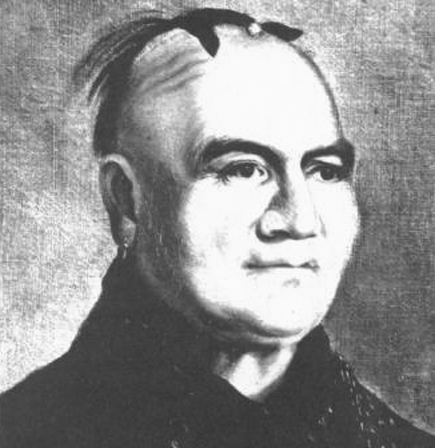
Joseph Brant by Charles Willson Peale
Charles Willson Peale · 1797
An 1797 life portrait of Joseph Brant by Charles Willson Peale, painted in Philadelphia during his diplomatic dealings with the United States.
Painted from life in 1797 during Brant's diplomatic negotiations with the United States.
About this source
What it is
This oil portrait of Joseph Brant was painted from life by the American artist Charles Willson Peale in Philadelphia in 1797.
Brant is shown in profile wearing a headband with a feather, a crescent gorget and a pink wrap over his shoulder.
Why it matters
The portrait was made during Brant's diplomatic dealings with the new United States government, years after the Revolution. It records Brant in later middle age and shows how he continued to act as a key negotiator between Indigenous nations and the American government.
Look closer
- What does the calm, formal pose suggest about Brant's role as a diplomat?
- Why would an American artist want to paint Brant after the Revolutionary War had ended?
- What parts of Brant's life and work are left out of this single image?
This painting is part of the curated material that grounds the AI version of Joseph Brant (Thayendanegea) on Humy.ai — when students ask about related events, the AI can quote it and cite it.
More Joseph Brant (Thayendanegea) sources
Meet the AI Joseph Brant (Thayendanegea) →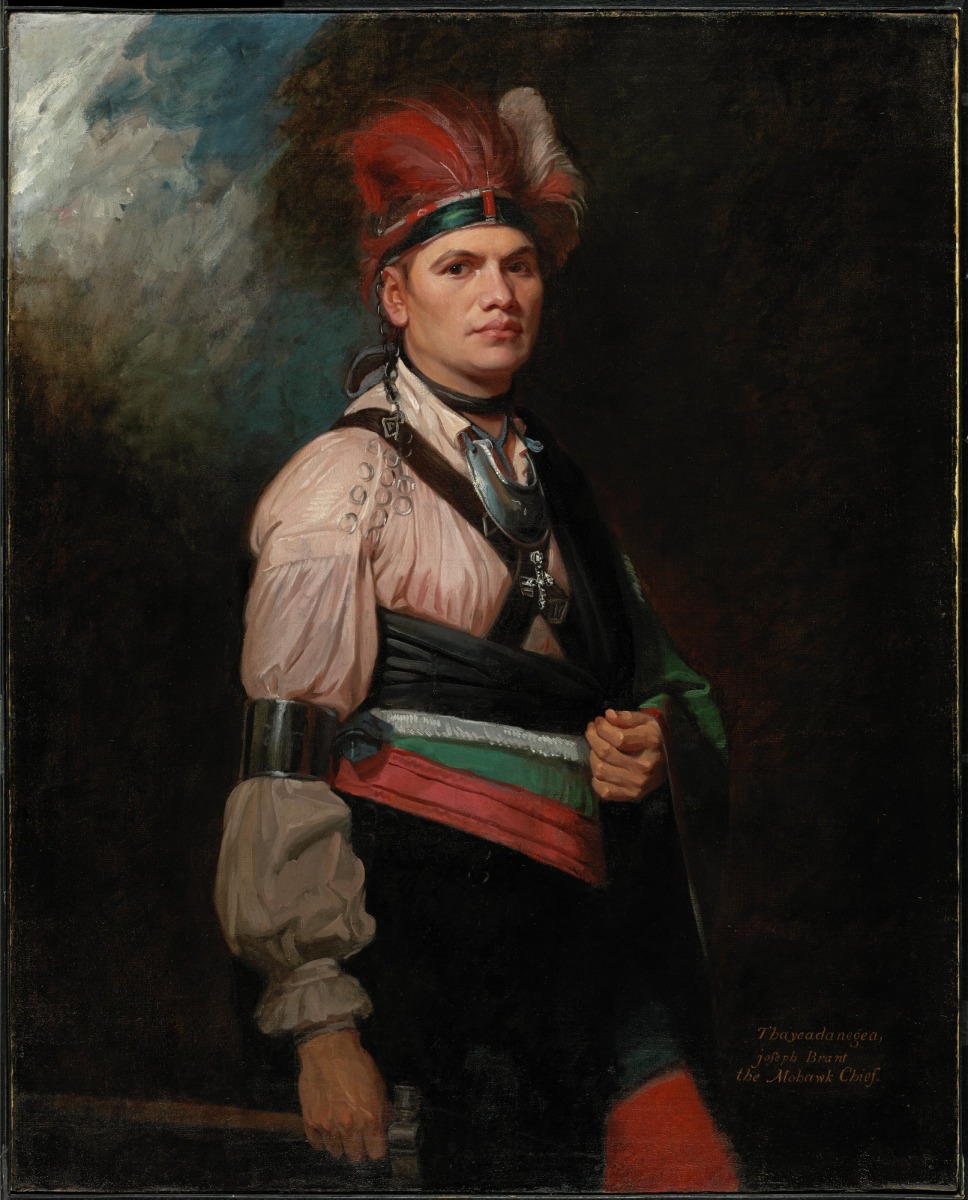 Painting
Primary source
Thayendanegea (Joseph Brant)
George Romney · 1776
 Painting
Primary source
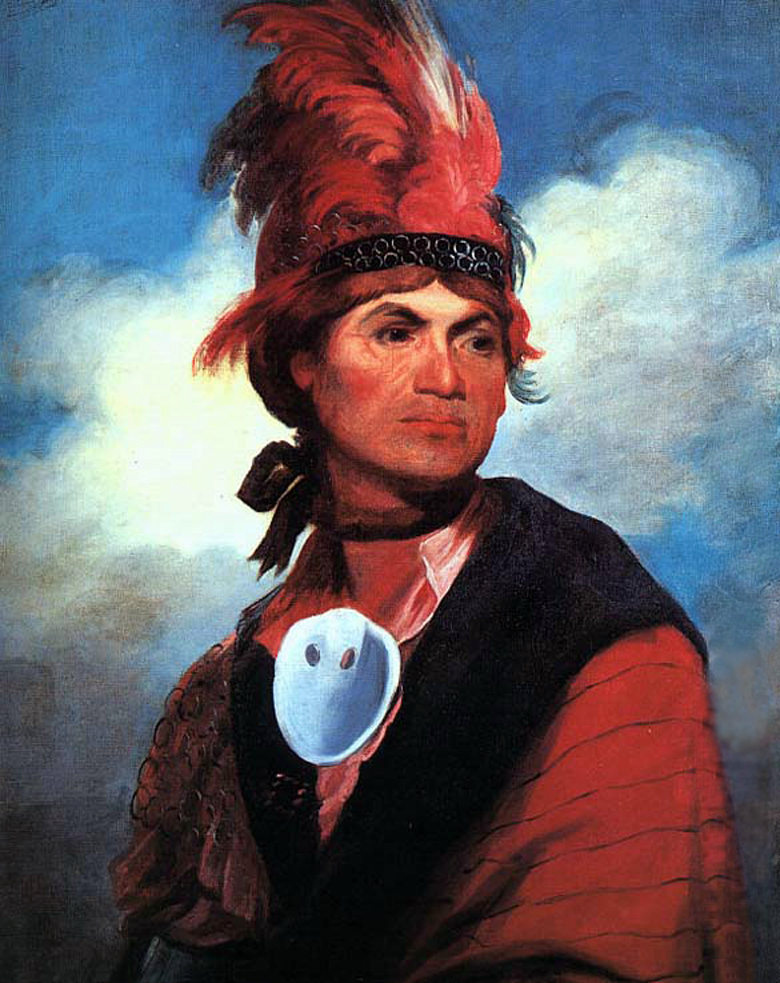
Joseph Brant by Gilbert Stuart
Gilbert Stuart · 1786
 Painting
Secondary source
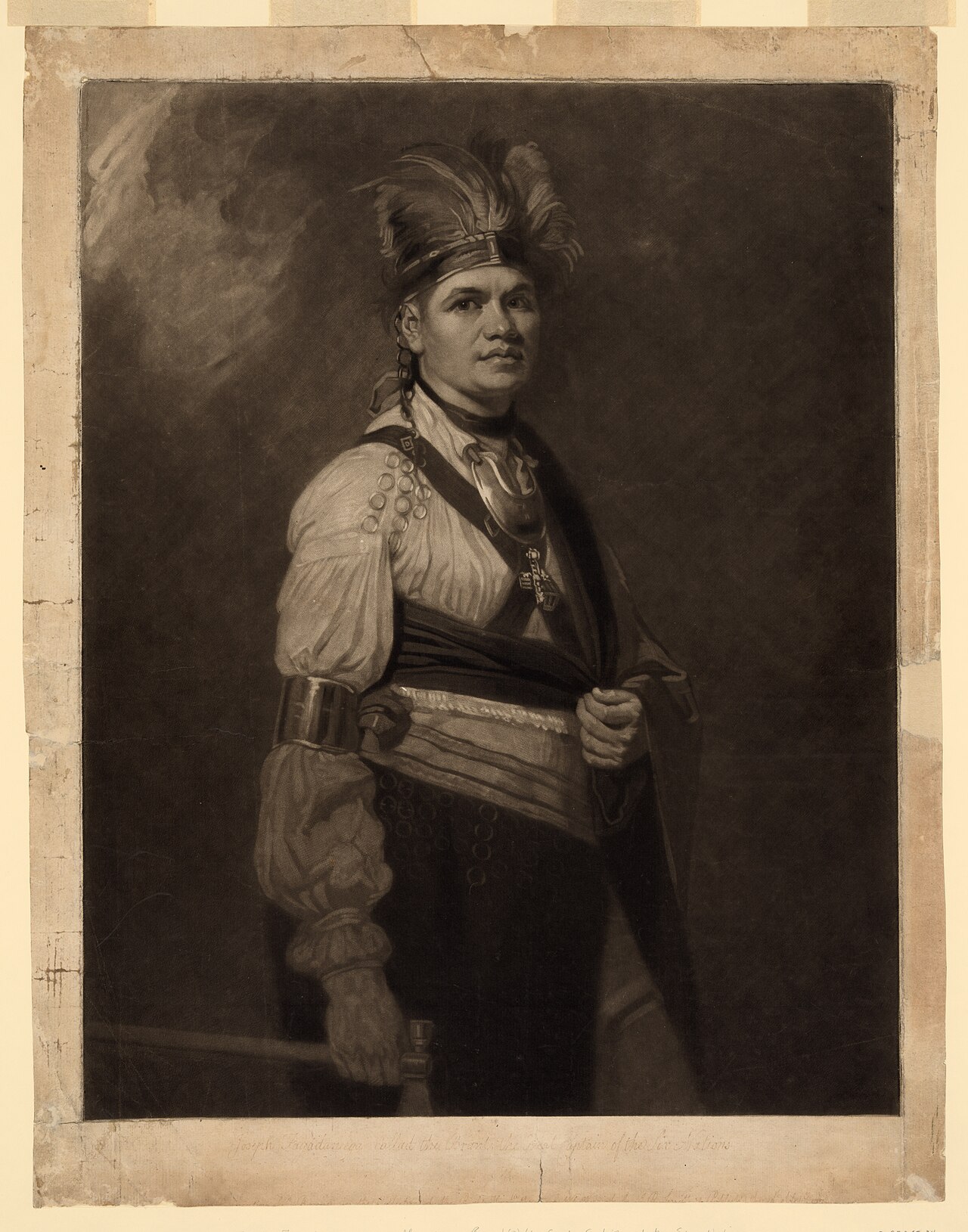
Joseph Fayadaneega, called the Brant, the Great Captain of the Six Nations
John Raphael Smith, after George Romney · 1779
 Painting
Primary source
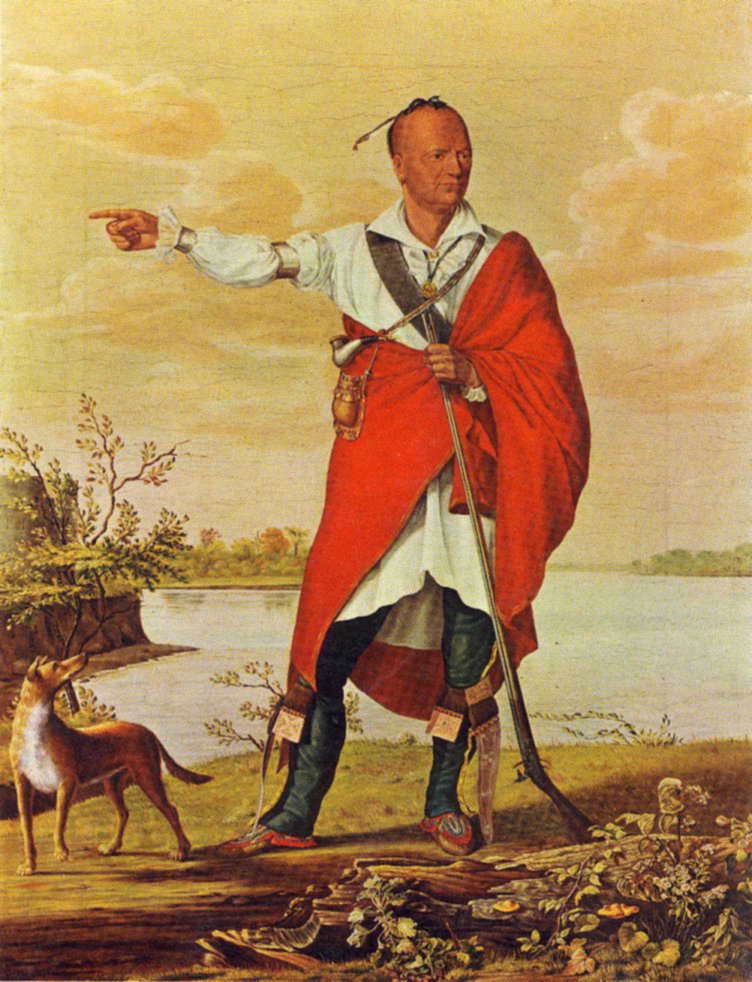
Joseph Brant by Ezra Ames
Ezra Ames · 1806
 Painting
Primary source
Joseph Brant by William Berczy
William Berczy · c. 1807
Ready when you are
Start chatting with Joseph Brant (Thayendanegea) now.
20 messages free · No credit card · Available in 50+ languages.