


Secondary sourceArtifact1127
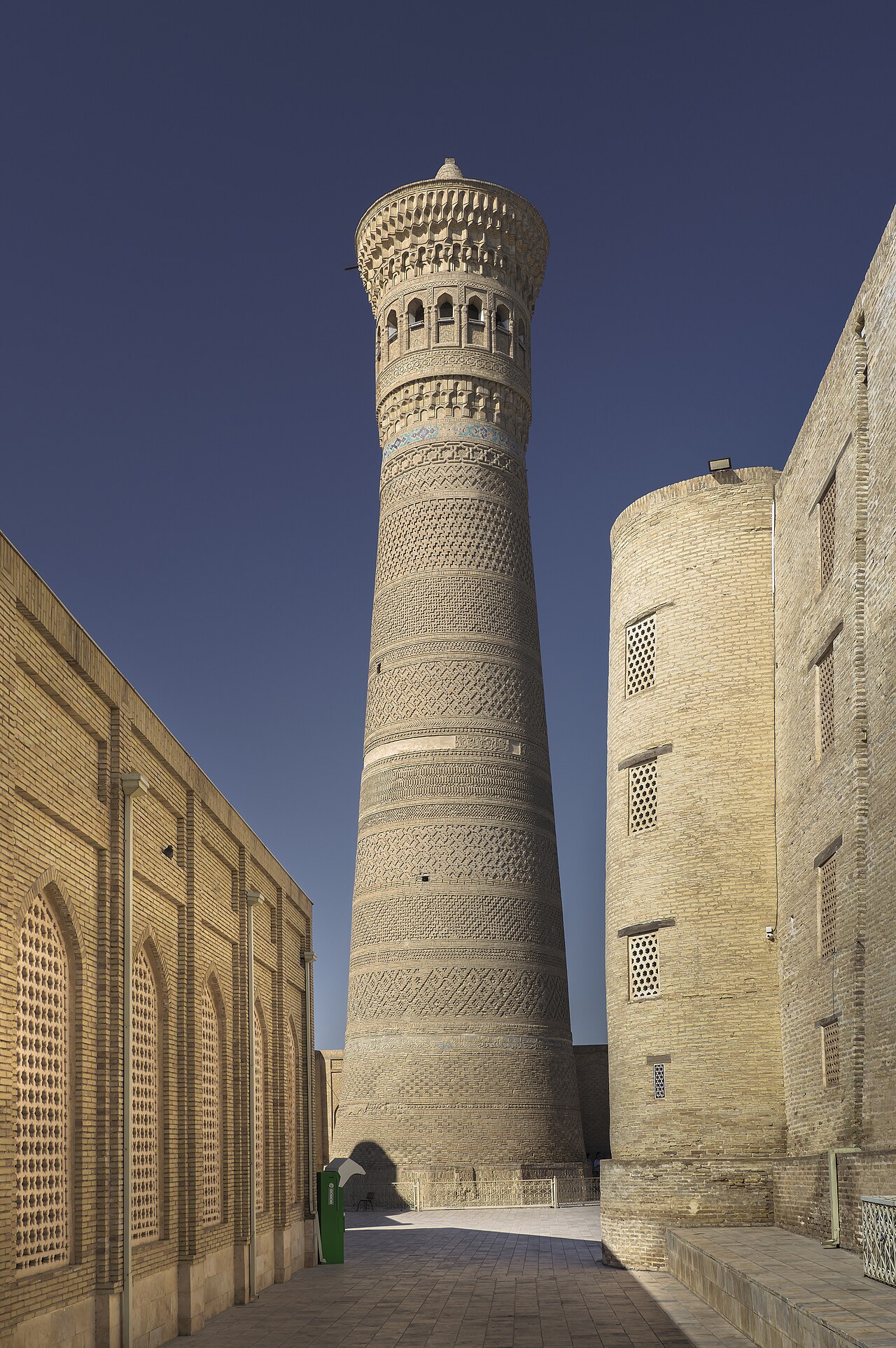
Kalyan Minaret
Bako · 1127
A 12th-century minaret in Bukhara that survived Genghis Khan's 1220 destruction of the city, reportedly because it impressed him.
Legend says Genghis Khan spared this tower during his destruction of Bukhara, making it a rare survivor of his conquest.
About this source
What it is
The Kalyan Minaret is a tall brick tower built in 1127 in Bukhara, then part of the Qarakhanid state, by order of ruler Arslan Khan Muhammad and designed by the architect Bako. It stands beside the Kalyan Mosque and was used to call people to prayer and as a watchtower.
Why it matters
When Genghis Khan's armies sacked Bukhara in 1220, almost everything around the minaret was destroyed. According to tradition, the tower so impressed Genghis Khan that he ordered it spared. It is one of the few structures from before the Mongol conquest still standing in the city, and later it gained a grim nickname, the Tower of Death, for its use as a site of execution.
Look closer
- What does it mean that a conqueror who destroyed a whole city chose to spare one building?
- Why might later generations have passed down this story about Genghis Khan admiring the tower?
- What does the minaret's survival tell us about which parts of history get preserved and which are erased?
This artifact is part of the curated material that grounds the AI version of Genghis Khan on Humy.ai — when students ask about related events, the AI can quote it and cite it.
More Genghis Khan sources
Meet the AI Genghis Khan → Book
Secondary source
The Secret History of the Mongols
c. 1228 (completed after 1227)
 Painting
Secondary source
Portrait of Genghis Khan
Unknown Yuan court painter
 Book
Secondary source
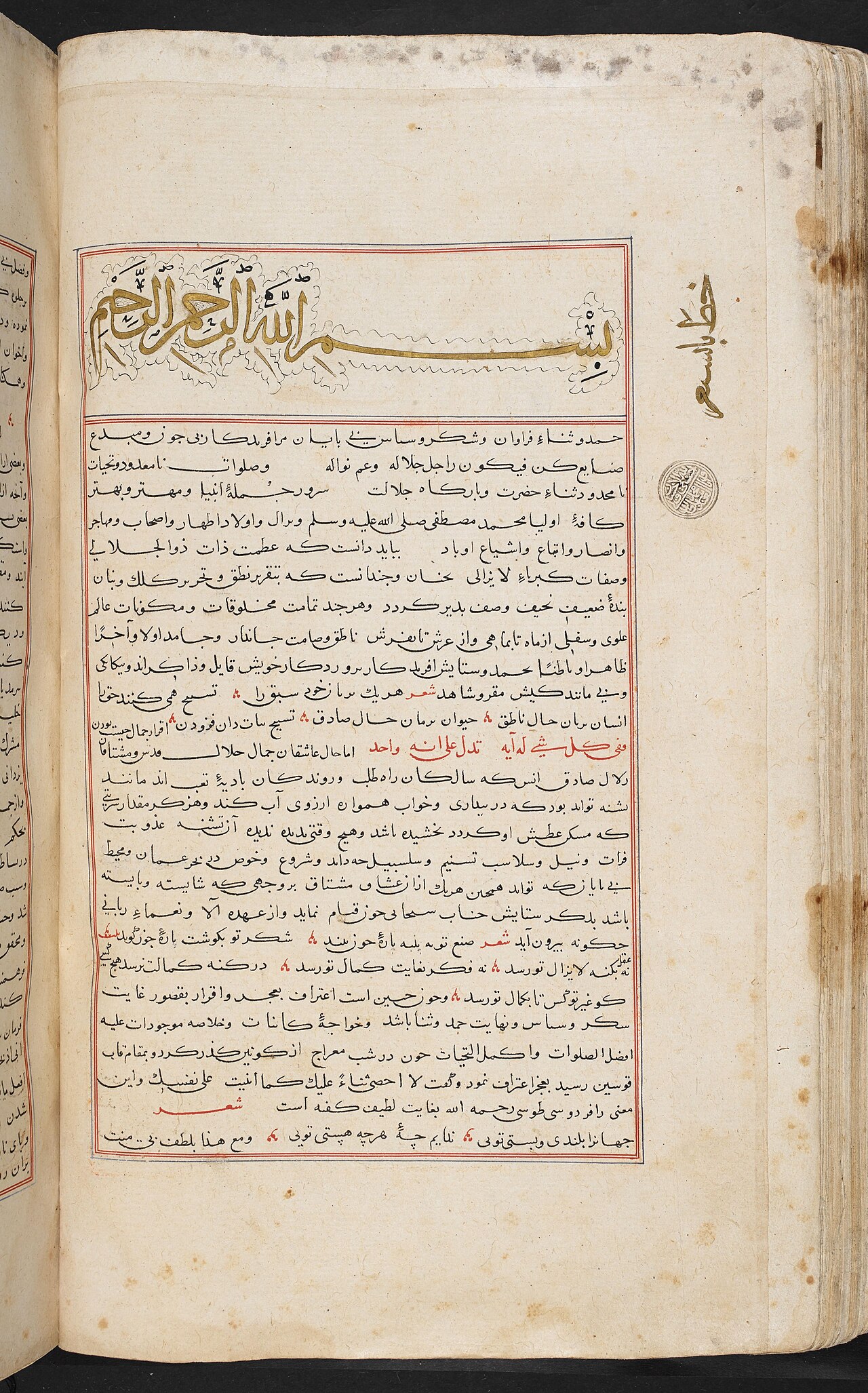
Tarikh-i Jahangushay-i Juvaini
Ata-Malik Juvayni
 Book
Secondary source
Jami' al-tawarikh
Rashid al-Din Hamadani · c. 1400 (manuscript copy)
 Artifact
Primary source
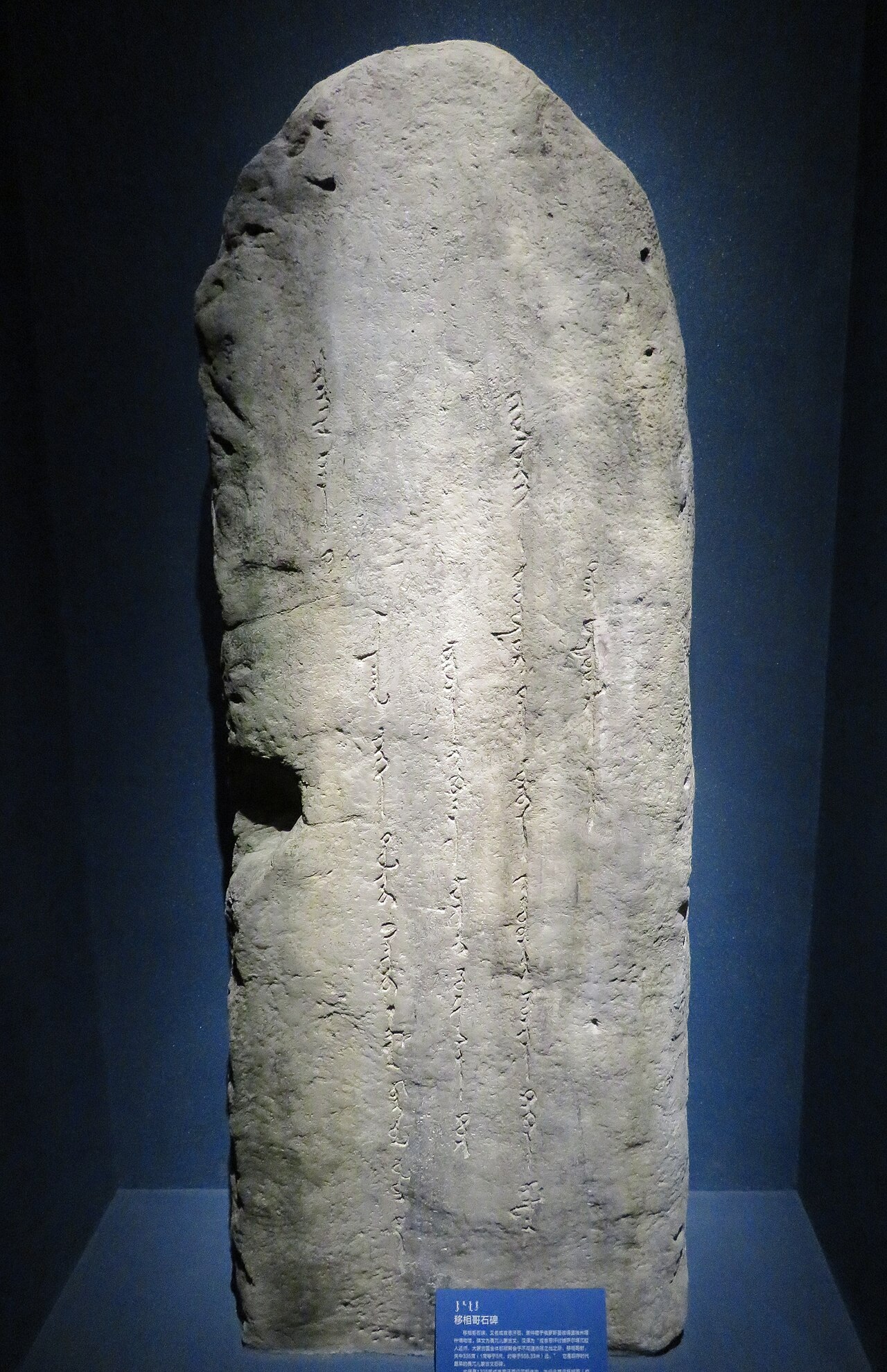
Stele of Genghis Khan
c. 1224-1225
Ready when you are
Start chatting with Genghis Khan now.
20 messages free · No credit card · Available in 50+ languages.