


Primary sourceDocument1629
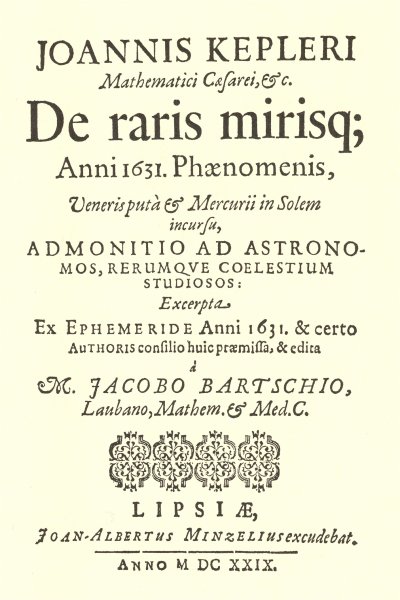
Kepler's 1631 notice of the transits of Mercury and Venus
Johannes Kepler · 1629
Kepler's printed prediction of the 1631 transits of Mercury and Venus across the Sun, confirmed after his death.
Kepler wrote this notice himself, predicting the 1631 transits that were confirmed after his death and vindicated his tables.
About this source
What it is
This is a printed notice titled De raris mirisq; Anni 1631 Phaenomenis, with the subtitle Admonitio ad astronomos, written by Johannes Kepler and published at Leipzig by Joan-Albertus Minzelius.
Why it matters
In this notice, Kepler predicted that the planets Mercury and Venus would pass across the face of the Sun in 1631, rare events known as transits. These predictions were based on his astronomical tables and calculations. After Kepler's death, the transits were indeed observed as he had predicted, confirming the accuracy of his astronomical tables and vindicating his life's work in calculating planetary motion.
Look closer
- Why would predicting a future celestial event be a strong test of an astronomer's calculations?
- What does it mean that Kepler's predictions were confirmed only after he had died?
- How might this notice have been used by other astronomers at the time?
This document is part of the curated material that grounds the AI version of Johannes Kepler on Humy.ai — when students ask about related events, the AI can quote it and cite it.
More Johannes Kepler sources
Browse all 75 →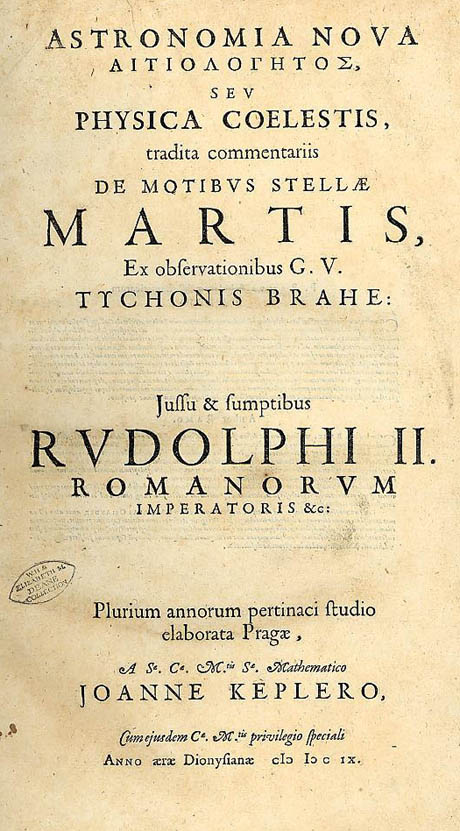 Book
Secondary source
Astronomia Nova
Johannes Kepler · 1609
 Book
Primary source
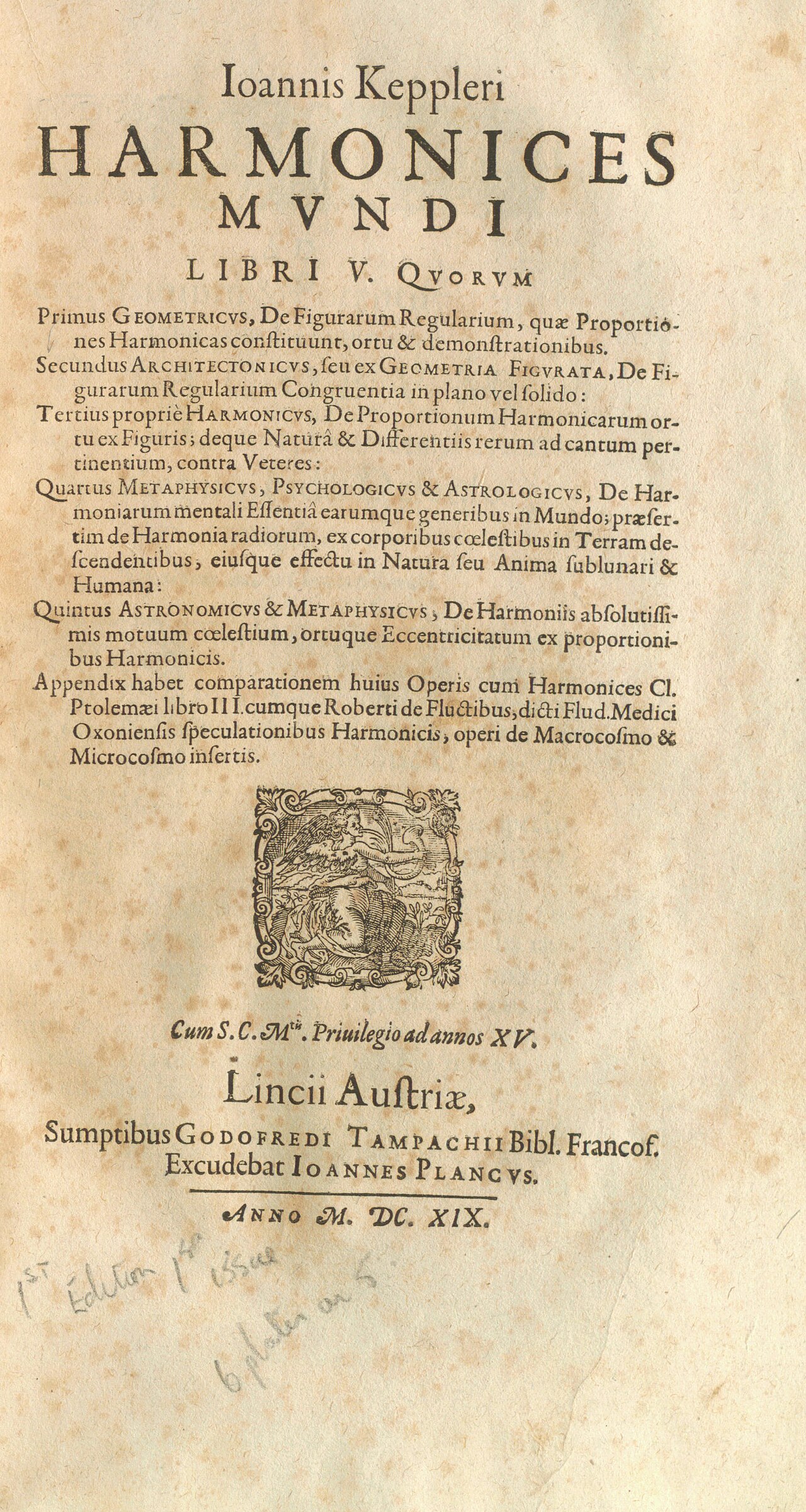
Harmonices Mundi
Johannes Kepler · 1619
 Book
Secondary source
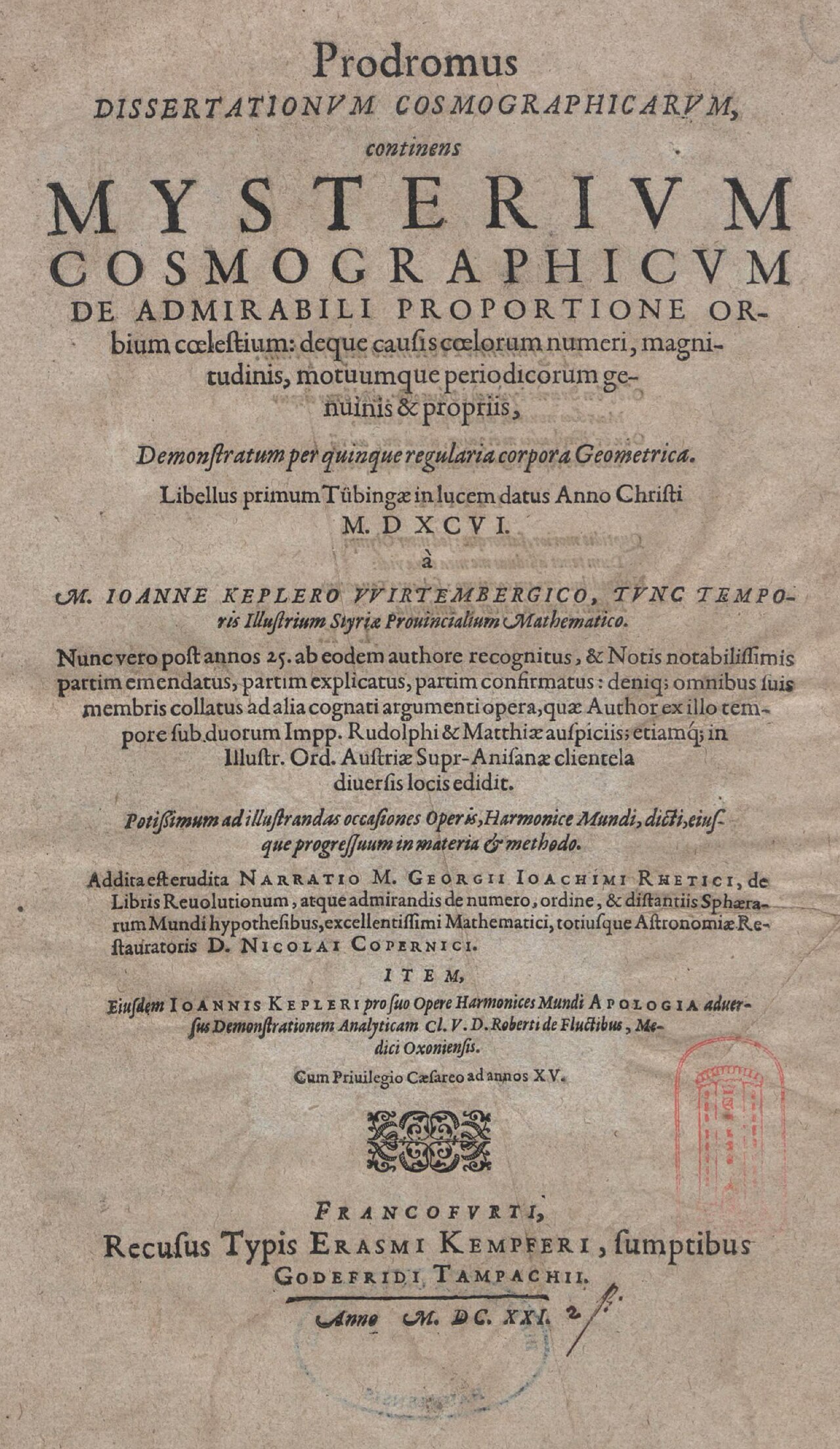
Mysterium Cosmographicum
Johannes Kepler · 1596 (2nd edition 1621)
Secondary source
The Martyrs of Science: Galileo, Tycho Brahe and Kepler
David Brewster
Free account
Read every Johannes Kepler source
Sign up free →
Ready when you are
Start chatting with Johannes Kepler now.
20 messages free · No credit card · Available in 50+ languages.