


Primary sourceArtifact1888–1894
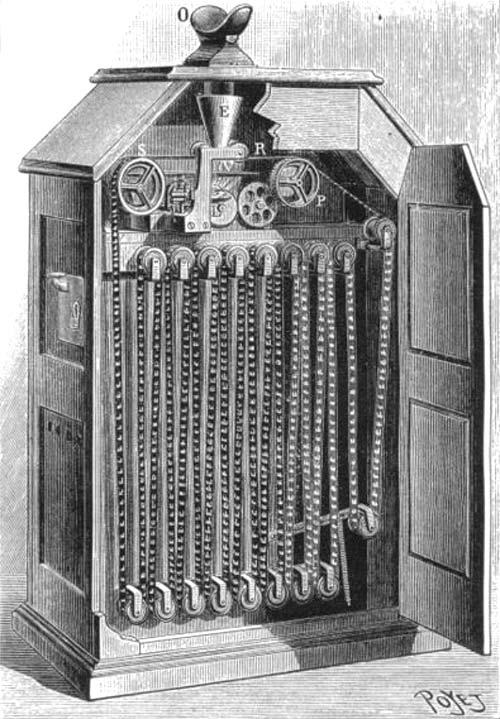
Kinetoscope
Thomas Edison; William Kennedy Laurie Dickson · 1888–1894
An early motion-picture viewing device developed at Edison's laboratory, letting one person at a time watch a moving image.
Edison conceived and gave his name to this device, though his employee Dickson did much of the actual development.
About this source
What it is
The Kinetoscope was an early motion picture exhibition device, viewed by one person at a time through a peephole. First described by Thomas Edison in 1888, it was largely developed by his employee William Kennedy Laurie Dickson between 1889 and 1892 at Edison's New Jersey laboratory. It created the illusion of movement by passing a strip of film over a light source.
Why it matters
Although Edison is credited as the inventor, historians agree that Dickson did much of the practical experimentation while Edison supervised. The device introduced the basic approach later used in all film projection, making it a key step toward cinema. Its commercial exhibitions, starting in 1894, show Edison's laboratory moving entertainment technology from laboratory experiment to paying public spectacle.
Look closer
- Why might Edison have taken full credit for an invention that historians say was mostly developed by Dickson?
- What does viewing through a single peephole, rather than a projected screen, tell you about early film-viewing experiences?
- What encouraged Edison to develop this device — business opportunity, scientific curiosity, or both?
This artifact is part of the curated material that grounds the AI version of Thomas Edison on Humy.ai — when students ask about related events, the AI can quote it and cite it.
More Thomas Edison sources
Meet the AI Thomas Edison →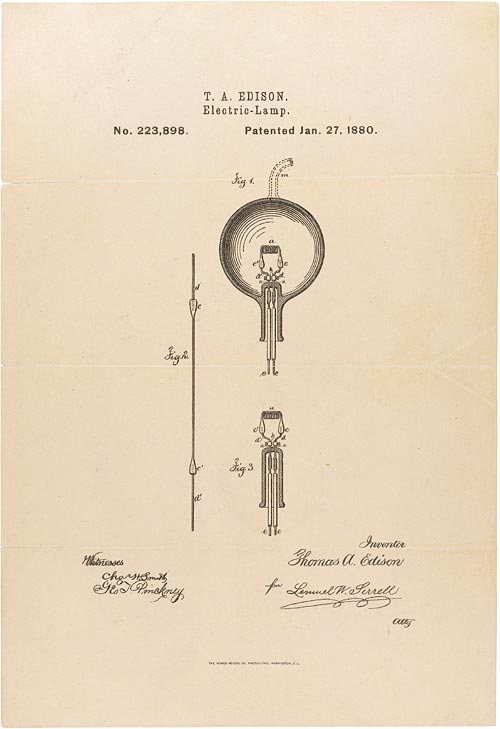 Document
Primary source
Thomas Edison's Patent Application for the Light Bulb
Thomas Edison · 27 January 1880
Primary source
Around the World on the Phonograph
Thomas Edison · c. late October 1888
 Artifact
Primary source
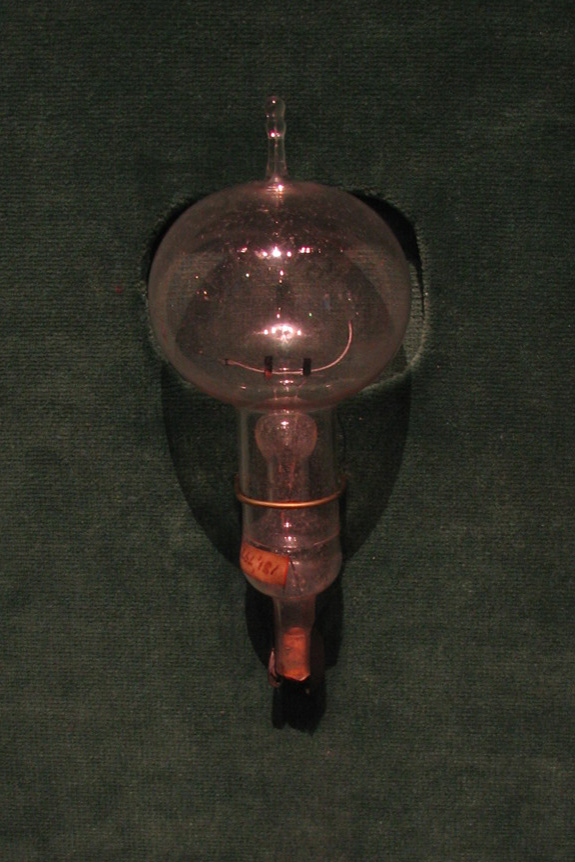
Edison Carbon-Filament Incandescent Lamp
Thomas Edison · 1879-1880
 Photograph
Primary source
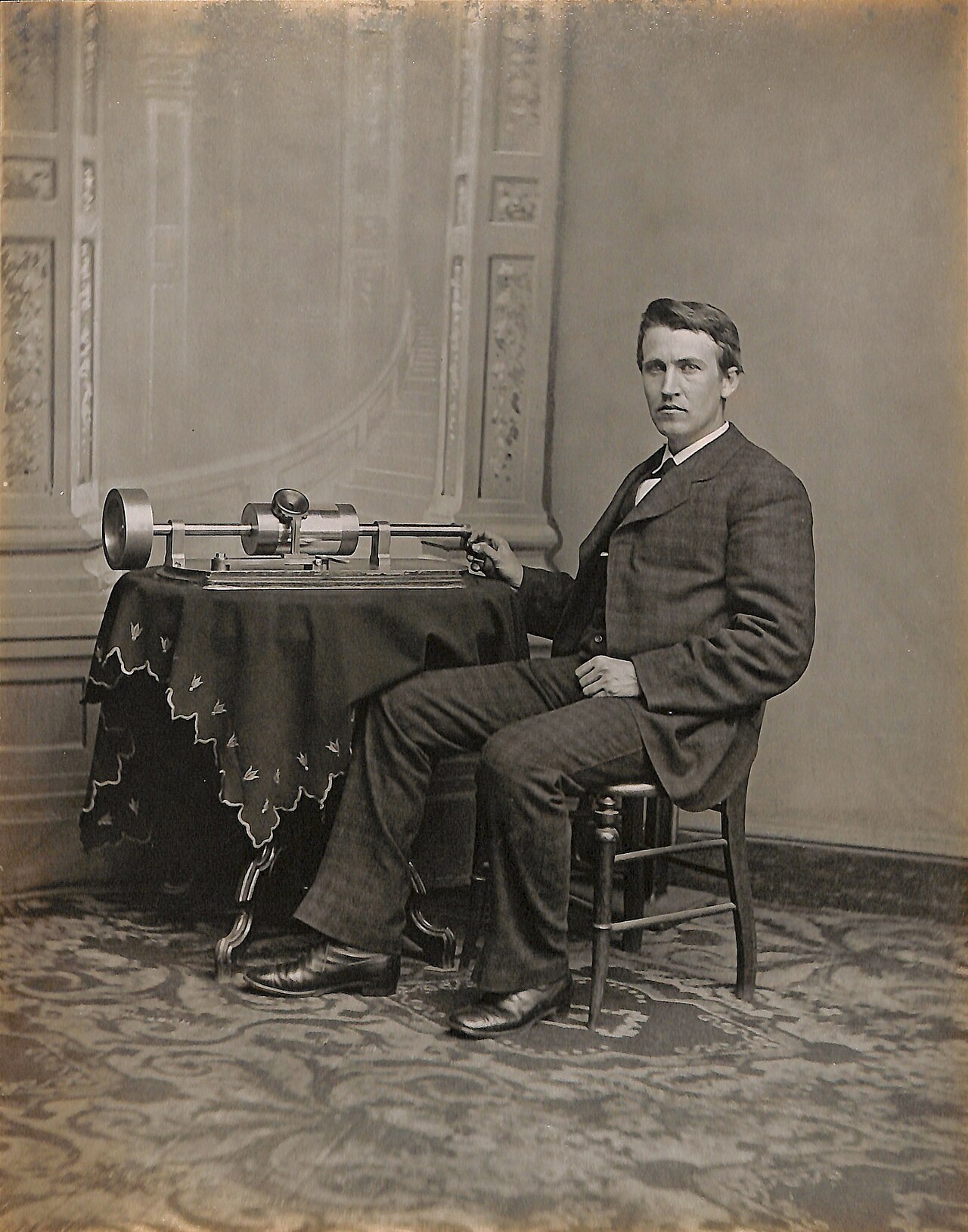
Thomas Edison with His Phonograph
Mathew Brady studio · April 1878
 Documentary
Primary source
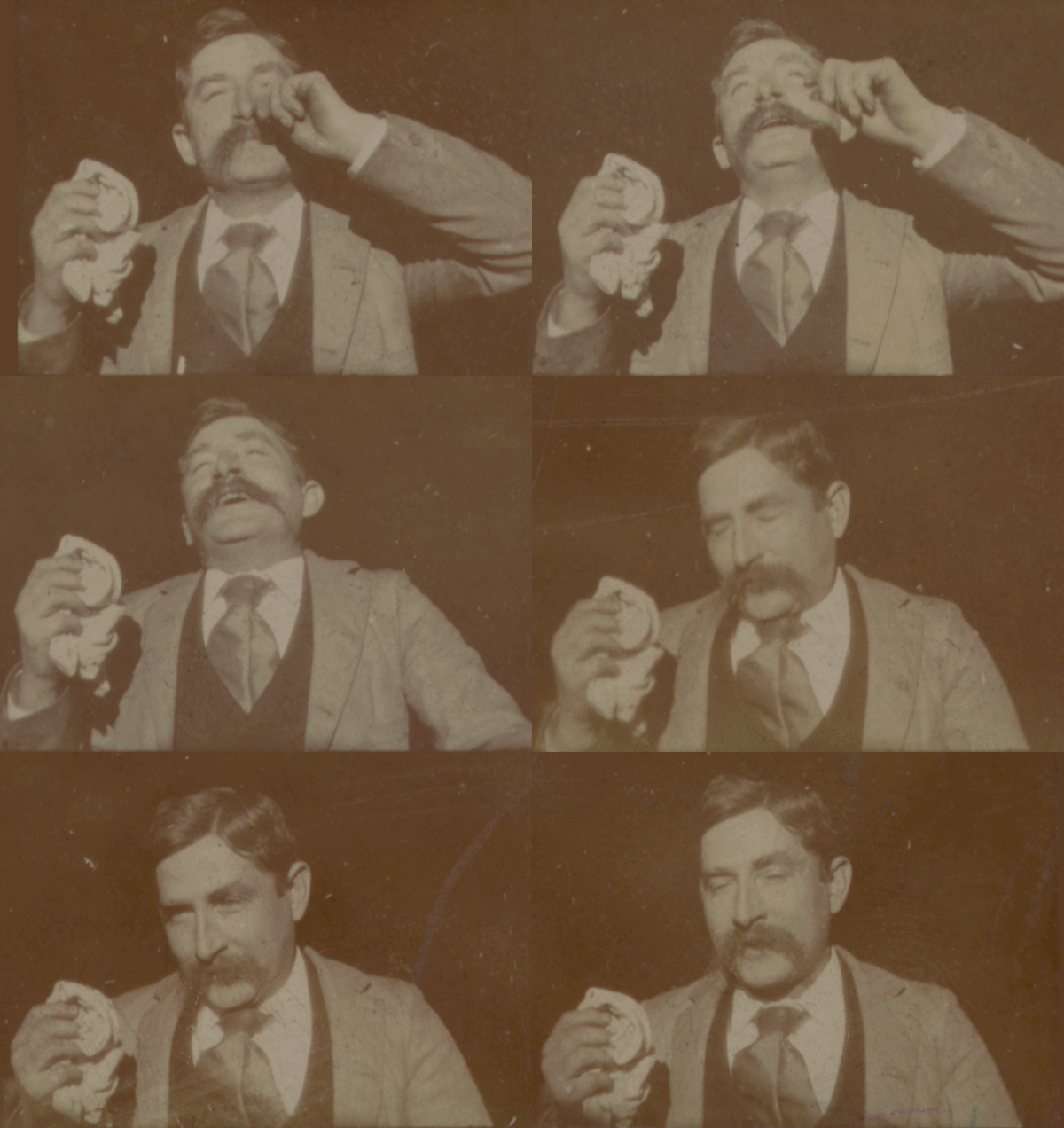
Fred Ott's Sneeze
William Kennedy Dickson · 1894
Ready when you are
Start chatting with Thomas Edison now.
20 messages free · No credit card · Available in 50+ languages.