


Secondary sourceArtifact
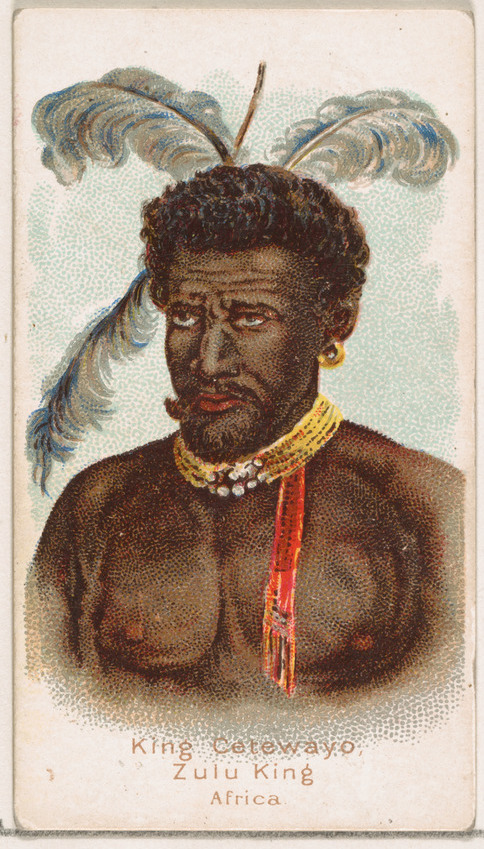
King Cetewayo, Zulu King, Africa
William S. Kimball & Company
A chromolithograph trading card from the racist 'Savage and Semi-Barbarous Chiefs and Rulers' series, depicting Cetshwayo as a commercial stereotype.
This card reduced Cetshwayo to a racist commercial stereotype decades after his reign, revealing colonial attitudes toward him.
About this source
What it is
This is a chromolithograph trading card issued by William S. Kimball & Company, part of a series called "Savage and Semi-Barbarous Chiefs and Rulers." It shows a bare-chested man identified as King Cetewayo, with feathers in his hair and a beaded collar, captioned with his name and title.
Why it matters
This card was made after Cetshwayo's reign, as part of a commercial series that packaged non-European rulers as exotic curiosities for cigarette-buying consumers. It reveals how colonial-era American and British culture reduced real historical figures like Cetshwayo to racist stereotypes for entertainment and marketing.
Look closer
- What does the series title tell you about the attitudes of the people who made this card?
- How does this image compare to photographs of Cetshwayo taken during his lifetime?
- What is lost when a real king becomes a character in a trading card series?
This artifact is part of the curated material that grounds the AI version of Cetshwayo kaMpande on Humy.ai — when students ask about related events, the AI can quote it and cite it.
More Cetshwayo kaMpande sources
Meet the AI Cetshwayo kaMpande →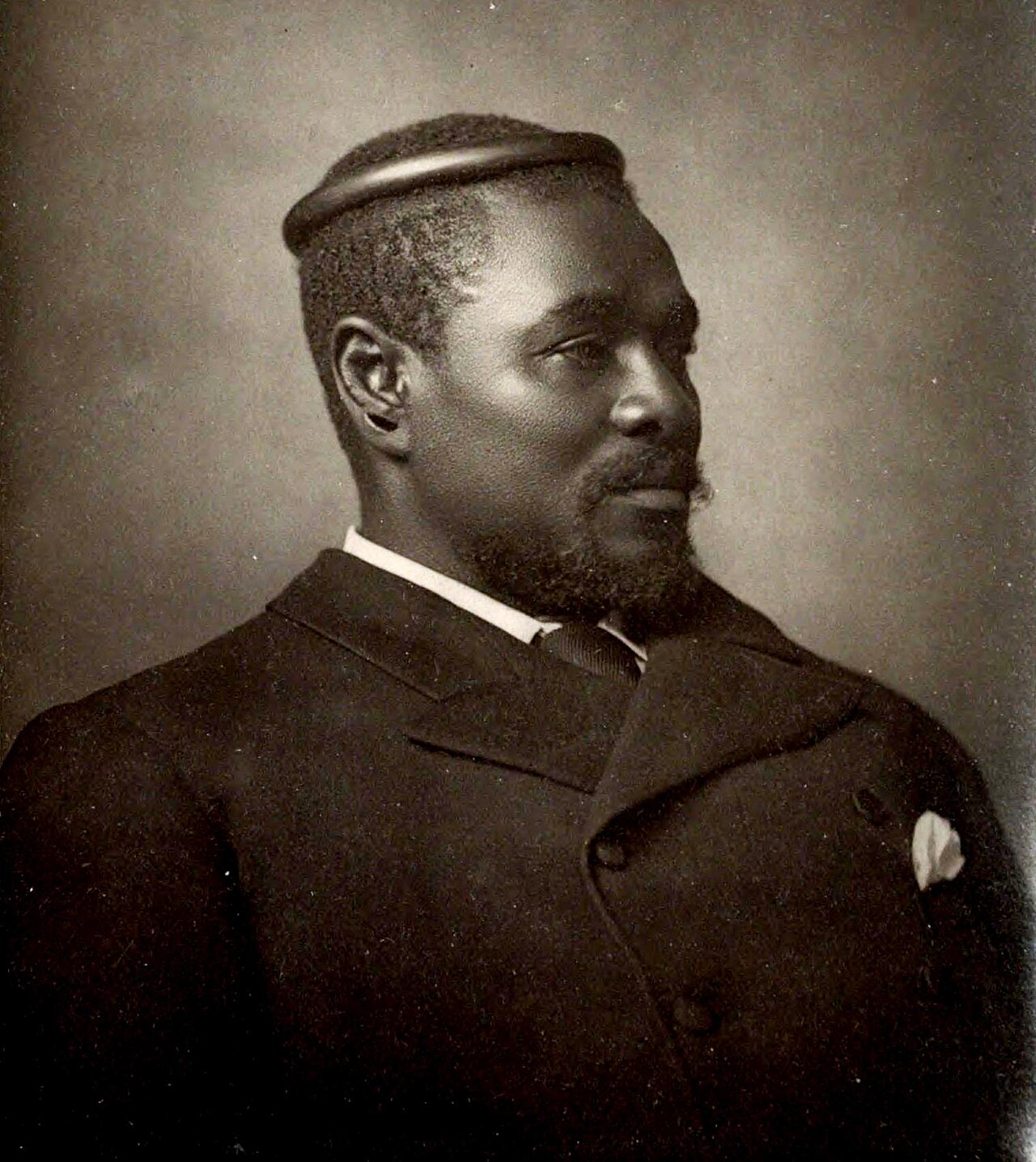 Photograph
Primary source
Portrait of Cetshwayo kaMpande, London 1882
Alexander Bassano · 1882
 Photograph
Primary source
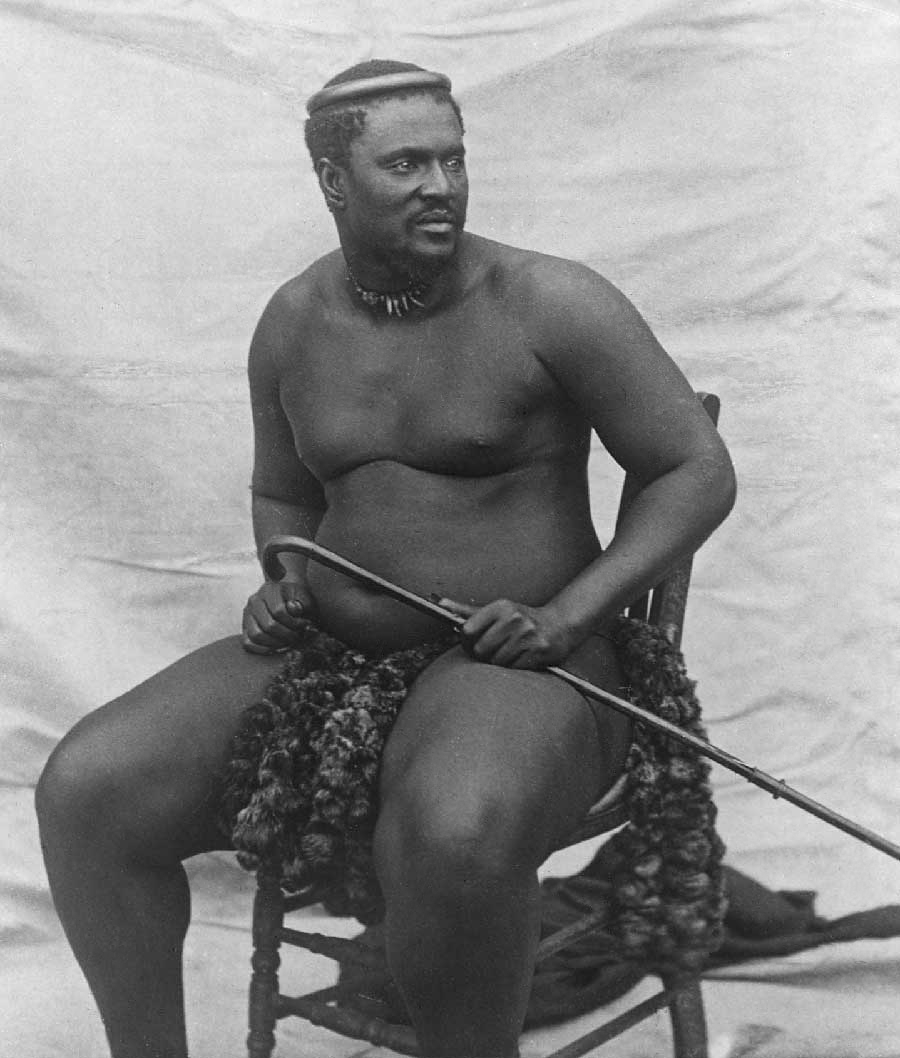
Photograph of Cetshwayo kaMpande, c. 1875
c. 1875
 Painting
Primary source
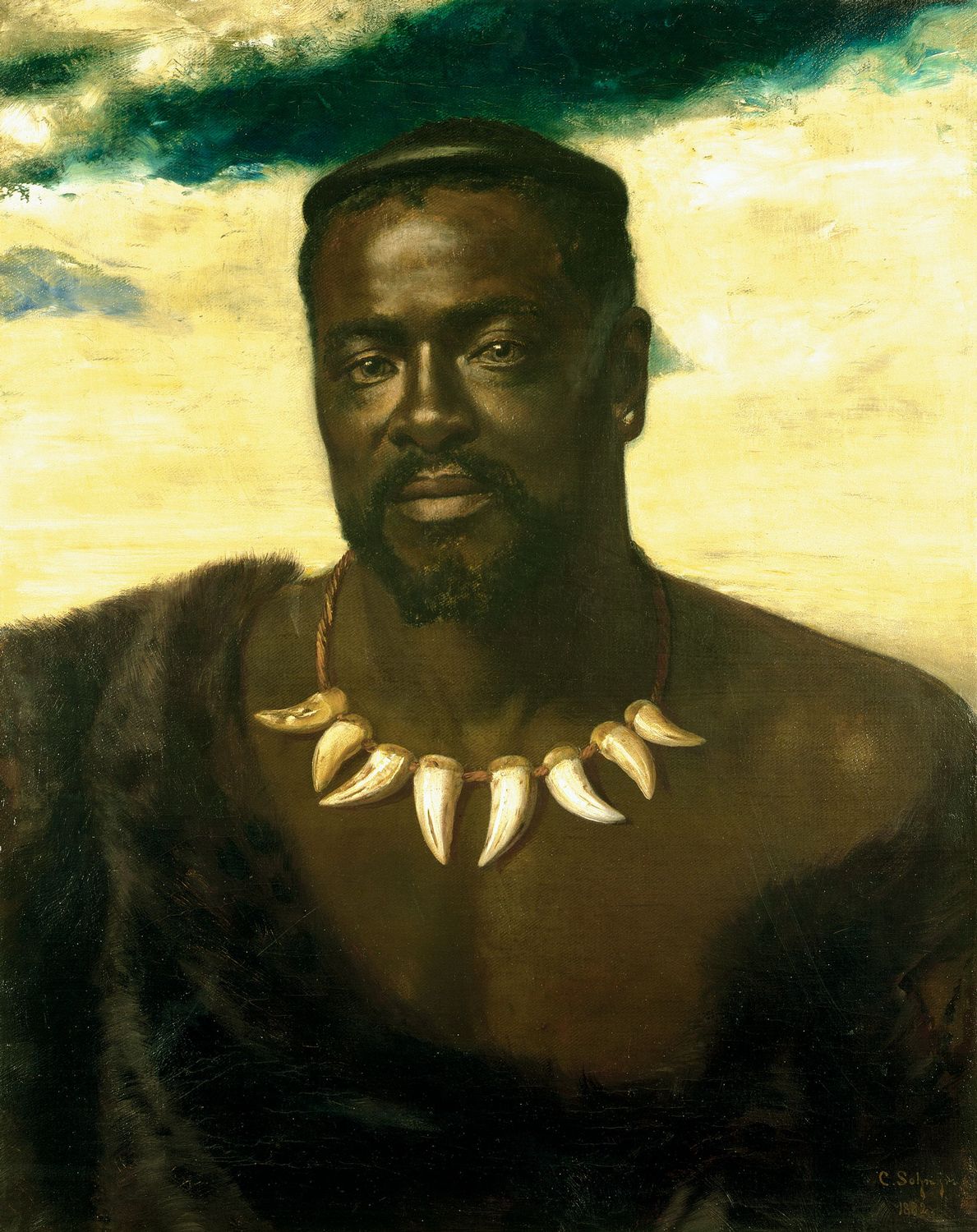
Cetshwayo, King of the Zulus
Carl Rudolph Sohn · 1882
 Painting
Primary source
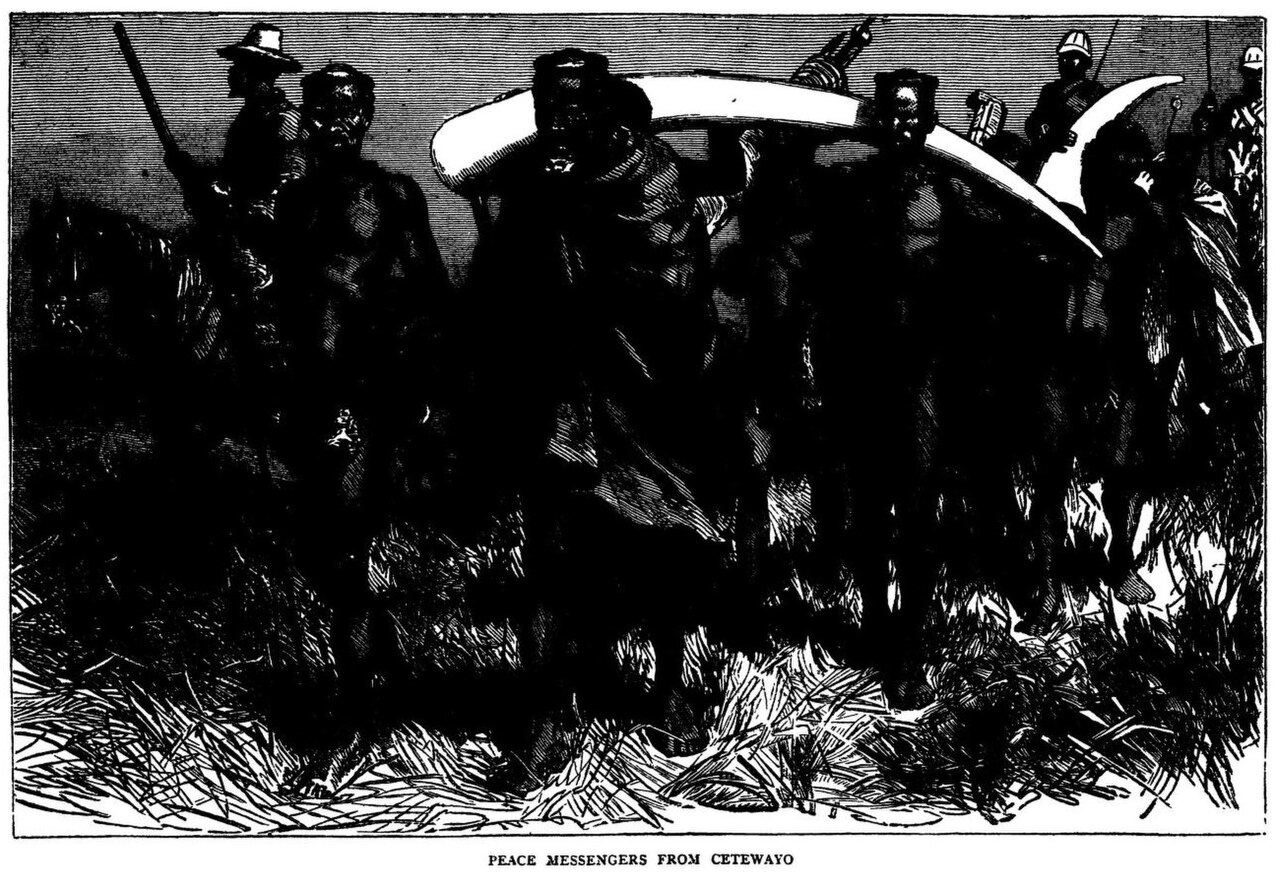
Peace Messengers from Cetawayo
1879
Secondary source
History of the Zulu War and Its Origin
Frances Ellen Colenso and Edward Durnford · 1880
Ready when you are
Start chatting with Cetshwayo kaMpande now.
20 messages free · No credit card · Available in 50+ languages.