


Secondary sourceArtifact
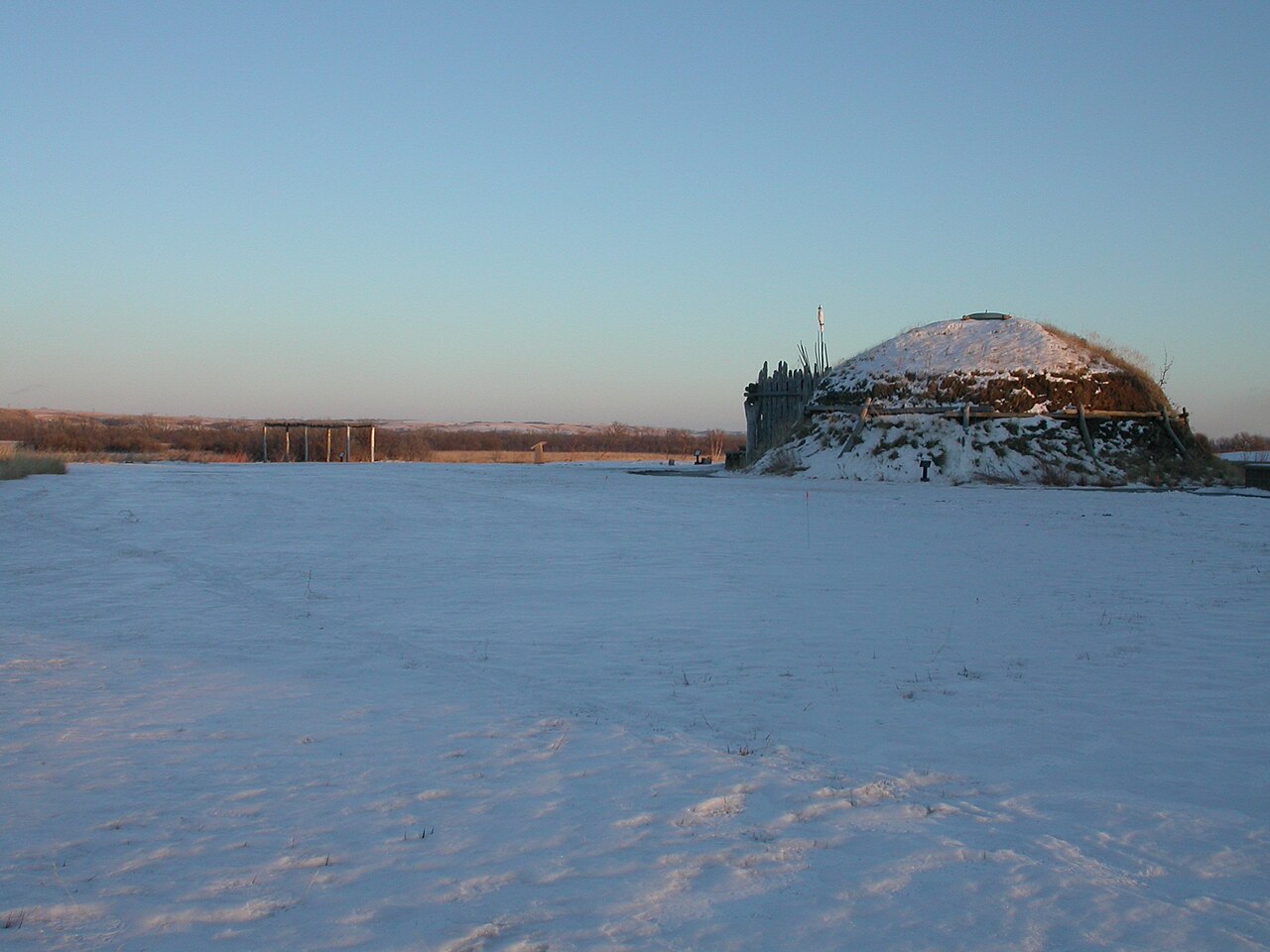
Knife River Indian Villages National Historic Site
Archaeological remains of Hidatsa earthlodge villages in North Dakota, where Sacagawea was living when she was hired as interpreter for the Lewis and Clark Expedition.
This is the site where Sacagawea was living when her husband was hired for the Lewis and Clark Expedition.
About this source
What it is
This historic site in North Dakota preserves the remains of earthlodge villages built by the Hidatsa people, including large circular house depressions, cache pits and travois trails. The site was established as a National Historic Site in 1974.
Why it matters
Sacagawea, a captured Shoshone woman, was living in one of these villages when Meriwether Lewis and William Clark hired her husband in 1804. Her presence on the expedition helped the explorers communicate and signaled to other tribes that the group was not a war party. The villages also show the importance of Native trading networks across the Plains before diseases like smallpox devastated the population.
Look closer
- What can the shape of the ground tell you about how people lived here?
- Why might an empty, snowy field be chosen to represent this history today?
- What is missing from a photograph of ruins that a written record might tell you?
This artifact is part of the curated material that grounds the AI version of Sacajawea on Humy.ai — when students ask about related events, the AI can quote it and cite it.
More Sacajawea sources
Meet the AI Sacajawea →Primary source
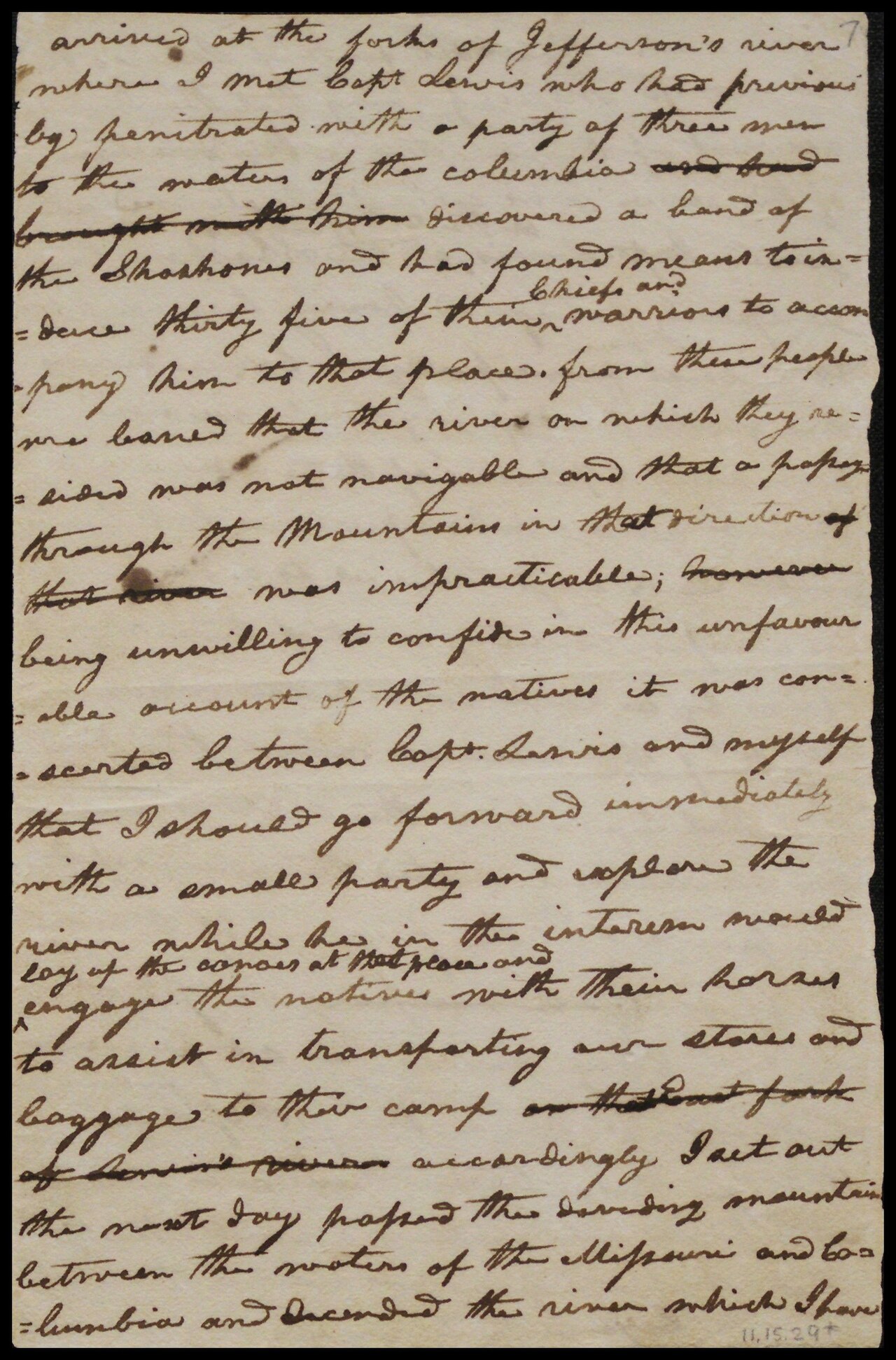
Journals of the Lewis and Clark Expedition
Meriwether Lewis and William Clark · 1804–1806
 Letter
Primary source
William Clark's Letter to Toussaint Charbonneau
William Clark · 20 August 1806
 Document
Primary source
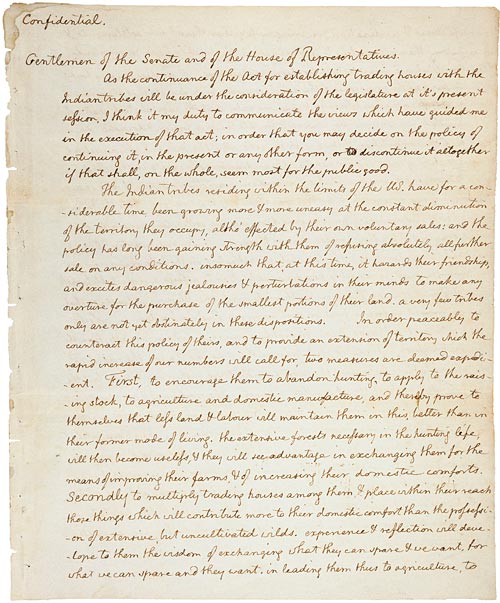
Jefferson's Secret Message to Congress Regarding the Lewis and Clark Expedition
Thomas Jefferson · 18 January 1803
Primary source
Louisiana Purchase Treaty
30 April 1803
 Artifact
Primary source
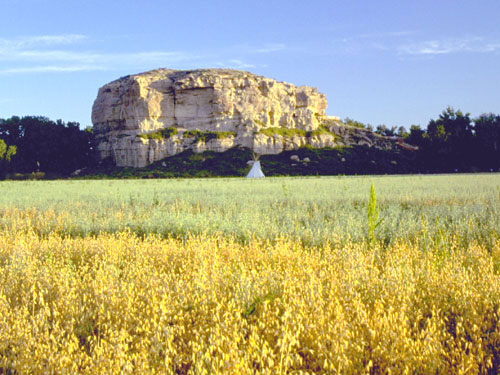
Pompeys Pillar National Monument
William Clark · carved 25 July 1806; designated monument 2001
Ready when you are
Start chatting with Sacajawea now.
20 messages free · No credit card · Available in 50+ languages.