


Secondary sourcePainting
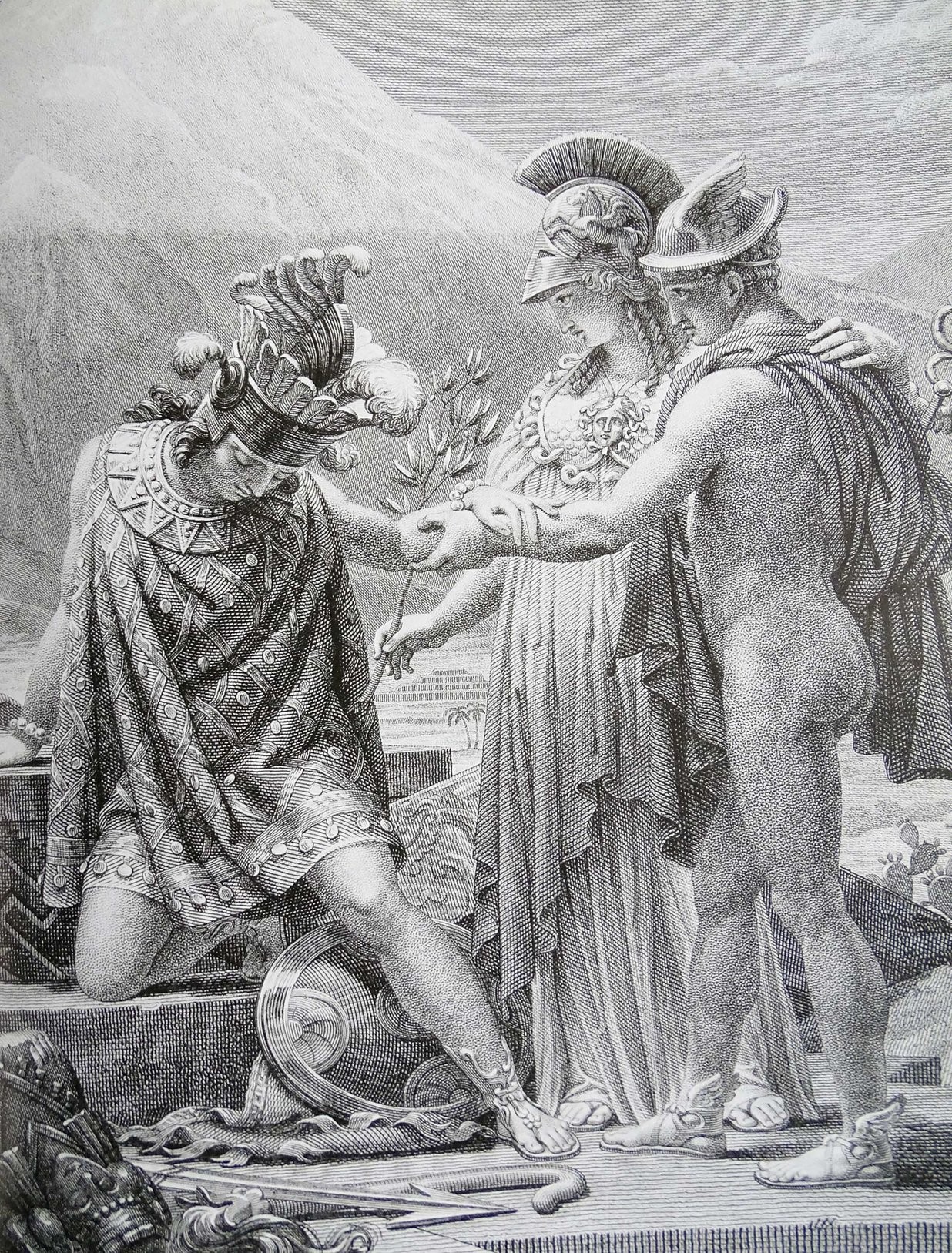
La sabiduría, junto con la elocuencia, sacan a Atahualpa del sepulcro
François Gérard
An allegorical Enlightenment-era engraving showing Atahualpa raised from his tomb by figures representing wisdom and eloquence.
This allegorical image recasts Atahualpa as a symbolic figure of wronged nobility rather than a historical portrait.
About this source
What it is
This is an engraving by François Gérard showing a seated man in Andean dress, identified as Atahualpa, on a tomb-like platform, flanked by two allegorical figures representing wisdom and eloquence.
Why it matters
The image is not a historical record but a symbolic illustration, likely made to accompany Enlightenment-era writing that cast Atahualpa as a wronged and noble ruler. It shows how European thinkers used his story to make moral and political arguments about tyranny and justice, often reshaping him to fit their own ideas.
Look closer
- What do the symbols held by the figures around Atahualpa suggest about the artist's message?
- Why might Enlightenment writers be drawn to the story of a distant Inca emperor?
- How does this image differ from a realistic historical portrait?
This painting is part of the curated material that grounds the AI version of Atahualpa on Humy.ai — when students ask about related events, the AI can quote it and cite it.
More Atahualpa sources
Browse all 68 →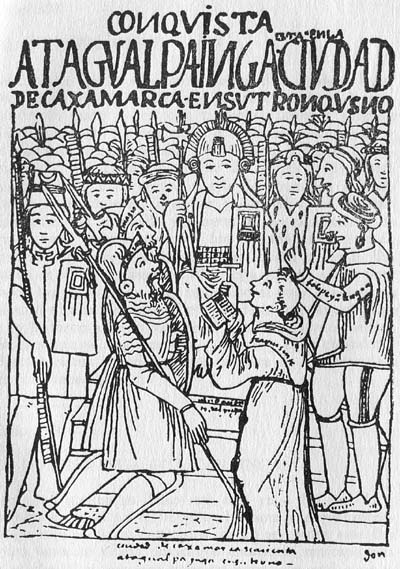 Painting
Secondary source
Atawallpa Pizarro tinkuy
Felipe Guaman Poma de Ayala · 1532 (depicted); drawing later
 Artifact
Secondary source
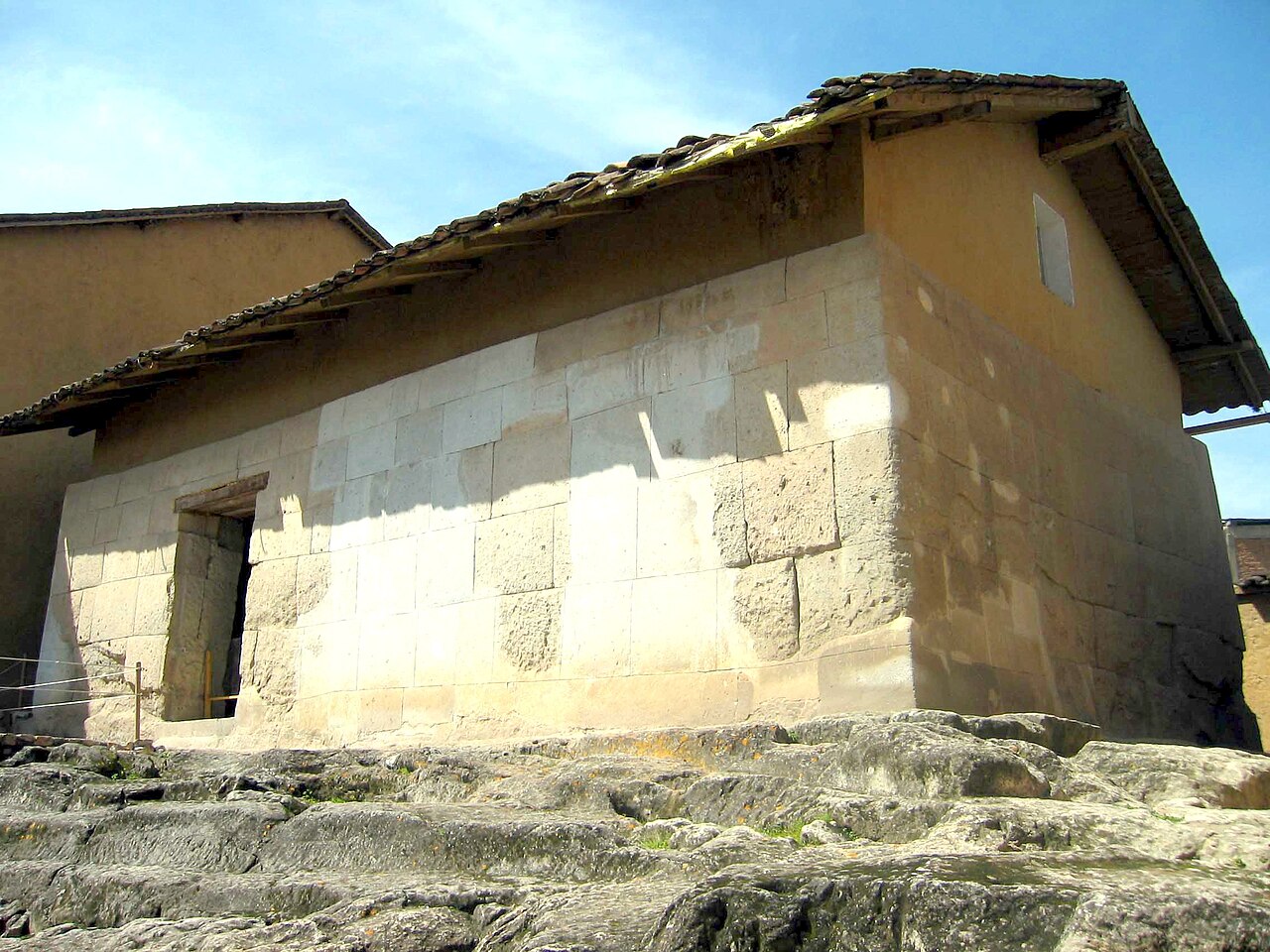
Ransom Room
Secondary source
Suma y Narración de los Incas
Juan de Betanzos · 1551
 Book
Secondary source
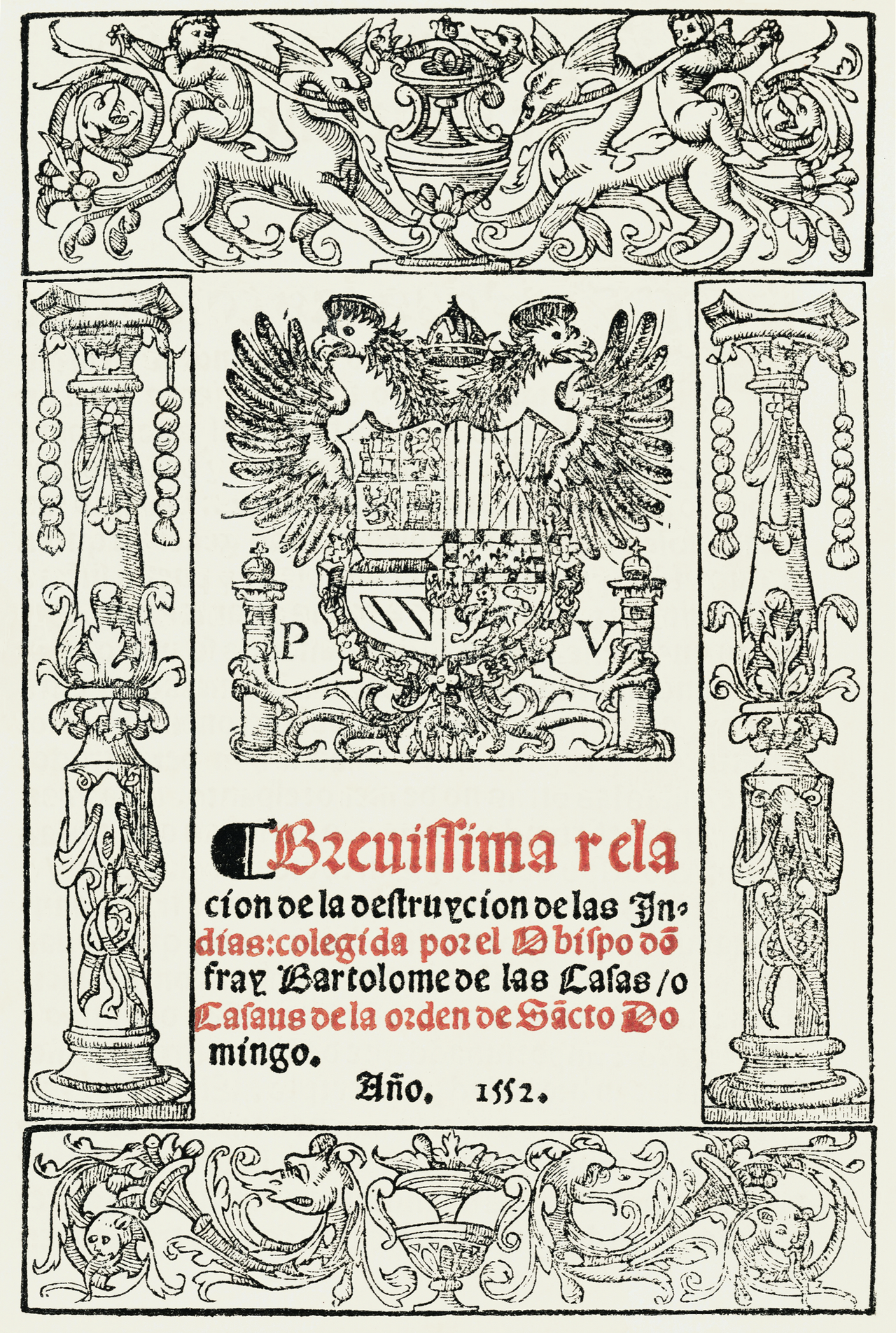
A Short Account of the Destruction of the Indies
Bartolomé de las Casas · 1552
Free account
Read every Atahualpa source
Sign up free →
Ready when you are
Start chatting with Atahualpa now.
20 messages free · No credit card · Available in 50+ languages.