


Primary sourceSculpture700-681 BCE
Lachish Reliefs
700-681 BCE
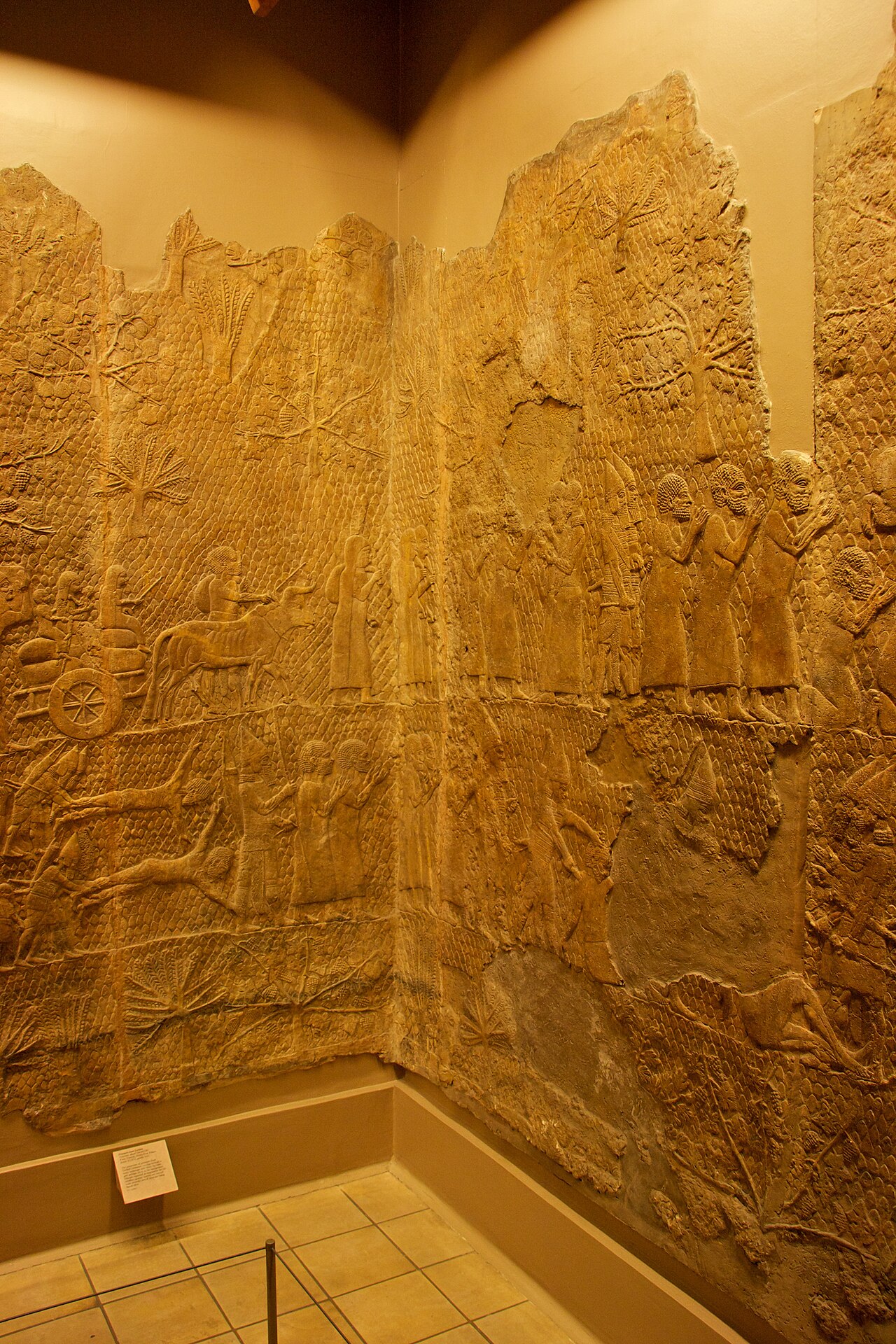
Assyrian palace reliefs depicting the siege of Lachish in Judah, an event recalled in the Book of Isaiah.
These reliefs depict the siege of Lachish, an event tied to the Assyrian crisis that Isaiah's prophecies address.
About this source
What it is
These carved stone reliefs, made between 700 and 681 BCE, decorated the South-West Palace of Sennacherib at Nineveh. They were discovered in the 1840s by Austen Henry Layard and are now in the British Museum. The reliefs show the Assyrian siege and conquest of the Judahite city of Lachish in 701 BCE.
Why it matters
Lachish's fall is remembered in the Book of Isaiah, where messengers are sent from the city during Sennacherib's campaign against Judah. The reliefs, made for the Assyrian king, show how the Assyrians themselves wanted to present their power and the defeat of their enemies, including scenes of deportation and execution.
Look closer
- Why would an Assyrian king want such violent scenes carved on his palace walls?
- What is shown about ordinary people versus those singled out for punishment?
- What does the relief leave out compared to the biblical account of these events?
This sculpture is part of the curated material that grounds the AI version of Isaiah on Humy.ai — when students ask about related events, the AI can quote it and cite it.
More Isaiah sources
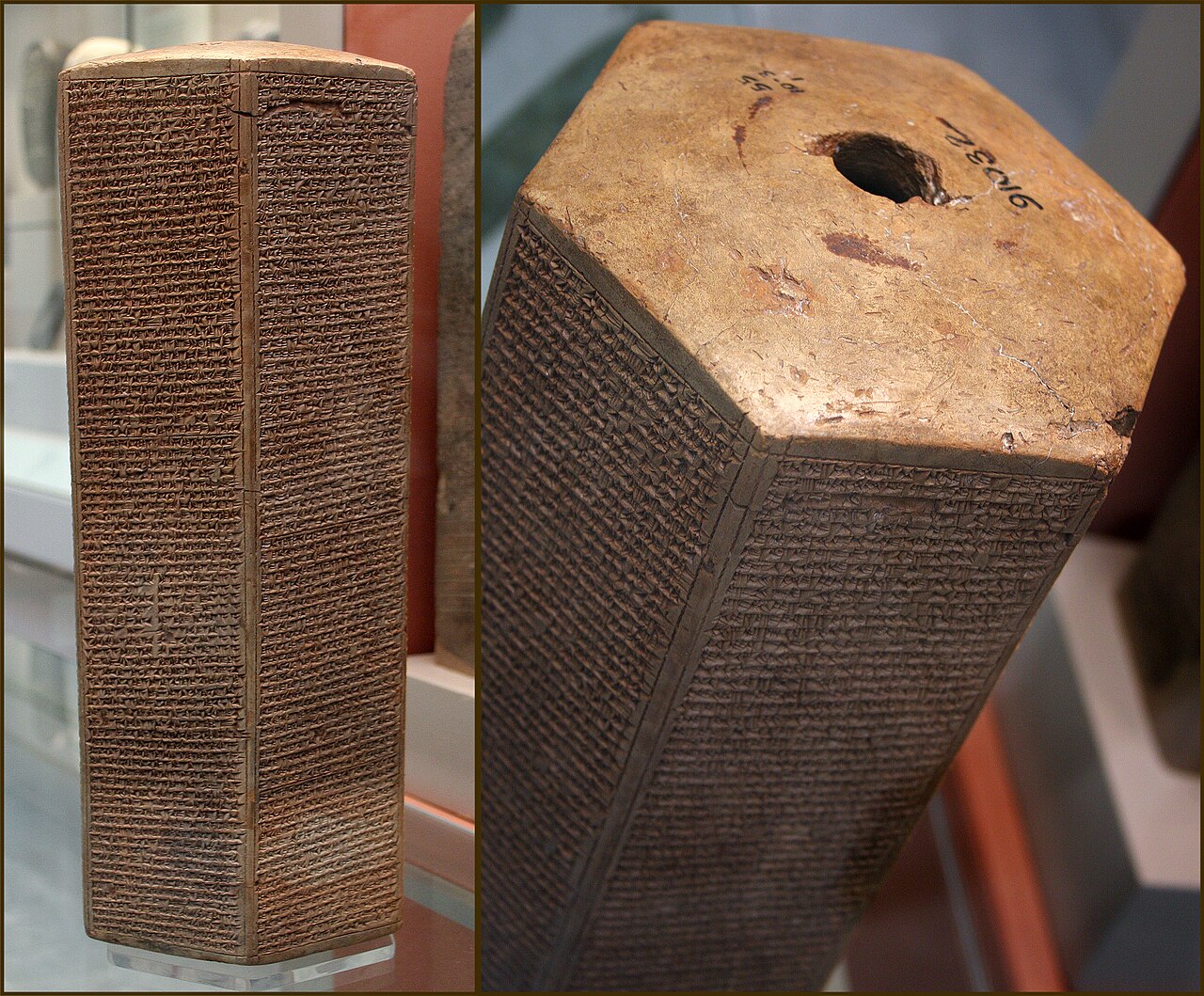
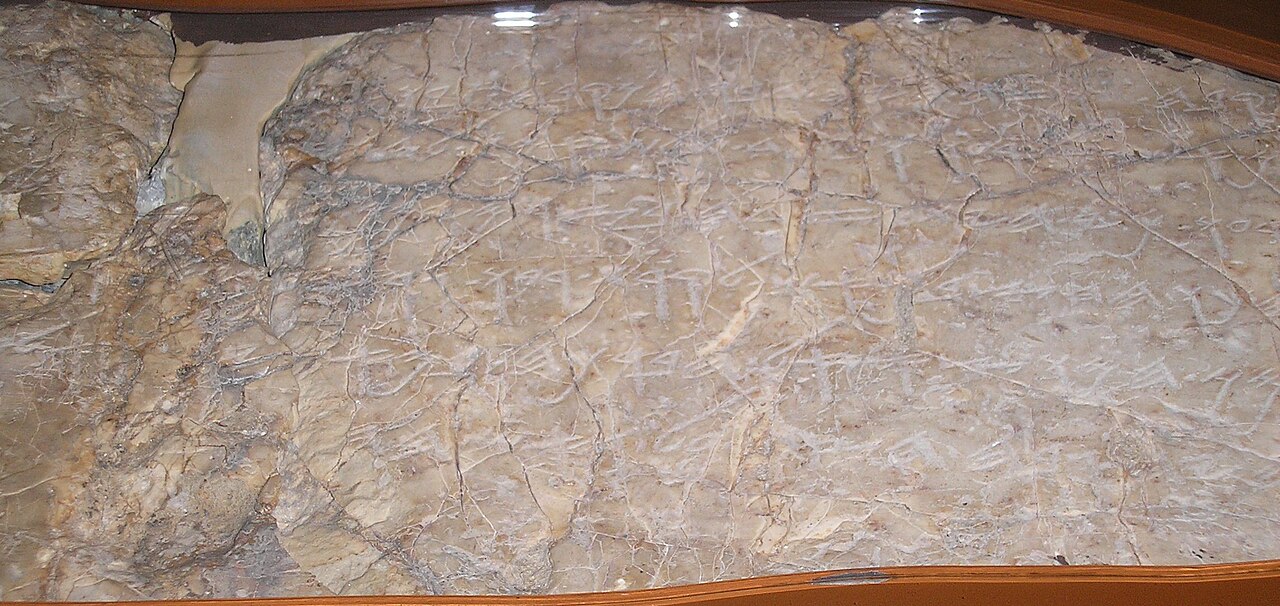
Browse all 92 →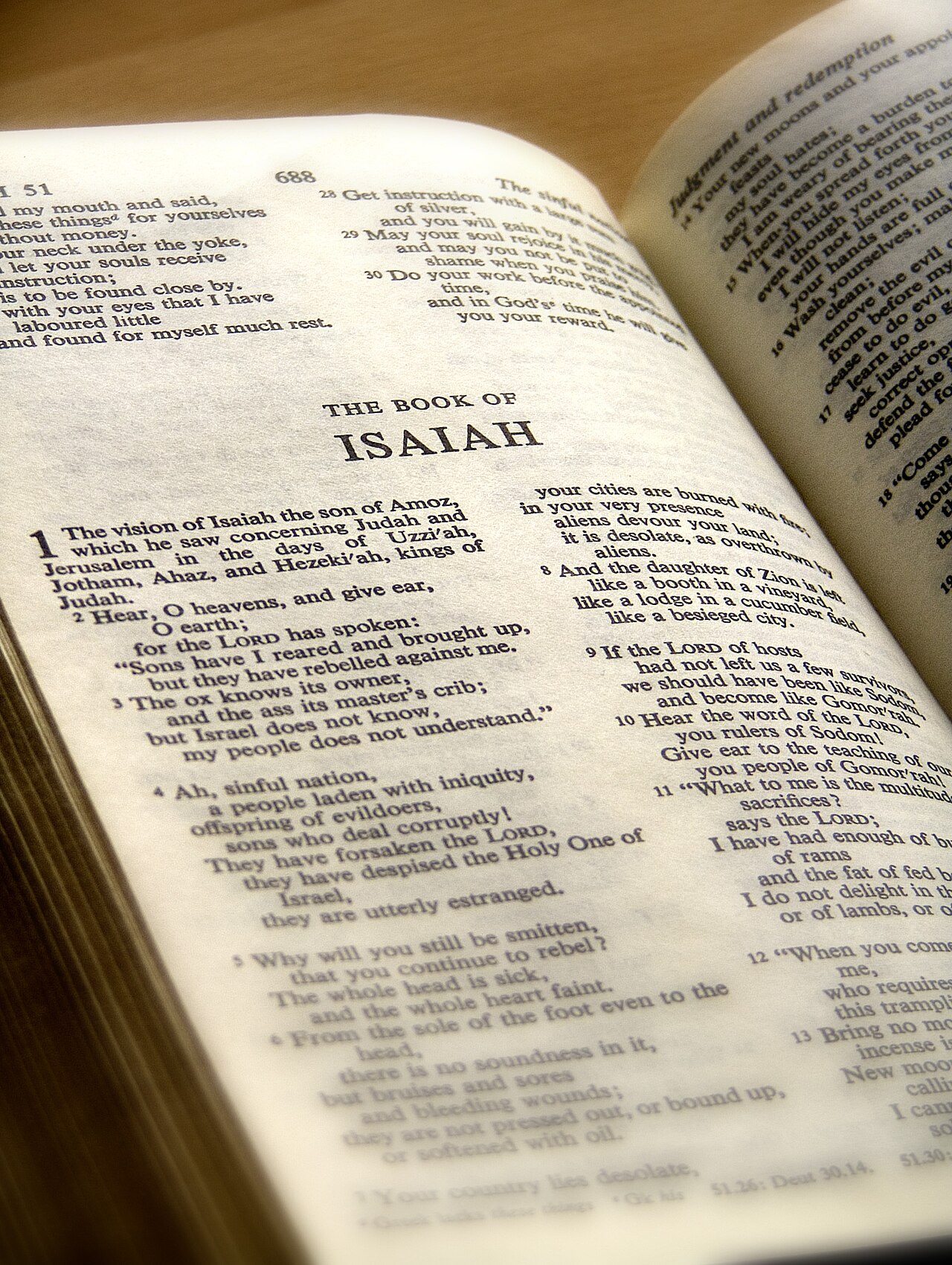

Ready when you are
Start chatting with Isaiah now.
20 messages free · No credit card · Available in 50+ languages.