


Primary sourceDocument691 BCE
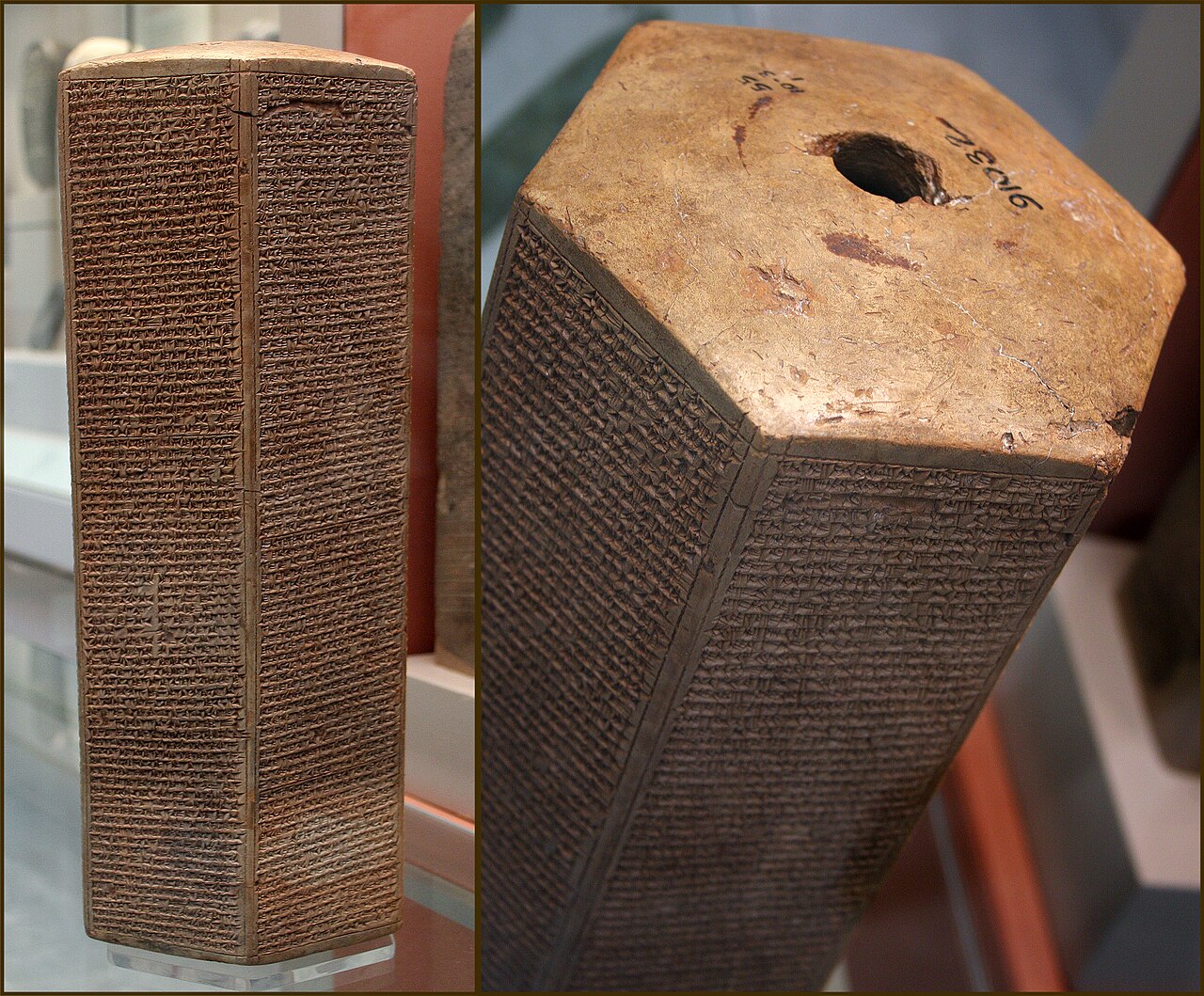
Taylor Prism
691 BCE
An Assyrian clay prism recording king Sennacherib's own account of his 701 BCE campaign against Judah, including the siege of Jerusalem described in Isaiah 36–37.
This Assyrian record describes the siege of Jerusalem under Hezekiah, the historical crisis addressed in Isaiah's prophecies.
About this source
What it is
This hexagonal clay prism, inscribed in Akkadian cuneiform, records the annals of the Assyrian king Sennacherib, made around 689 BCE. It is one of three nearly identical prisms describing his campaign; this one, the Taylor Prism, is held at the British Museum.
Why it matters
The prism describes Sennacherib's siege of Jerusalem during the reign of King Hezekiah, the same event recorded in Isaiah 36–37. It gives the Assyrian side of events that the biblical text, connected to Isaiah's prophecies, describes from Judah's point of view — letting students compare two ancient accounts of the same crisis.
Look closer
- How does Sennacherib's description of Hezekiah differ from the biblical account?
- Why might a king's own inscription exaggerate his victories?
- What does comparing these two sources teach about bias in ancient records?
This document is part of the curated material that grounds the AI version of Isaiah on Humy.ai — when students ask about related events, the AI can quote it and cite it.
More Isaiah sources
Browse all 92 →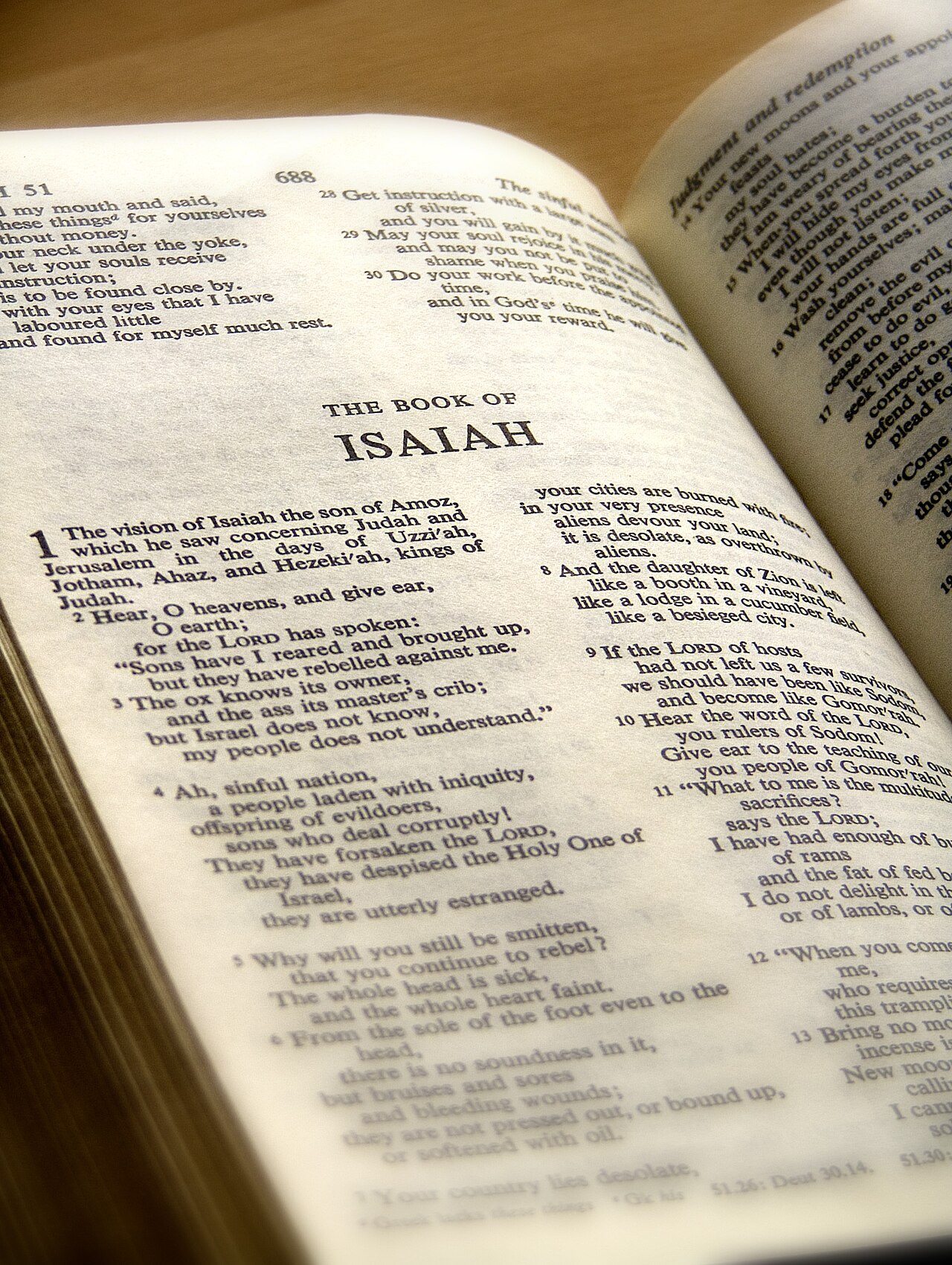 Book
Primary source
Book of Isaiah
Isaiah and later prophetic tradents · c. 740-500 BCE
 Document
Primary source
Great Isaiah Scroll
c. 125 BCE
 Sculpture
Primary source
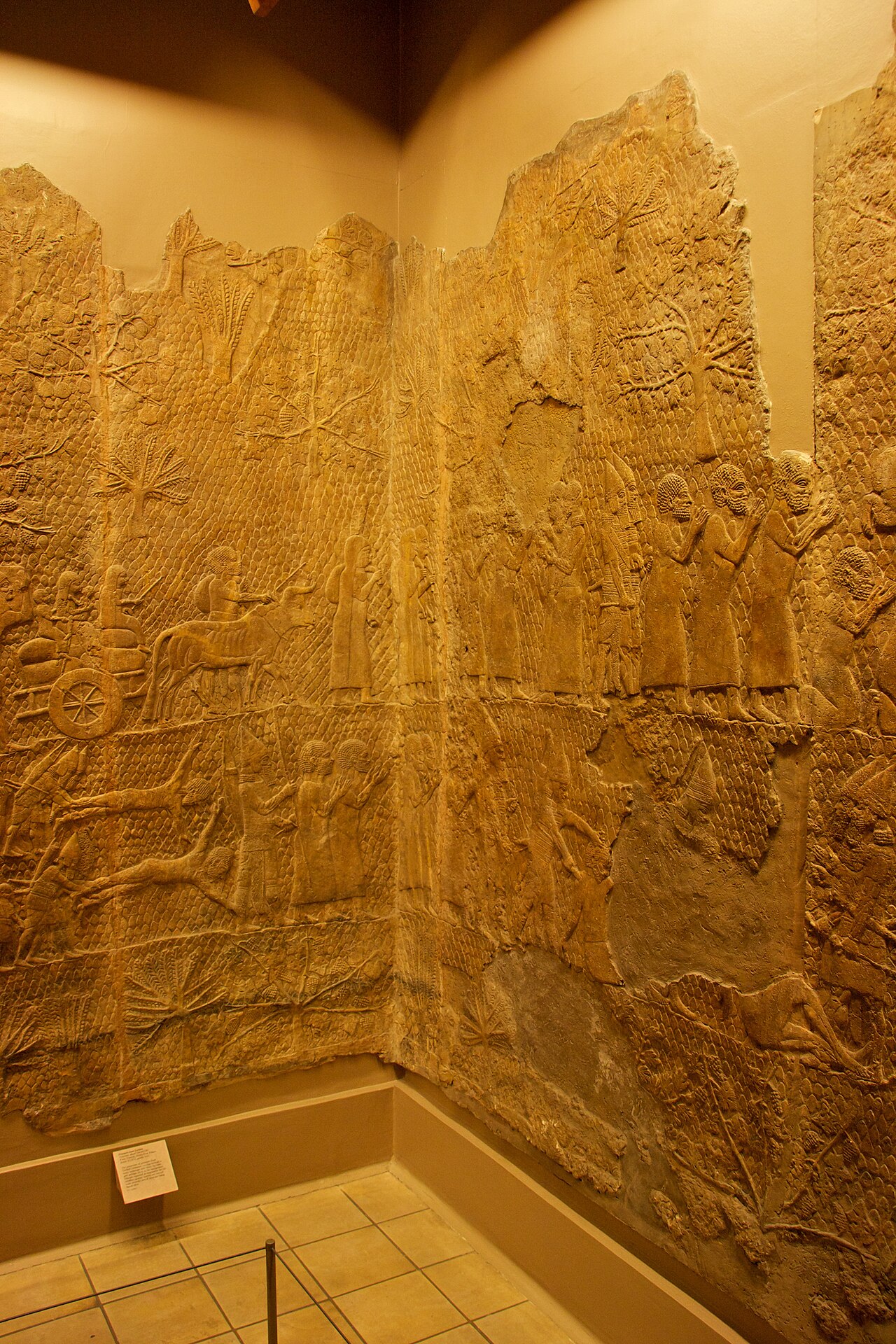
Lachish Reliefs
700-681 BCE
 Document
Primary source
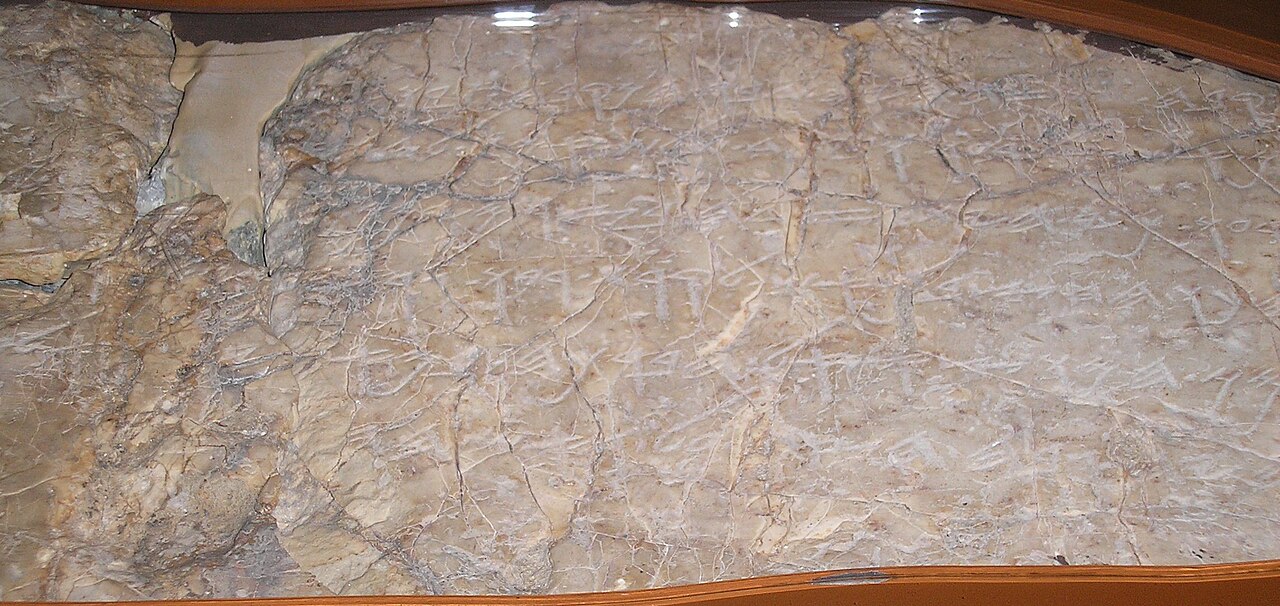
Siloam Inscription
8th century BCE
Free account
Read every Isaiah source
Sign up free →
Ready when you are
Start chatting with Isaiah now.
20 messages free · No credit card · Available in 50+ languages.