


Primary sourceArtifactca. 1870
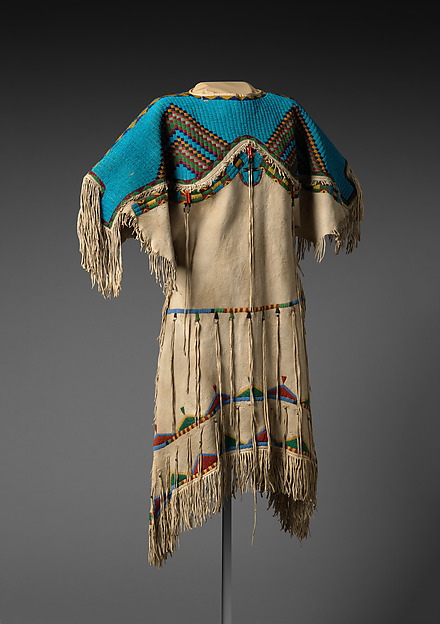
Lakota Beaded Dress
ca. 1870
A Lakota beaded hide dress from around 1870, showing the clothing and craft of the people Sitting Bull led during the reservation era.
A Lakota garment from Crazy Horse's own lifetime, illustrating the material culture of his people.
About this source
What it is
This is a tanned leather dress decorated with glass beadwork, made by Lakota (Teton Sioux) artists around 1870. It is held by the Metropolitan Museum of Art as part of a collection of Native American art.
Why it matters
Clothing like this reflects the skill and artistry of Lakota women during the era when Sitting Bull lived and led his people through conflict and life on reservations. It is not connected to Sitting Bull personally, but it shows the material culture of the community he belonged to.
Look closer
- What do the patterns and colors of the beadwork suggest about the time and effort it took to make?
- Why might museums collect everyday clothing like this alongside more famous historical objects?
- What does an object like this tell us about Lakota life that a battle account does not?
This artifact is part of the curated material that grounds the AI version of Crazy Horse, Dee Brown, Sitting Bull (Tȟatȟáŋka Íyotake) and Black Elk on Humy.ai — when students ask about related events, the AI can quote it and cite it.
More Crazy Horse sources
Meet the AI Crazy Horse →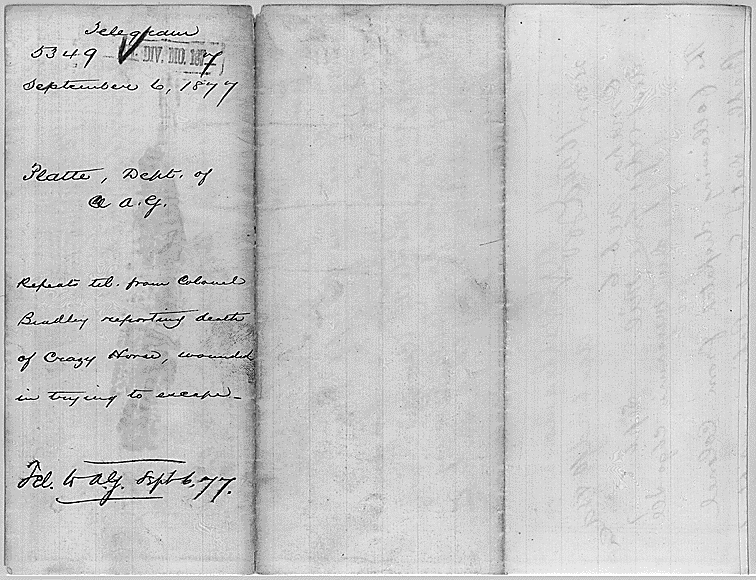 Document
Primary source
Telegram Reporting the Arrest and Death of Crazy Horse
6 September 1877
 Painting
Primary source
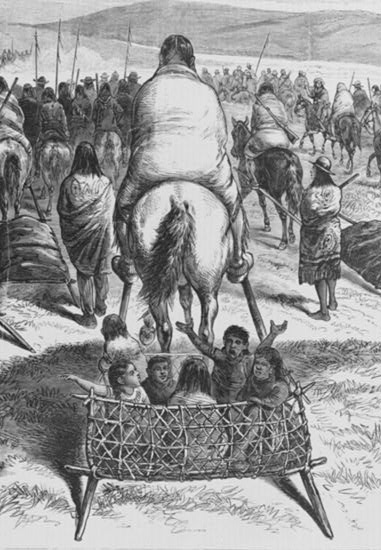
Crazy Horse Travois Drawing
Unknown Lakota artist
 Painting
Secondary source
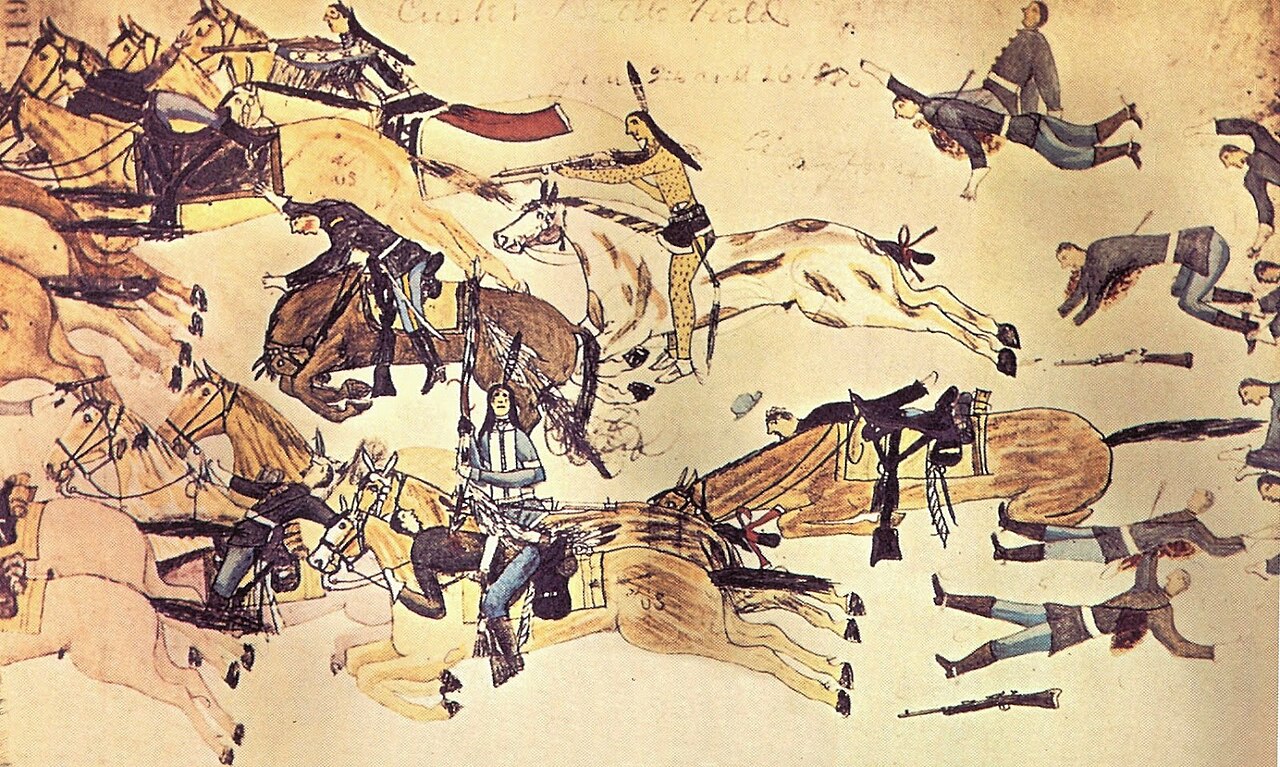
Battle of the Little Bighorn with Crazy Horse
Amos Bad Heart Bull · after 1890
 Sculpture
Secondary source
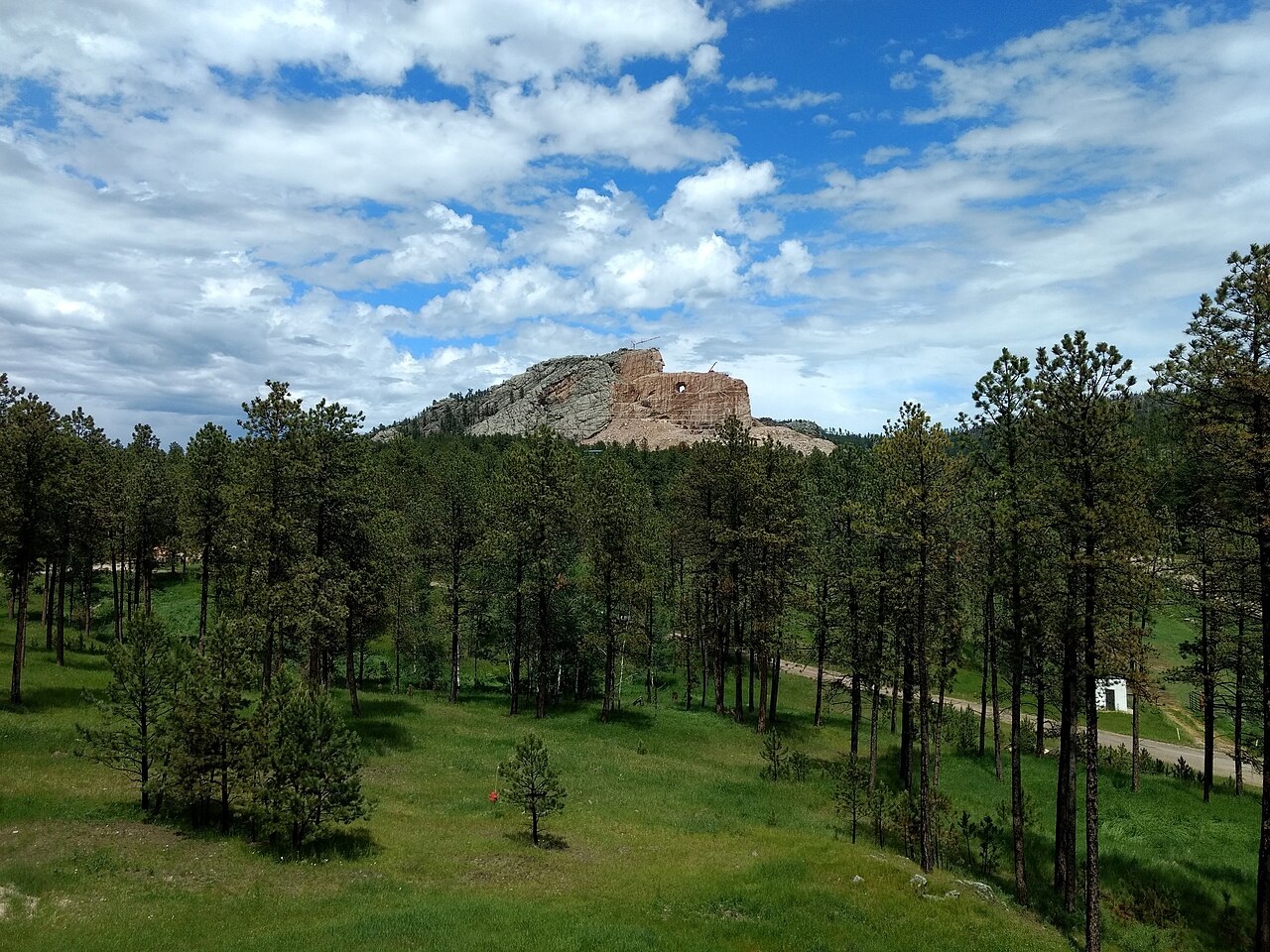
Crazy Horse Memorial
Korczak Ziolkowski · 1948–ongoing
 Document
Primary source
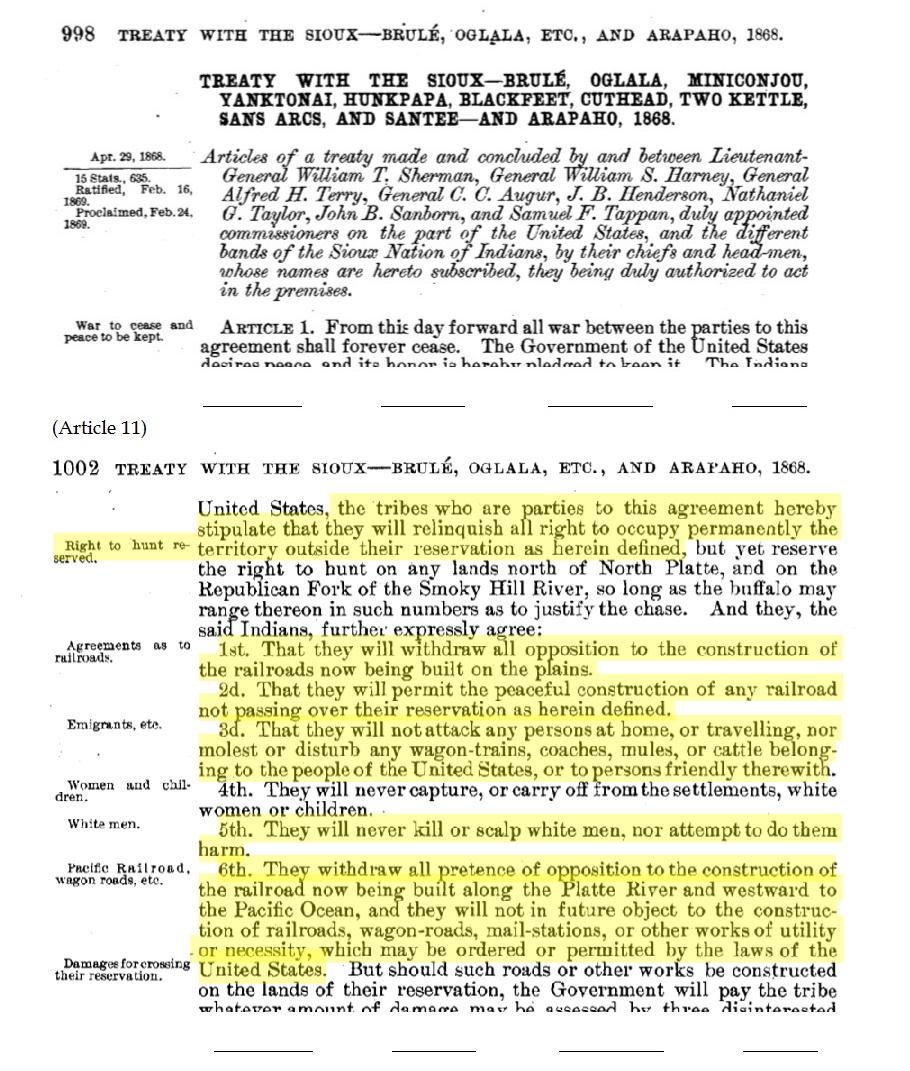
Treaty of Fort Laramie
1868
Ready when you are
Start chatting with Crazy Horse now.
20 messages free · No credit card · Available in 50+ languages.