


Primary sourceDocument1868
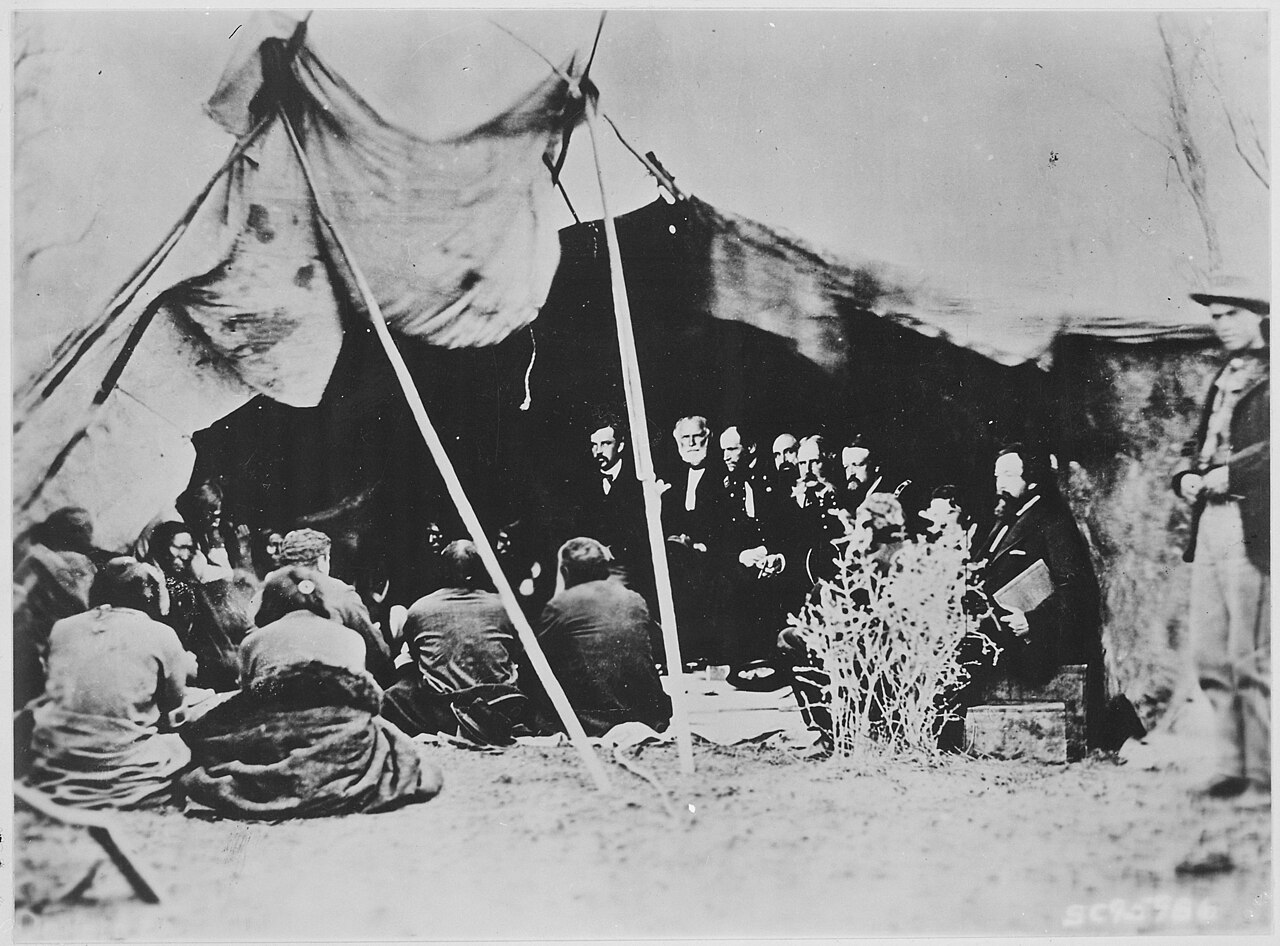
Treaty of Fort Laramie
1868
The 1868 treaty that set up the Great Sioux Reservation and 'unceded' lands; Crazy Horse refused to accept it and fought to defend the land it covered.
This treaty's violation was the historical grievance Means invoked throughout his activism for Lakota land rights.
About this source
What it is
This is the Treaty of Fort Laramie, signed between April and November 1868 by U.S. commissioners including William T. Sherman and leaders of the Oglala, Miniconjou, and Brulé Lakota, Yanktonai Dakota, and Arapaho. It established the Great Sioux Reservation, including the Black Hills, and set aside further 'unceded' lands.
Why it matters
Crazy Horse never accepted this treaty and went on to defend the unceded Powder River lands it described. The treaty ended one war but was soon violated by the U.S. government, leading to renewed fighting in 1876 and, later, a Supreme Court ruling that the land had been taken illegally. It shows the broken promises at the center of the conflicts Crazy Horse fought in.
Look closer
- Who negotiated and signed this treaty, and who did not sign it?
- What does the treaty promise, and what actually happened afterward?
- Why might Crazy Horse have refused to accept an agreement signed by other Lakota leaders?
This document is part of the curated material that grounds the AI version of Russell Means, Dee Brown and Crazy Horse on Humy.ai — when students ask about related events, the AI can quote it and cite it.
More Russell Means sources
Meet the AI Russell Means →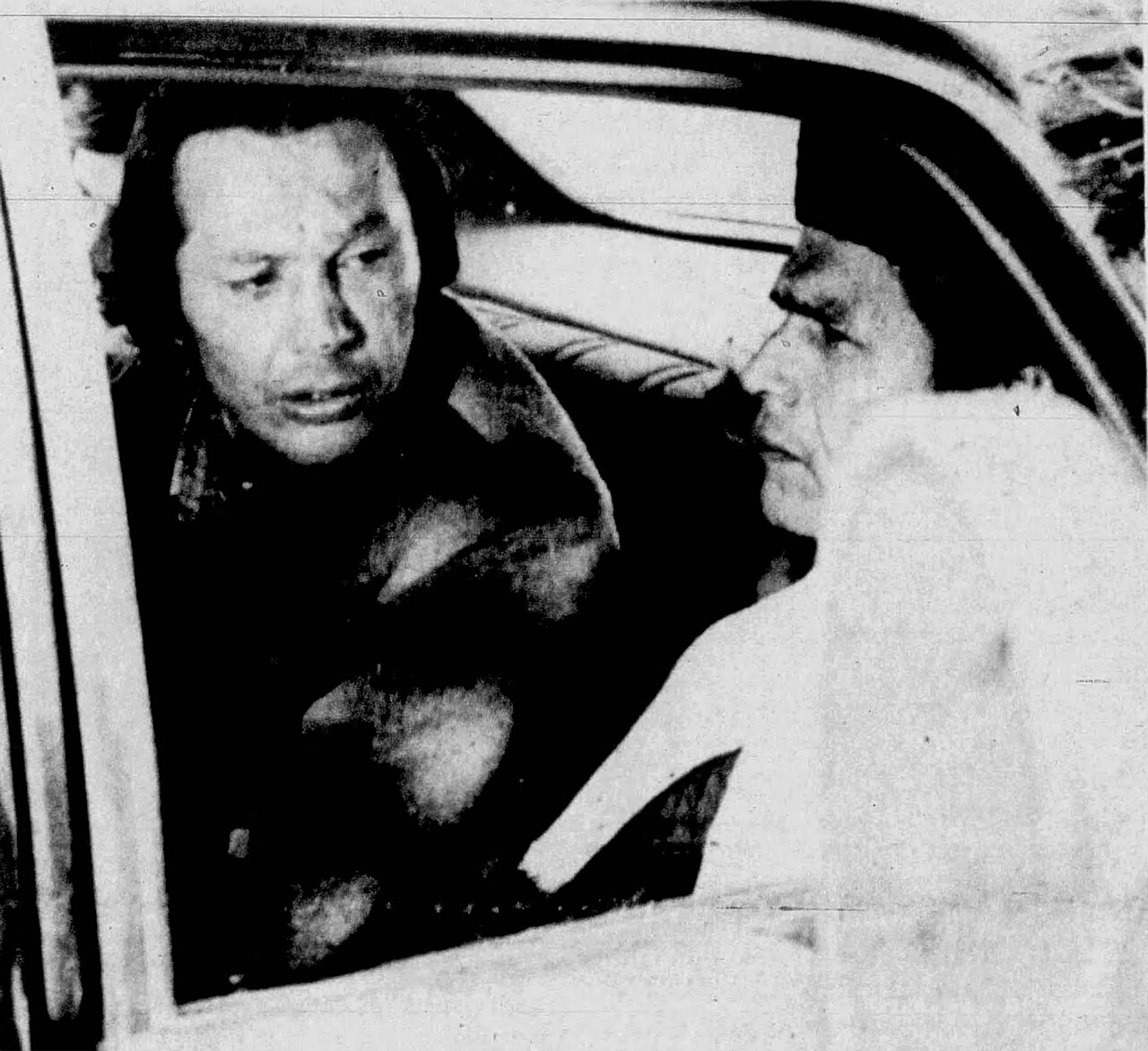 Photograph
Primary source
Russell Means with Dennis Banks in car, 1973
The Alliance Times-Herald · 1973
 Documentary
Primary source
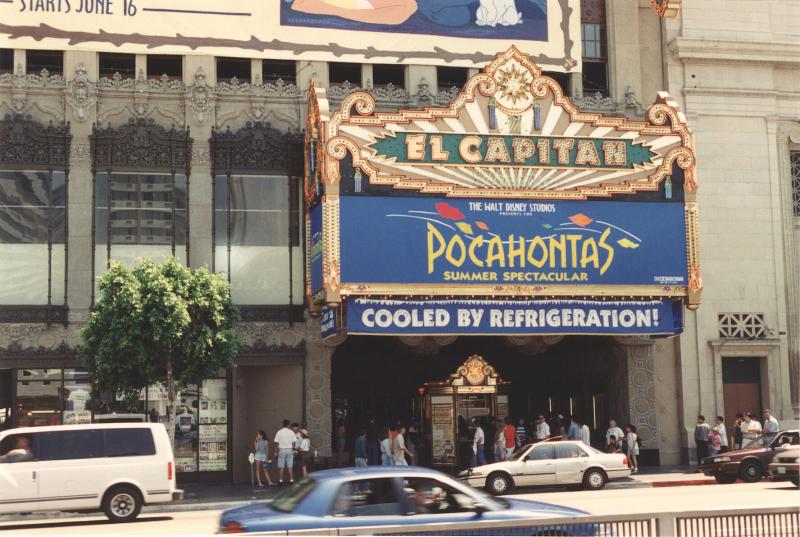
Pocahontas
Stephen Schwartz · 1995
 Artifact
Secondary source
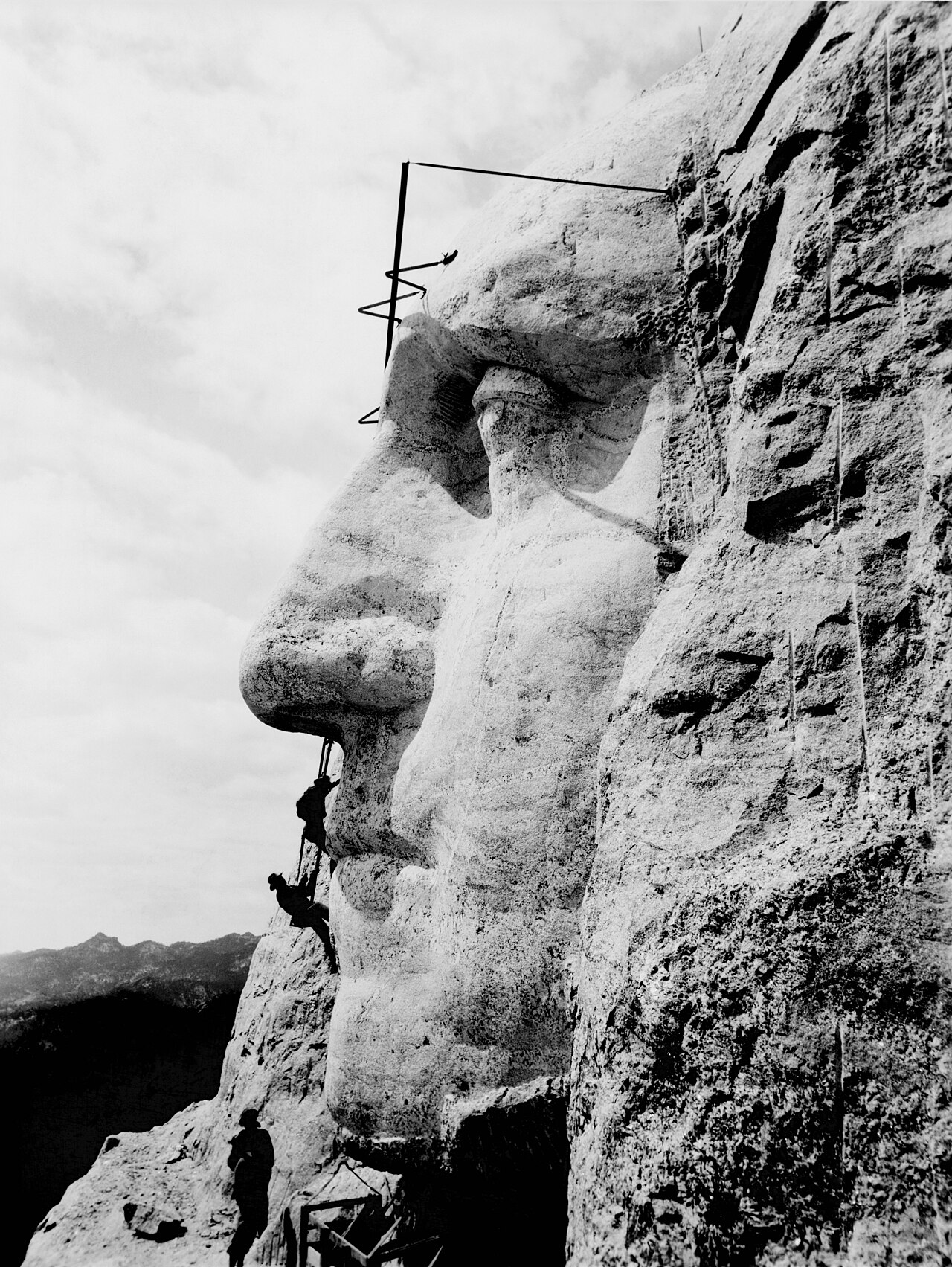
Mount Rushmore National Memorial
Gutzon Borglum · 1927–1941
 Photograph
Primary source
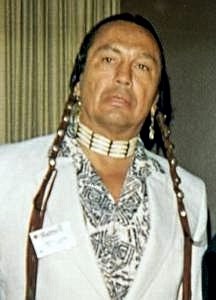
Portrait of Russell Means, 1987
1987
 Document
Primary source
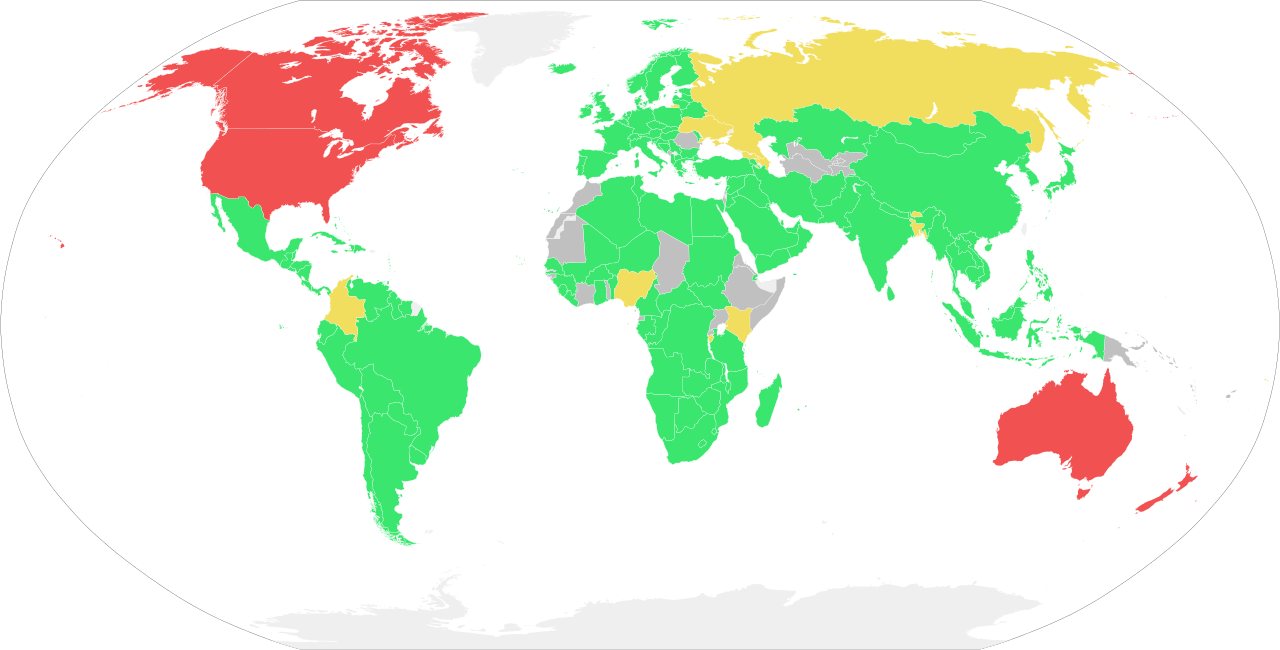
Declaration on the Rights of Indigenous Peoples
13 September 2007
Ready when you are
Start chatting with Russell Means now.
20 messages free · No credit card · Available in 50+ languages.