


Secondary sourceArtifact1927–1941
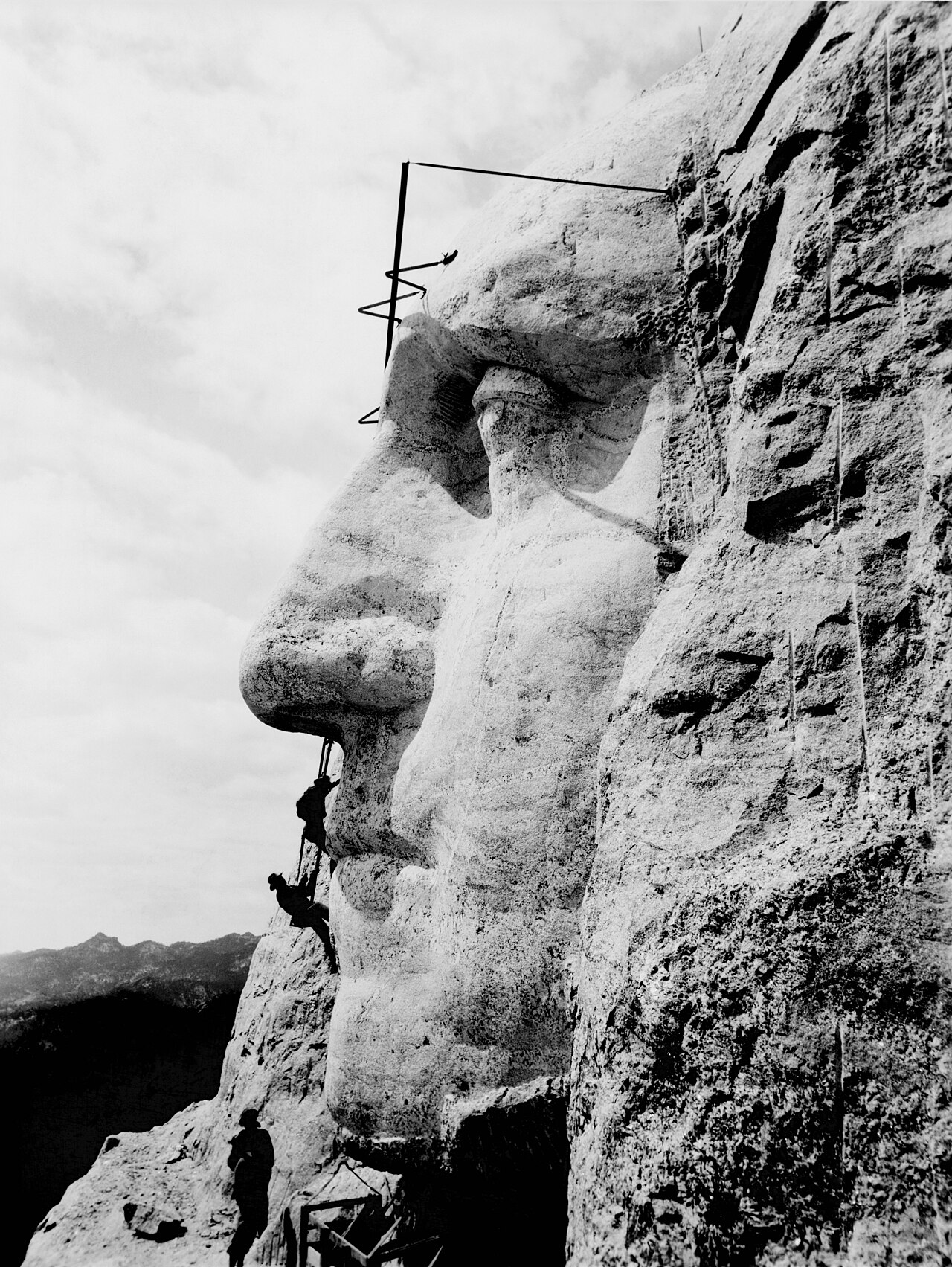
Mount Rushmore National Memorial
Gutzon Borglum · 1927–1941
A monumental granite carving of four U.S. presidents in the Black Hills, land sacred to the Lakota, which Russell Means and AIM occupied in 1971.
Means helped lead AIM's 1971 occupation of this monument to protest the broken Fort Laramie treaty over the sacred Black Hills.
About this source
What it is
Mount Rushmore is a huge sculpture carved into granite in the Black Hills of South Dakota, created by Gutzon Borglum between 1927 and 1941. It depicts the faces of four U.S. presidents and is managed today by the National Park Service.
Why it matters
The Black Hills are sacred land to the Lakota people, and their loss was tied to the broken Fort Laramie Treaty. In 1971, Russell Means was one of the leaders of an American Indian Movement (AIM) takeover of Mount Rushmore, using the monument itself as a stage to draw attention to this broken treaty and to Native land rights. The memorial therefore stands both as a national symbol and as a site of protest.
Look closer
- Why would activists choose a famous national monument as the site of a protest?
- Whose history does Mount Rushmore celebrate, and whose history does it leave out?
- What does it mean for the same place to be sacred to one group and a patriotic symbol to another?
This artifact is part of the curated material that grounds the AI version of Russell Means on Humy.ai — when students ask about related events, the AI can quote it and cite it.
More Russell Means sources
Meet the AI Russell Means →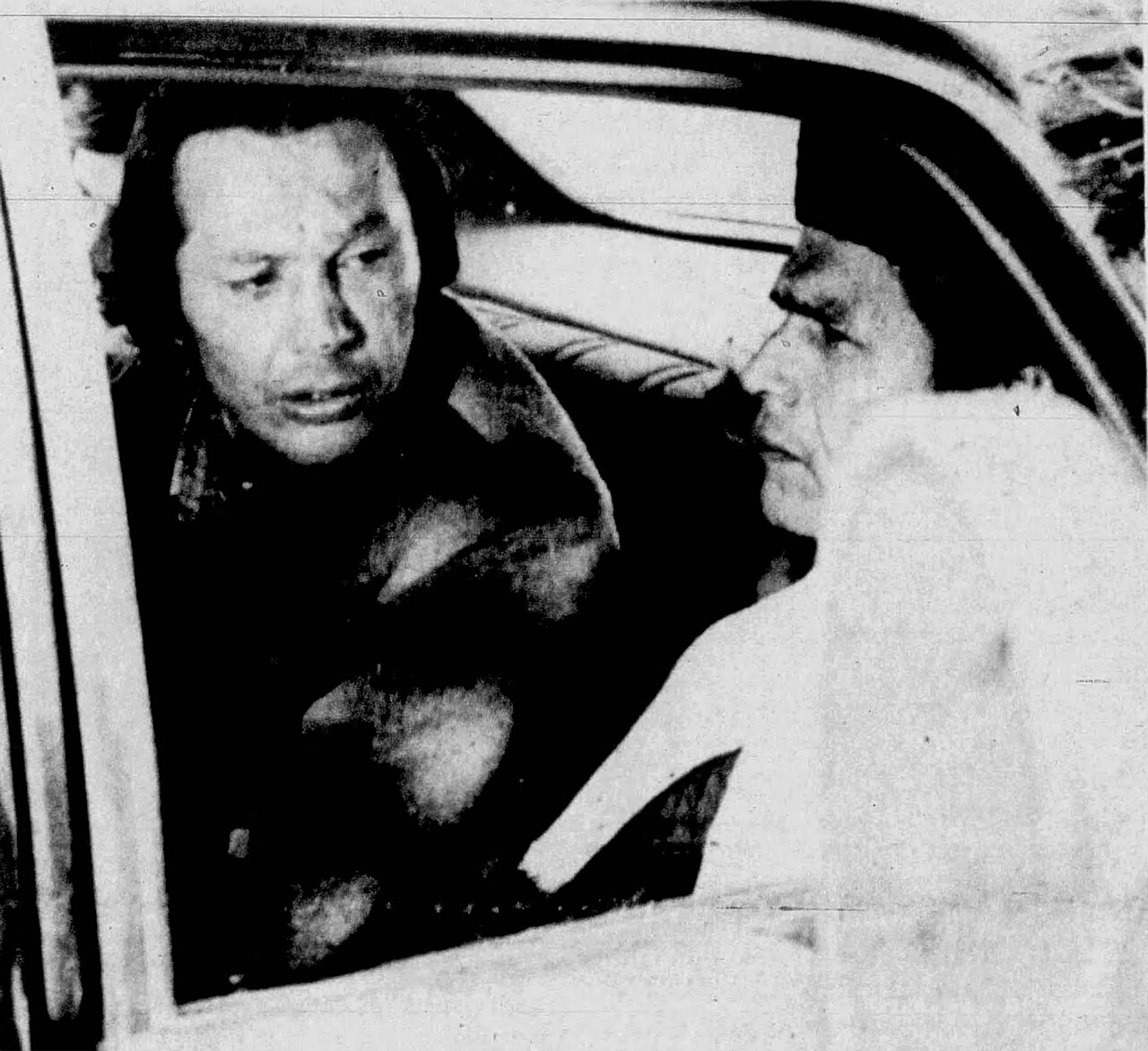 Photograph
Primary source
Russell Means with Dennis Banks in car, 1973
The Alliance Times-Herald · 1973
 Documentary
Primary source
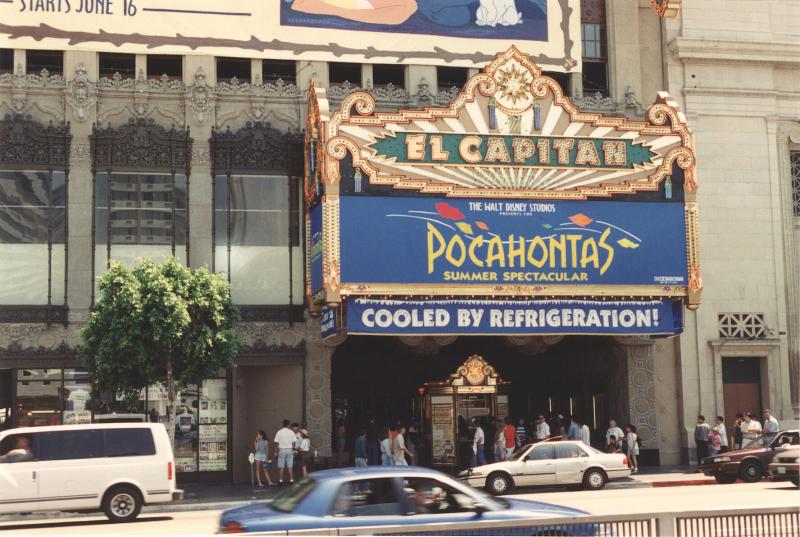
Pocahontas
Stephen Schwartz · 1995
 Document
Primary source
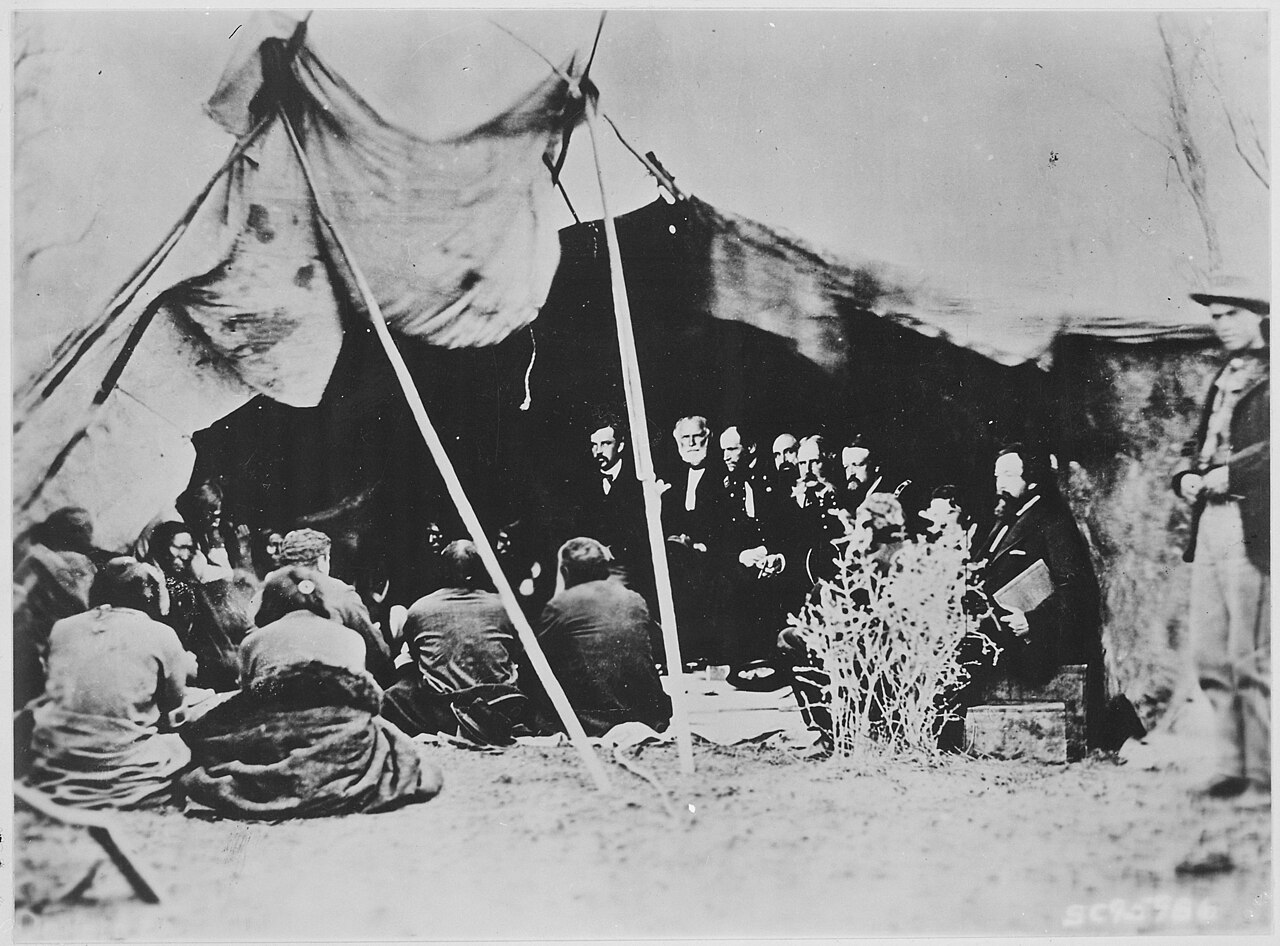
Treaty of Fort Laramie
1868
 Photograph
Primary source
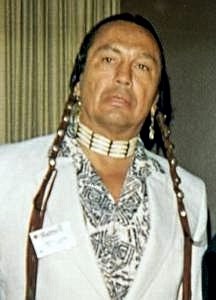
Portrait of Russell Means, 1987
1987
 Document
Primary source
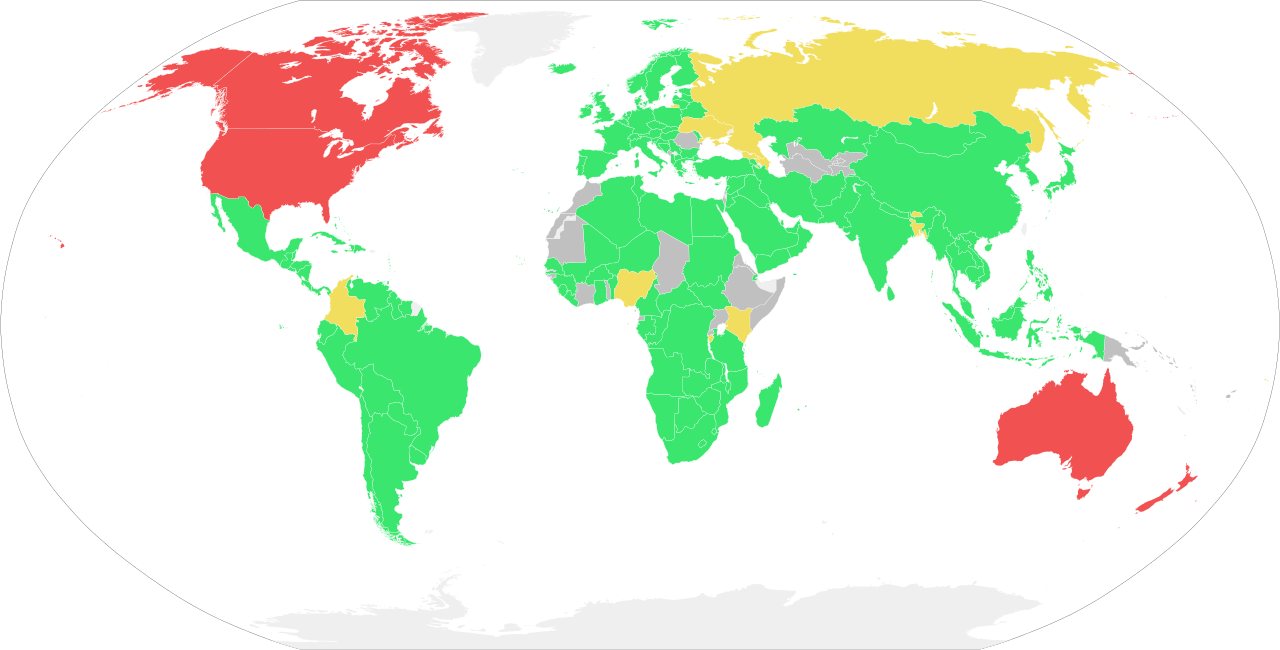
Declaration on the Rights of Indigenous Peoples
13 September 2007
Ready when you are
Start chatting with Russell Means now.
20 messages free · No credit card · Available in 50+ languages.