


Primary sourceArtifactca. 1890
Lakota Tipi Bag
ca. 1890
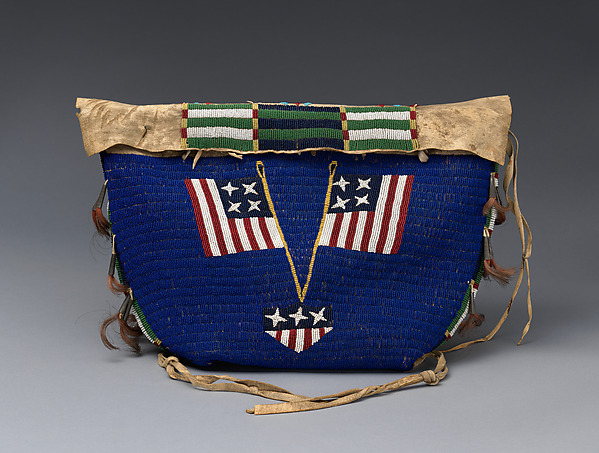
A beaded Lakota tipi bag from around 1890, representing the material culture of Sitting Bull's people during his lifetime.
A Lakota craft object from the culture and era of Crazy Horse's people, showing their artistry though not made by him.
About this source
What it is
This tipi bag was made by a Lakota (Teton Sioux) artisan around 1890, using tanned leather, glass beads, metal cones, horsehair and dye. It is held today by the Metropolitan Museum of Art, as part of the Charles and Valerie Diker Collection of Native American Art.
Why it matters
Objects like this tipi bag were both practical and beautifully decorated, showing the skill of Lakota beadworkers. Made during the period when Sitting Bull lived, it is an example of the everyday material culture of his community, separate from the political and military events more often recorded in writing.
Look closer
- What materials were used to make this bag, and what does that tell you about available resources at the time?
- Why might an object like this survive in a museum while the names of its makers are often unknown?
- What might this object have been used to carry or store?
This artifact is part of the curated material that grounds the AI version of Crazy Horse, Dee Brown, Sitting Bull (Tȟatȟáŋka Íyotake) and Black Elk on Humy.ai — when students ask about related events, the AI can quote it and cite it.
More Crazy Horse sources
Meet the AI Crazy Horse →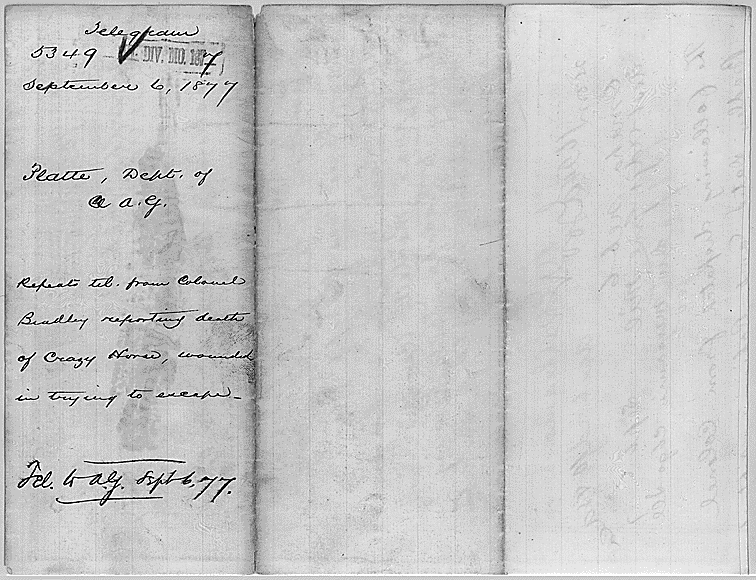 Document
Primary source
Telegram Reporting the Arrest and Death of Crazy Horse
6 September 1877
 Painting
Primary source
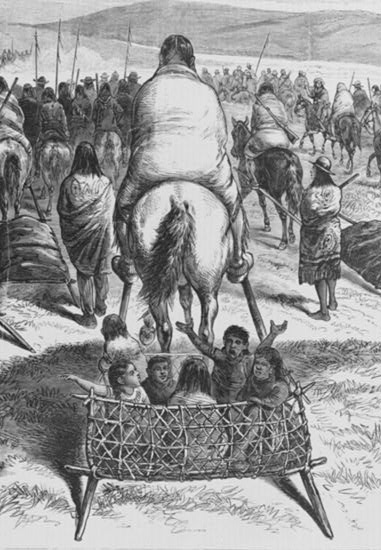
Crazy Horse Travois Drawing
Unknown Lakota artist
 Painting
Secondary source
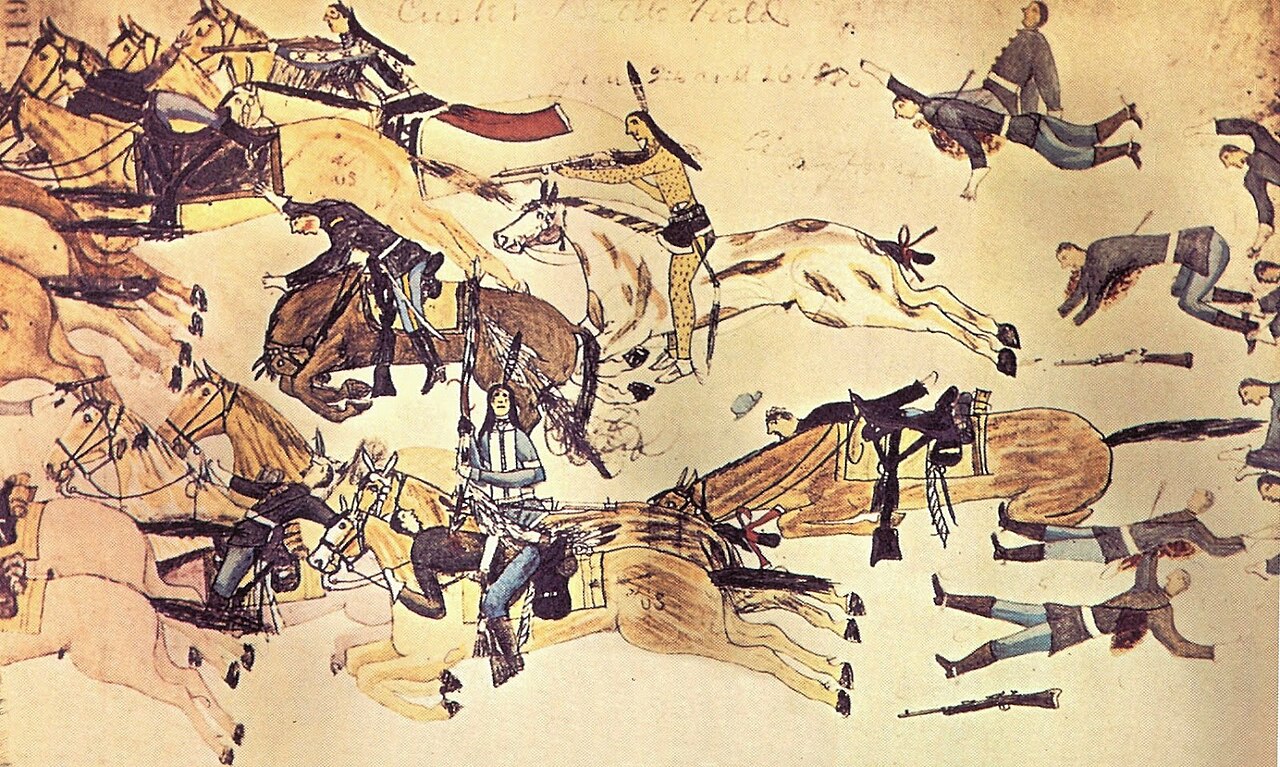
Battle of the Little Bighorn with Crazy Horse
Amos Bad Heart Bull · after 1890
 Sculpture
Secondary source
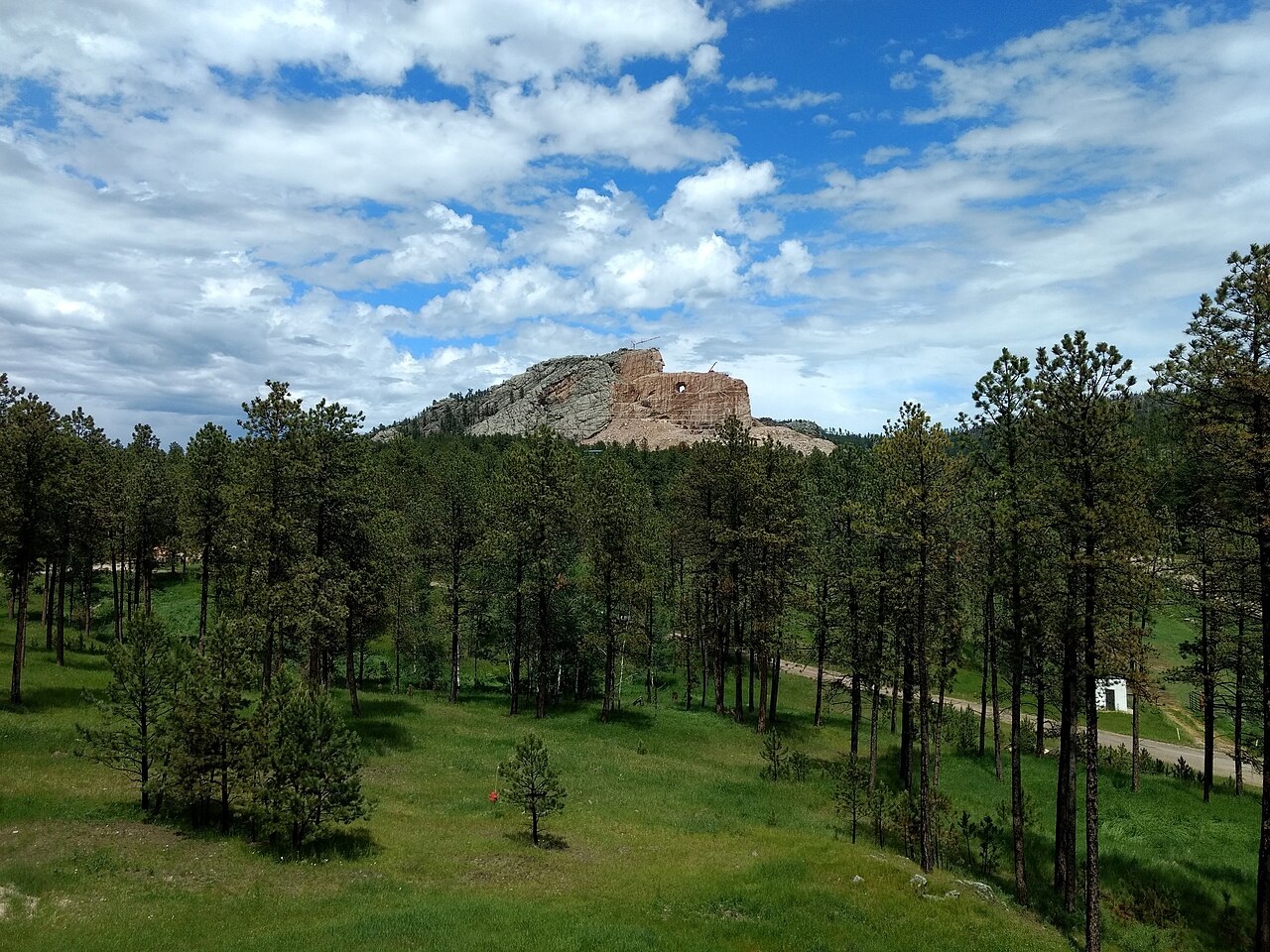
Crazy Horse Memorial
Korczak Ziolkowski · 1948–ongoing
 Document
Primary source
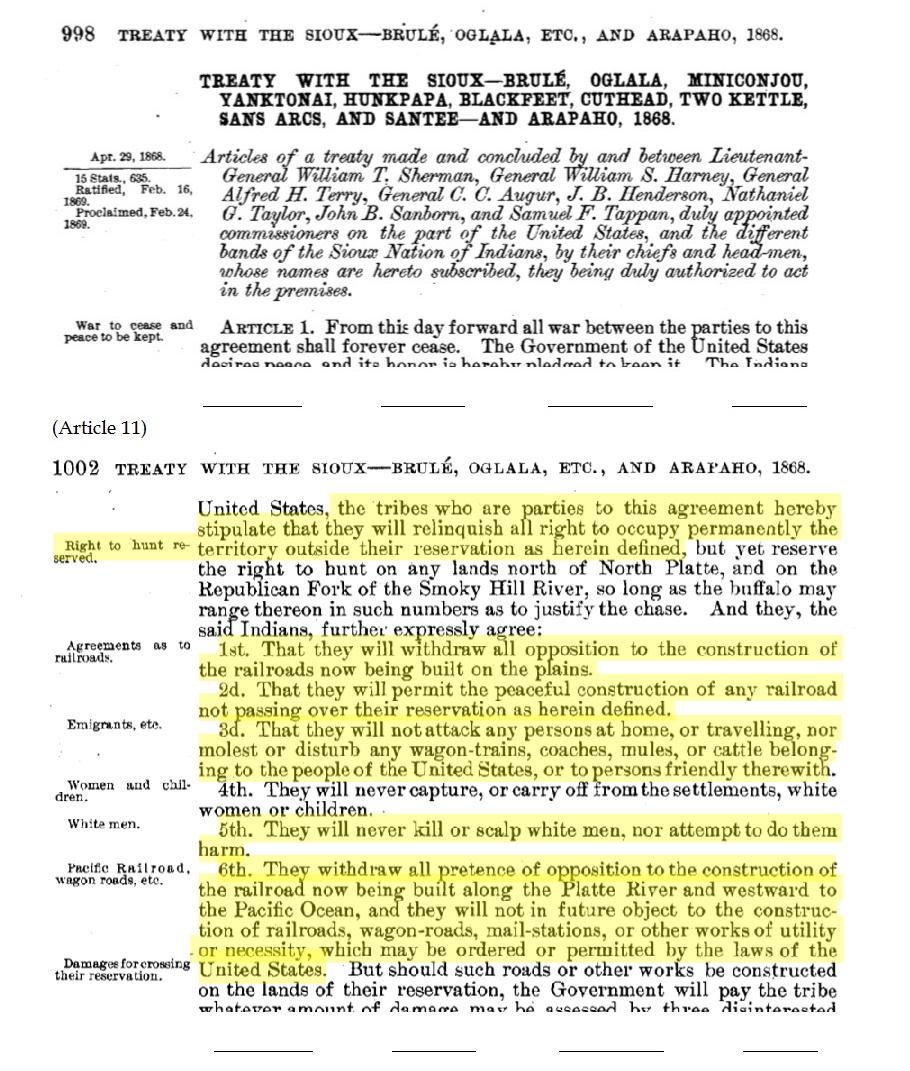
Treaty of Fort Laramie
1868
Ready when you are
Start chatting with Crazy Horse now.
20 messages free · No credit card · Available in 50+ languages.