


Primary sourceDocument
Last Will and Testament of Benjamin Franklin
Benjamin Franklin
Franklin's own will, which set up long-term trusts for craftsmen in Boston and Philadelphia and left personal items such as his walking stick to George Washington.
This is Franklin's own legal will, revealing his personal values, bequests, and family relationships.
About this source
What it is
This is the official will written by Benjamin Franklin, describing himself as a printer from Philadelphia and former Minister to France. In it he explains how his property and money should be distributed after his death.
Why it matters
The will shows Franklin's values in action: he set up trust funds meant to help young craftsmen in Boston and Philadelphia for two hundred years, reflecting his lifelong belief in self-improvement through useful trades. He also left personal items, including his walking stick, to George Washington. The document also hints at family tensions, since not everyone was treated equally in it. It reveals how a historical figure's private choices can tell us as much about them as their public achievements.
Look closer
- What does Franklin's choice to help future craftsmen tell you about what he valued?
- Why might giving a personal object to George Washington have been meaningful?
- What questions does a will leave unanswered about a person's relationships?
This document is part of the curated material that grounds the AI version of Benjamin Franklin on Humy.ai — when students ask about related events, the AI can quote it and cite it.
More Benjamin Franklin sources
Meet the AI Benjamin Franklin →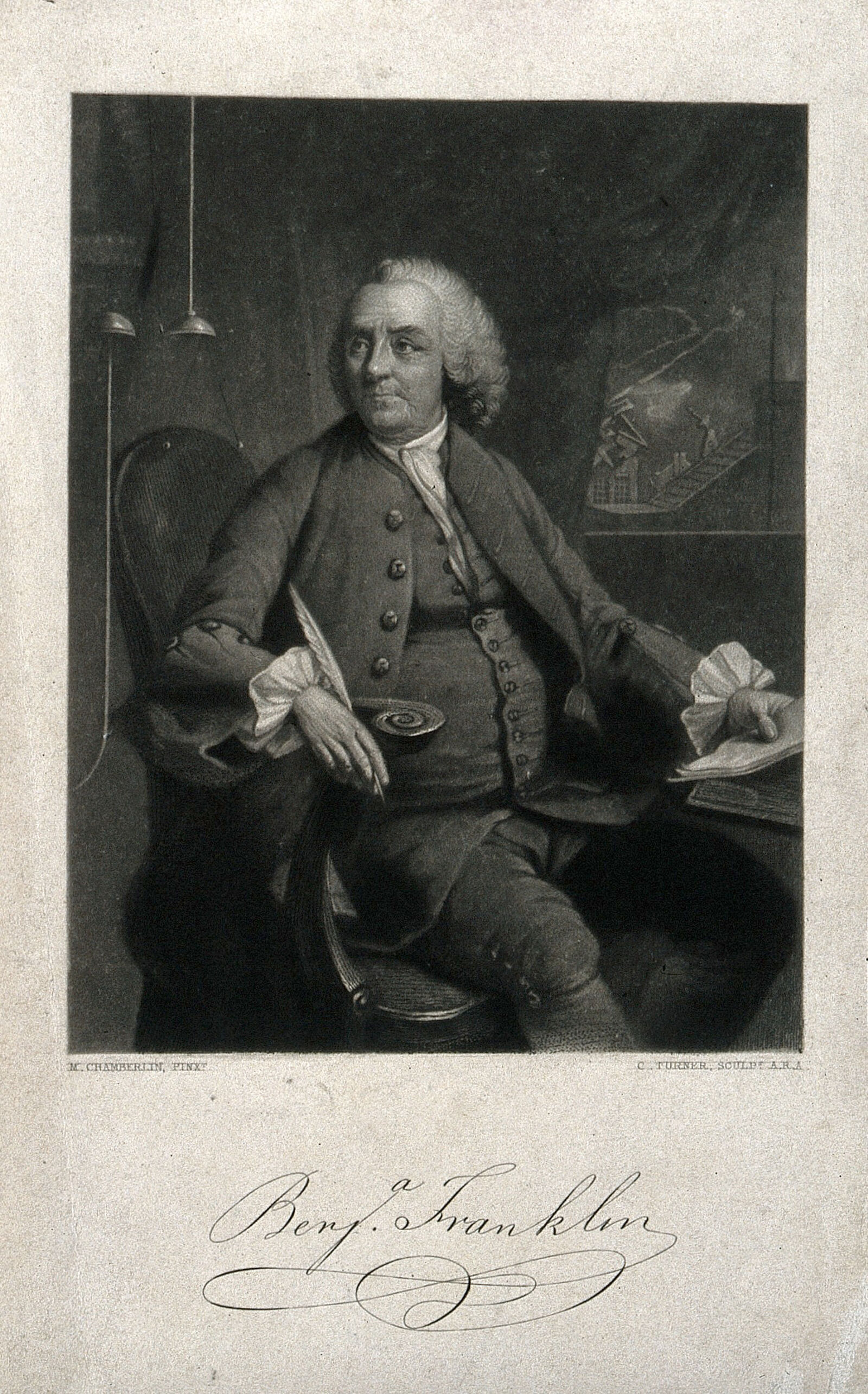 Painting
Primary source
Benjamin Franklin, mezzotint by C. Turner after M. Chamberlin
Mason Chamberlin · 1762
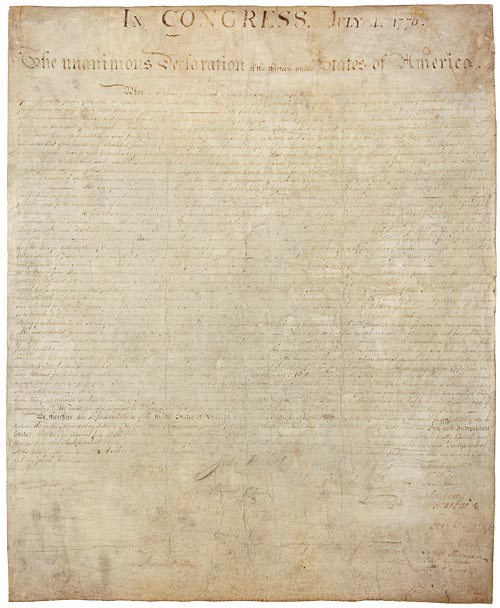 Document
Primary source
Declaration of Independence
Continental Congress (drafted by Thomas Jefferson) · 1776
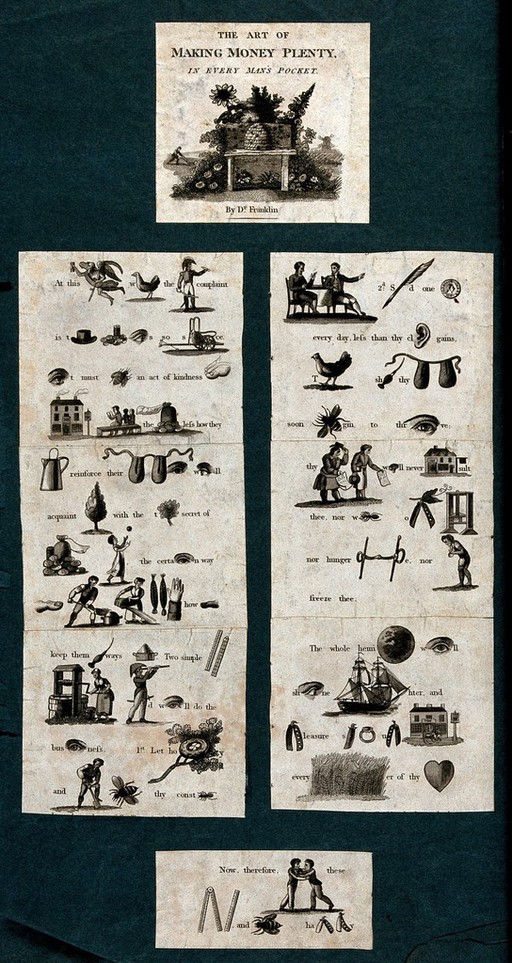 Artifact
Primary source
The Art of Making Money Plenty, In Every Man's Pocket
Benjamin Franklin
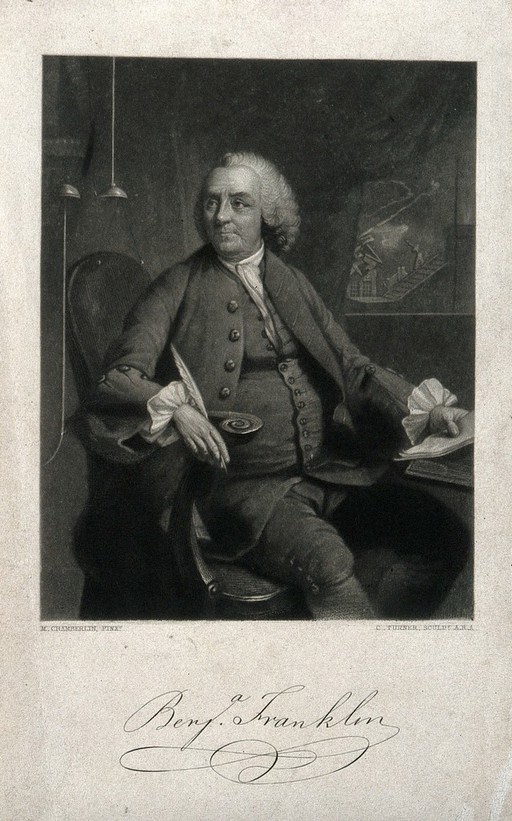 Painting
Primary source
Benjamin Franklin, engraving after Mason Chamberlin
Mason Chamberlin · 1762
 Painting
Primary source
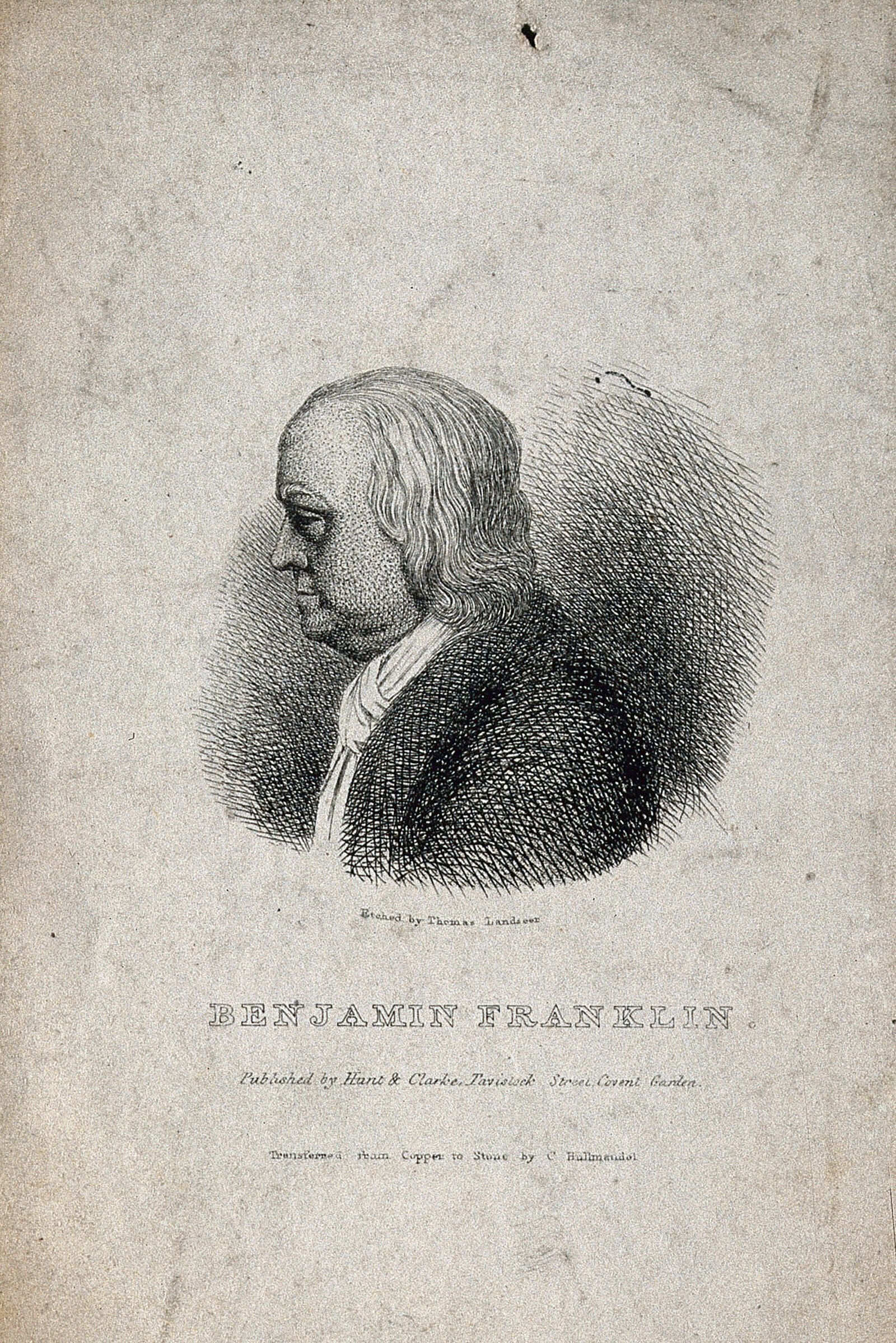
Benjamin Franklin, after J. J. Caffieri
Jean-Jacques Caffieri · 1777 (bust); print later
Ready when you are
Start chatting with Benjamin Franklin now.
20 messages free · No credit card · Available in 50+ languages.