


Primary sourceDocument9 July 1799
Last Will and Testament of George Washington
George Washington · 9 July 1799
Washington's 1799 will, which provided for freeing the enslaved people he owned after Martha's death.
Washington wrote this will himself, and it is the key source for his eventual decision to free the enslaved people he owned.
About this source
What it is
The last will and testament written by George Washington, dated 9 July 1799, shortly before his death. In it he arranged for the enslaved people he held to be freed following Martha Washington's death.
Why it matters
The will is a key source for understanding Washington's changing views on slavery near the end of his life, even as he remained an enslaver for most of it. It shows how a Founding Father who helped create a nation built on liberty still owned enslaved people, and only arranged their freedom in his final legal document.
Look closer
- Why might Washington have waited until his will to arrange for freedom, rather than doing it earlier?
- What does the document reveal about the gap between the ideals Washington helped write into the nation's founding and his own life?
- What questions does this raise about how historical figures should be remembered?
This document is part of the curated material that grounds the AI version of George Washington on Humy.ai — when students ask about related events, the AI can quote it and cite it.
More George Washington sources
Meet the AI George Washington →Primary source
To John Augustine Washington, 18 July 1755
George Washington · 18 July 1755
Primary source
General Orders, 9 July 1776
George Washington · 9 July 1776
Primary source
Circular to the States
George Washington · 8 June 1783
 Painting
Primary source
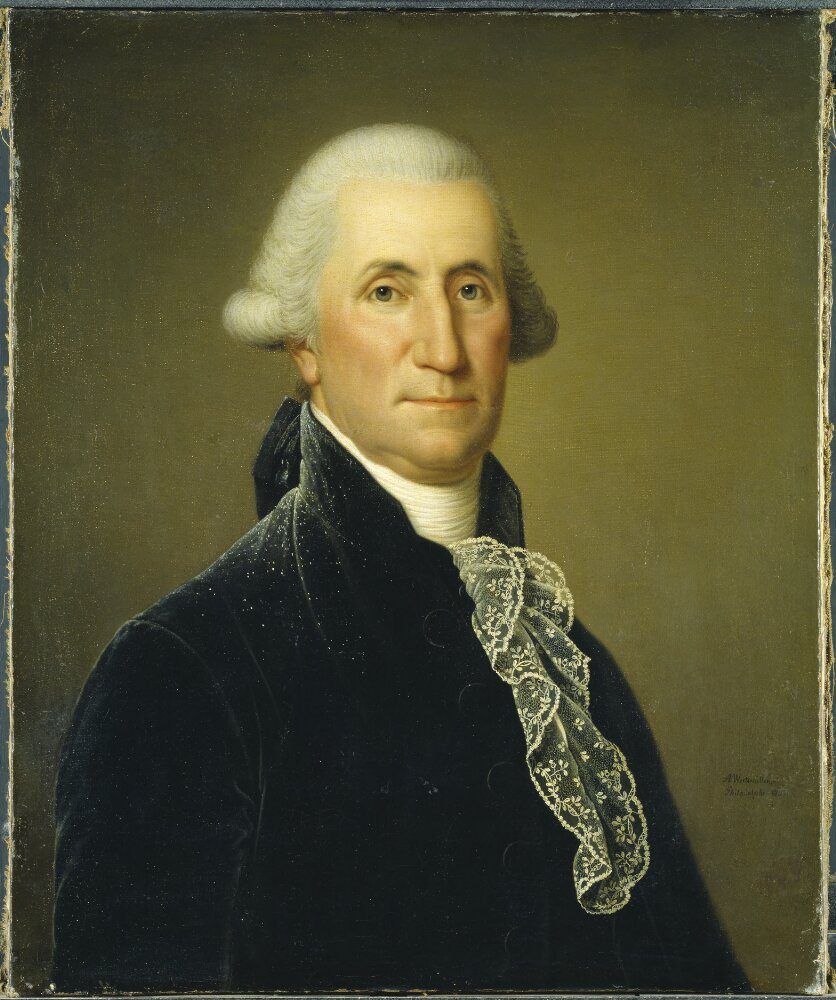
Portrait of George Washington by Wertmüller
Adolf Ulrik Wertmüller · 1795
 Speech
Primary source
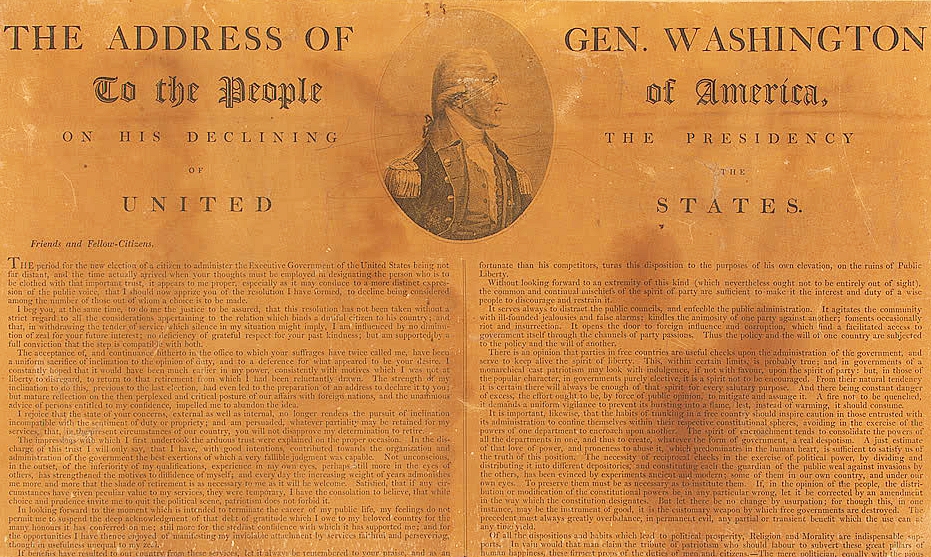
George Washington's Farewell Address
George Washington · 19 September 1796
Ready when you are
Start chatting with George Washington now.
20 messages free · No credit card · Available in 50+ languages.