


Primary sourceArtifactDecember 1948
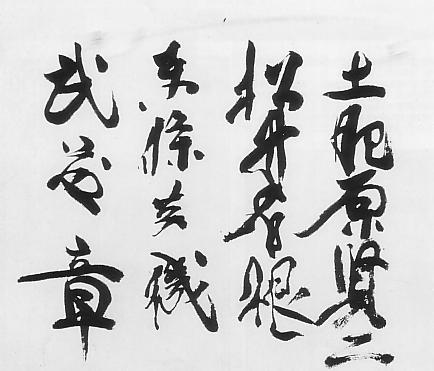
Last writing of Muto, Tojo, Matsui, Doihara
December 1948
A piece of calligraphy written by Tojo and three other condemned Japanese war criminals shortly before their execution in December 1948.
This is Tojo's own final calligraphy, written with three co-defendants shortly before their execution.
About this source
What it is
This is a brush-written calligraphy by Hideki Tojo together with Kenji Doihara, Iwane Matsui, and Akira Muto, all convicted war criminals, created just before their execution in December 1948. The author is unknown, likely preserved by someone present at the time.
Why it matters
This artifact is one of the final personal traces left by Tojo and his co-defendants before their deaths. It shows how condemned men at the end of their lives expressed themselves through a traditional Japanese art form, offering a glimpse into their final thoughts as judged war criminals of the Pacific War.
Look closer
- Why might these men have chosen calligraphy as their final written act?
- What might the choice and style of characters reveal about their state of mind?
- What is missing from this artifact that would help us understand its full meaning?
This artifact is part of the curated material that grounds the AI version of Hideki Tojo on Humy.ai — when students ask about related events, the AI can quote it and cite it.
More Hideki Tojo sources
Meet the AI Hideki Tojo →Primary source
Having Received the Imperial Rescript
Hideki Tojo · 8 December 1941
Primary source
Imperial Edict Declaring War on the United States and the British Empire
8 December 1941
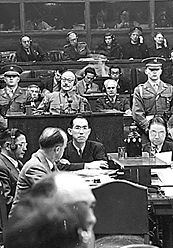 Photograph
Primary source
Tojo Takes the Stand
United States Department of Defense
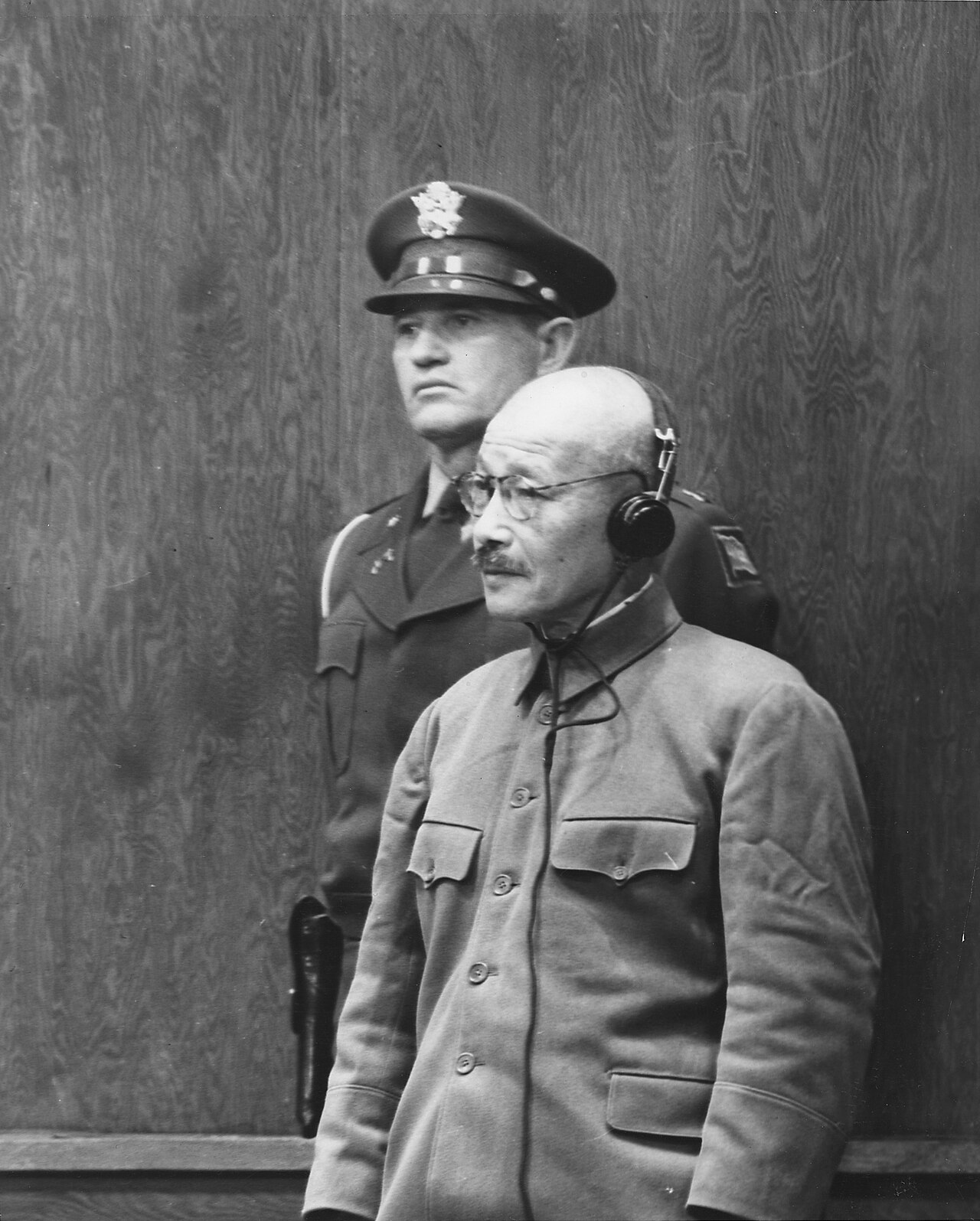 Photograph
Primary source
Tojo Sentenced to Death, Manila Trials Photograph
24 November 1948
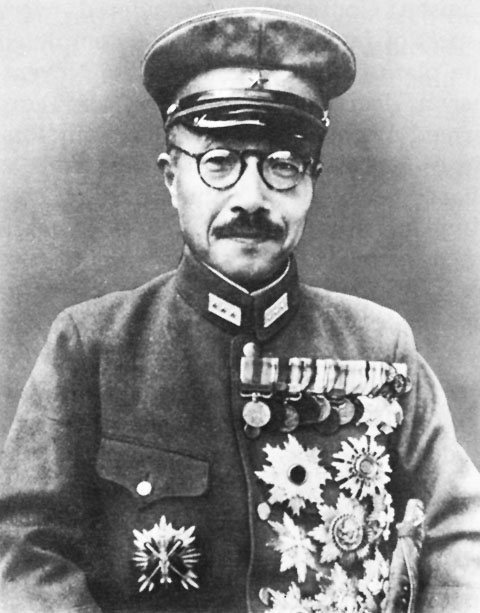 Photograph
Primary source
Portrait of Hideki Tojo
Ready when you are
Start chatting with Hideki Tojo now.
20 messages free · No credit card · Available in 50+ languages.