


Primary sourceDocument7 August 1932
Law of Spikelets
7 August 1932
A harsh 1932 Soviet decree, drafted on Stalin's initiative, making theft of collective farm grain punishable by death during the famine.
The decree was drafted on Stalin's initiative and shows the severity of his policies during the famine caused by collectivisation.
Free Humy account · No credit card · 120,912 sources to read
About this source
What it is
Issued on 7 August 1932 by the Central Executive Committee and Council of People's Commissars, this decree protected state and collective farm property by imposing severe punishments, including execution, for theft. It was signed by Mikhail Kalinin, Vyacheslav Molotov and Avel Enukidze. It became known as the Law of Spikelets because it was used to punish people, often desperate peasants, who gathered leftover grain from harvested fields.
Why it matters
The decree was applied harshly during the Soviet famine of 1932-33, leading to large numbers of convictions and some death sentences, mostly for theft of collective property. It shows how the Soviet state under Stalin treated protection of state property as more important than the suffering of starving peasants, and reveals the extreme measures used to enforce collectivisation.
Look closer
- Who does the law protect, and who does it punish?
- Why might peasants have been gleaning leftover grain from fields?
- What does the severity of the punishment tell you about the priorities of the Soviet state at the time?
This document is part of the curated material that grounds the AI version of Joseph Stalin and Vyacheslav Molotov on Humy.ai — when students ask about related events, the AI can quote it and cite it.
More Joseph Stalin sources
Browse all 95 →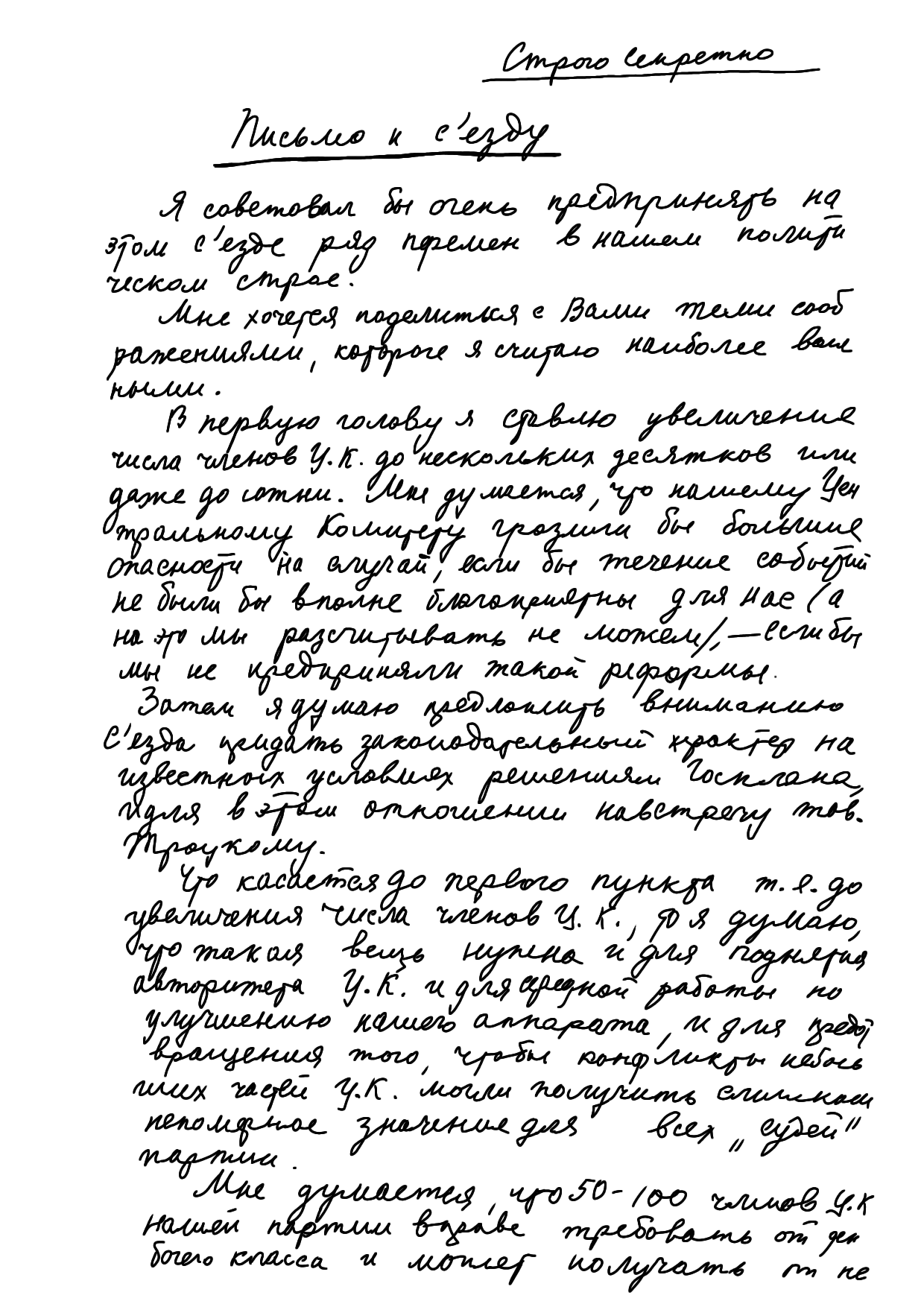 Letter
Primary source
Lenin's Testament
Vladimir Lenin · late 1922 – early 1923
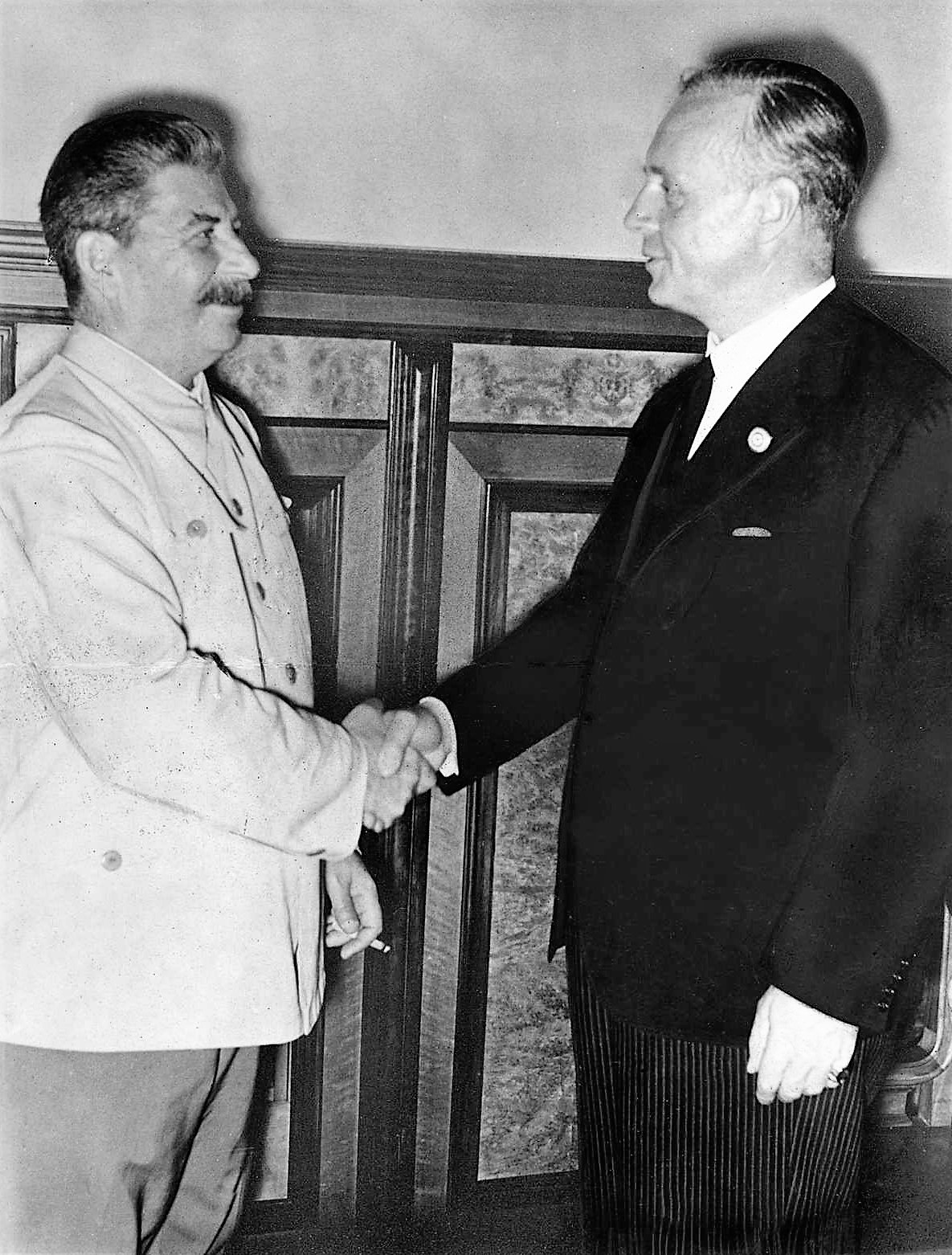 Photograph
Primary source
Stalin and Ribbentrop in the Kremlin
Helmut Laux · August 1939
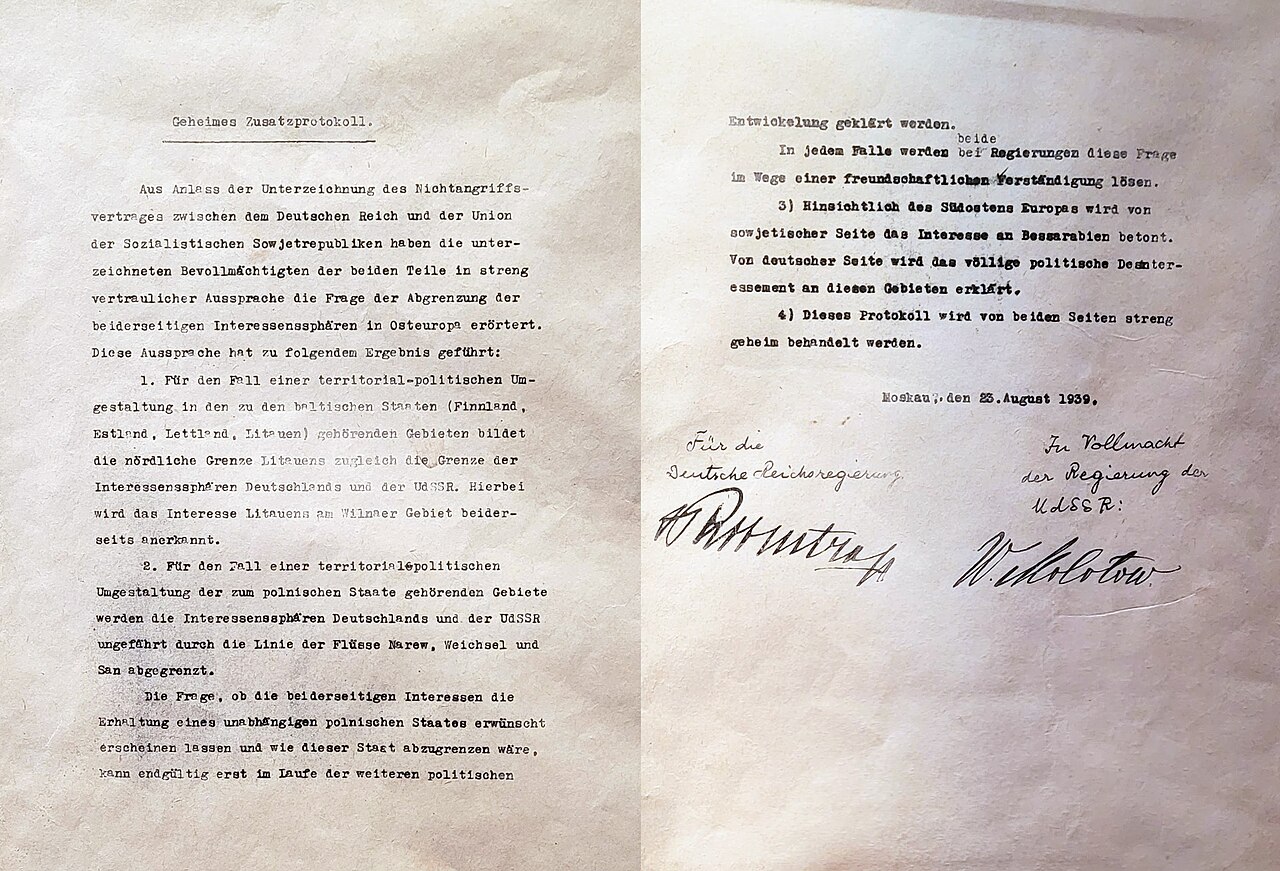 Document
Primary source
Molotov-Ribbentrop Pact
23 August 1939
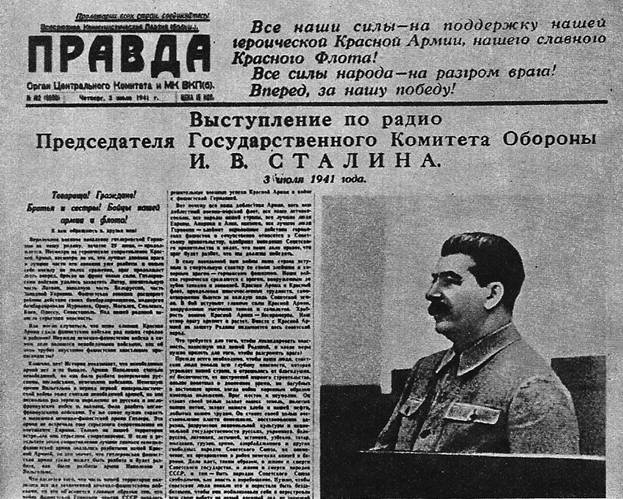 Speech
Primary source
Stalin's Radio Speech of 3 July 1941
Joseph Stalin · 3 July 1941
Free account
Read every Joseph Stalin source
Sign up free →
Ready when you are
Start chatting with Joseph Stalin now.
20 messages free · No credit card · Available in 50+ languages.