


Primary sourceArtifactc. 1525
Lay Figure (Gliederman)
Albrecht Dürer · c. 1525
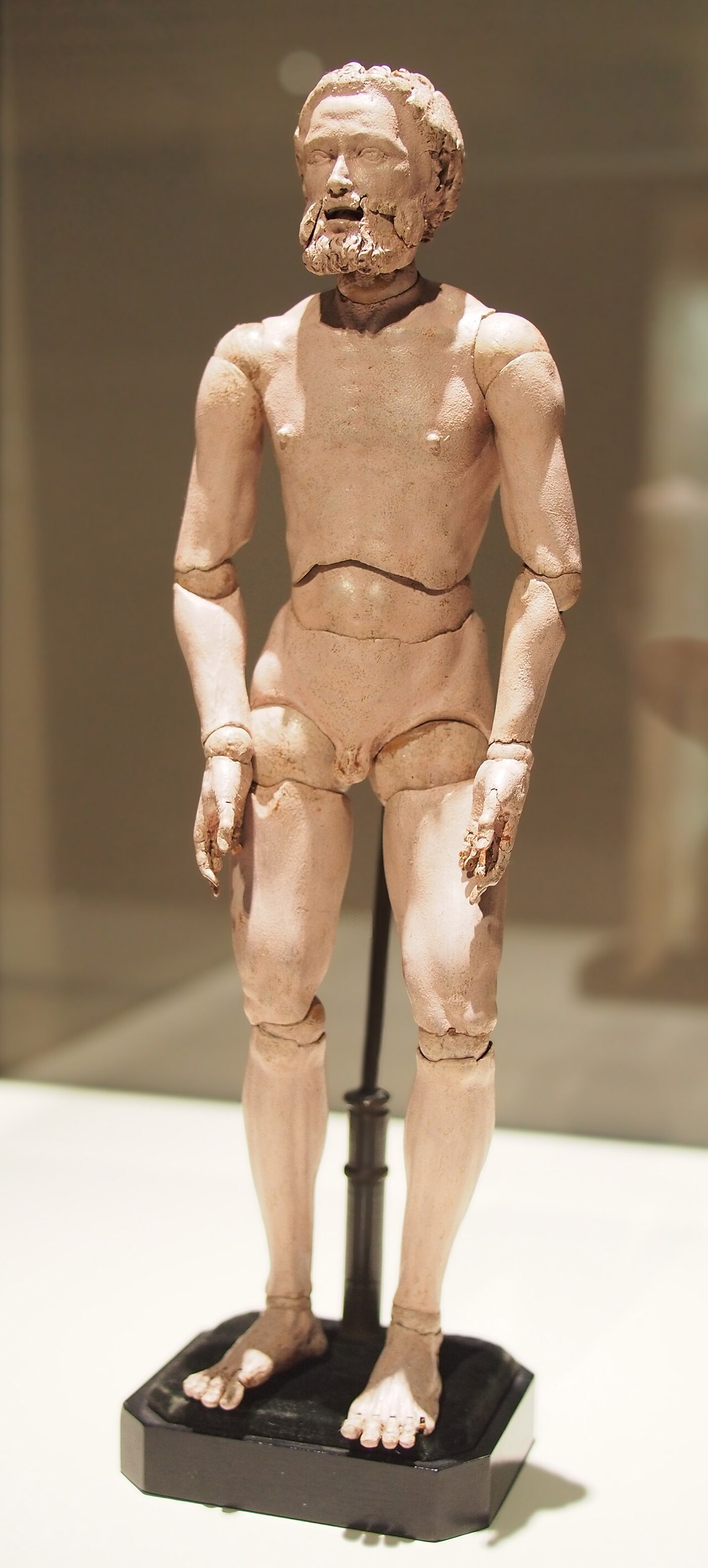
A jointed wooden lay figure that Dürer used to study drapery and the human body, now in the Prado Museum.
This lay figure was a tool Dürer himself used to study the human body and drapery.
About this source
What it is
This boxwood lay figure, about 28 centimeters tall, was made around 1525 and used by Albrecht Dürer. The photograph itself was taken in 2018 by Luis Fernández García and shows the object as displayed in the Prado Museum in Madrid.
Why it matters
Artists used jointed lay figures like this one to pose and study the human body and the way drapery falls over it, without needing a live model at all times. This object shows the practical, almost scientific side of Dürer's working methods as he tried to understand proportion and anatomy for his paintings and prints.
Look closer
- What does the jointed design let an artist do that a drawing from memory cannot?
- Why might Dürer have wanted a tool like this, given his interest in proportion?
- What does the figure's expression or pose suggest about how it might have been used?
This artifact is part of the curated material that grounds the AI version of Albrecht Dürer on Humy.ai — when students ask about related events, the AI can quote it and cite it.
More Albrecht Dürer sources
Meet the AI Albrecht Dürer →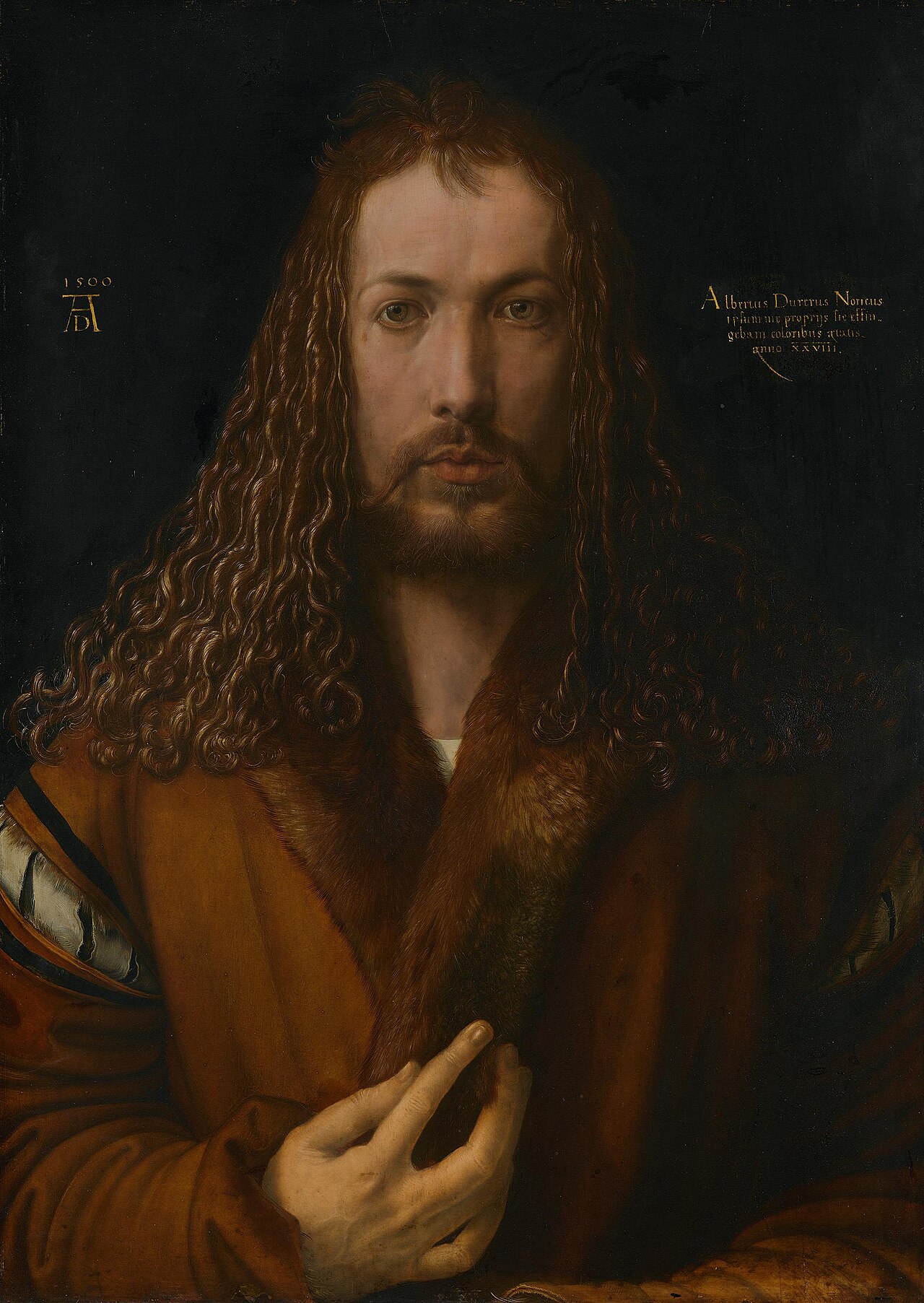 Painting
Primary source
Self-Portrait with Fur-Trimmed Robe
Albrecht Dürer · 1500
 Painting
Primary source
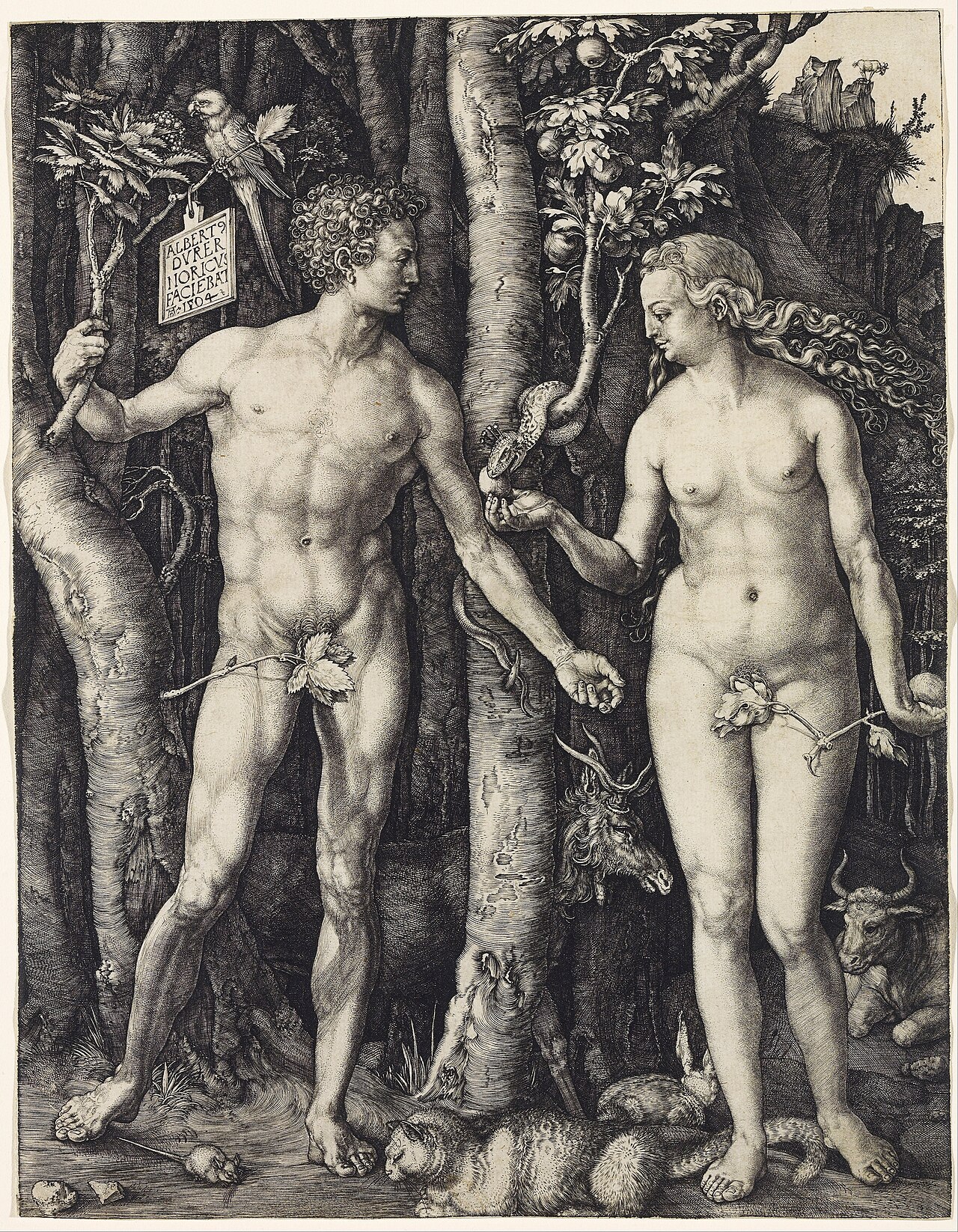
Adam and Eve
Albrecht Dürer · 1504
 Painting
Primary source
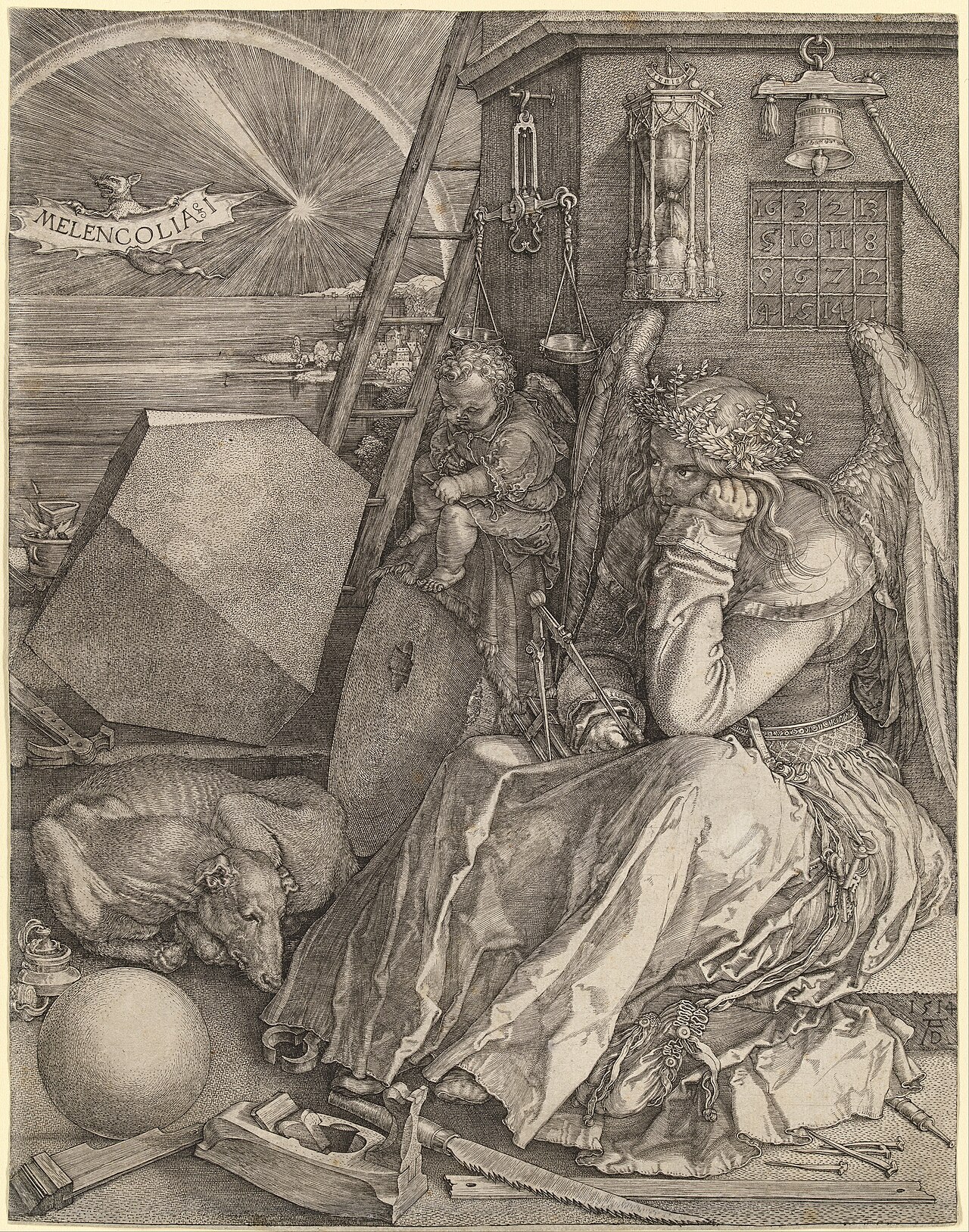
Melencolia I
Albrecht Dürer · 1514
 Painting
Primary source
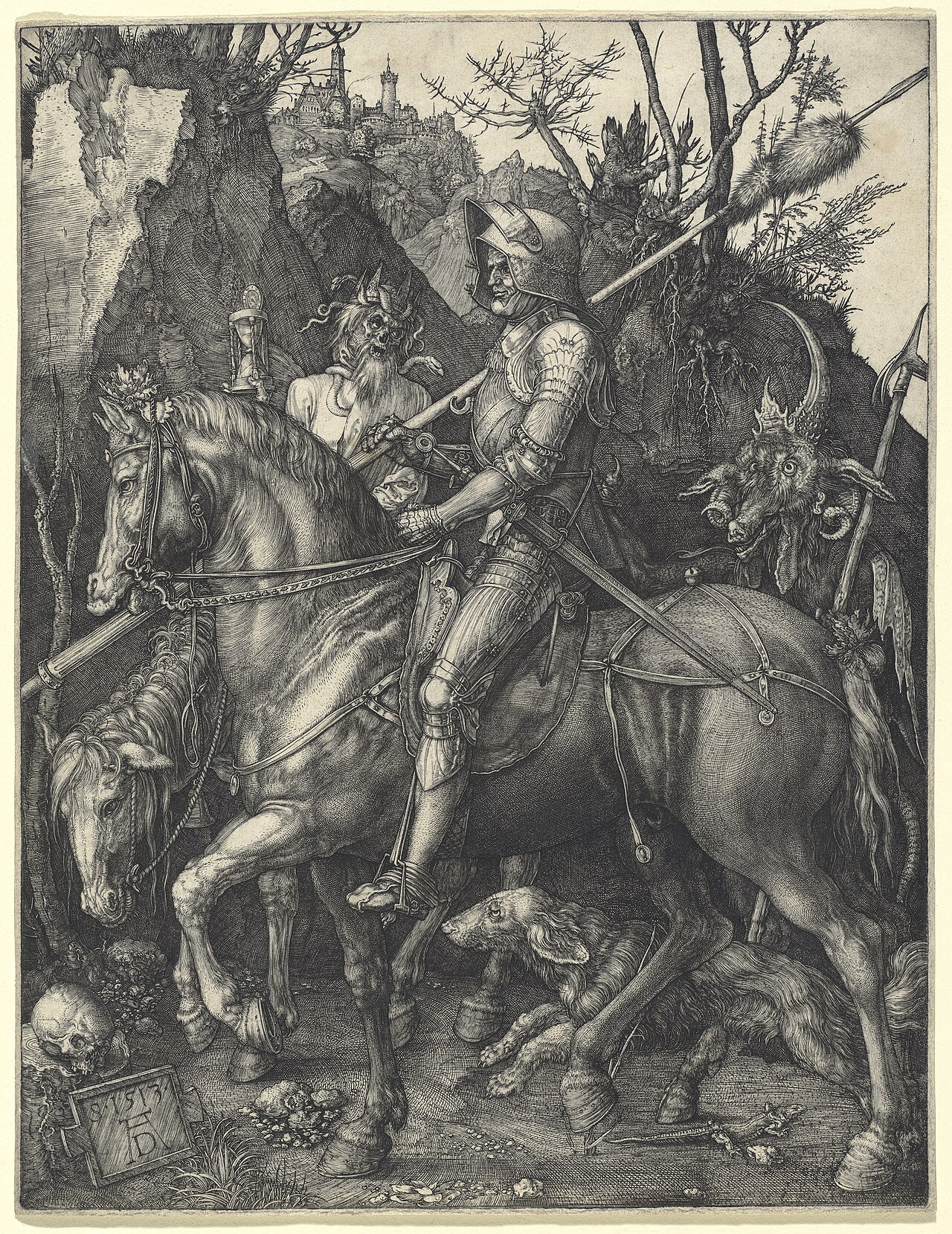
Knight, Death and the Devil
Albrecht Dürer · 1513
 Painting
Primary source
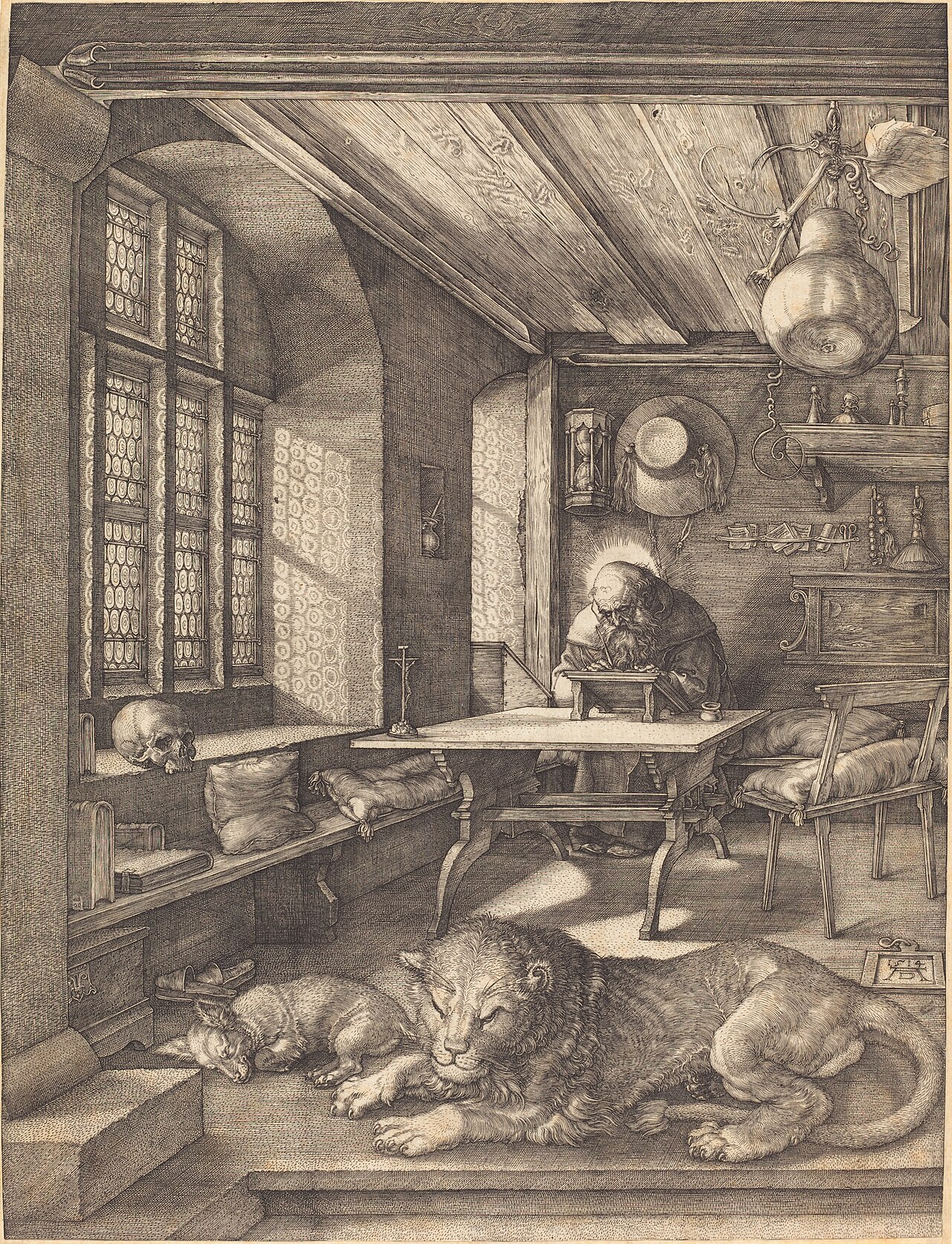
St. Jerome in His Study
Albrecht Dürer · 1514
Ready when you are
Start chatting with Albrecht Dürer now.
20 messages free · No credit card · Available in 50+ languages.