


Primary sourceBook1855
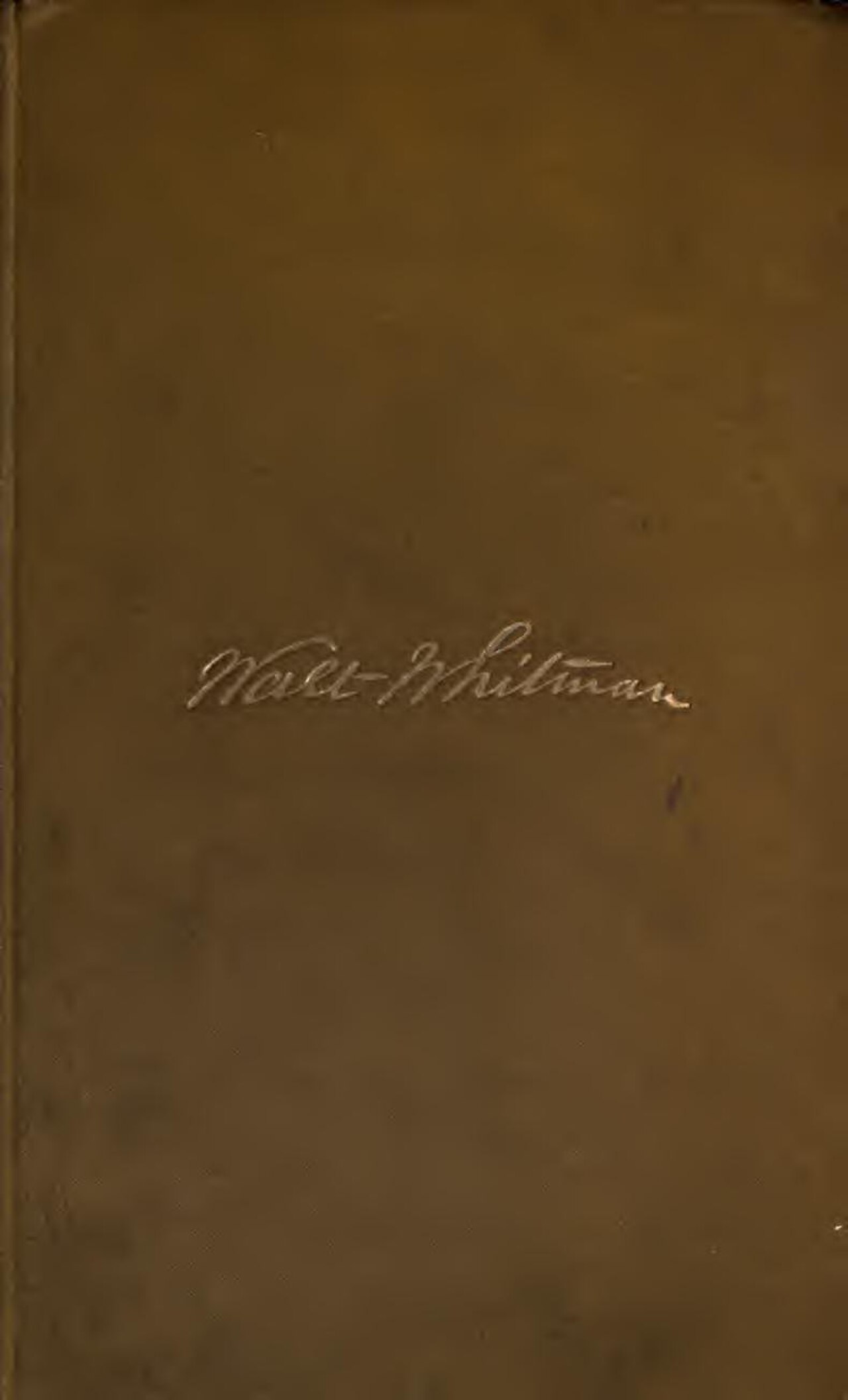
Leaves of Grass
Walt Whitman · 1855
Whitman's self-published 1855 poetry collection, revised across his lifetime, introduced American free verse and defined his career.
This is Whitman's defining life's work, self-published and continually revised by him until his death.
Free Humy account · No credit card · 53,307 sources to read
About this source
What it is
Leaves of Grass is a poetry collection first self-published by Walt Whitman on 4 July 1855 in Brooklyn. Whitman paid for printing and set much of the type himself. He kept revising and expanding it until his death in 1892, producing several different editions, from twelve poems in 1855 to over four hundred later.
Why it matters
The book broke with rhyme and regular meter, helping create American free verse. It praised the body, nature and democracy at a time when such openness about sensuality was considered shocking, and it drew both admiration (notably from Ralph Waldo Emerson) and harsh criticism. It grew to include Whitman's poems on the Civil War and Lincoln's death.
Look closer
- Why might Whitman have left his name off the first edition and used an engraving of himself instead?
- How does writing without rhyme or fixed meter change how a poem feels to read aloud?
- Why do you think Whitman kept rewriting this book for nearly forty years?
This book is part of the curated material that grounds the AI version of Walt Whitman on Humy.ai — when students ask about related events, the AI can quote it and cite it.
More Walt Whitman sources
Browse all 96 →Primary source
Song of Myself
Walt Whitman · 1855
 Book
Secondary source
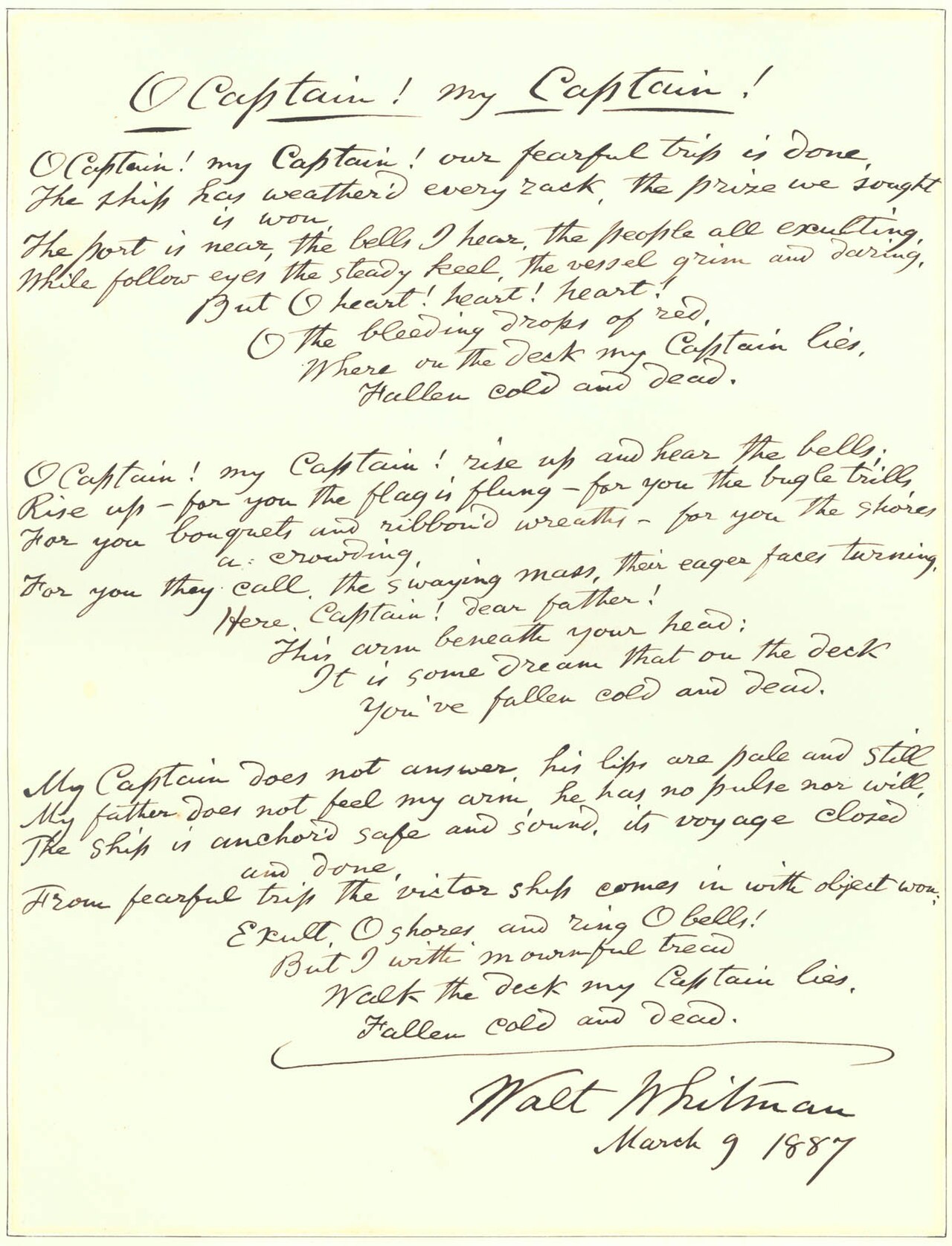
O Captain! My Captain!
Walt Whitman · 1865 (manuscript shown dated 1887)
 Book
Primary source
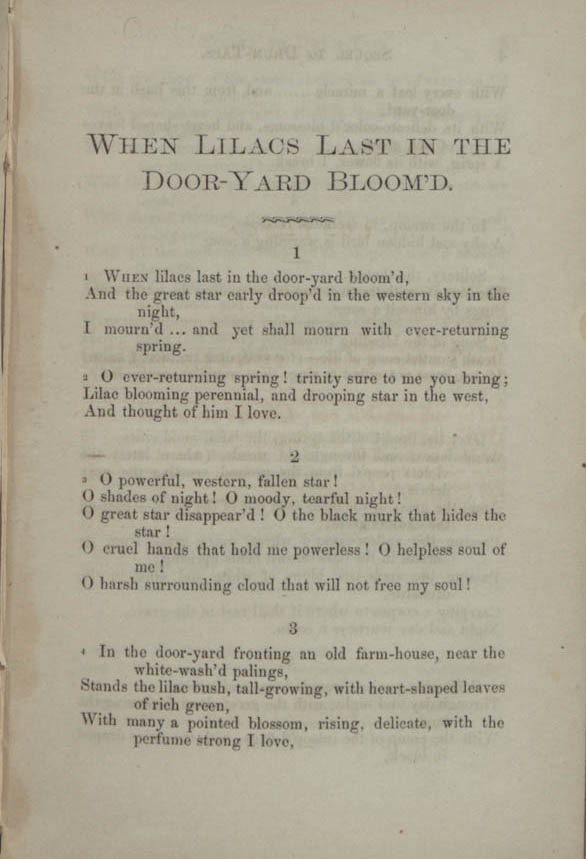
When Lilacs Last in the Dooryard Bloom'd
Walt Whitman · 1865
 Letter
Primary source
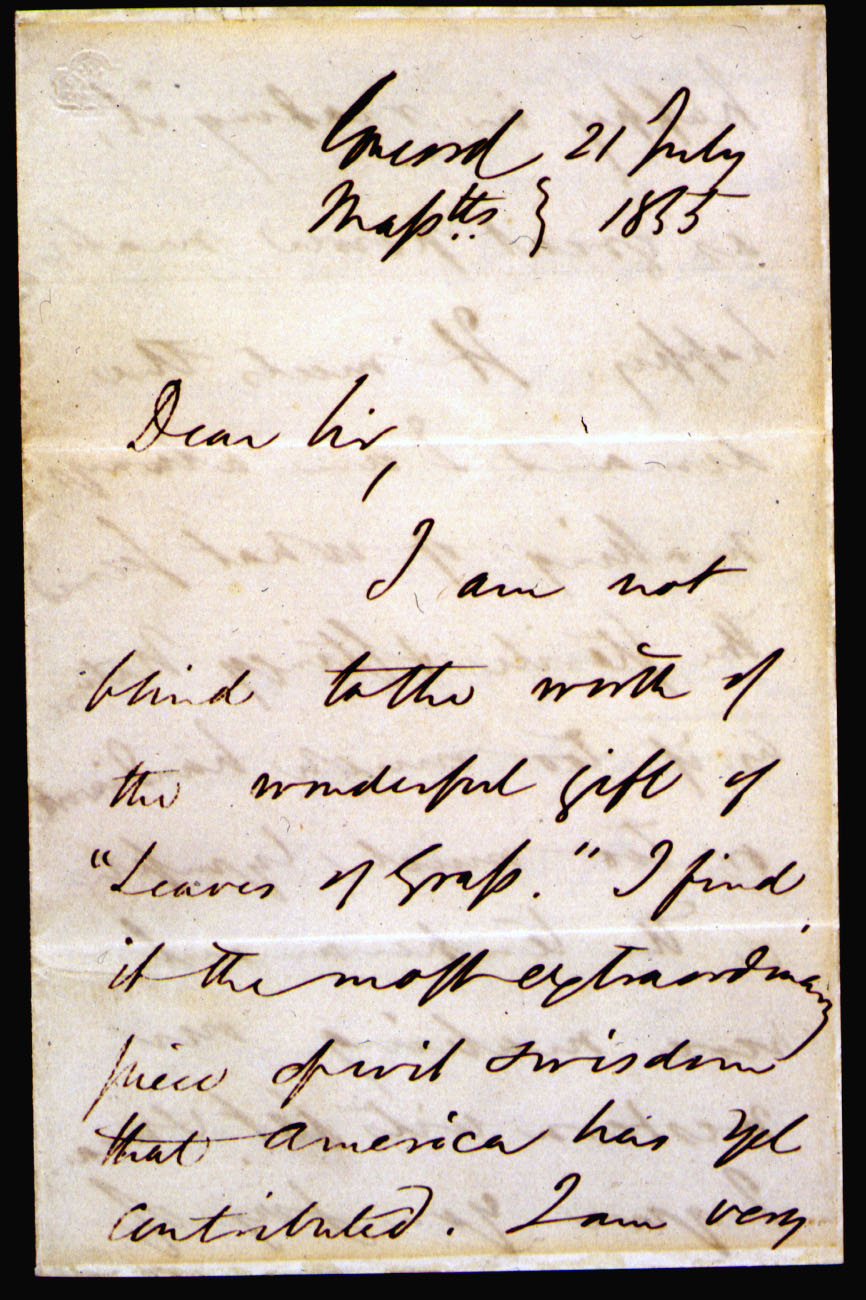
Emerson's Letter to Whitman
Ralph Waldo Emerson · 21 July 1855
Free account
Browse every Walt Whitman source
Sign up free →
Ready when you are
Start chatting with Walt Whitman now.
20 messages free · No credit card · Available in 50+ languages.