


Secondary sourcePainting1934
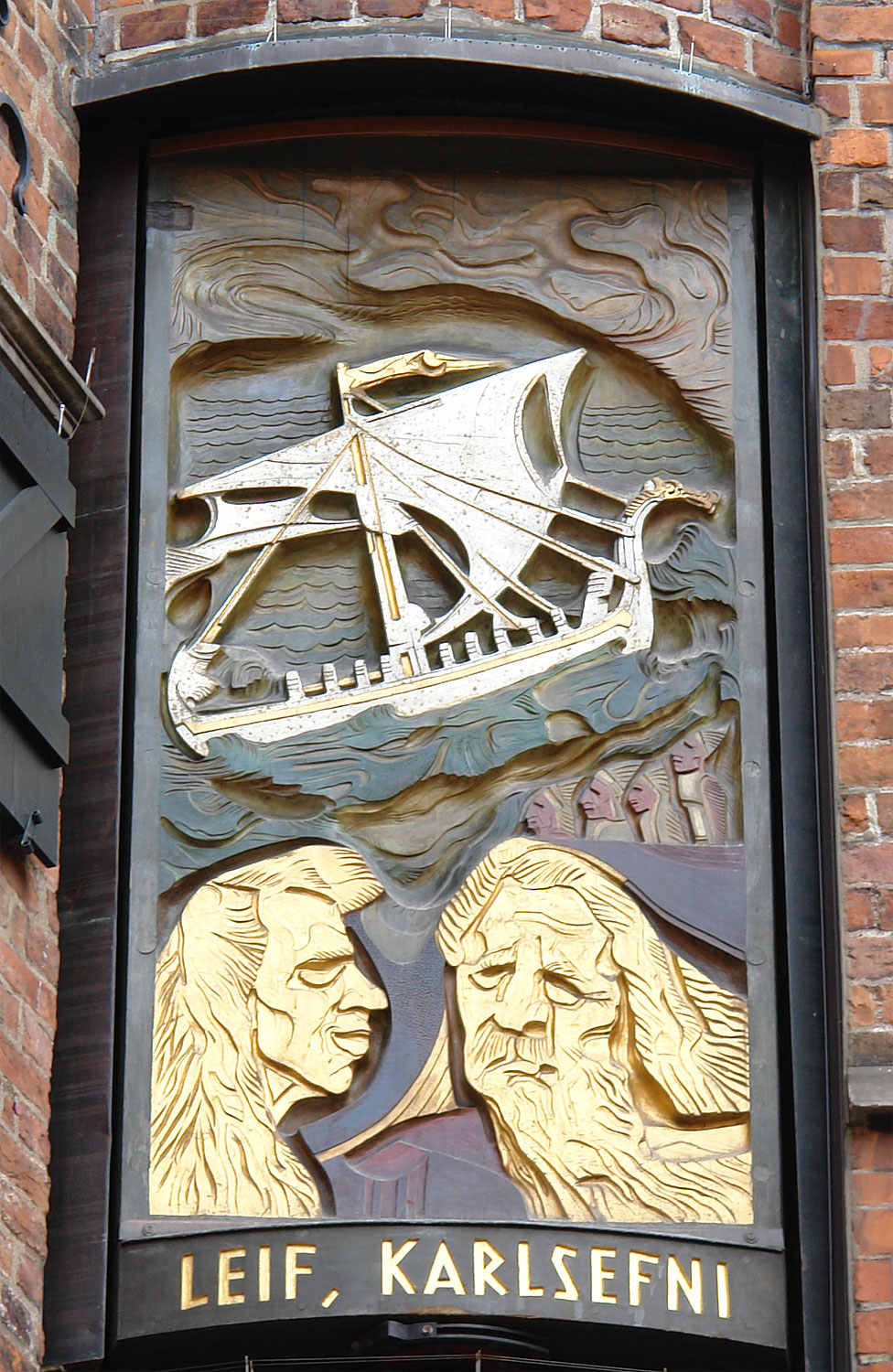
Leif, der Glückliche, Sohn Eriks des Roten
Bernhard Hoetger · 1934
A 1934 carved relief panel by Bernhard Hoetger imagining Leif the Lucky, son of Erik the Red.
A 1934 imagined artistic depiction of Leif Eriksson, named directly in the inscription.
About this source
What it is
This is a carved and painted relief panel created by the German artist Bernhard Hoetger in 1934, part of a series of ten illustrated plates. It shows a Viking-style longship with a dragon-headed prow above two carved heads of bearded men, with the names "LEIF" and "KARLSEFNI" inscribed below.
Why it matters
Made nearly a thousand years after Leif Eriksson lived, this artwork is not historical evidence about him but a modern imagining. It links Leif to Thorfinn Karlsefni, another Norse explorer associated with voyages to North America. The piece shows how Viking explorers were depicted in early 20th-century European art and architecture.
Look closer
- Why do you think the artist combined Leif's image with a ship design?
- What might the choice of materials and placement on a building facade tell us about how this artwork was meant to be seen?
- What does this tell us about how Vikings were viewed in Germany in the 1930s?
This painting is part of the curated material that grounds the AI version of Leif Erikson on Humy.ai — when students ask about related events, the AI can quote it and cite it.
More Leif Erikson sources
Meet the AI Leif Erikson →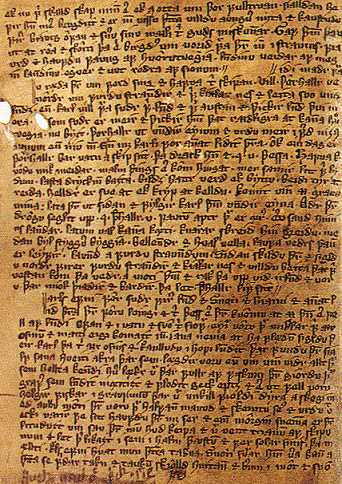 Book
Secondary source
Saga of Erik the Red
c. 1300 (manuscript); events set c. 1000
 Document
Secondary source
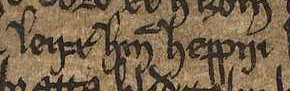
Leifr hinn heppni
early 14th century
 Artifact
Primary source
L'Anse aux Meadows Norse site
Norse Greenlanders · c. 1000-1021
 Book
Secondary source
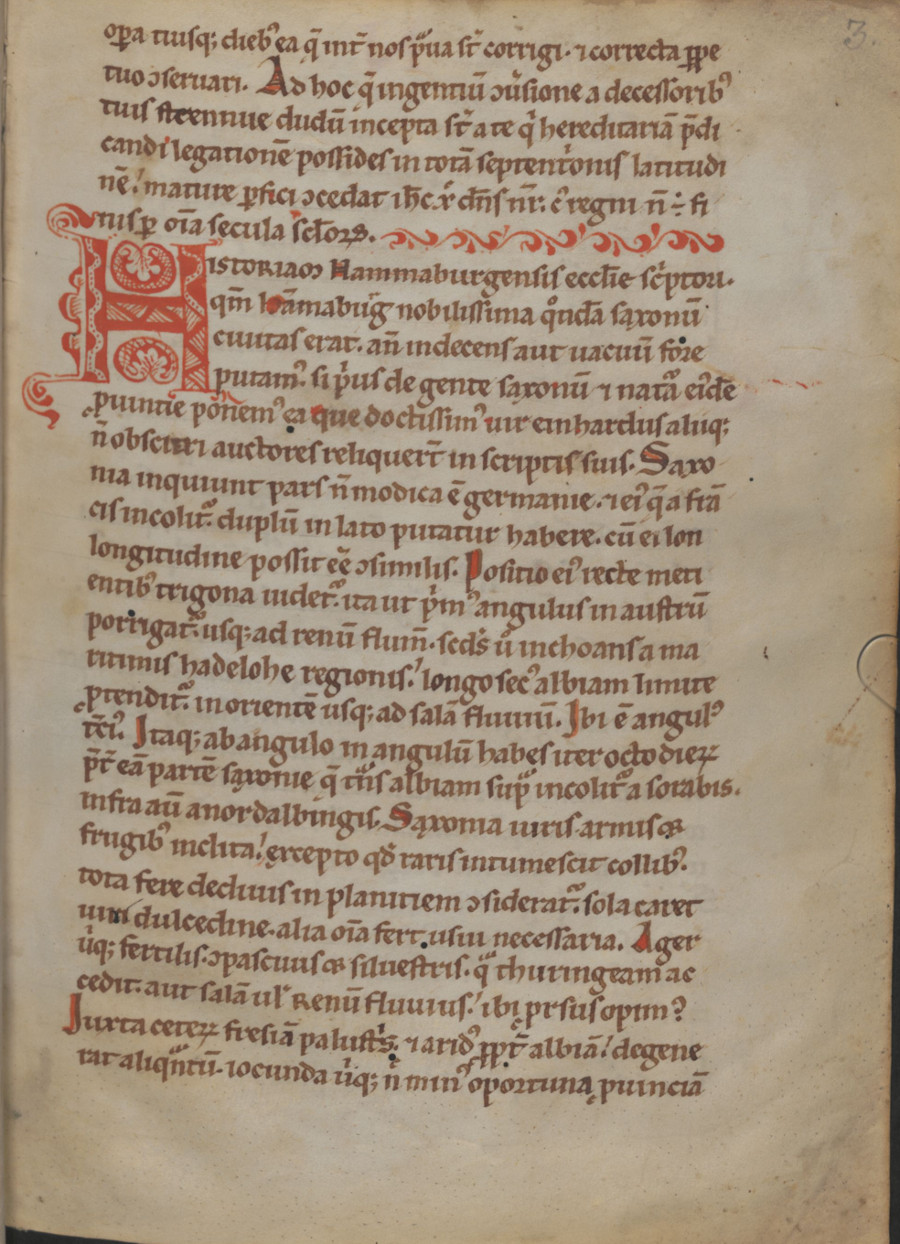
Gesta Hammaburgensis ecclesiae pontificum
Adam of Bremen · 1073-1076
 Book
Secondary source
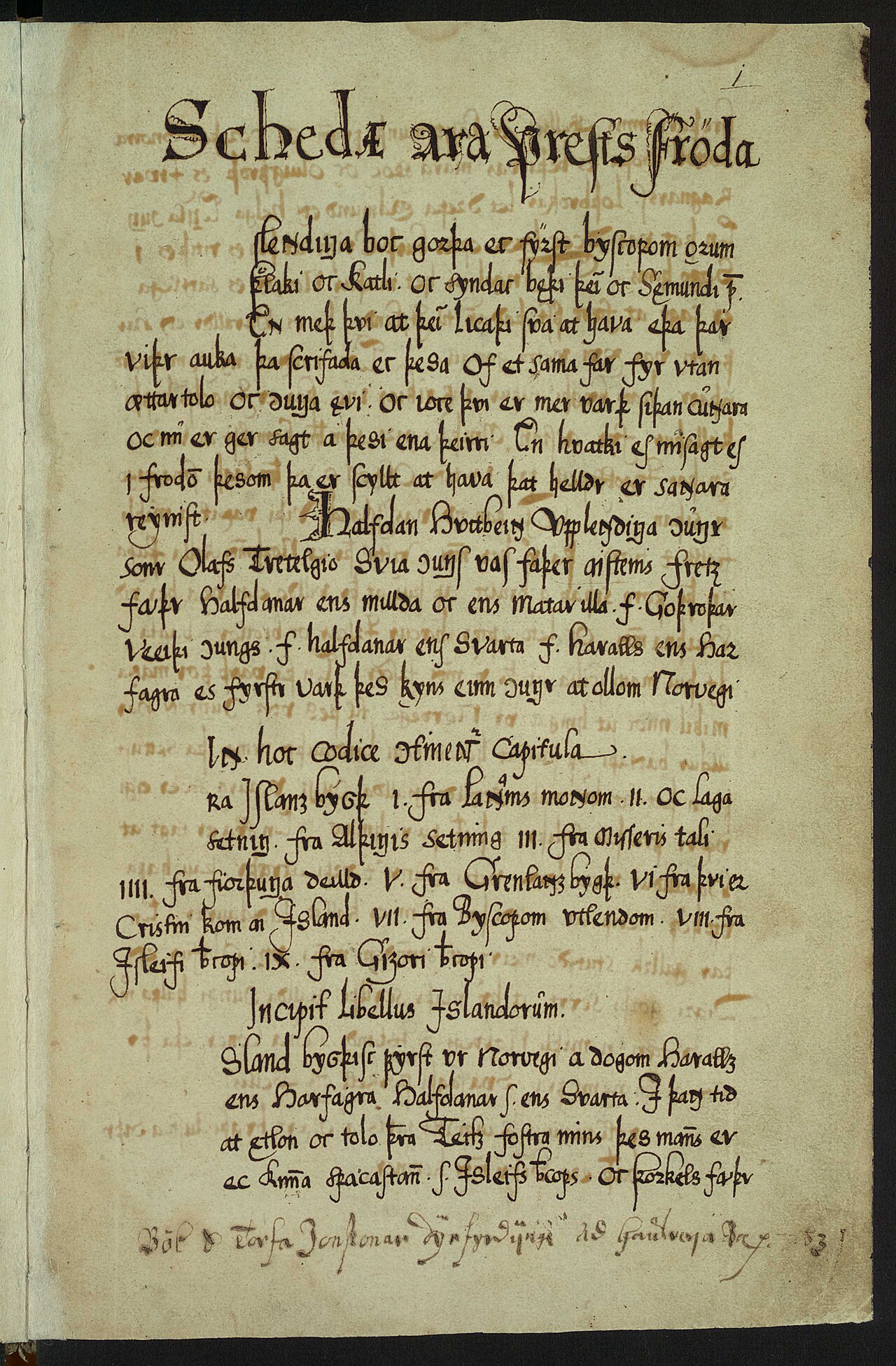
Íslendingabók
Ari Þorgilsson · c. 1122-1133
Ready when you are
Start chatting with Leif Erikson now.
20 messages free · No credit card · Available in 50+ languages.