


Secondary sourceSculpture1932
Leifr Eiricsson (Reykjavík statue)
Alexander Stirling Calder · 1932
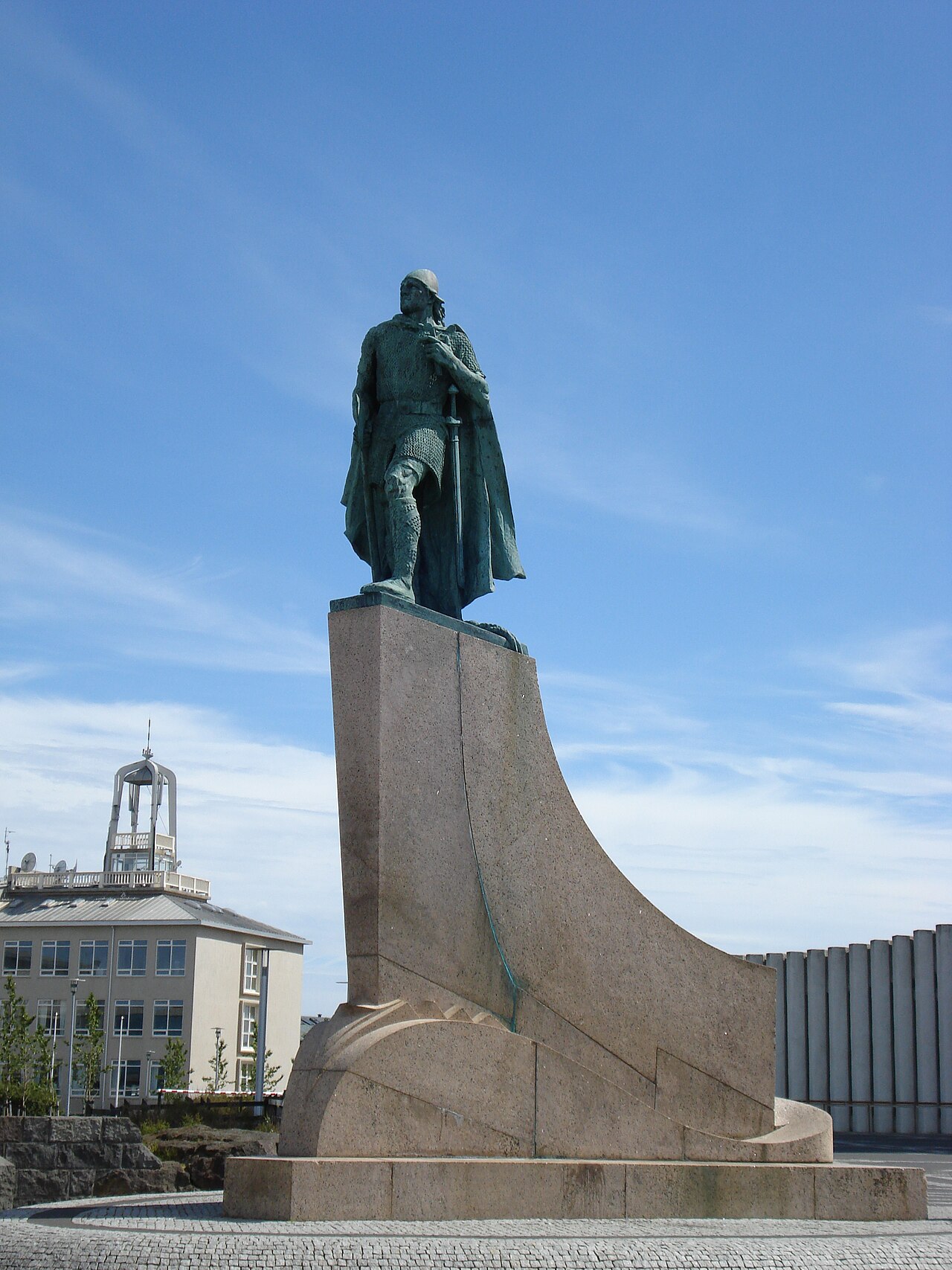
A 1932 bronze statue of Leif Erikson by Alexander Stirling Calder, given by the United States to Iceland to mark the 1,000th anniversary of its parliament.
This statue commemorates Leif Erikson as a symbol of US-Icelandic-Norwegian national pride.
About this source
What it is
This bronze statue was created by American sculptor Alexander Stirling Calder and unveiled in 1932 on a hill in Reykjavík, Iceland. It was commissioned by the US Congress as a gift to the Icelandic people for the millennium of the Althing, Iceland's parliament. The statue shows Leif in a helmet and chainmail holding a sword, standing on a granite pedestal shaped like a ship's prow.
Why it matters
The gift was a diplomatic gesture: Icelanders saw it as US recognition that Leif was Icelandic, at a time when Norwegian Americans also claimed him as their countryman. It shows how a figure from a thousand years earlier could become a symbol used in modern politics and national pride, connecting the United States, Iceland and Norway.
Look closer
- Why might a government choose a statue, rather than another kind of gift, to mark this anniversary?
- What does the choice of spelling on the inscription tell you about disputes over Leif's identity?
- How does the ship-shaped pedestal connect to Leif's story?
This sculpture is part of the curated material that grounds the AI version of Leif Erikson on Humy.ai — when students ask about related events, the AI can quote it and cite it.
More Leif Erikson sources
Meet the AI Leif Erikson →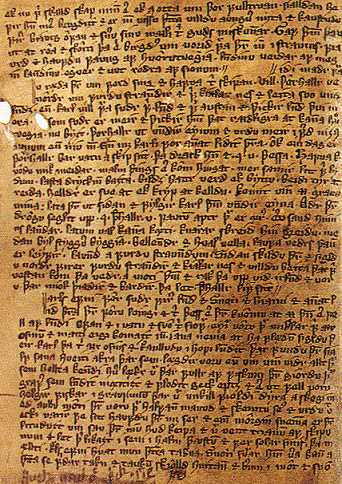 Book
Secondary source
Saga of Erik the Red
c. 1300 (manuscript); events set c. 1000
 Document
Secondary source
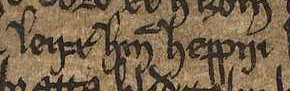
Leifr hinn heppni
early 14th century
 Artifact
Primary source
L'Anse aux Meadows Norse site
Norse Greenlanders · c. 1000-1021
 Book
Secondary source
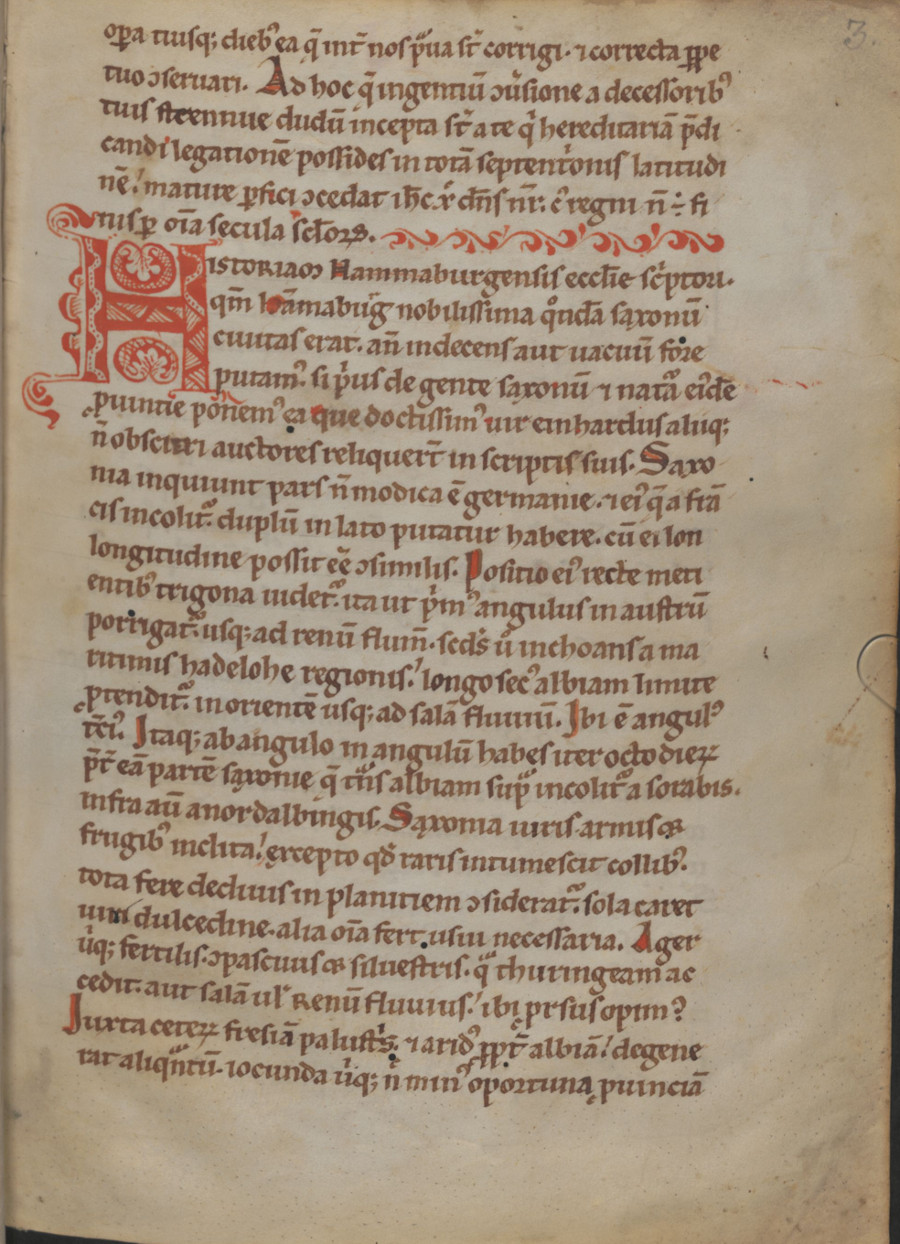
Gesta Hammaburgensis ecclesiae pontificum
Adam of Bremen · 1073-1076
 Book
Secondary source
Íslendingabók
Ari Þorgilsson · c. 1122-1133
Ready when you are
Start chatting with Leif Erikson now.
20 messages free · No credit card · Available in 50+ languages.