


Primary sourceLetter6 April 1917
Lenin's Telegram to Henri Guilbeaux
Vladimir Lenin · 6 April 1917
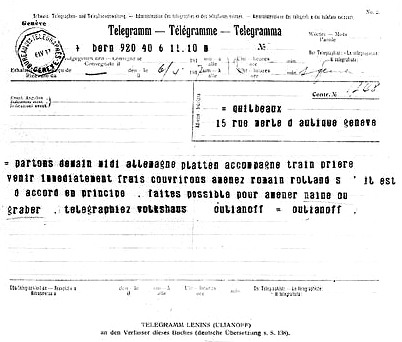
A telegram sent by Lenin from Switzerland on 6 April 1917, on the eve of his journey back to Russia through Germany.
Lenin's own telegram, sent just before his return to Russia, shows him coordinating allies for his journey.
About this source
What it is
This is a scanned telegram sent by Vladimir Lenin to Henri Guilbeaux, a French journalist and socialist, on 6 April 1917. It was sent from Geneva, Switzerland, just before Lenin left for Russia on the famous sealed train through Germany.
The message, written in French, announces that Lenin and his group are leaving the next day and asks Guilbeaux to come immediately, offering to cover expenses. It also asks him to try to bring along Romain Rolland, the writer, as well as Charles Naine and Ernest-Paul Graber, two Swiss socialist politicians.
Why it matters
This telegram captures a tense moment just before one of the turning points of the Russian Revolution: Lenin's return to Russia from exile. It shows him organising his network of socialist allies and contacts across Europe in the final hours before this journey.
Look closer
- Why might Lenin have wanted well-known figures like Romain Rolland to be involved?
- What does the urgency of the message tell you about the moment?
- What does a telegram like this reveal about how revolutionaries organised across borders in 1917?
This letter is part of the curated material that grounds the AI version of Vladimir Lenin on Humy.ai — when students ask about related events, the AI can quote it and cite it.
More Vladimir Lenin sources
Meet the AI Vladimir Lenin →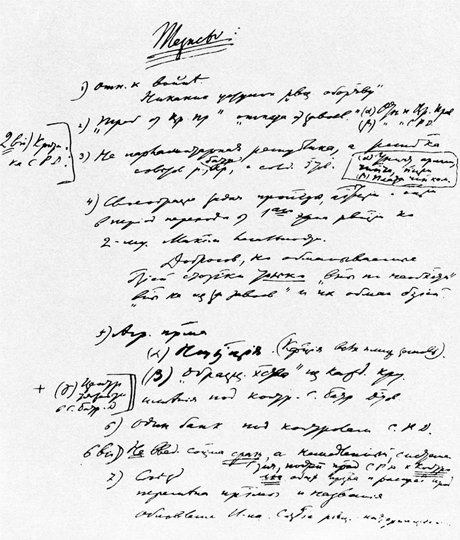 Document
Primary source
April Theses
Vladimir Lenin · 3/16 April 1917
 Photograph
Primary source
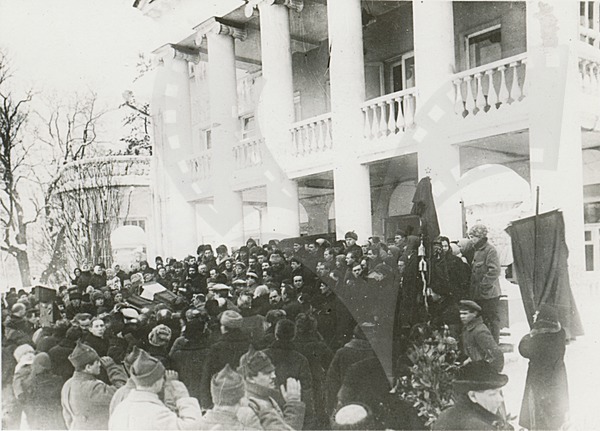
Georgi Dimitrov at Lenin's Funeral
January 1924
 Book
Primary source
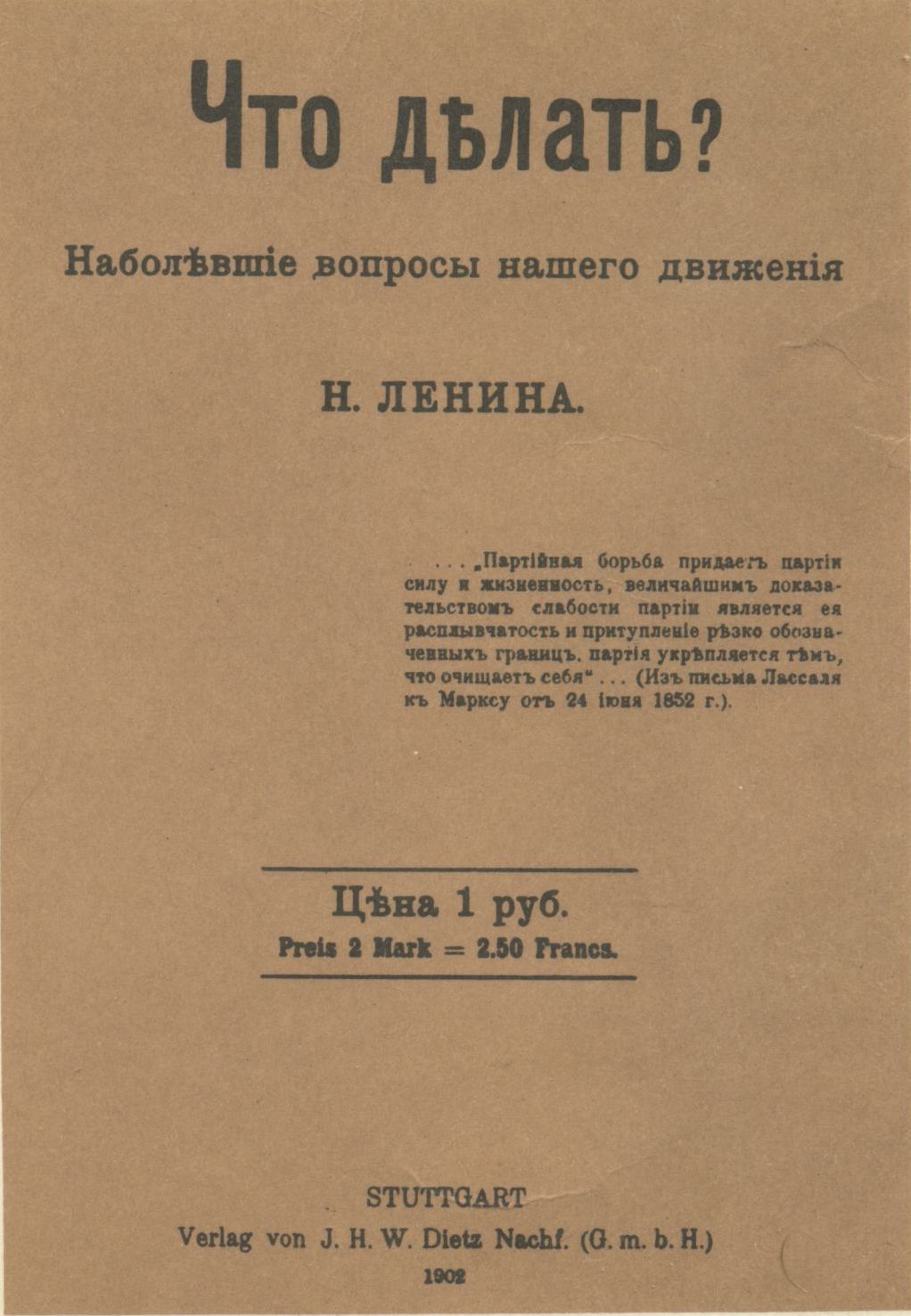
What Is to Be Done?
Vladimir Lenin · 1901 (published 1902)
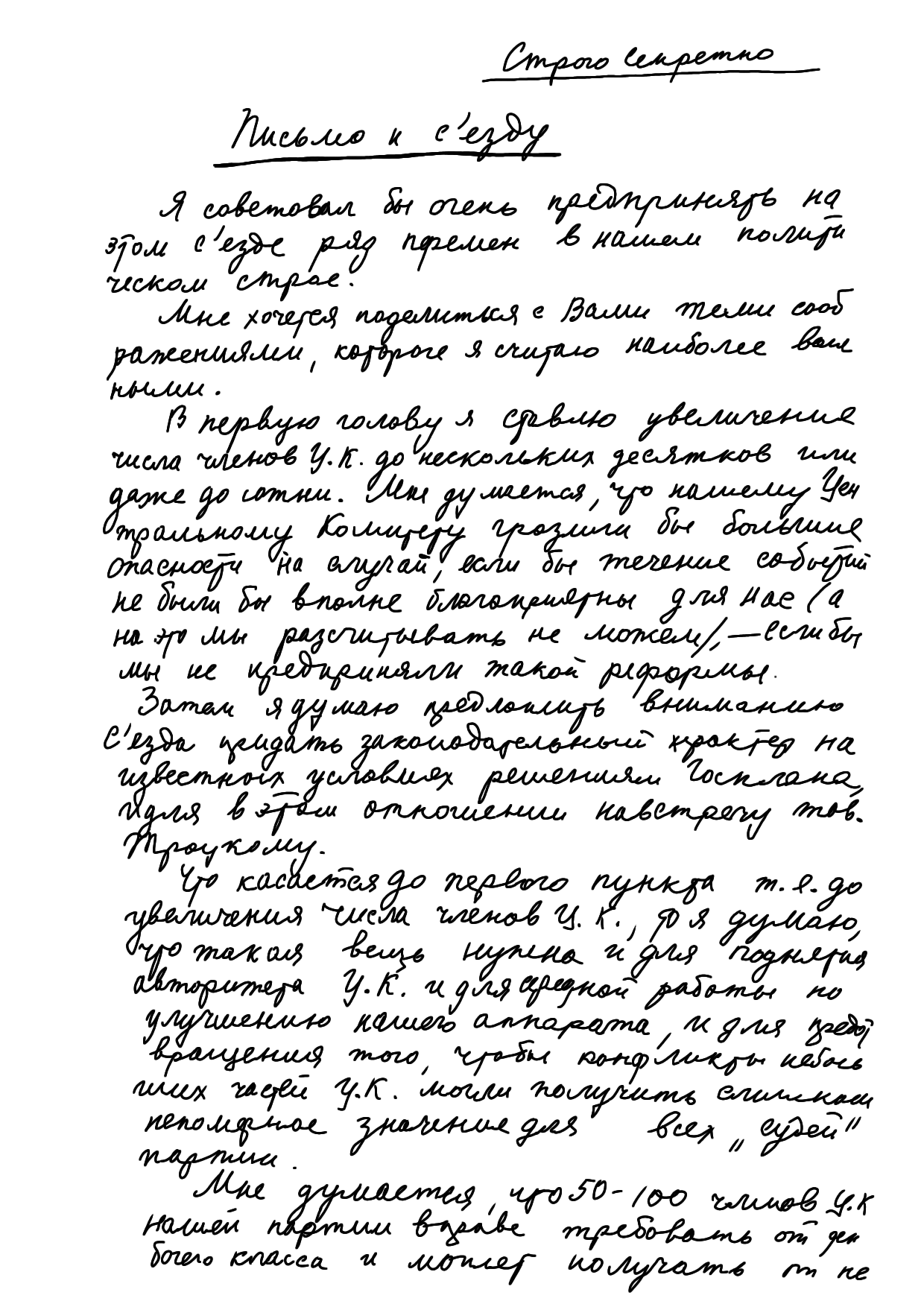 Letter
Primary source
Lenin's Testament
Vladimir Lenin · late 1922 – early 1923
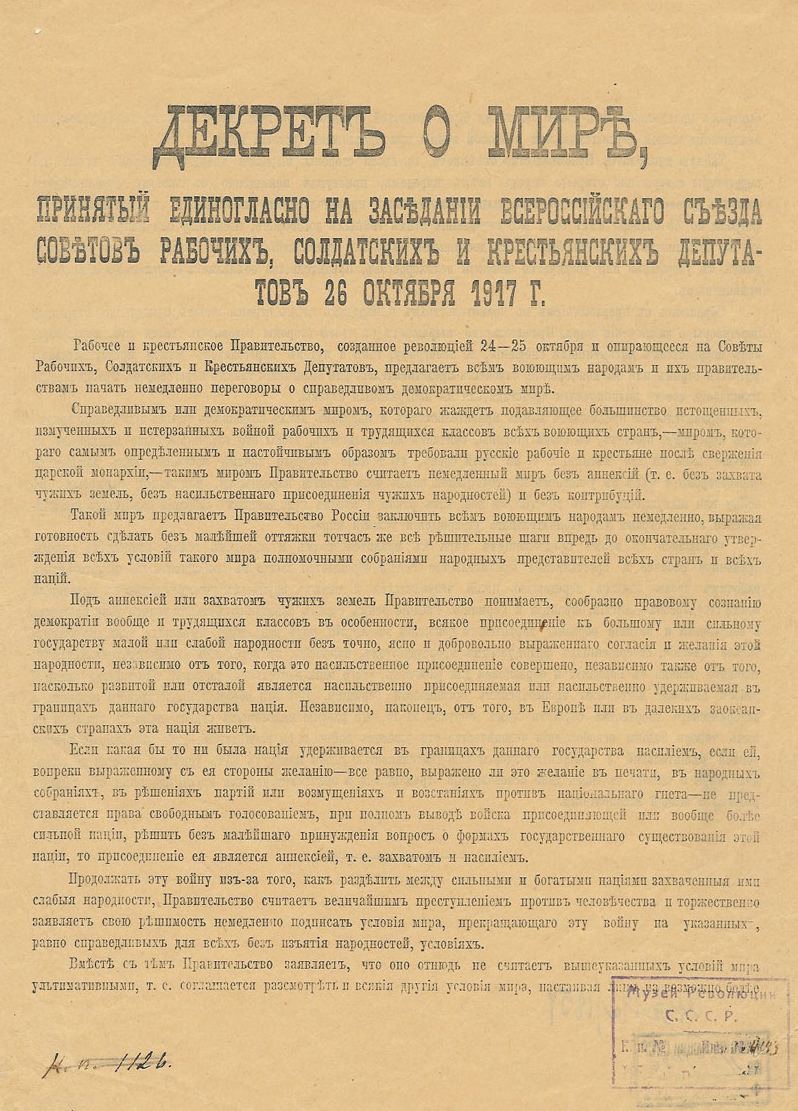 Document
Primary source
Decree on Peace
Vladimir Lenin · 8 November 1917 (26 October O.S.)
Ready when you are
Start chatting with Vladimir Lenin now.
20 messages free · No credit card · Available in 50+ languages.