


Primary sourceLetter2 February 1816
Letter from Carlos María de Alvear to San Martín
Carlos María de Alvear · 2 February 1816
A letter written from Rio de Janeiro in 1816 by Carlos María de Alvear to San Martín. Alvear describes his exile, his money troubles and the accusations made by his enemies.
Written to San Martín by a contemporary rival in the independence struggle, it shows the personal and financial quarrels among leaders of the time.
About this source
What it is
This is a letter dated Rio de Janeiro, 2 February 1816, addressed to San Martín as a friend. Its writer, Carlos María de Alvear, says he was driven out of his own country and had found a new home in Rio under the protection of a prince. He writes that his property was seized, that he was ruined by helping friends who never repaid him, and that his enemies had spread false charges about money. The text here is a transcription on Spanish Wikisource, not a photograph of the original paper.
Why it matters
The letter shows that the independence struggle also involved personal rivalries, exile and money disputes among its leaders. Alvear and San Martín had worked together, and Alvear wrote to ask whether San Martín still held resentment toward him, since their common enemies had tried to turn them against each other. Letters like this show how politics was carried on through private friendship and reputation, not only through official documents.
Look closer
- What does Alvear want San Martín to believe about him, and why?
- Which parts of the letter describe facts, and which parts are his own defence?
- What does the letter leave out about the wider war or about Alvear's side of the quarrel?
This letter is part of the curated material that grounds the AI version of José de San Martín on Humy.ai — when students ask about related events, the AI can quote it and cite it.
More José de San Martín sources
Meet the AI José de San Martín →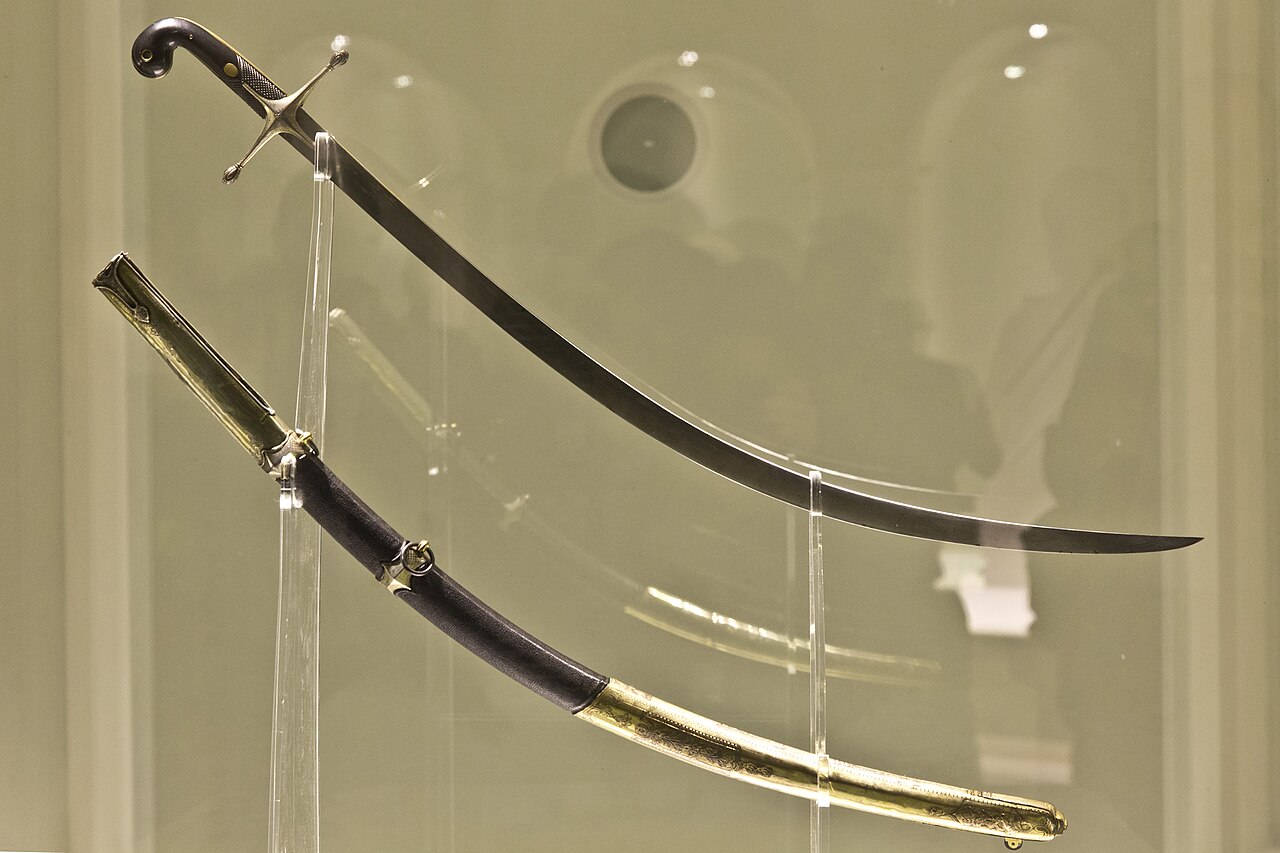 Artifact
Primary source
Curved Saber of San Martín
early 19th century
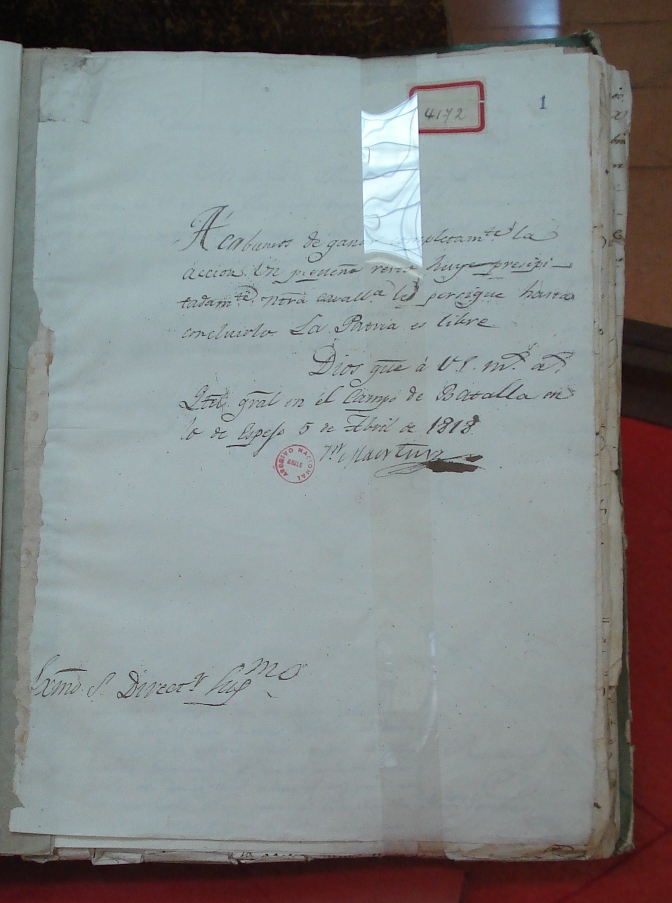 Letter
Primary source
Letter to Bernardo O'Higgins Announcing the Victory at Maipú
José de San Martín · 5 April 1818
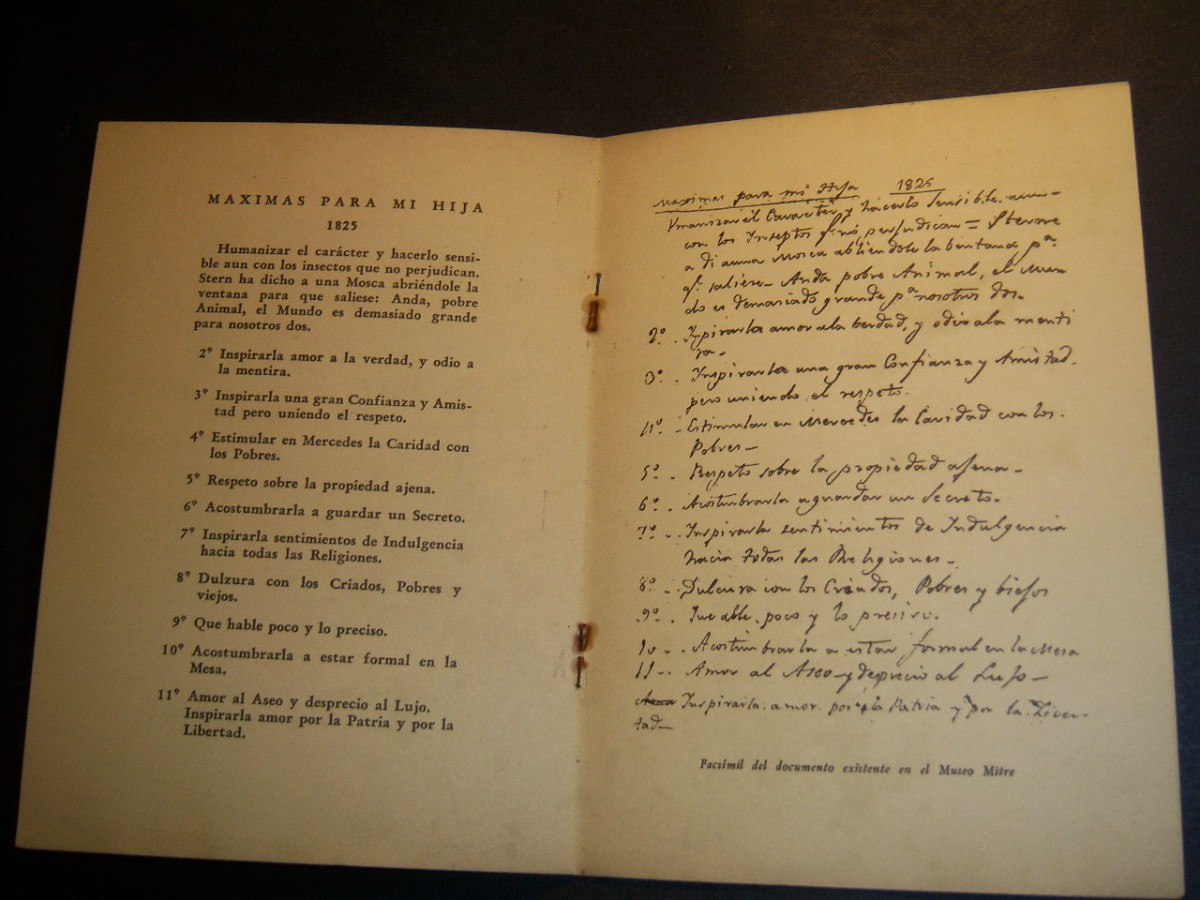 Document
Primary source
Máximas para mi Hija
José de San Martín · 1825
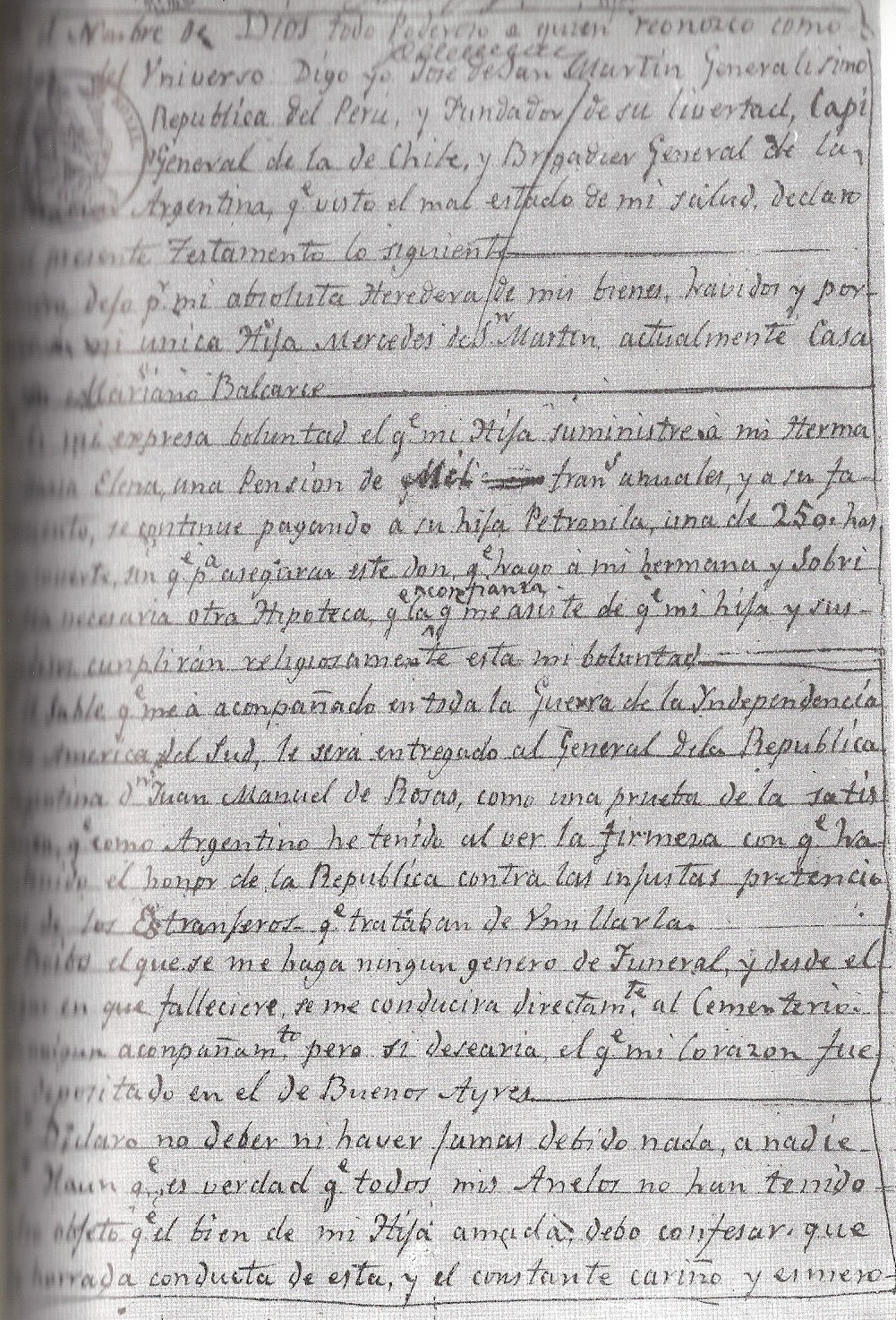 Document
Primary source
Testamento de San Martín
José de San Martín · 1844
 Painting
Primary source
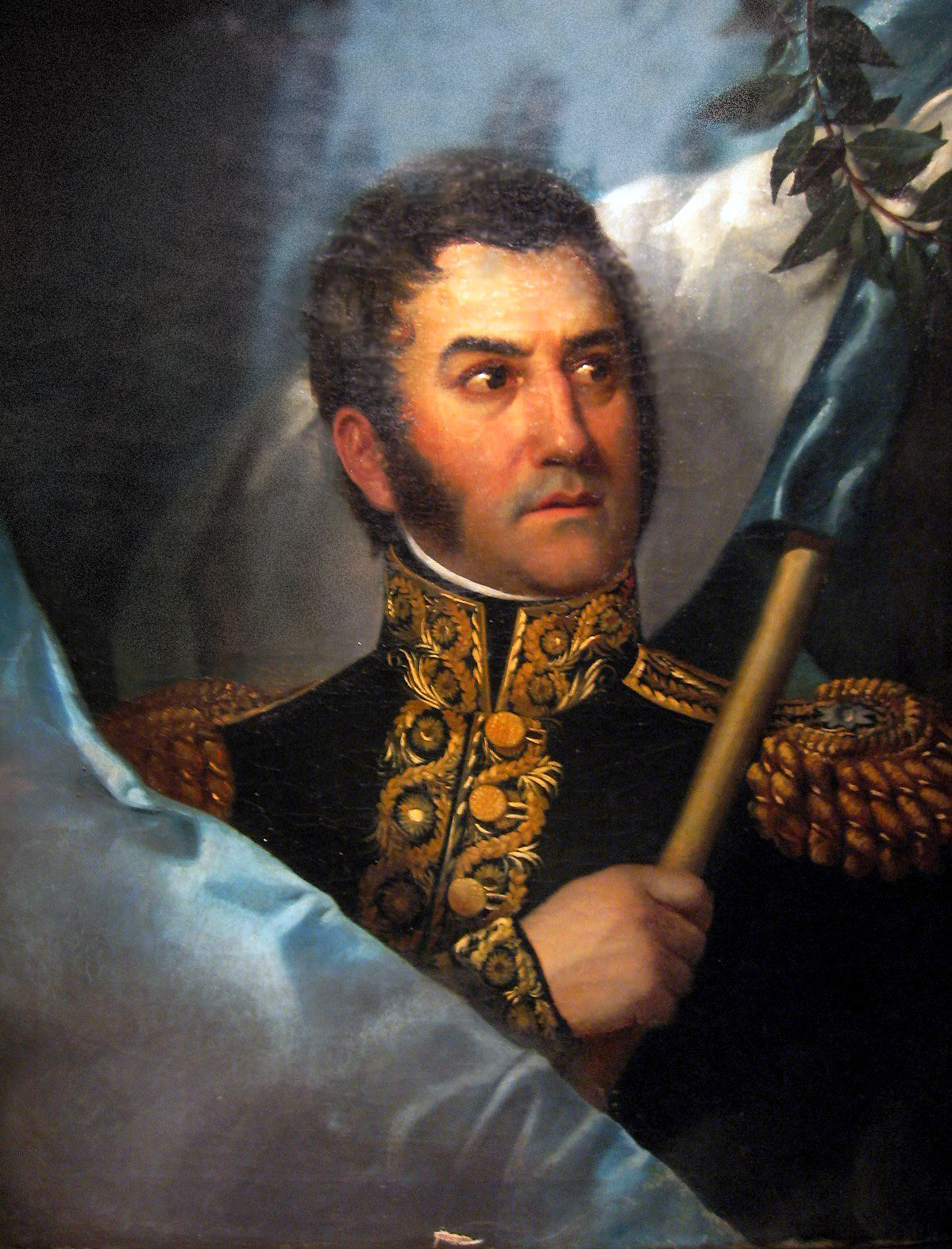
Portrait of José de San Martín
c. 1828
Ready when you are
Start chatting with José de San Martín now.
20 messages free · No credit card · Available in 50+ languages.