


Primary sourceLetter9 October 1874
Letter from Charles Darwin to John Burdon-Sanderson
Charles Darwin · 9 October 1874
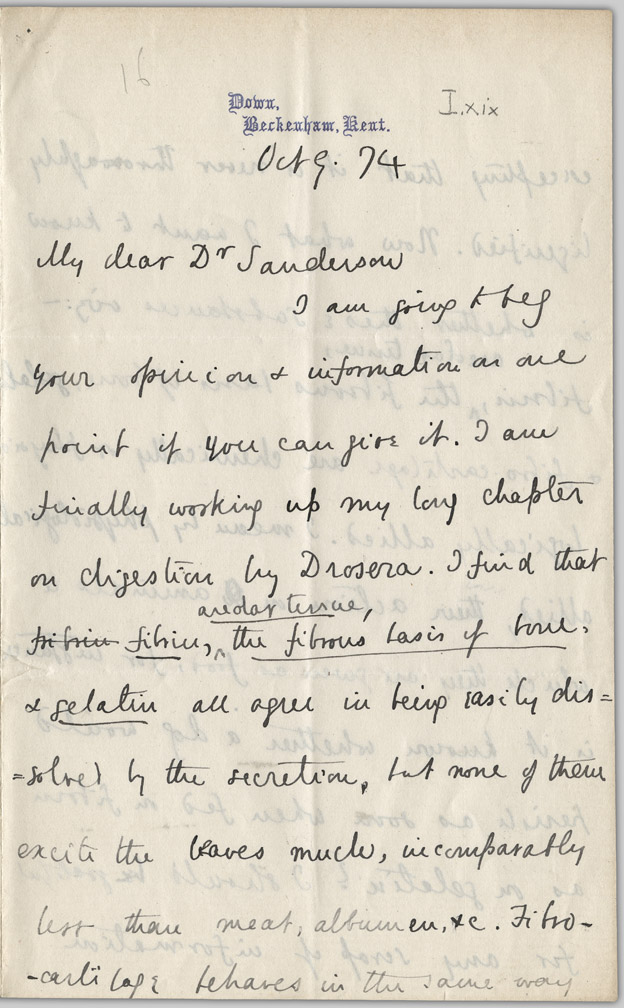
A handwritten 1874 letter from Darwin to physiologist John Burdon-Sanderson discussing the digestion abilities of the sundew plant Drosera.
Written by Darwin himself, this letter shows his ongoing scientific correspondence late in his career.
About this source
What it is
This is a handwritten letter written by Charles Darwin on 9 October 1874 from his home at Down, Beckenham, Kent, addressed to Dr John Burdon-Sanderson, a physiologist.
In it, Darwin discusses how the carnivorous plant Drosera (sundew) digests tissue through its secretions.
Why it matters
The letter shows Darwin corresponding with scientific colleagues to test and refine his ideas, in this case about plant physiology, a topic he studied intensely later in his career. It reveals how Darwin relied on a network of experts across disciplines to support his research.
Look closer
- What does the handwriting and condition of the paper tell you about how old documents survive?
- Why might Darwin have needed to consult a physiologist about a plant?
- What does this letter suggest about Darwin's scientific interests beyond evolution?
This letter is part of the curated material that grounds the AI version of Charles Darwin on Humy.ai — when students ask about related events, the AI can quote it and cite it.
More Charles Darwin sources
Meet the AI Charles Darwin →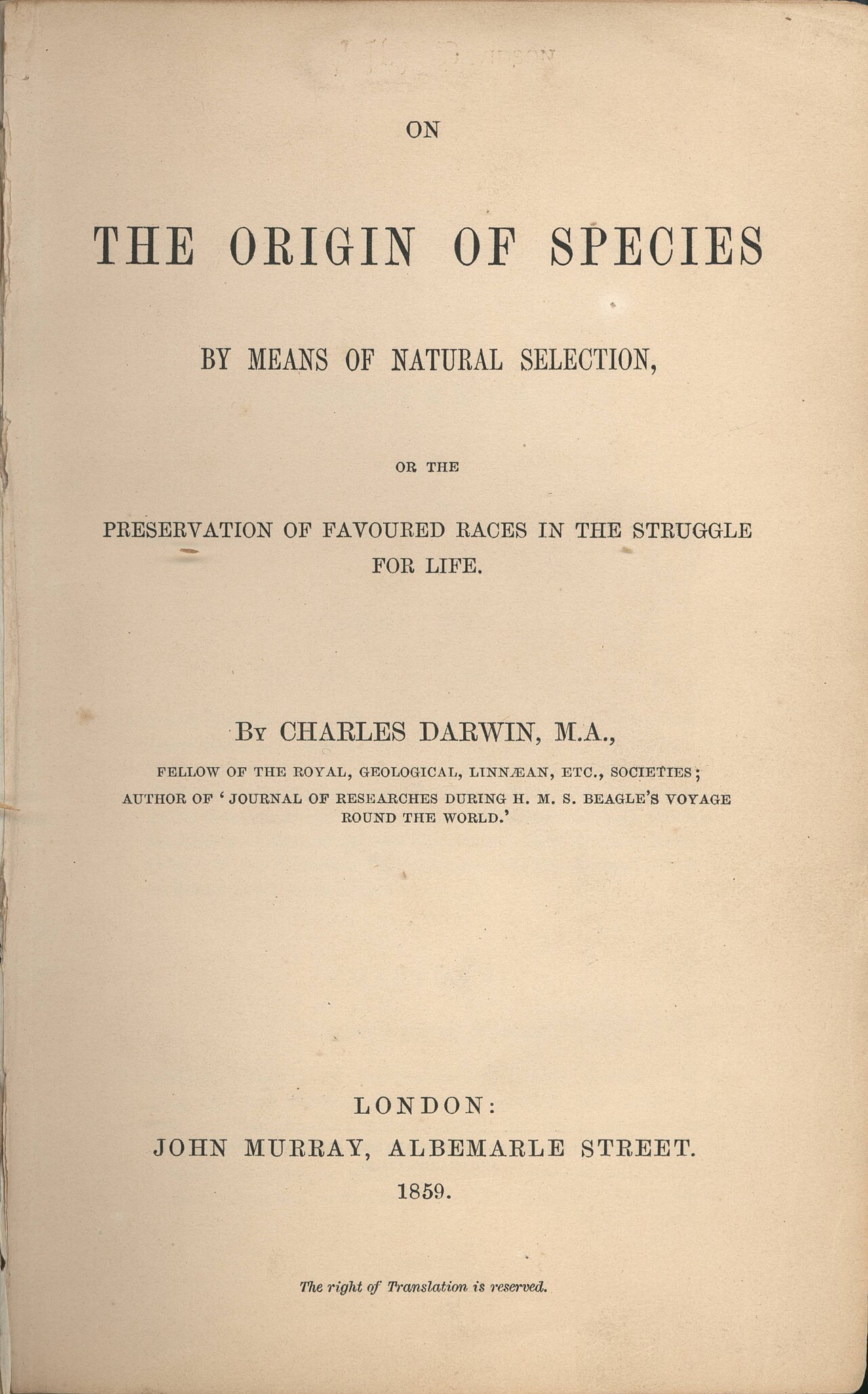 Book
Primary source
On the Origin of Species
Charles Darwin · 1859
 Diary entry
Primary source
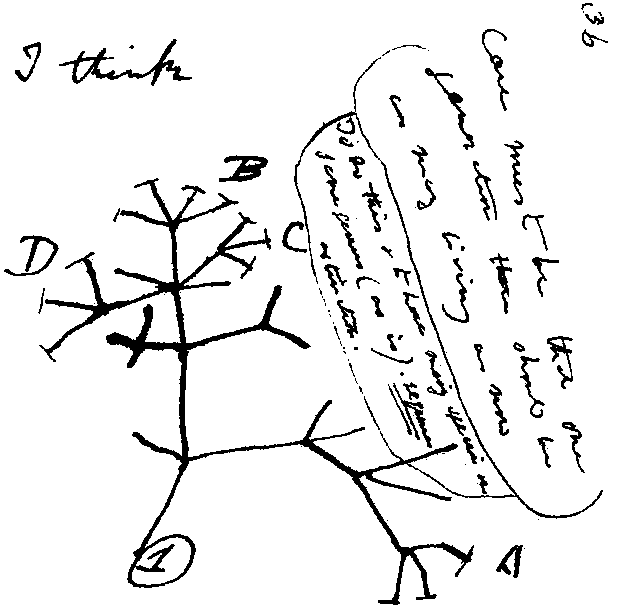
Notebook B 'I think' Tree of Life Sketch
Charles Darwin · c. July 1837
 Document
Primary source
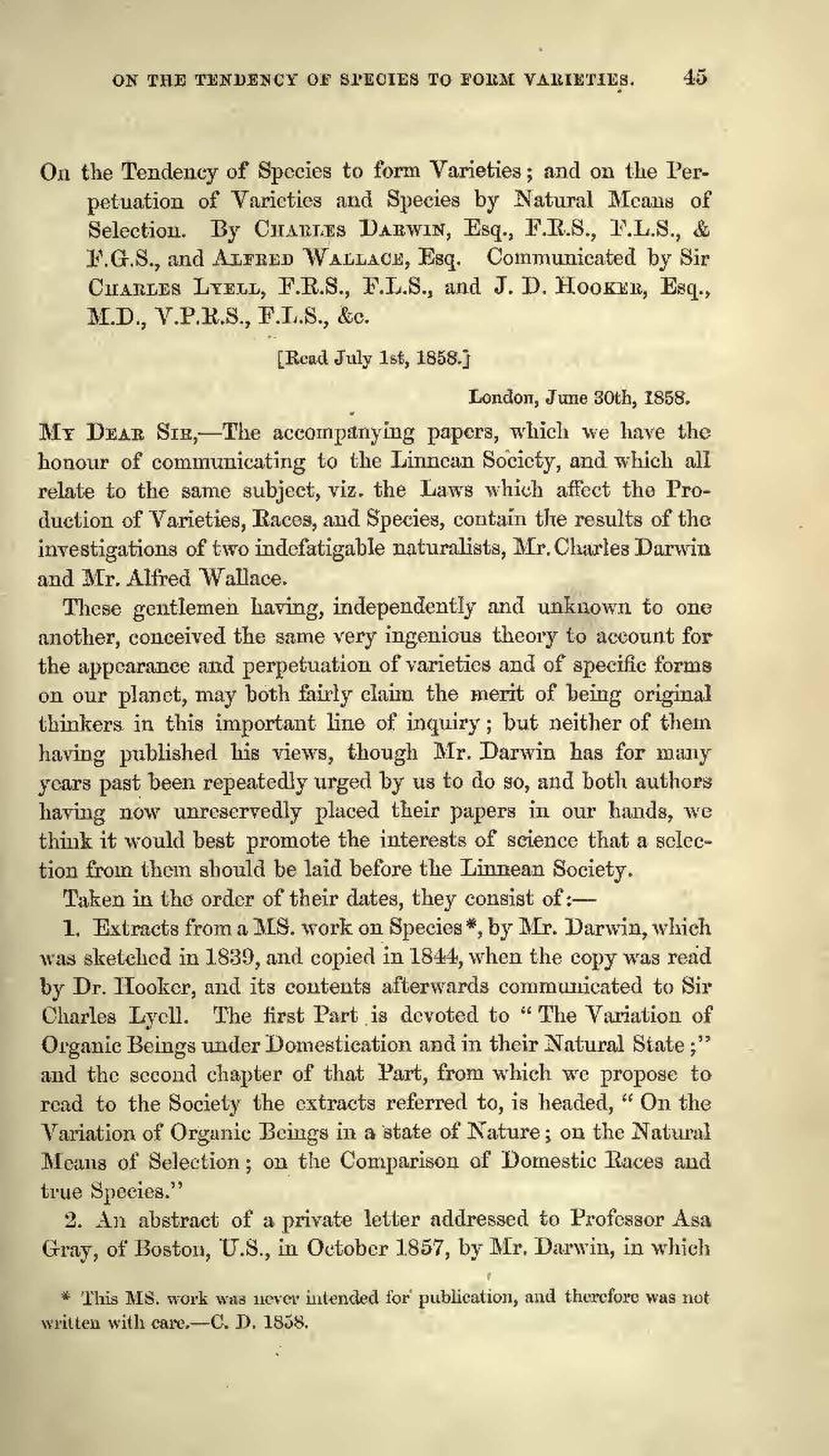
On the Tendency of Species to Form Varieties
Charles Darwin / Alfred Russel Wallace · 1858
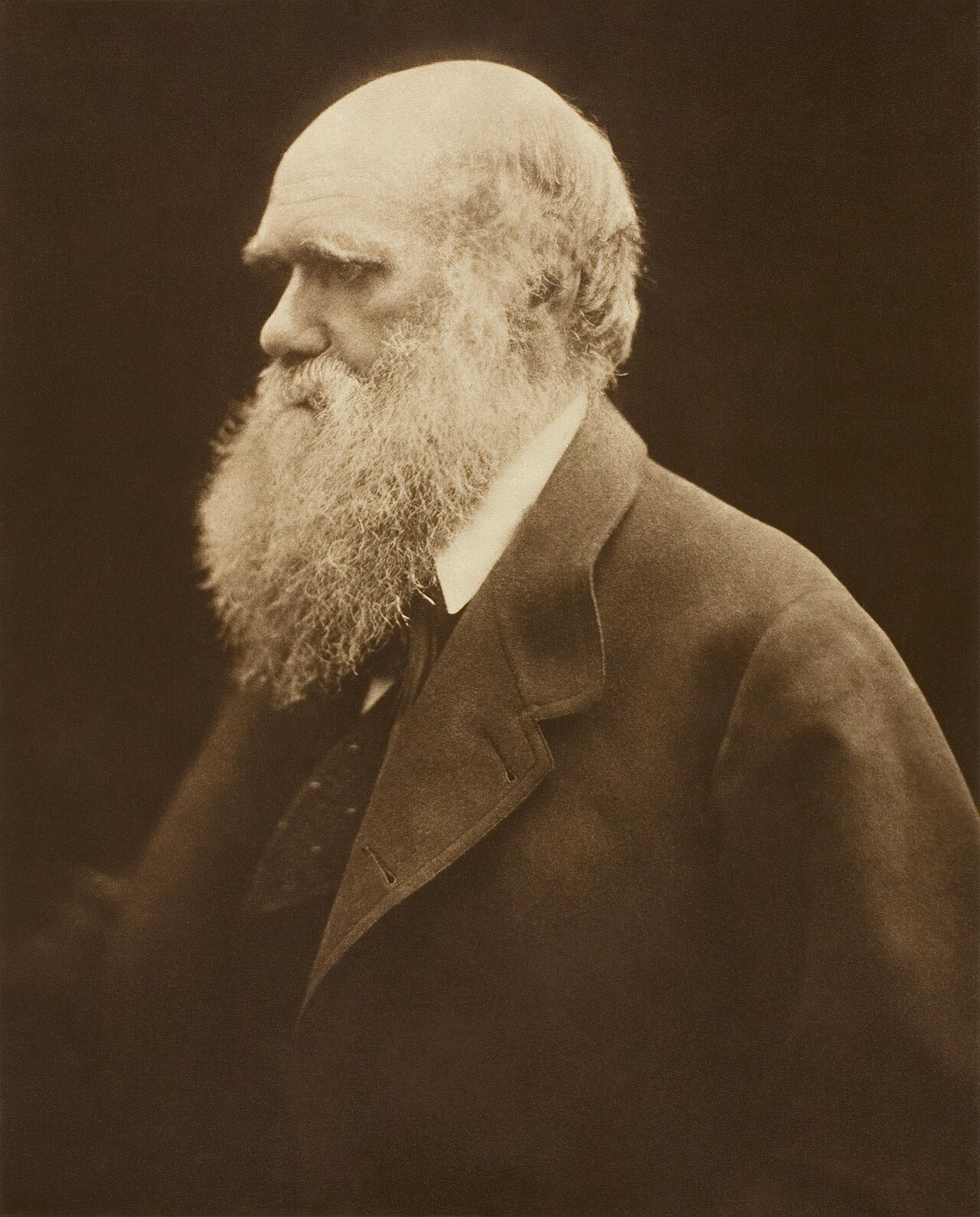 Photograph
Primary source
Charles Darwin by Julia Margaret Cameron
Julia Margaret Cameron · c. 1868
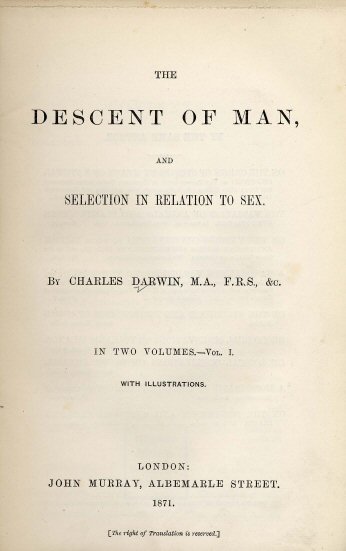 Book
Primary source
The Descent of Man, and Selection in Relation to Sex
Charles Darwin · 1871
Ready when you are
Start chatting with Charles Darwin now.
20 messages free · No credit card · Available in 50+ languages.