


Primary sourceLetter1757
Letter on a Manuscript against the Doctrine of a Particular Providence
Benjamin Franklin · 1757
A 1757 letter in which Franklin urges a writer not to publish a work attacking belief in divine providence, arguing religion's social value.
Written by Franklin himself, this letter shows his pragmatic, socially-minded view of religion.
About this source
What it is
This is a letter written by Benjamin Franklin in 1757. In it he responds to someone who had written a manuscript arguing against the idea of a particular providence (the belief that God actively intervenes in individual human affairs) and urges the author not to publish it.
Why it matters
Franklin was not conventionally religious, but he believed religion served an important social purpose by encouraging good behaviour. This letter shows that even as a skeptic himself, he worried about the public effects of openly attacking religious belief. It reveals the practical, rather than purely philosophical, way Franklin thought about faith and society.
Look closer
- Why might Franklin want to stop someone from publishing an idea he may have privately agreed with?
- What does this tell you about the difference between personal belief and public usefulness in Franklin's thinking?
- What is missing from this letter that would help us know who Franklin was writing to?
This letter is part of the curated material that grounds the AI version of Benjamin Franklin on Humy.ai — when students ask about related events, the AI can quote it and cite it.
More Benjamin Franklin sources
Meet the AI Benjamin Franklin →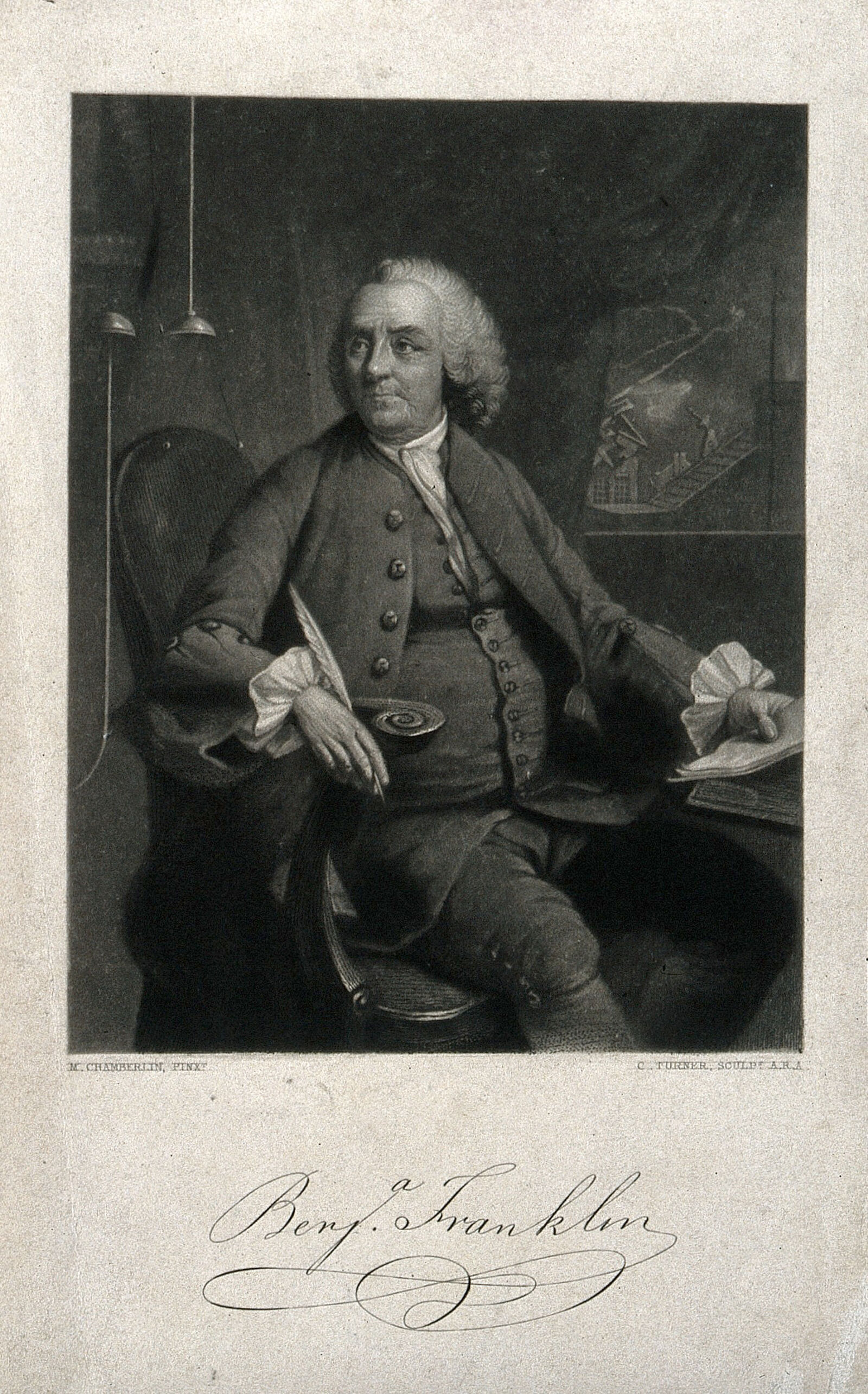 Painting
Primary source
Benjamin Franklin, mezzotint by C. Turner after M. Chamberlin
Mason Chamberlin · 1762
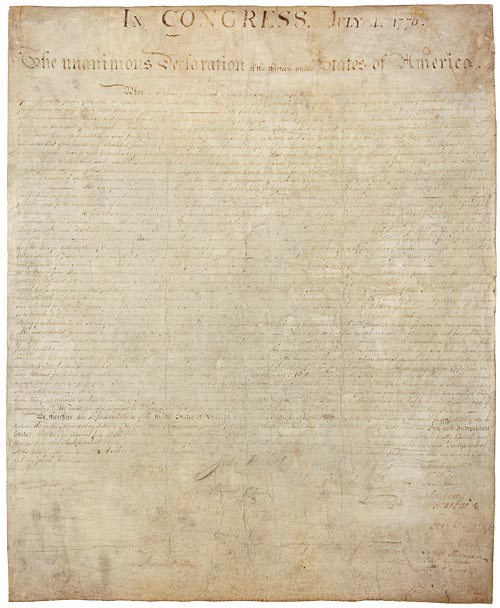 Document
Primary source
Declaration of Independence
Continental Congress (drafted by Thomas Jefferson) · 1776
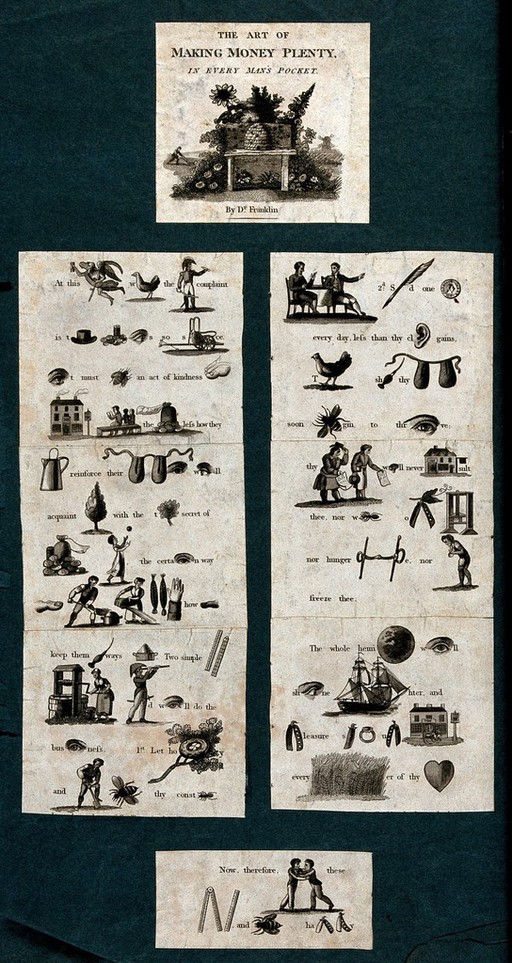 Artifact
Primary source
The Art of Making Money Plenty, In Every Man's Pocket
Benjamin Franklin
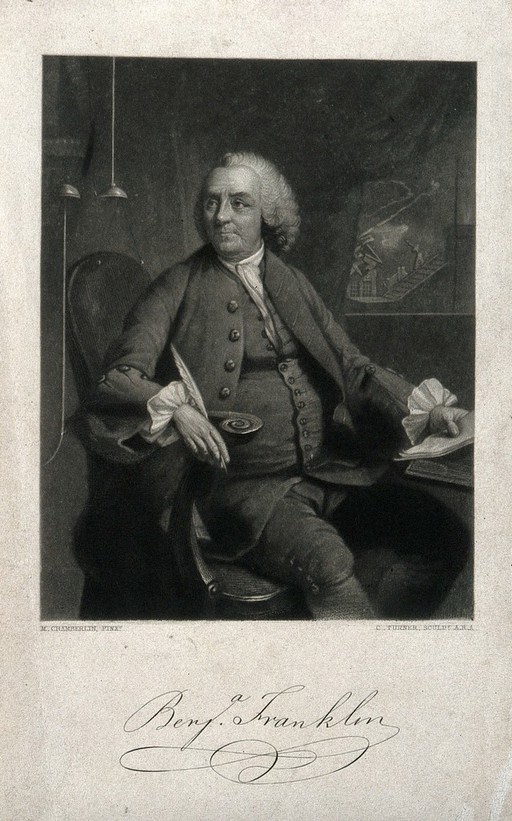 Painting
Primary source
Benjamin Franklin, engraving after Mason Chamberlin
Mason Chamberlin · 1762
 Painting
Primary source
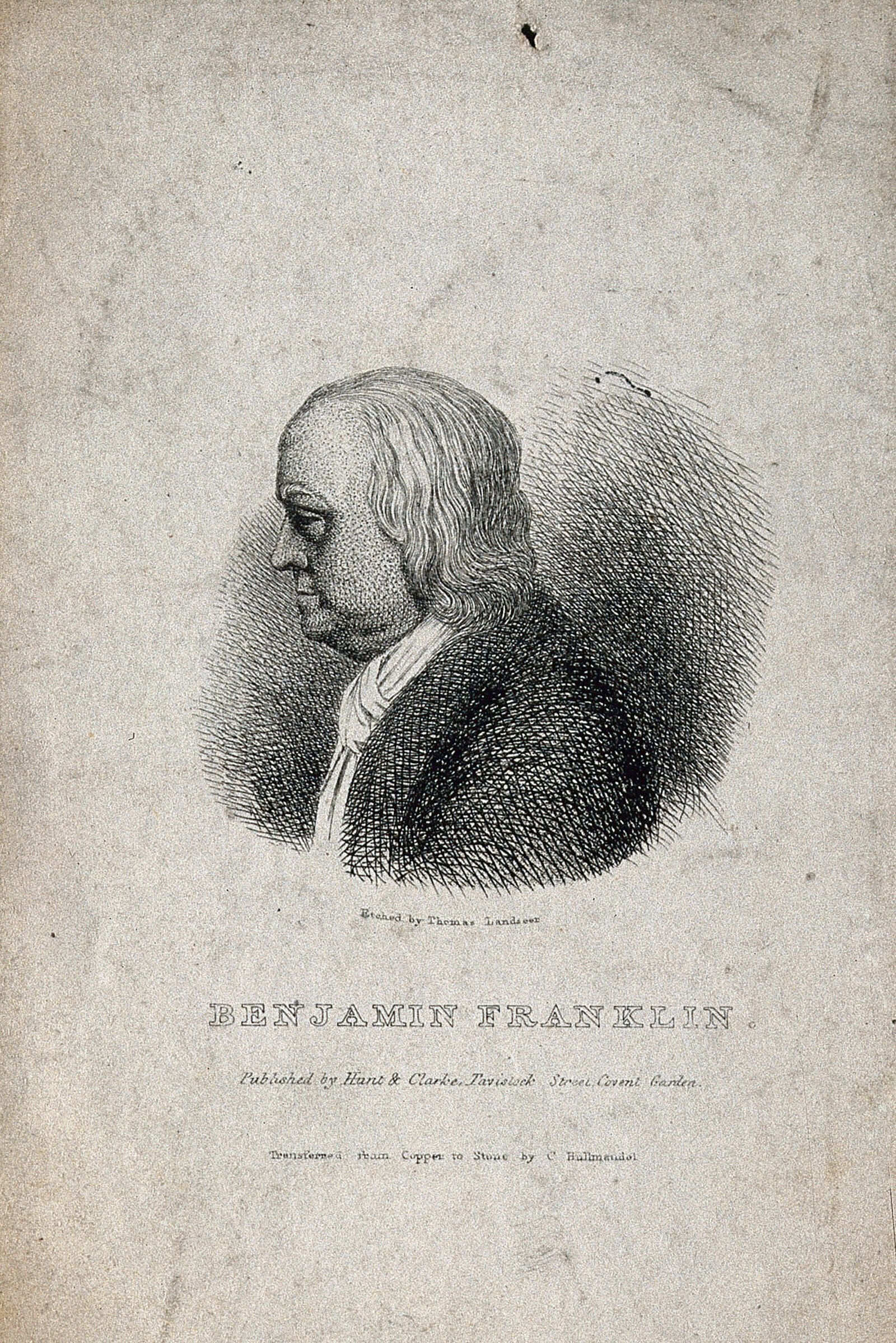
Benjamin Franklin, after J. J. Caffieri
Jean-Jacques Caffieri · 1777 (bust); print later
Ready when you are
Start chatting with Benjamin Franklin now.
20 messages free · No credit card · Available in 50+ languages.