


Primary sourceLetter24 September 1764
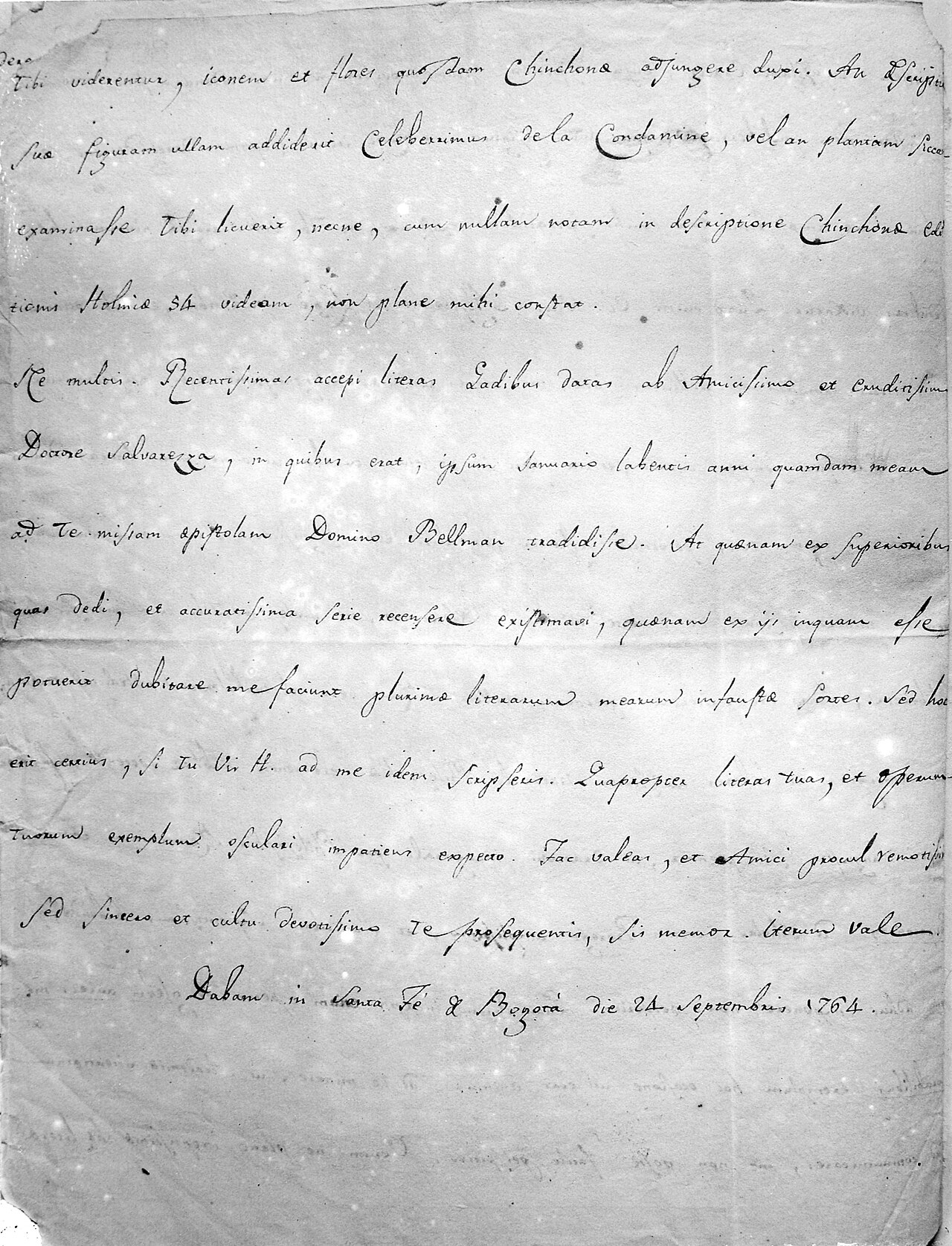
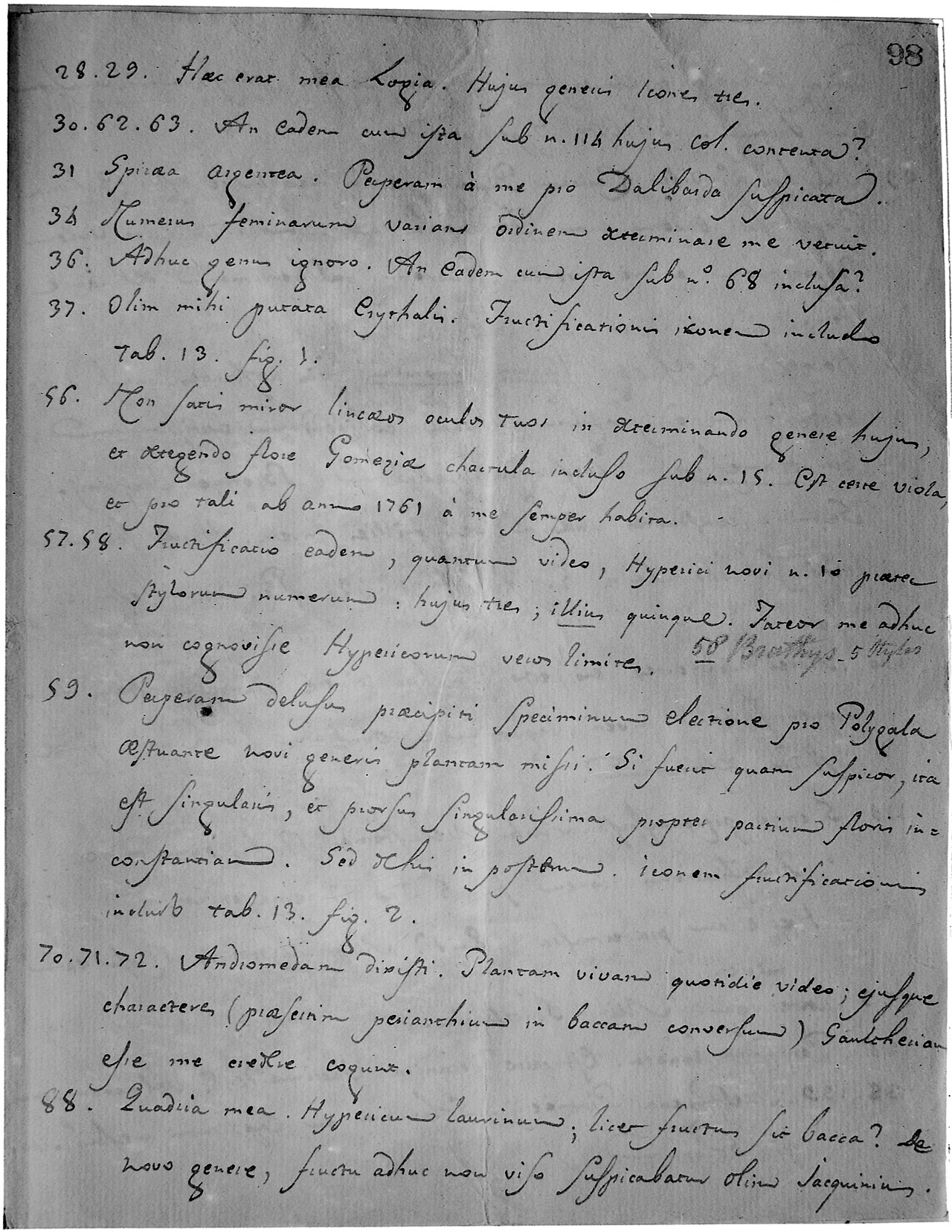
Letter to Linnaeus, 1764
José Celestino Mutis · 24 September 1764
An early letter in Latin from Mutis to Carl Linnaeus discussing cinchona bark, part of their long scientific correspondence.
This is one of Mutis's own letters to Linnaeus, showing his direct role as both writer and scientific correspondent.
Free Humy account · No credit card · 120,912 sources to read
About this source
What it is
This is a handwritten Latin letter written by José Celestino Mutis to the Swedish botanist Carl Linnaeus, dated 24 September 1764 from Bogotá. It discusses cinchona bark, the source of quinine, and mentions other botanists of the time.
Why it matters
The letter shows how Mutis, working in South America, connected his observations of local plants to the leading botanical authority in Europe. This correspondence placed New Granada's flora, and the medicinal importance of cinchona, within the wider scientific network of the eighteenth century.
Look closer
- Why would a naturalist in Bogotá write to someone in Sweden rather than publish locally?
- What does the mention of cinchona tell you about what mattered to European science at the time?
- What is lost when letters like this survive only in parts, with illegible sections?
This letter is part of the curated material that grounds the AI version of José Celestino Mutis on Humy.ai — when students ask about related events, the AI can quote it and cite it.
More José Celestino Mutis sources
Browse all 47 → Painting
Primary source
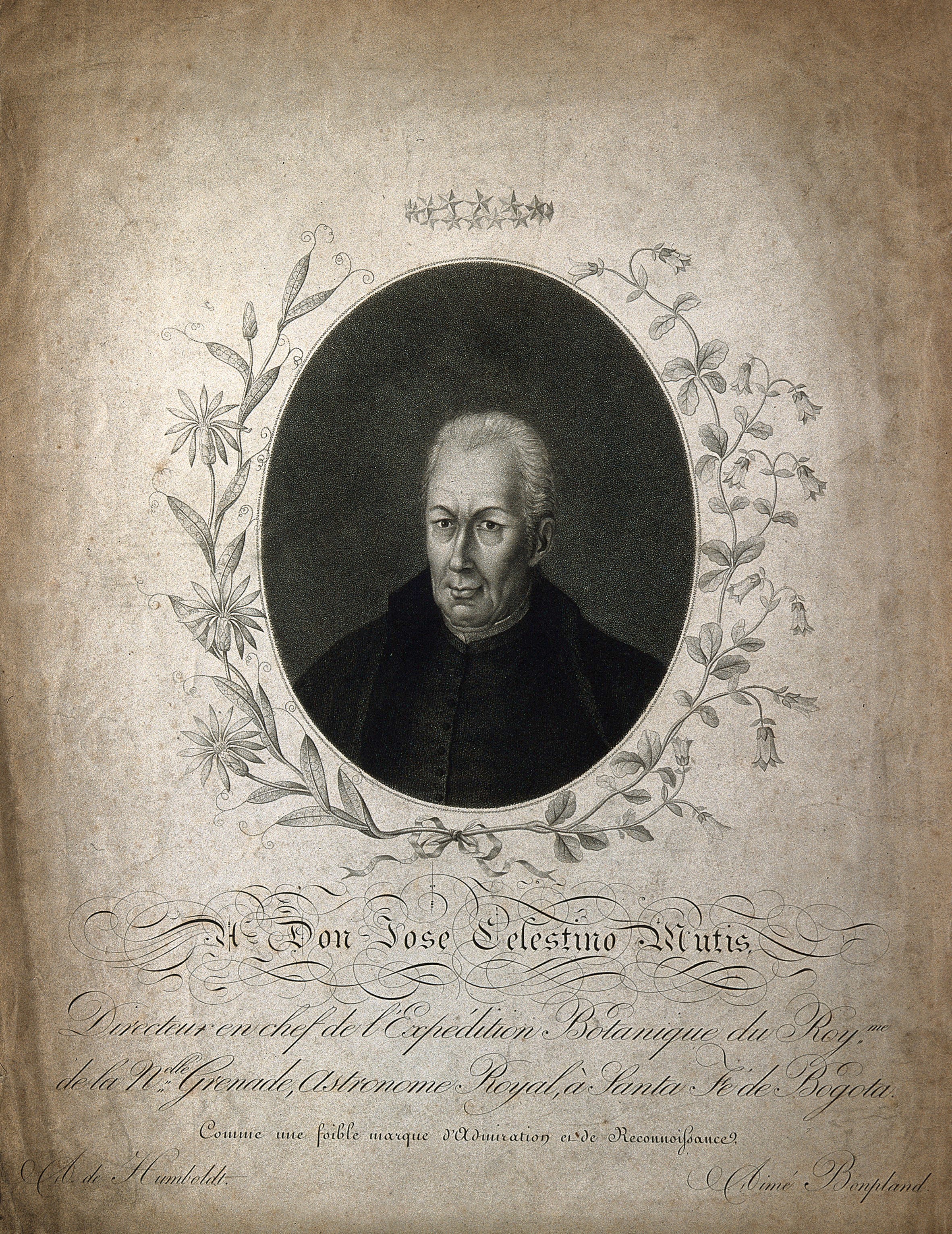
Portrait of José Celestino Mutis
Pablo Antonio García del Campo · c. 1805
 Newspaper article
Primary source
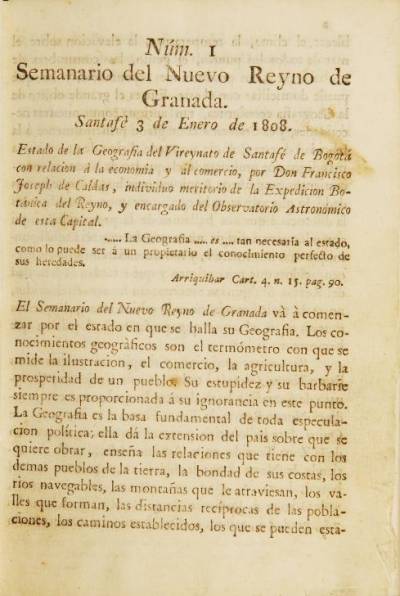
Semanario del Nuevo Reino de Granada
Francisco José de Caldas · 3 January 1808
 Letter
Primary source
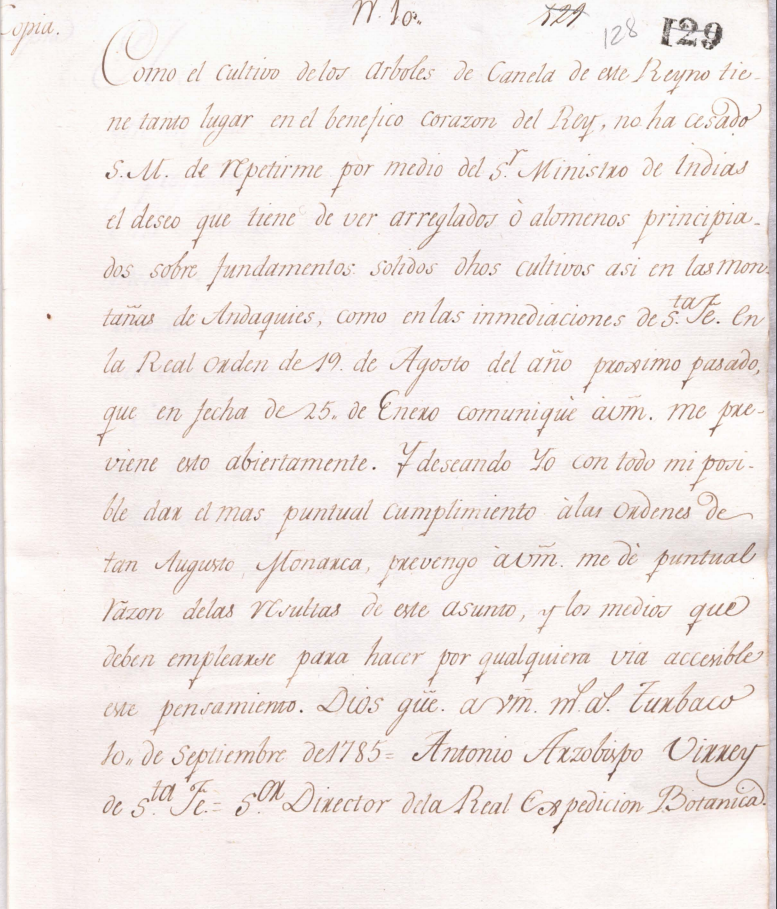
Letter from the Viceroy on Cinnamon Cultivation
10 September 1785
 Letter
Primary source
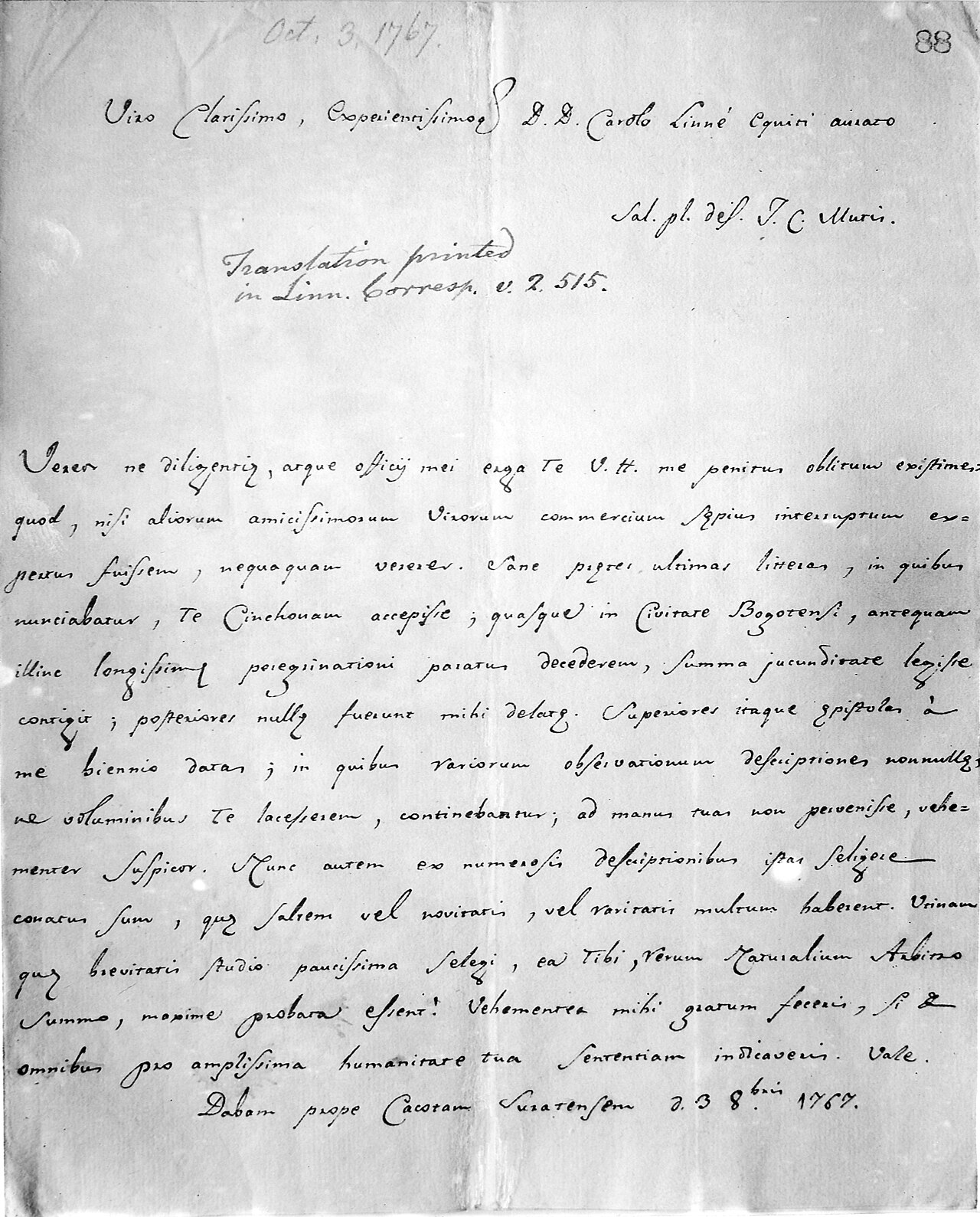
Letter to Linnaeus, 1767
José Celestino Mutis · 3 October 1767
Free account
Read every José Celestino Mutis source
Sign up free →
Ready when you are
Start chatting with José Celestino Mutis now.
20 messages free · No credit card · Available in 50+ languages.