


Primary sourcePaintingc. 1805
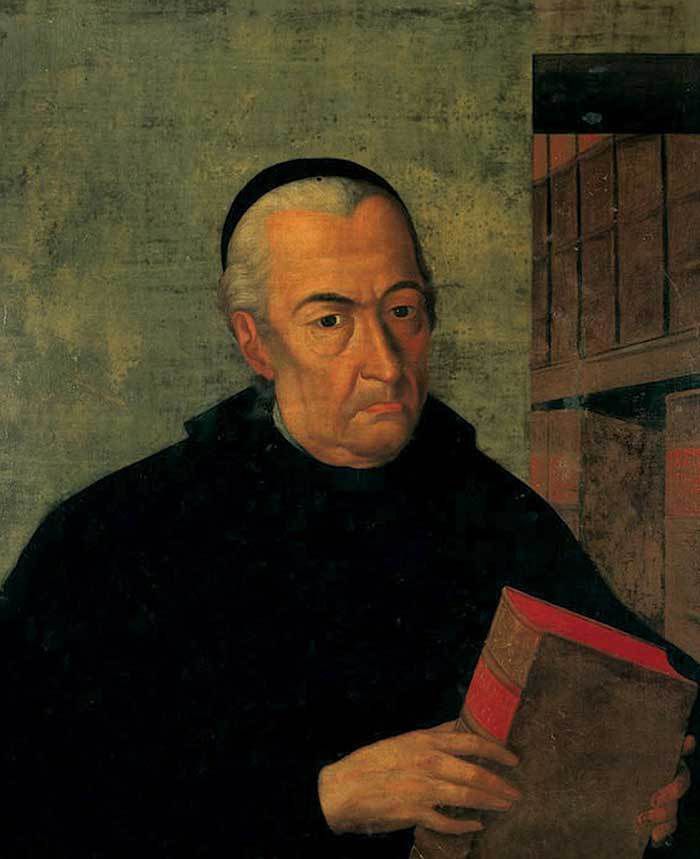
Portrait of José Celestino Mutis
Pablo Antonio García del Campo · c. 1805
An oil portrait of the elderly Mutis in clerical dress holding a book, the image on which most later likenesses of him are based.
This portrait of Mutis, painted near the end of his life, is the canonical image used to represent him in later history.
About this source
What it is
This is an oil painting of José Celestino Mutis, shown as an elderly man wearing a black clerical-style garment and skullcap, holding a closed book with bookshelves behind him. It was painted around 1805 by Pablo Antonio García del Campo and is held today in the Museo Nacional de Colombia.
Why it matters
This painting became the standard image of Mutis, shaping how later generations pictured the priest-naturalist who led the Royal Botanical Expedition of New Granada. It reflects his dual identity as a churchman and a scientist, surrounded by books rather than specimens in this particular likeness.
Look closer
- Why might the artist choose to show Mutis with a book instead of plants or instruments?
- What does his clothing tell you about his role in society?
- How might this portrait have influenced the way people imagined him afterward?
This painting is part of the curated material that grounds the AI version of José Celestino Mutis on Humy.ai — when students ask about related events, the AI can quote it and cite it.
More José Celestino Mutis sources
Browse all 47 →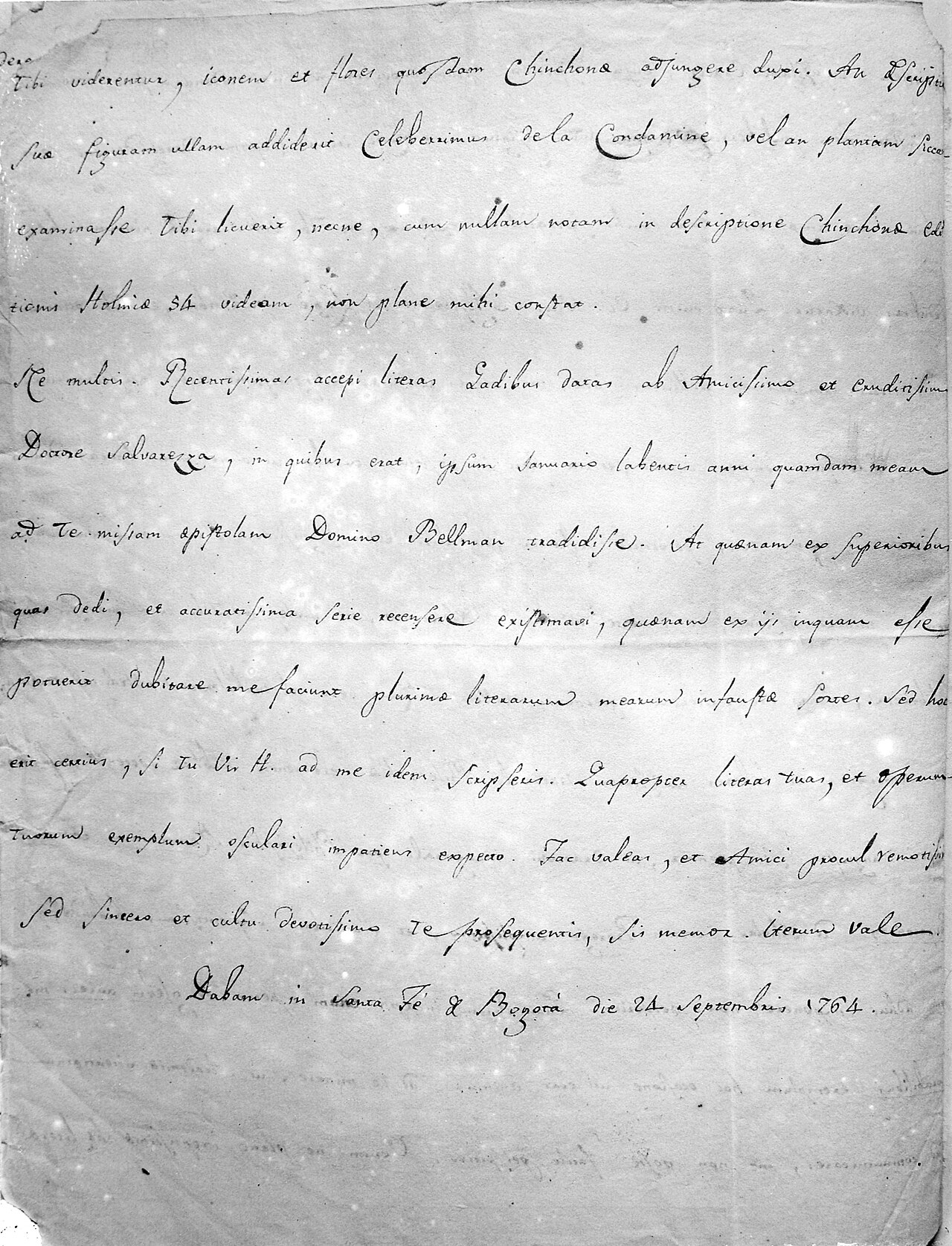 Letter
Primary source
Letter to Linnaeus, 1764
José Celestino Mutis · 24 September 1764
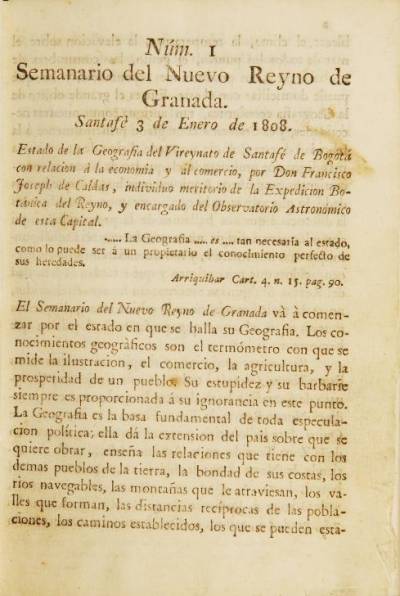 Newspaper article
Primary source
Semanario del Nuevo Reino de Granada
Francisco José de Caldas · 3 January 1808
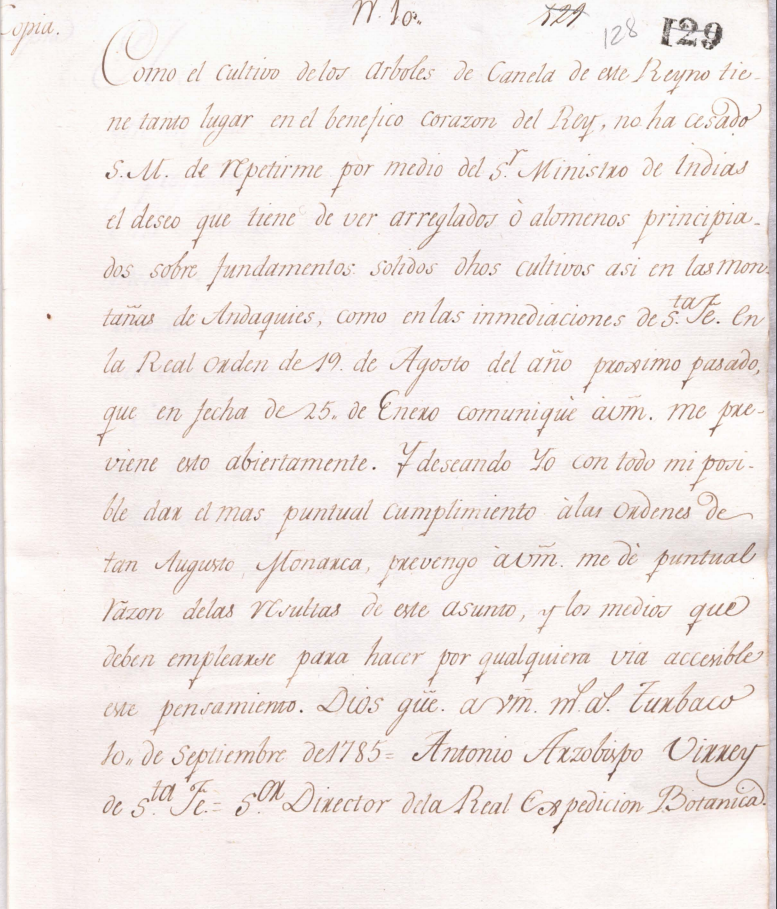 Letter
Primary source
Letter from the Viceroy on Cinnamon Cultivation
10 September 1785
 Letter
Primary source
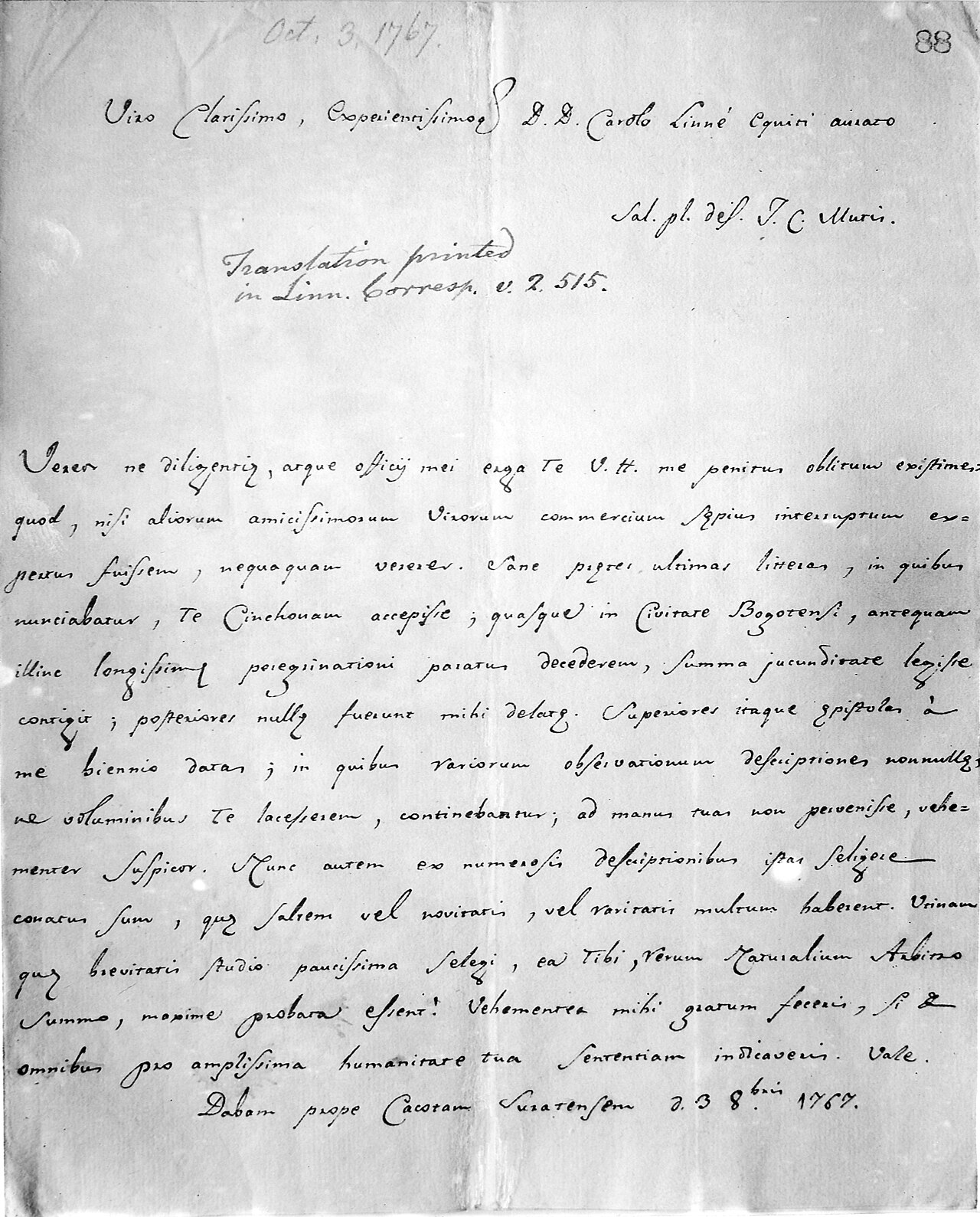
Letter to Linnaeus, 1767
José Celestino Mutis · 3 October 1767
Free account
Read every José Celestino Mutis source
Sign up free →
Ready when you are
Start chatting with José Celestino Mutis now.
20 messages free · No credit card · Available in 50+ languages.