


Primary sourcePainting1863
Libby Prison
David Gilmour Blythe · 1863
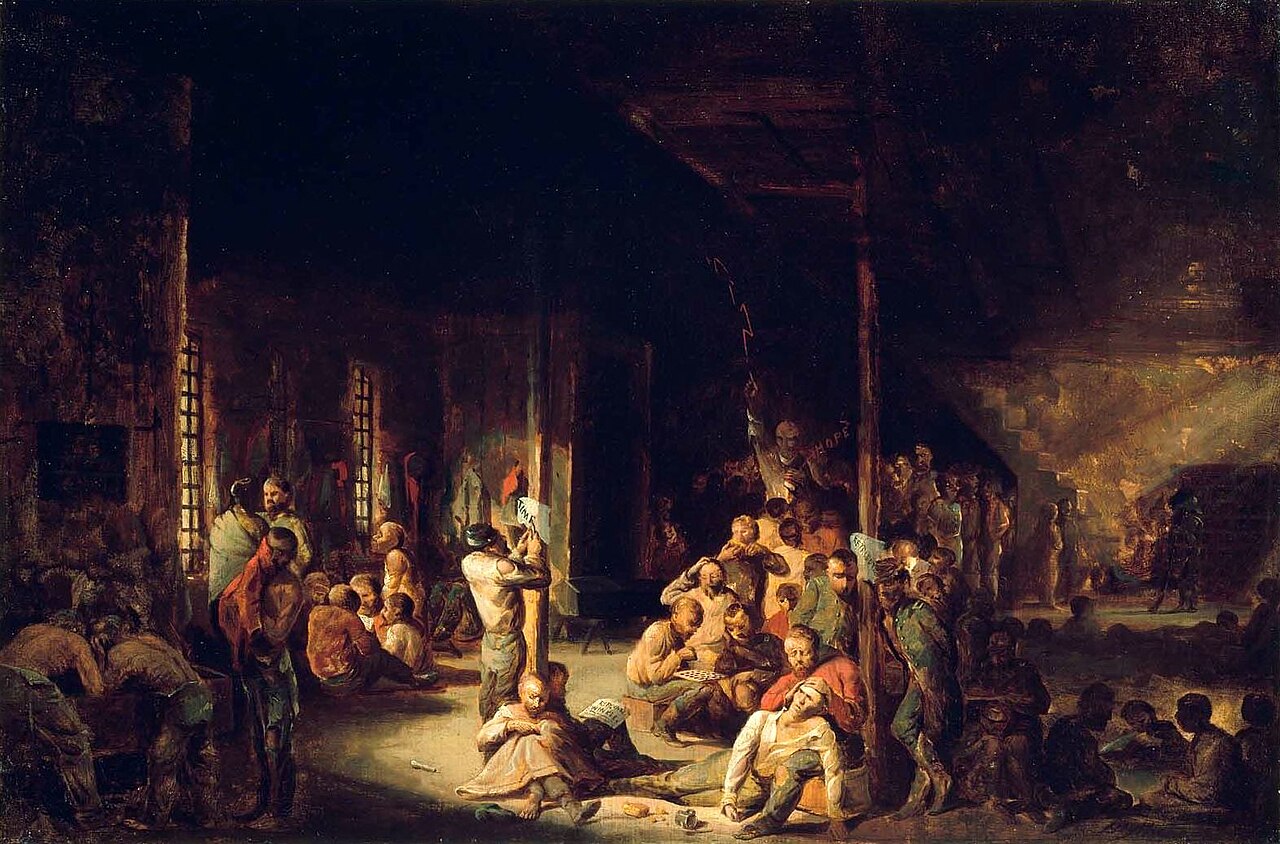
A wartime painting of the crowded interior of Libby Prison in Richmond, the Confederate prison Van Lew secretly assisted.
Depicts Libby Prison, the site where Van Lew secretly brought aid and gathered intelligence for the Union.
About this source
What it is
This painting by David Gilmour Blythe, made in 1863, shows the interior of Libby Prison, a Confederate prison in Richmond, Virginia, holding captured Union soldiers during the Civil War.
Why it matters
Libby Prison is central to Elizabeth Van Lew's story: she visited the prison, smuggled food and supplies to inmates, and gathered intelligence she passed to Union forces. Blythe's painting, made during the war itself, gives a visual sense of the crowded, dim conditions prisoners faced and the setting in which Van Lew's secret aid took place.
Look closer
- What does the lighting and crowding in the painting suggest about conditions inside?
- What are the men in the painting doing, and what might that tell us about how they passed the time?
- Why might an artist in 1863 have chosen to paint this scene?
This painting is part of the curated material that grounds the AI version of Elizabeth Van Lew on Humy.ai — when students ask about related events, the AI can quote it and cite it.
More Elizabeth Van Lew sources
Meet the AI Elizabeth Van Lew →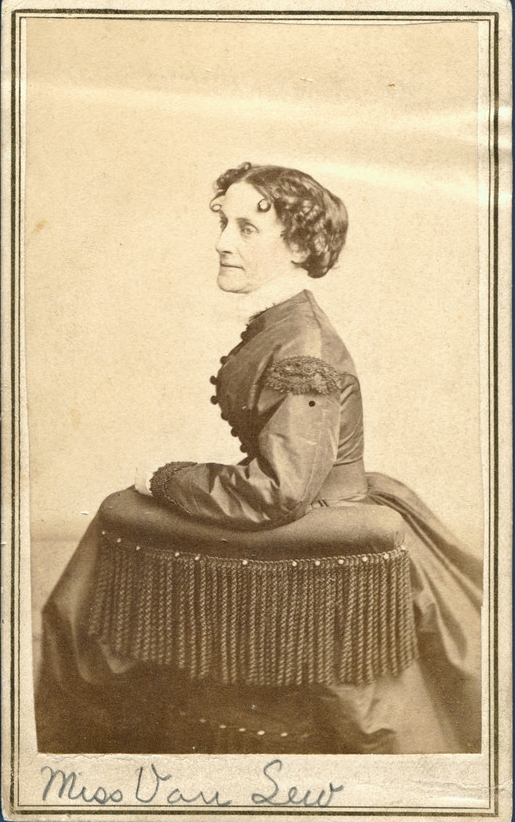 Photograph
Primary source
Elizabeth Van Lew Carte-de-Visite Portrait
A. J. De Morat
 Photograph
Primary source
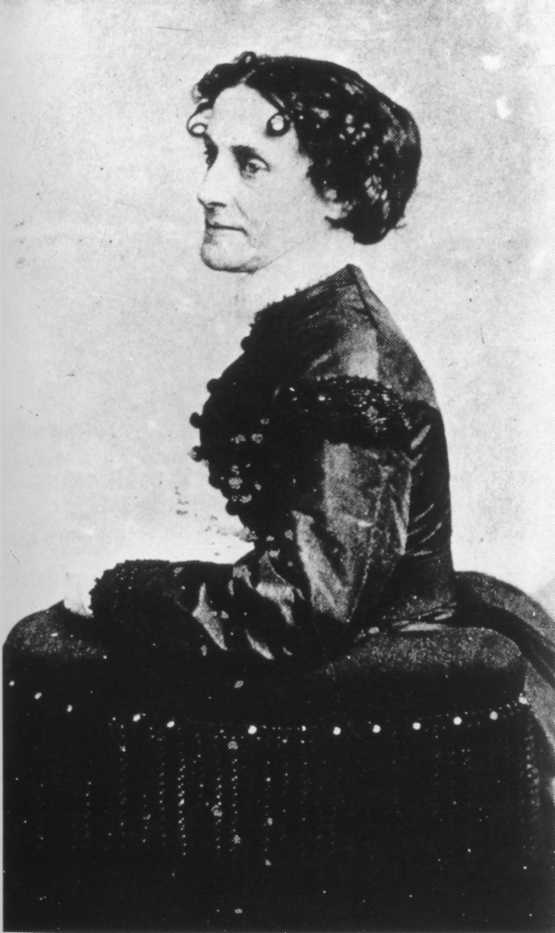
Portrait of Elizabeth Van Lew
 Painting
Primary source
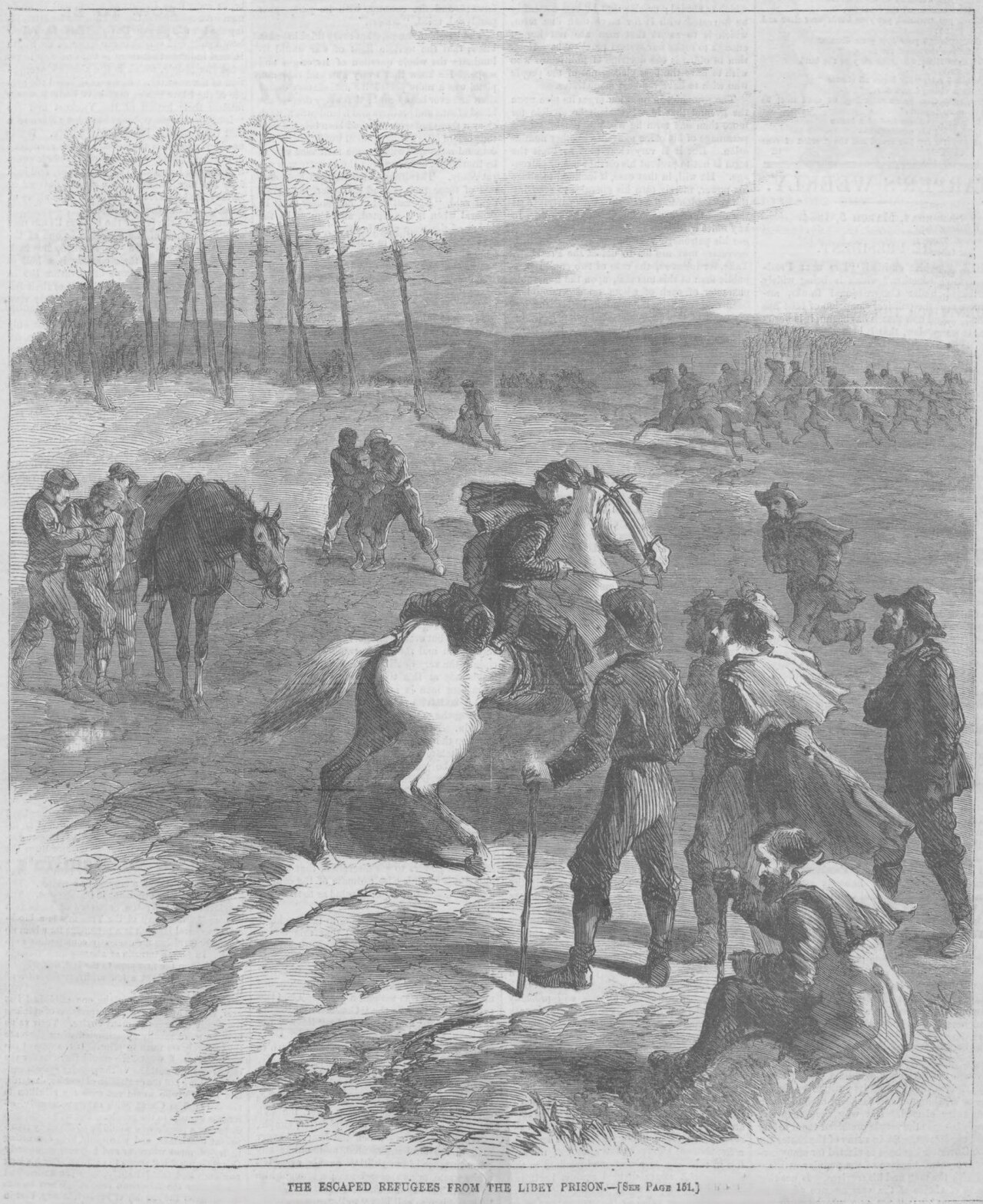
The Escaped Refugees from the Libby Prison
February 1864
 Photograph
Secondary source
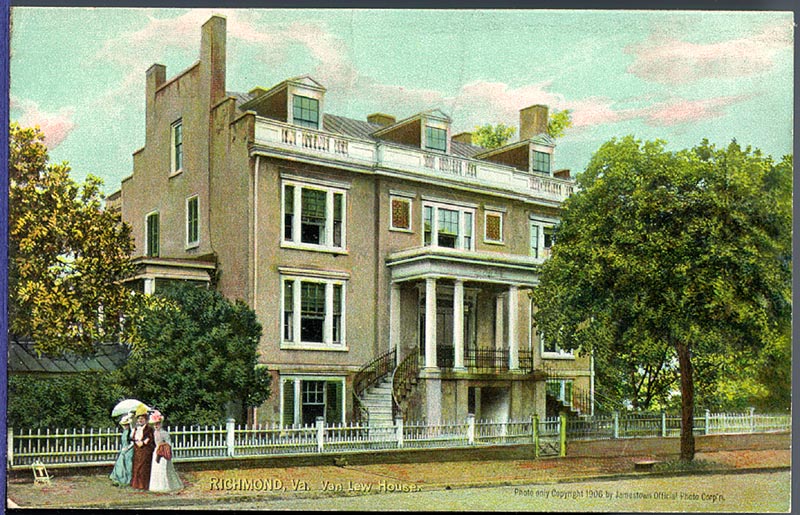
Elizabeth Van Lew Mansion
VCU Libraries · c. 1906
 Diary entry
Primary source
Prison Diary of Michael Dougherty, 13th Pennsylvania Cavalry
Michael Dougherty · 1908
Ready when you are
Start chatting with Elizabeth Van Lew now.
20 messages free · No credit card · Available in 50+ languages.