


Primary sourceBookc. 1210
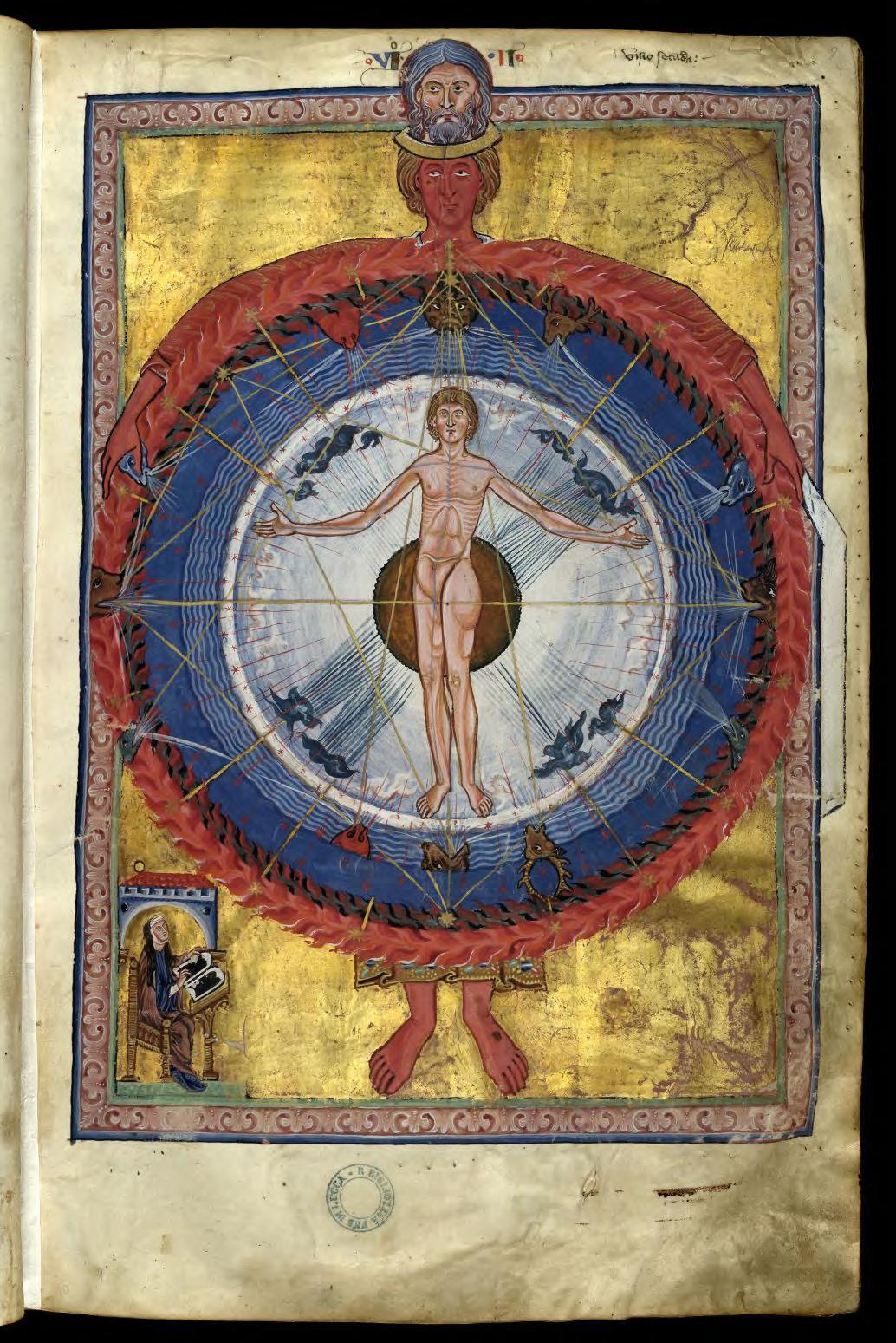
Liber Divinorum Operum manuscript
Hildegard of Bingen · c. 1210
A richly illuminated early 13th-century manuscript of Hildegard's visionary work The Book of Divine Works, now in Lucca.
This manuscript carries Hildegard's own visionary text, copied and illustrated not long after her death.
About this source
What it is
This manuscript preserves Hildegard's Liber Divinorum Operum, the last of her three great works of visionary theology, which she composed between 1163 and 1174. It was copied in Gothic handwriting in two columns, with ten full-page miniatures marking the start of each vision, and can be dated to the early 13th century. It is now held in the State Library of Lucca, having come from a monastery there, and this copy is held by the Library of Congress.
Why it matters
This is one of only three surviving transcriptions of the work, and the only one with illustrations, making it a rare window into how Hildegard's visions, describing strange and symbolic imagery explained by the voice of God, were understood and illustrated soon after her lifetime.
Look closer
- Why do you think only ten visions received full-page pictures?
- What might the colored initials and marginal notes tell us about how the manuscript was used?
- How does an illustrated copy change how we understand Hildegard's visions compared to text alone?
This book is part of the curated material that grounds the AI version of Hildegard of Bingen on Humy.ai — when students ask about related events, the AI can quote it and cite it.
More Hildegard of Bingen sources
Meet the AI Hildegard of Bingen → Book
Primary source
Scivias
Hildegard of Bingen · 1151-1152
 Painting
Primary source
Scivias Frontispiece Miniature
12th century
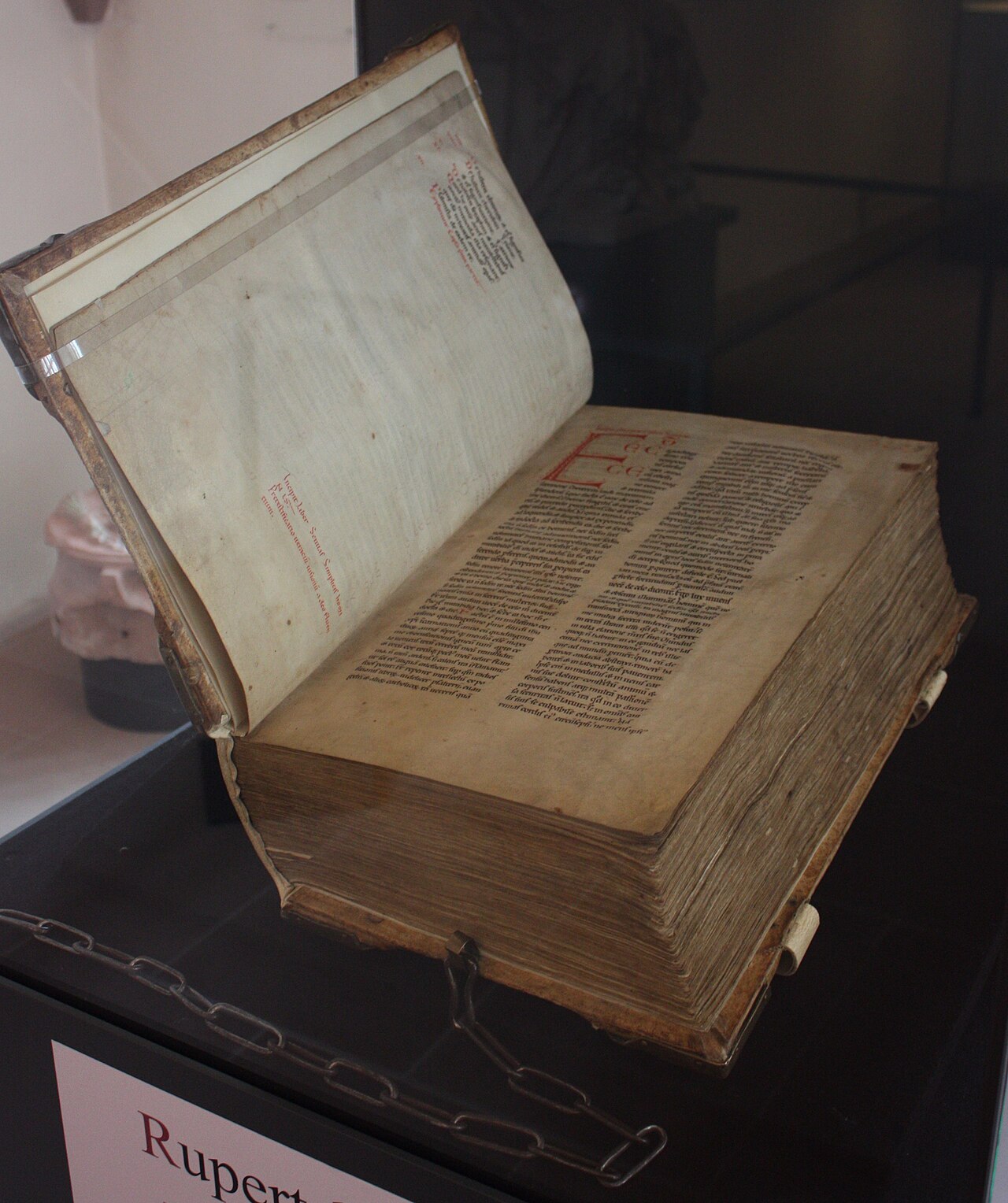 Book
Primary source
Wiesbaden Codex
Hildegard of Bingen · c. 1200
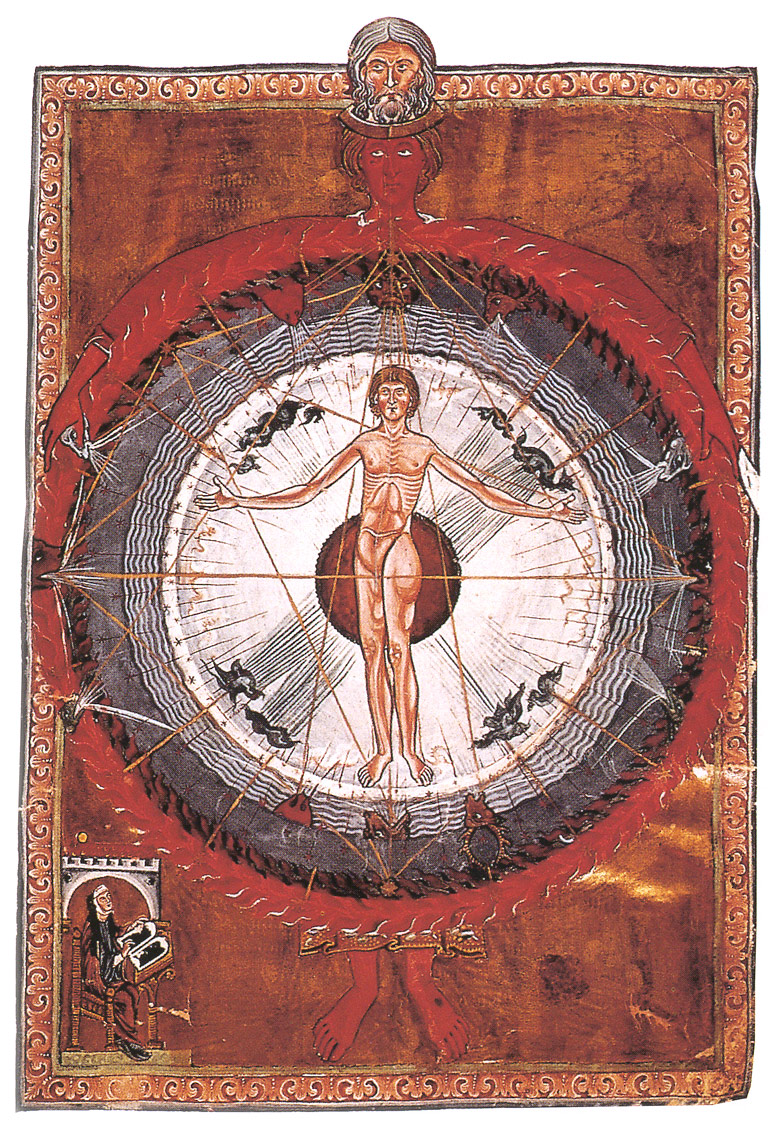 Book
Primary source
Liber divinorum operum
Hildegard of Bingen · c. 1163-1174
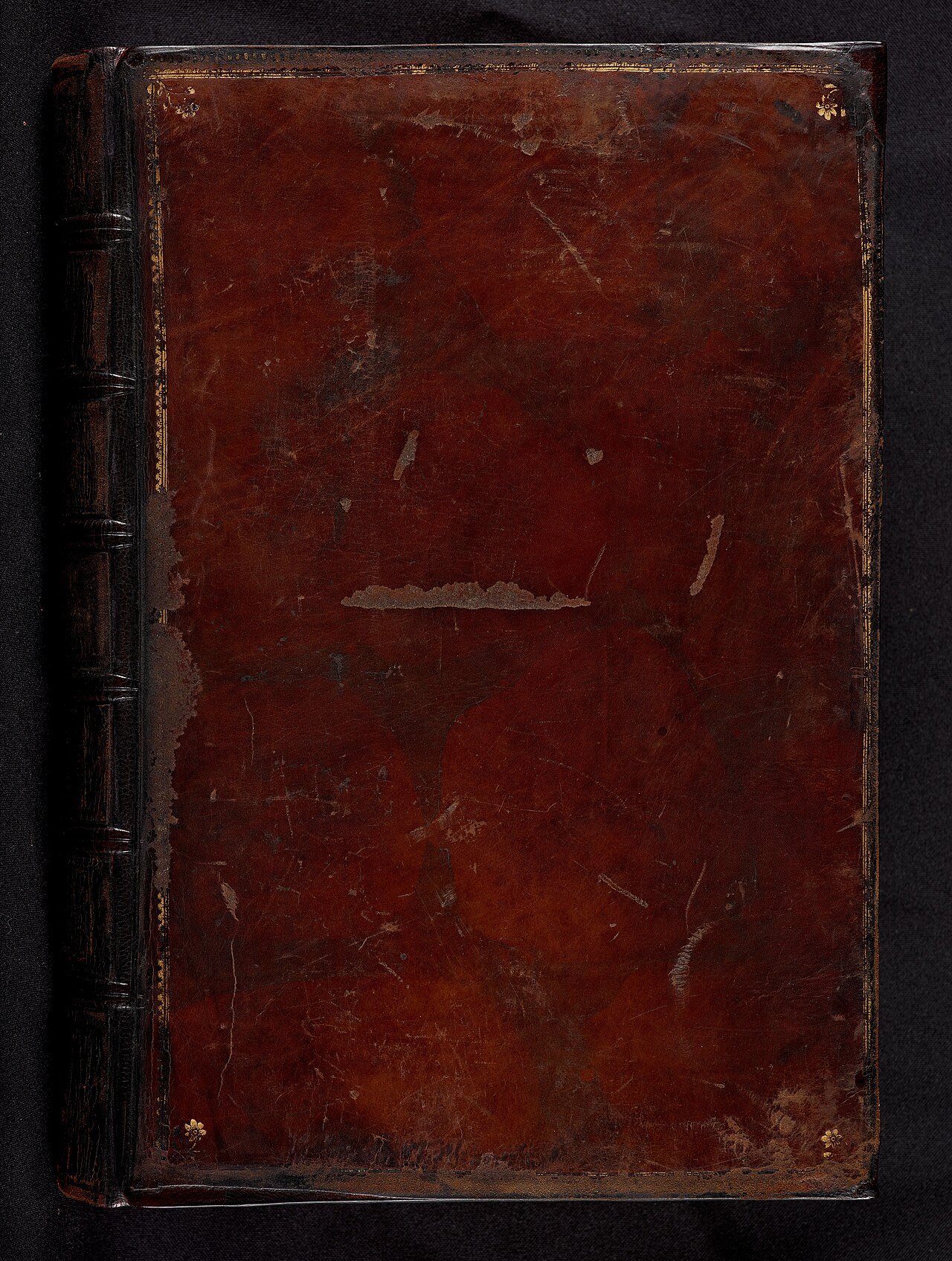 Document
Primary source
Dendermonde Codex
Hildegard of Bingen · c. 1175
Ready when you are
Start chatting with Hildegard of Bingen now.
20 messages free · No credit card · Available in 50+ languages.