


Primary sourcePainting1830
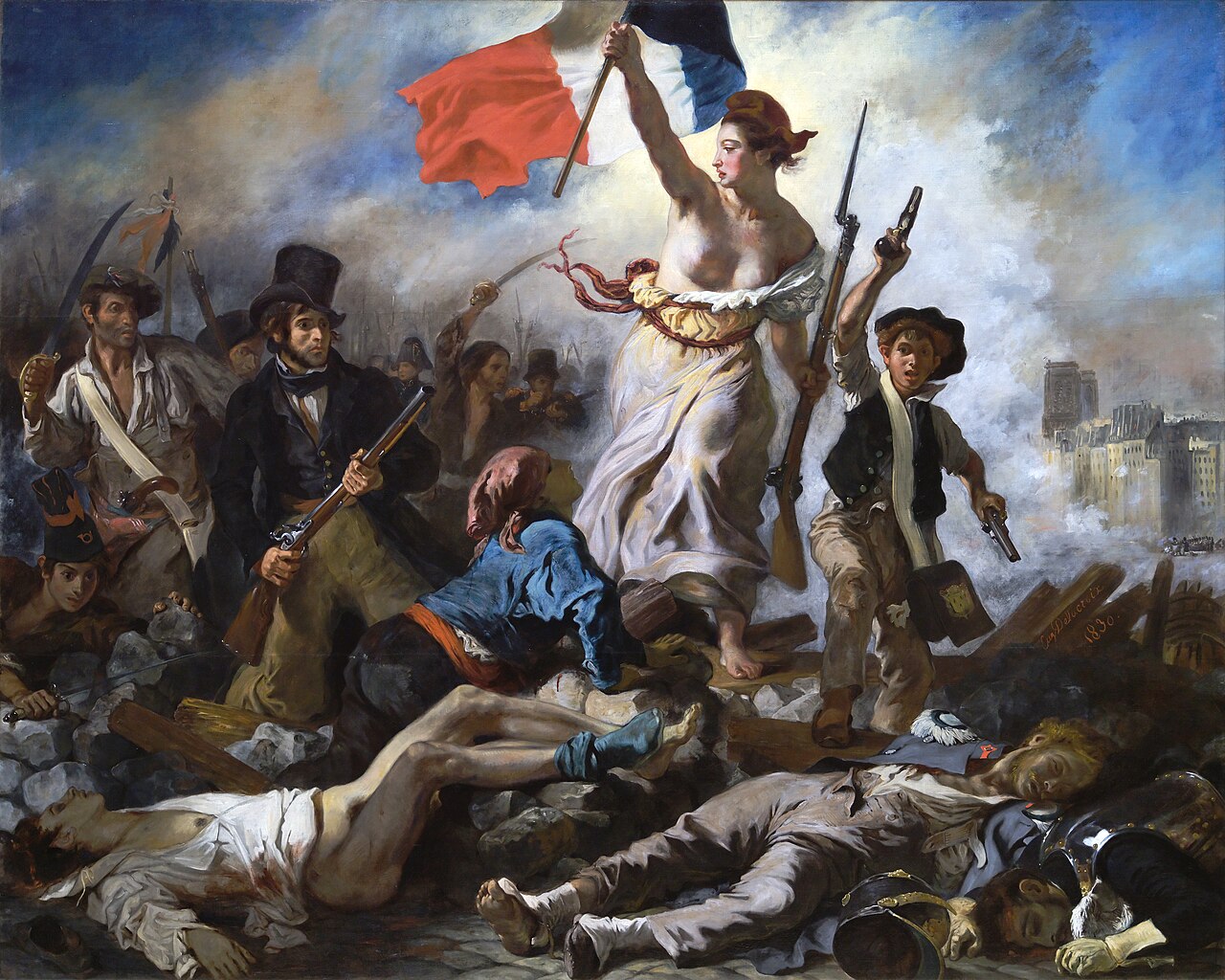
Liberty Leading the People
Eugène Delacroix · 1830
Delacroix's allegory of the July Revolution of 1830, turning a Paris uprising into a lasting symbol of the French Republic.
Delacroix painted this allegory of the July Revolution himself, making it his most famous political statement as an artist.
About this source
What it is
An 1830 oil painting by Eugène Delacroix, now in the Louvre. It shows an allegorical female figure of Liberty, bare-breasted and wearing a Phrygian cap, leading a mixed group of fighters over a barricade and bodies, carrying the tricolour flag.
Why it matters
Delacroix painted it in the autumn of 1830 to commemorate the July Revolution that overthrew Charles X, writing to his brother that if he could not fight for his country he could at least paint for her. The French state bought it but, fearing its revolutionary message, kept it hidden from public view for years. It shows how an artist could turn a recent political event into enduring national symbolism.
Look closer
- Why might Delacroix have mixed real people from different social classes with an allegorical figure?
- Why did the government buy the painting and then hide it?
- What does the choice of a Phrygian cap and tricolour flag tell you about the symbols of the French Revolution?
This painting is part of the curated material that grounds the AI version of Eugène Delacroix and Charles X of France on Humy.ai — when students ask about related events, the AI can quote it and cite it.
More Eugène Delacroix sources
Browse all 95 →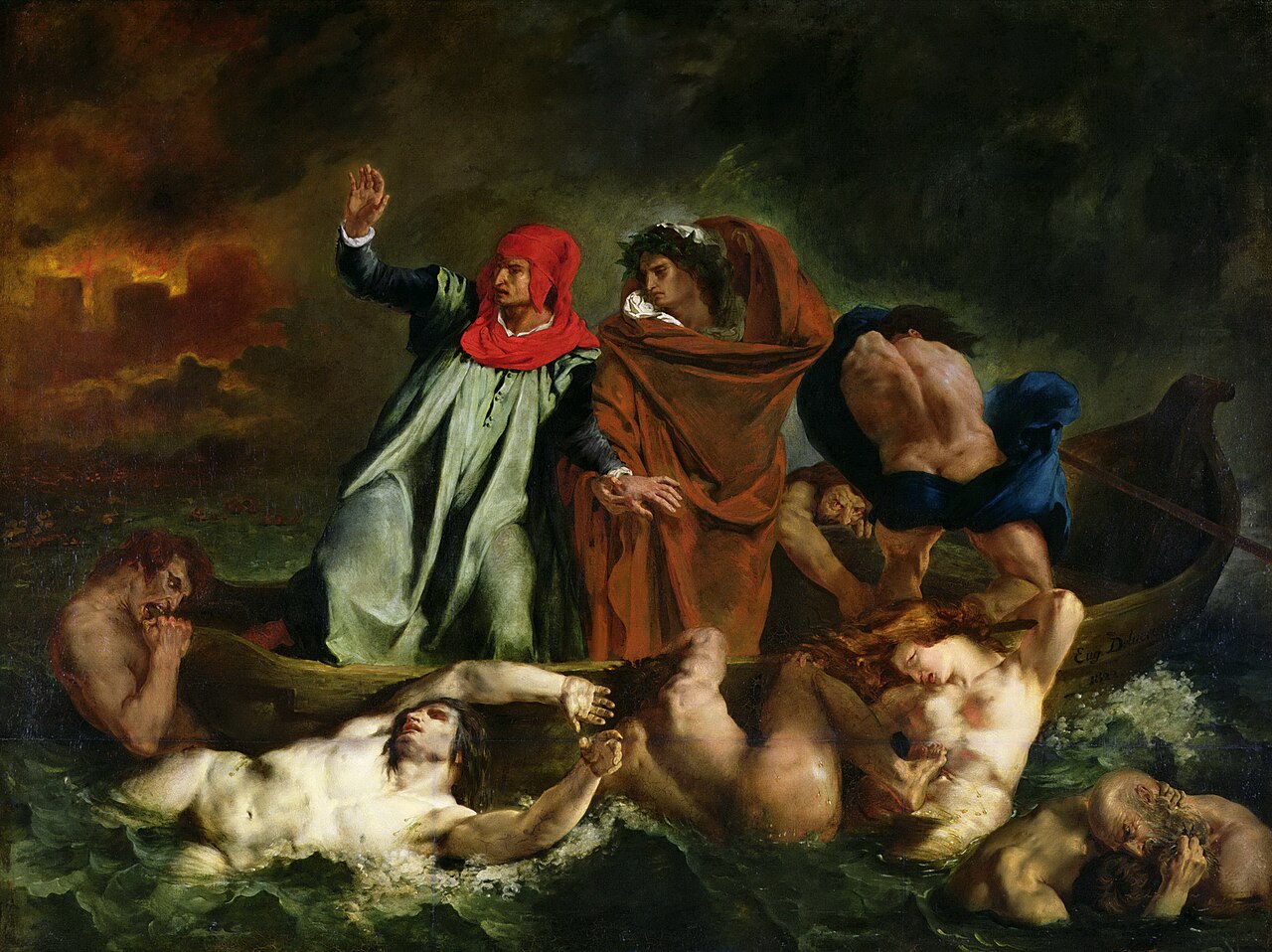 Painting
Secondary source
The Barque of Dante
Eugène Delacroix · 1822
 Painting
Primary source
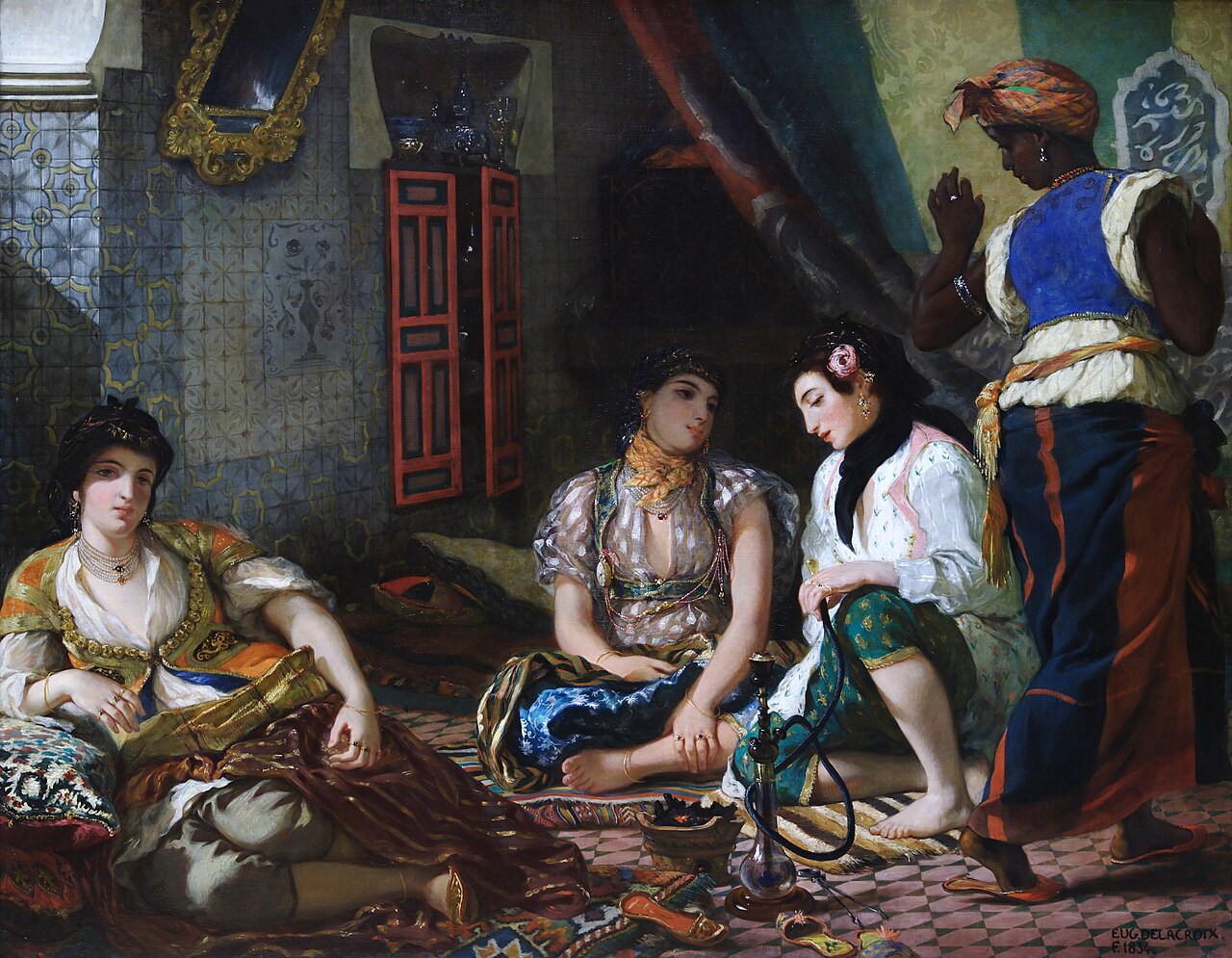
Women of Algiers
Eugène Delacroix · 1834
Primary source
Journal of Delacroix
Eugène Delacroix · 1822–1863
 Painting
Primary source
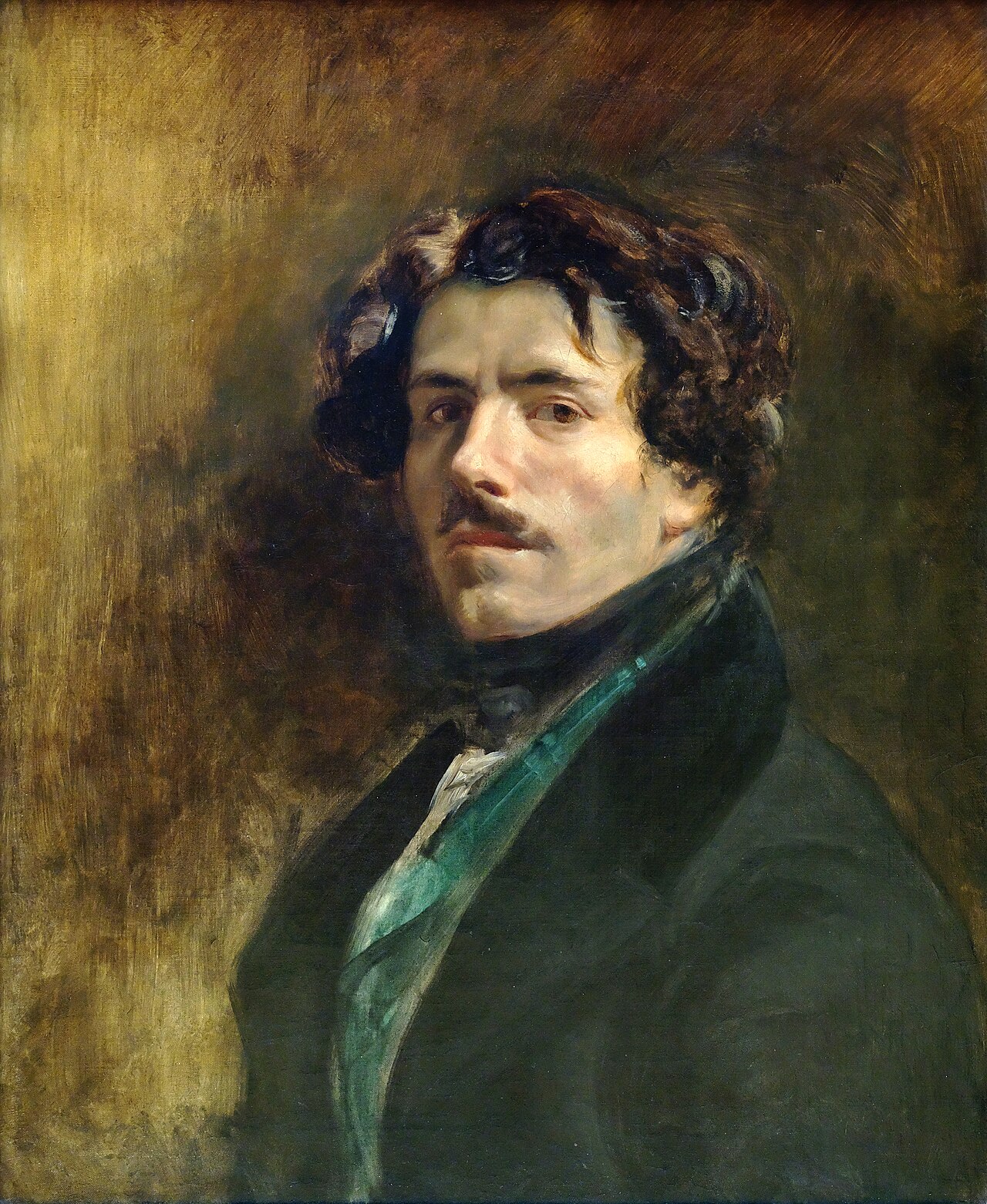
Self-portrait with Green Vest
Eugène Delacroix · c. 1837
Free account
Read every Eugène Delacroix source
Sign up free →
Ready when you are
Start chatting with Eugène Delacroix now.
20 messages free · No credit card · Available in 50+ languages.