


Primary sourceArtifact15th–16th century
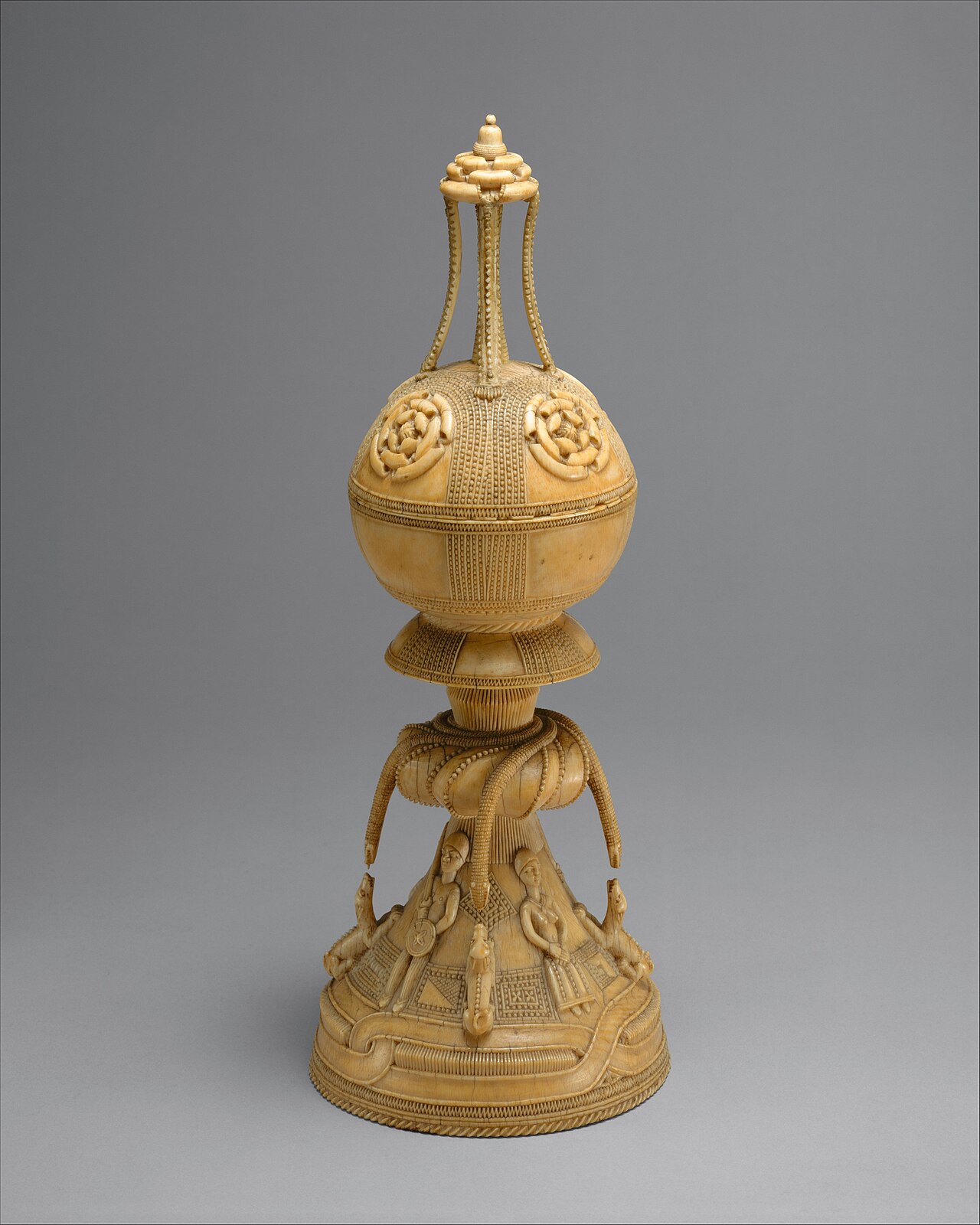
Lidded Saltcellar (Sapi-Portuguese)
15th–16th century
A carved ivory lidded saltcellar from the 15th or 16th century, made in Sapi-Portuguese style. It reflects the Africa-Portugal trade of Henry's era, not Henry himself.
Shows the ivory trade of the Africa-Portugal exchange in Henry's era, though it does not depict Henry.
About this source
What it is
This is a carved ivory lidded saltcellar, a container for salt, dated to the 15th to 16th century and classed as Sapi-Portuguese work. The photograph shows a tall finial lid with stacked knob tiers, a bulbous globe body decorated with rosettes and dotted bands, a flared collar, and a base with figures, a serpent-like coil and a spreading foot.
Why it matters
Sapi-Portuguese ivories were made during the Africa-Portugal trade that grew after Portuguese ships began exploring the African coast in Henry's lifetime. Objects like this show how artists combined local and European ideas for trade. The record ties the object to that era of contact, but not to Henry personally.
Look closer
- Which decorations on the body and lid look most unusual to you, and why?
- Who would have bought or used an object like this?
- What can an object tell us about trade, and what can it not tell us about the people who made it?
This artifact is part of the curated material that grounds the AI version of Prince Henry the Navigator on Humy.ai — when students ask about related events, the AI can quote it and cite it.
More Prince Henry the Navigator sources
Meet the AI Prince Henry the Navigator → Painting
Secondary source
Panel of the Prince (Detail)
Nuno Gonçalves · c. 1470
 Artifact
Secondary source
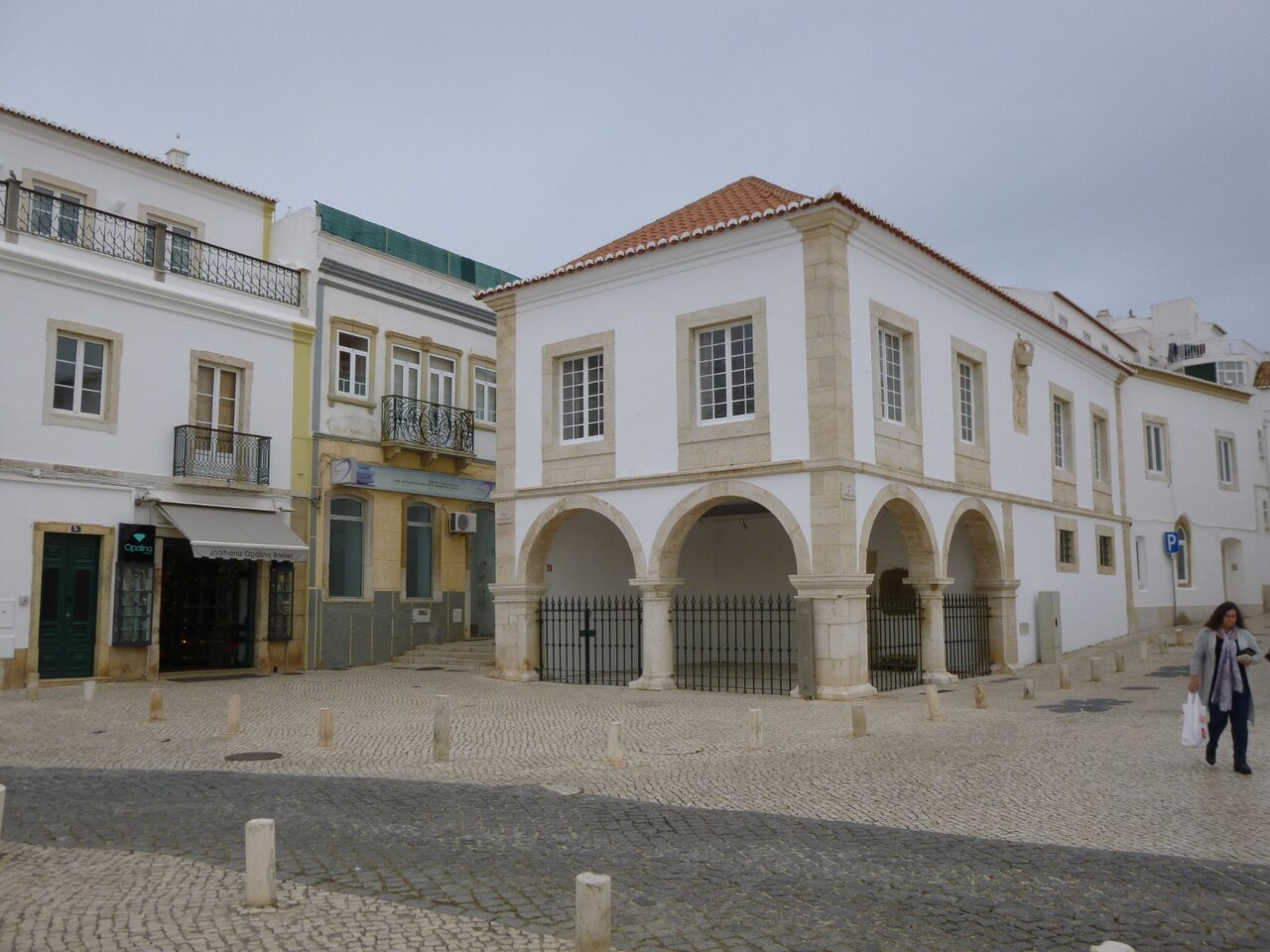
Mercado de Escravos
Built 1691; site of 1444 slave sale
 Book
Secondary source
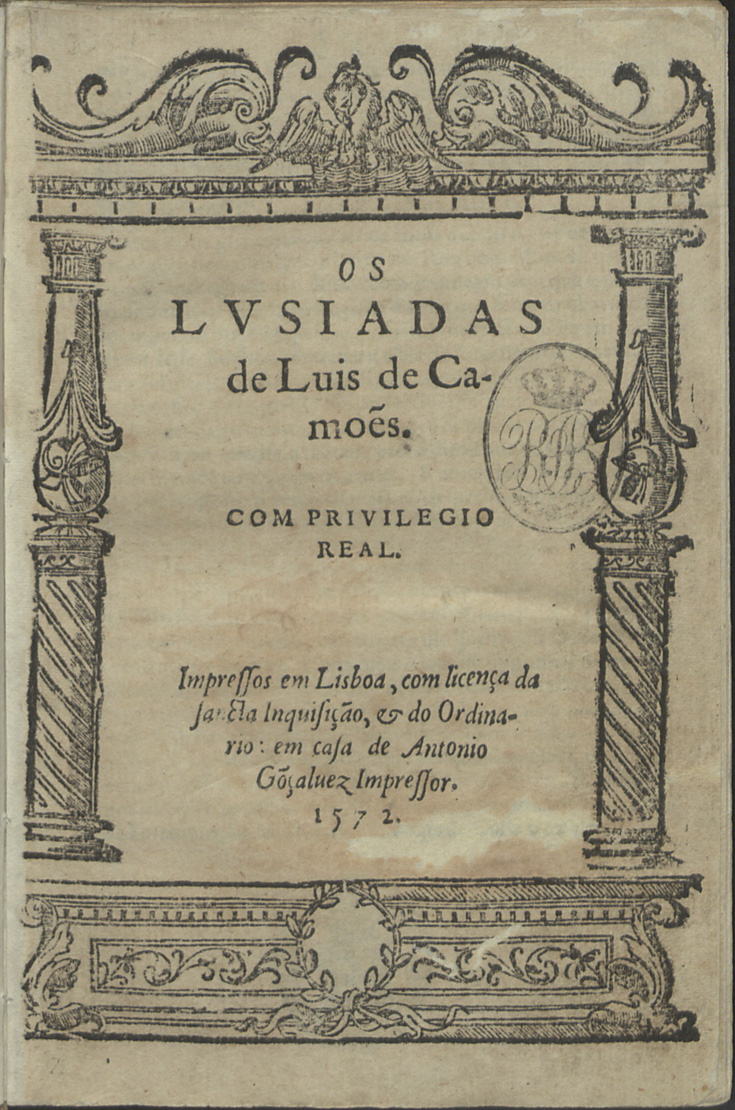
Os Lusíadas
Luís de Camões · 1572
 Painting
Secondary source
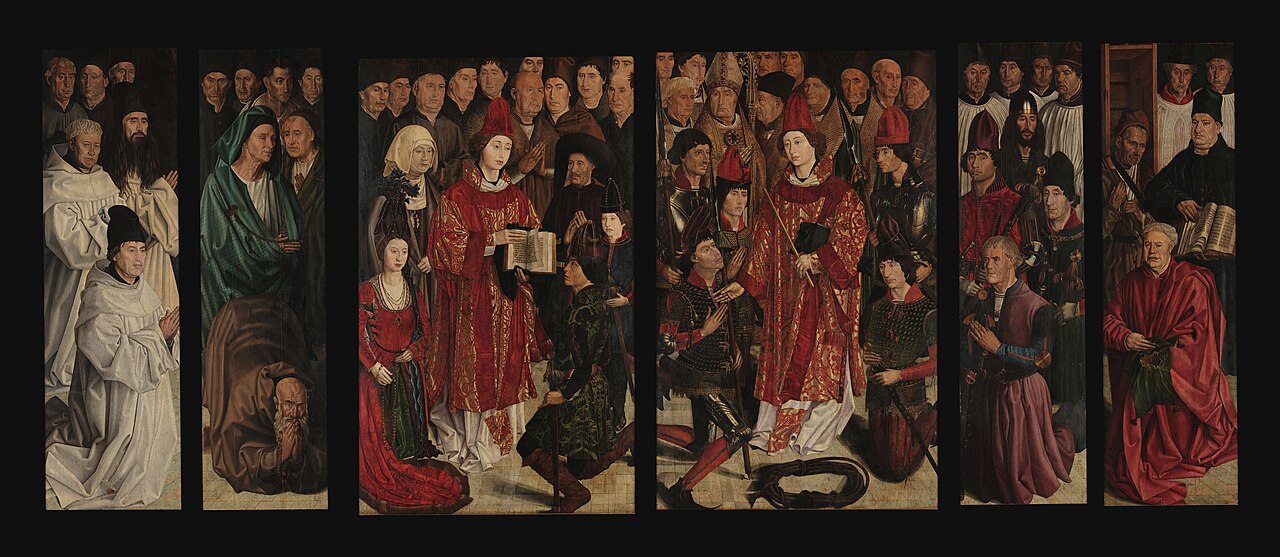
Saint Vincent Panels
Nuno Gonçalves · c. 1450-1480
 Sculpture
Secondary source
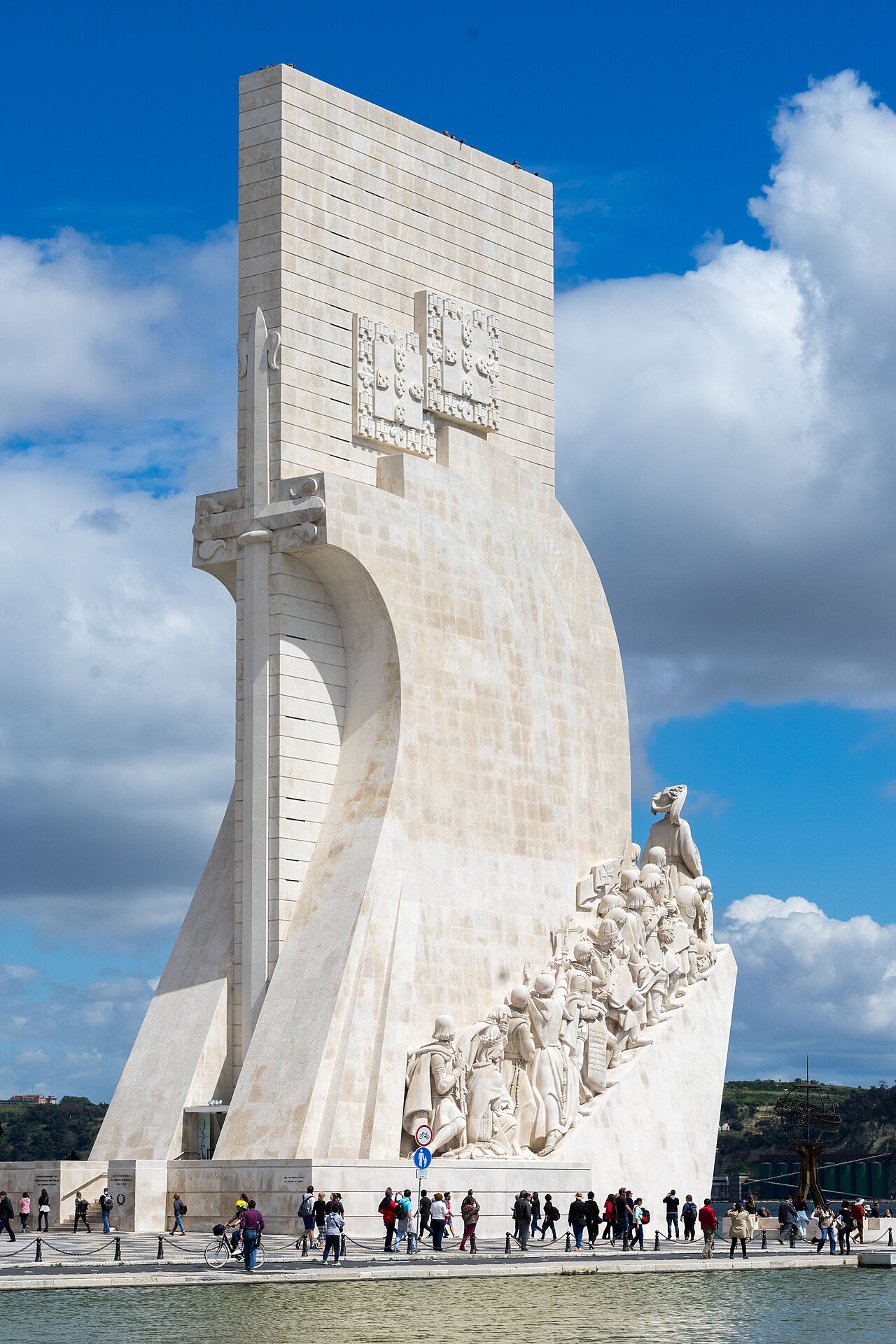
Padrão dos Descobrimentos
Leopoldo de Almeida · 1960 (inaugurated 9 August 1960)
Ready when you are
Start chatting with Prince Henry the Navigator now.
20 messages free · No credit card · Available in 50+ languages.