


Primary sourceBook1838
Ligeia
Edgar Allan Poe · 1838
Poe's own favorite short story, about a dead woman's return, first published in 1838 and revised throughout his life.
Poe wrote this story, which he considered his best, exploring his lasting themes of death and lost love.
About this source
What it is
Ligeia is a short story written by Edgar Allan Poe, first published in 1838 and revised many times afterward. It is narrated by an unnamed man who describes his first wife Ligeia, her death, his remarriage to Lady Rowena, and a strange transformation at the story's end.
Why it matters
Poe considered this his favorite of his own tales. It shows his recurring fascination with beautiful, intelligent women who die, a theme critics connect to losses in his own life. The story's ambiguous ending—whether supernatural or a drugged hallucination—reflects Poe's interest in blurring reason and madness. Writers and critics such as George Bernard Shaw later praised the story's intensity.
Look closer
- Why might Poe have made the narrator unreliable, perhaps influenced by opium?
- What does the story suggest about how Poe imagined women and death?
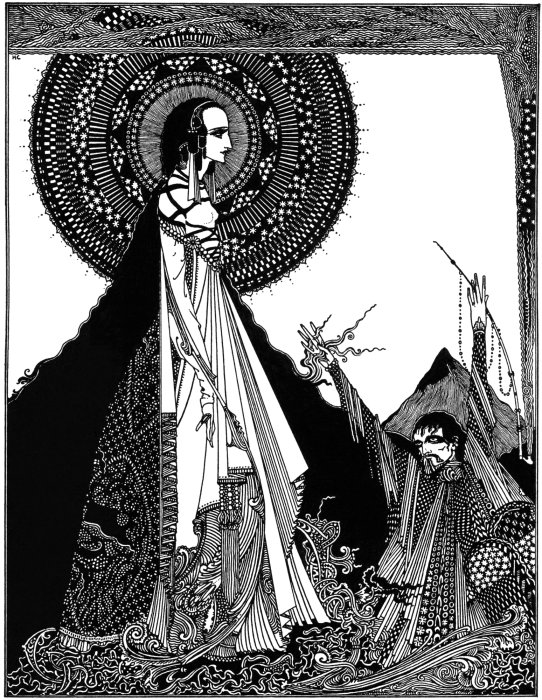
- How does the illustration shown here interpret the story's strange, dreamlike ending?
This book is part of the curated material that grounds the AI version of Edgar Allan Poe on Humy.ai — when students ask about related events, the AI can quote it and cite it.
More Edgar Allan Poe sources
Meet the AI Edgar Allan Poe → Book
Primary source
The Raven
Edgar Allan Poe · 1845
 Book
Primary source
The Tell-Tale Heart
Edgar Allan Poe · 1843
 Book
Primary source
The Fall of the House of Usher
Edgar Allan Poe · 1839
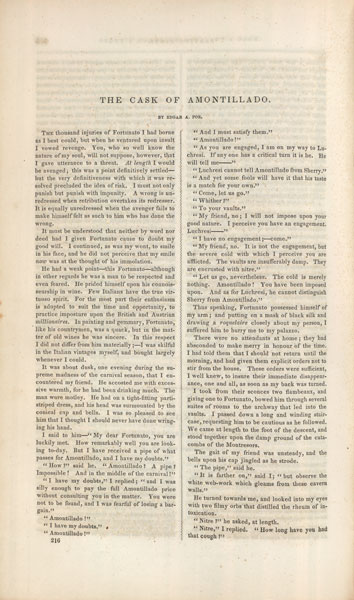 Book
Primary source
The Cask of Amontillado
Edgar Allan Poe · November 1846
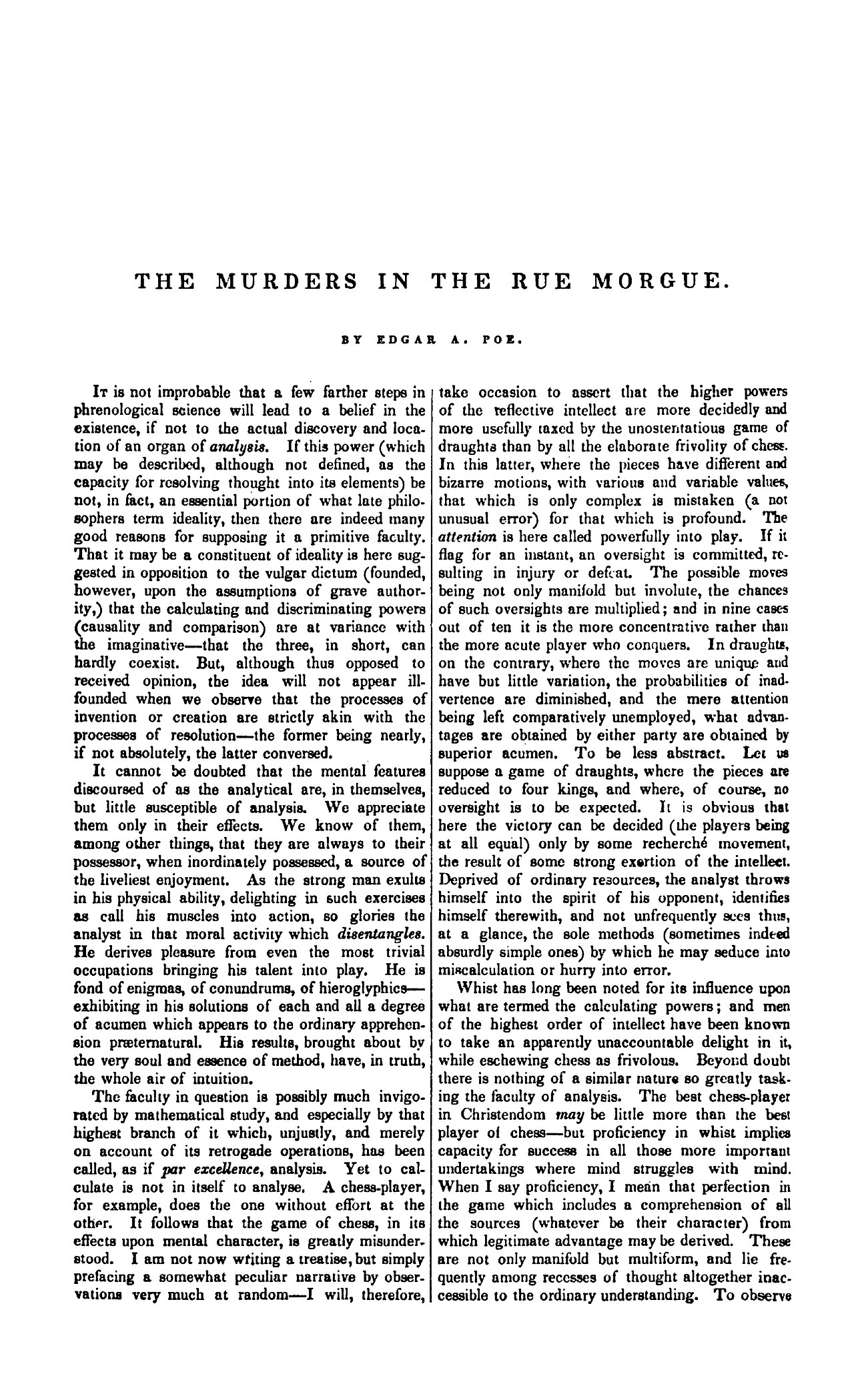 Book
Primary source
The Murders in the Rue Morgue
Edgar Allan Poe · 1841
Ready when you are
Start chatting with Edgar Allan Poe now.
20 messages free · No credit card · Available in 50+ languages.