


Primary sourceDocument
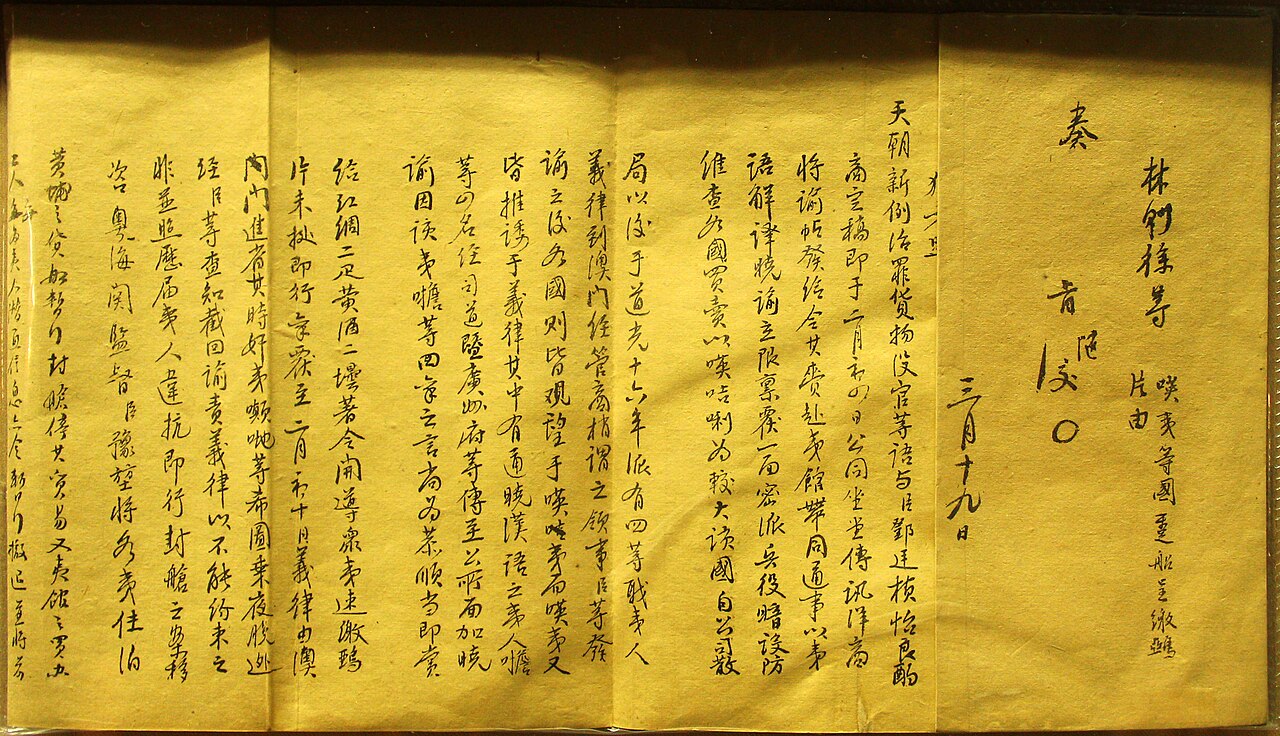
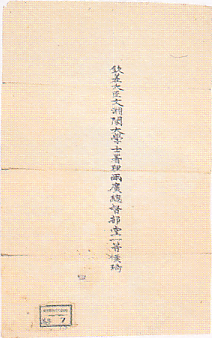
Lin Zexu's Memorial Reporting the Confiscation of Opium
Lin Zexu
A memorial from Lin Zexu to the Daoguang Emperor reporting the seizure of opium, part of the palace memorial system.
This memorial shows the system through which the Daoguang Emperor directed and received reports on the anti-opium campaign.
About this source
What it is
This is a palace memorial written by Lin Zexu to report to the Daoguang Emperor on the confiscation of opium. It is written in cursive brushwork Chinese on folded paper, and is exhibited at the Guangzhou Museum of Modern Chinese History.
Why it matters
Memorials like this were the formal channel through which officials reported to the emperor and received his instructions. This document shows how the Daoguang Emperor directed the anti-opium campaign from the capital through trusted officials like Lin Zexu, and gives a direct link between the emperor's policy and its enforcement on the ground.
Look closer
- What does the format of this document tell you about how communication worked between officials and the emperor?
- Why might reporting directly to the emperor have been important for an official like Lin Zexu?
- What might be missing from an official report like this about the real effects of the opium crackdown?
This document is part of the curated material that grounds the AI version of Daoguang Emperor on Humy.ai — when students ask about related events, the AI can quote it and cite it.
More Daoguang Emperor sources
Browse all 75 →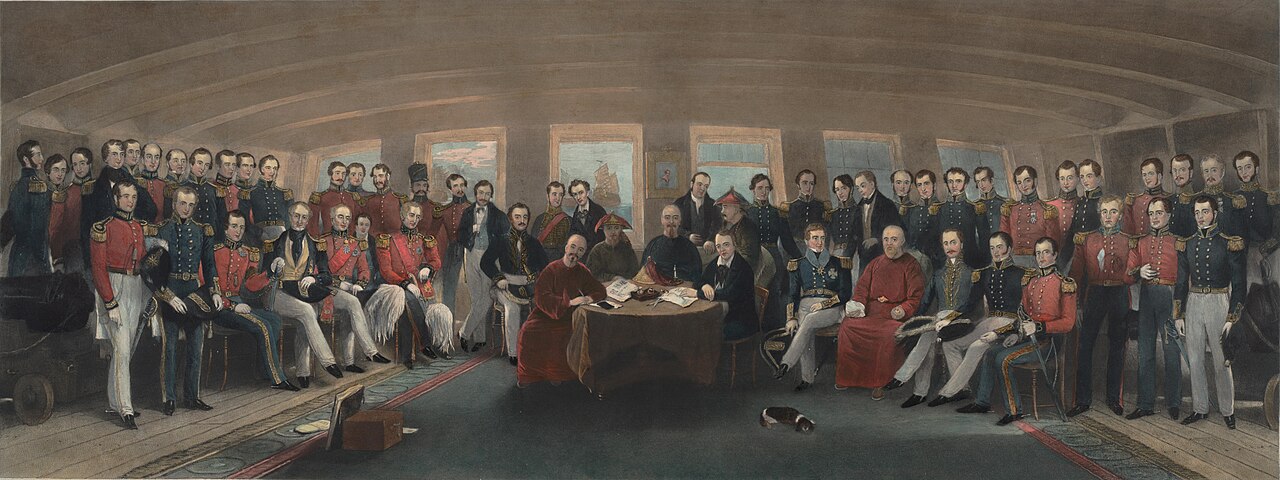 Document
Primary source
Treaty of Nanjing
29 August 1842
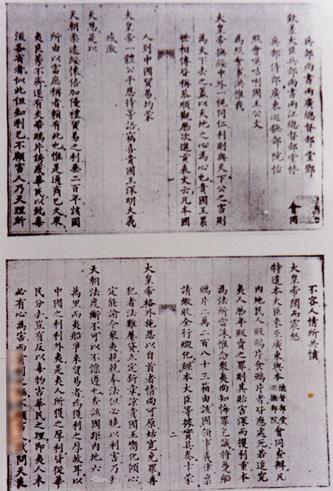 Letter
Primary source
Letter to Queen Victoria
Lin Tse-hsu · 1839
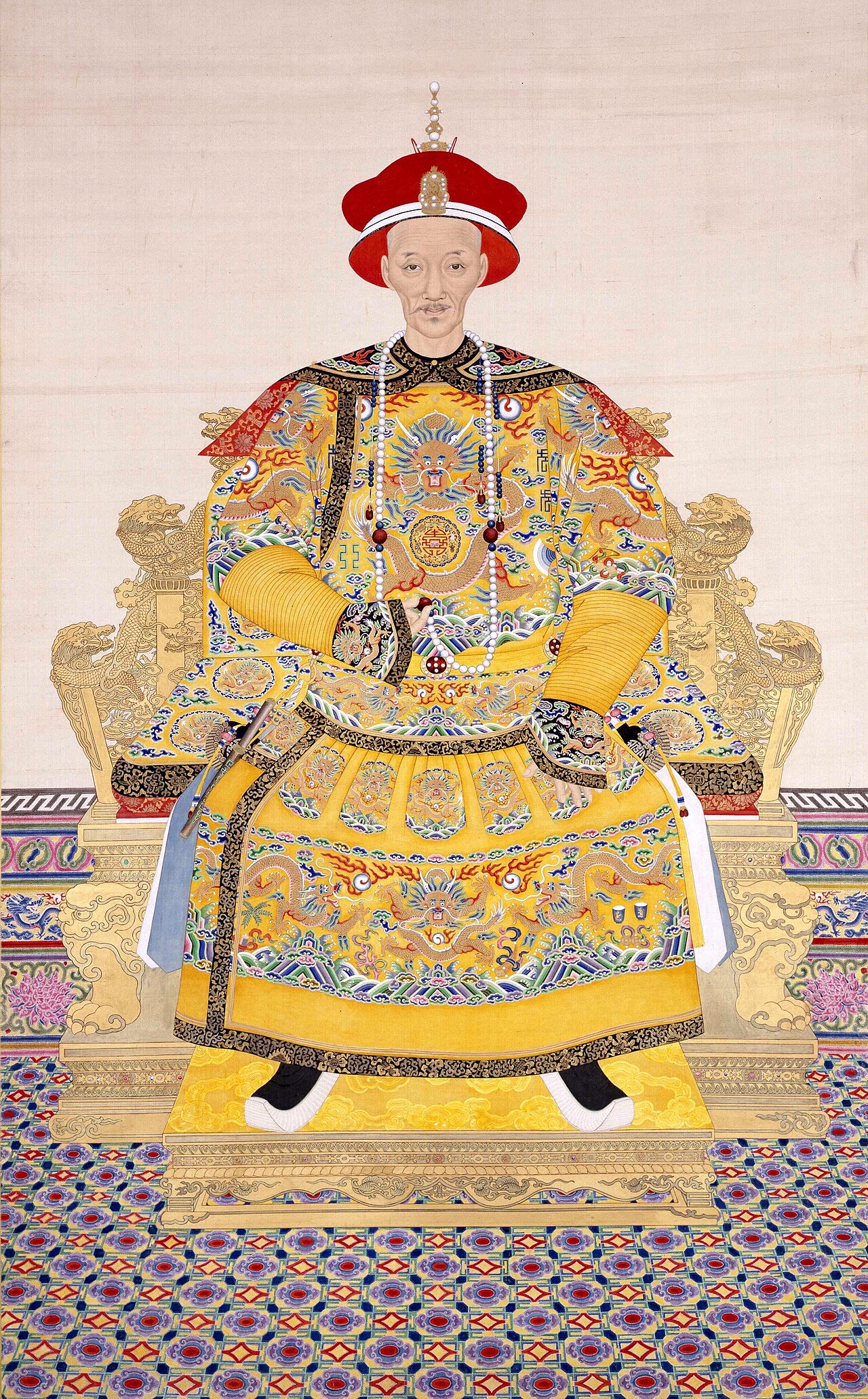 Painting
Primary source
Portrait of the Daoguang Emperor in Court Dress
Anonymous Qing Dynasty Court Painter
Primary source
Lord Palmerston's letter to the Minister of the Emperor of China
Henry John Temple, 3rd Viscount Palmerston · 20 February 1840
Free account
Read every Daoguang Emperor source
Sign up free →
Ready when you are
Start chatting with Daoguang Emperor now.
20 messages free · No credit card · Available in 50+ languages.