


Primary sourceDocument29 August 1842
Treaty of Nanjing
29 August 1842
The 1842 treaty ending the First Opium War, the conflict triggered by Lin Zexu's seizure and destruction of opium.
This treaty ended the war triggered by Lin's opium seizure, and he was blamed by the Qing court for the defeat it recorded.
Free Humy account · No credit card · 120,912 sources to read
About this source
What it is
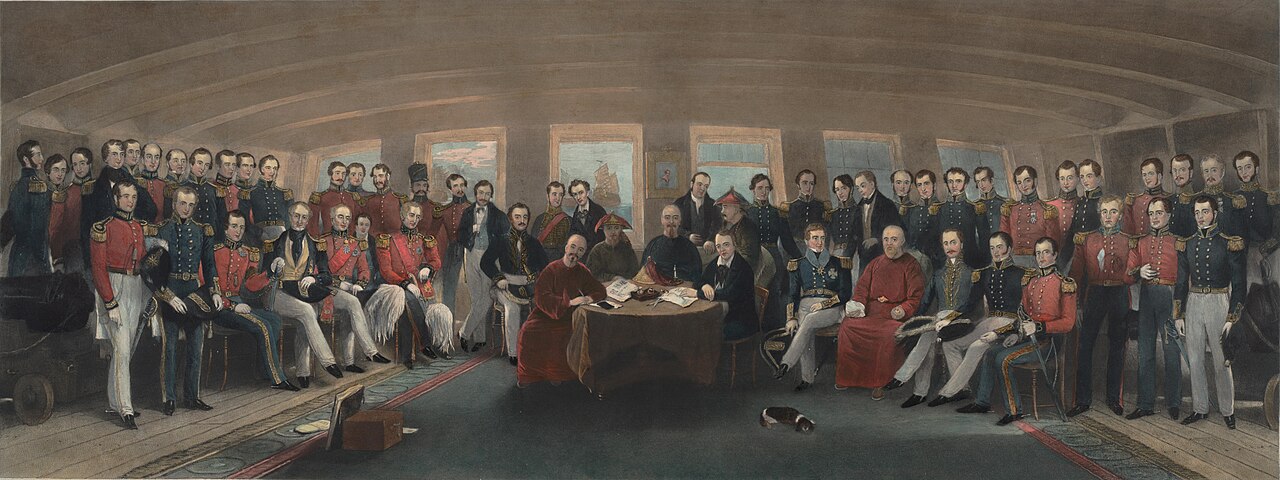
The Treaty of Nanjing, signed on 29 August 1842 aboard HMS Cornwallis, ended the First Opium War between Britain and the Qing dynasty. British representative Henry Pottinger and Qing officials Keying, Yilibu, and Niu Jian signed it. It is held by the National Palace Museum.
Why it matters
The war began after Lin Zexu, as imperial commissioner, seized and destroyed opium being smuggled into China by British merchants. Britain retaliated militarily, and its victory forced this one-sided treaty on China, ceding Hong Kong, paying indemnities, and opening treaty ports. Lin was blamed by the Qing court for provoking the war, even though he was acting on imperial orders.
Why it matters
The treaty shows the dramatic consequences of Lin's anti-opium campaign and marks the beginning of what China later called the 'unequal treaties.'
Look closer
- Who gained and who lost from this treaty's terms?
- Why might the Qing court blame Lin for the war's outcome rather than other factors?
- What does the painting of the signing scene suggest about the power balance between the two sides?
This document is part of the curated material that grounds the AI version of Viceroy Lin Zexu and Daoguang Emperor on Humy.ai — when students ask about related events, the AI can quote it and cite it.
More Viceroy Lin Zexu sources
Browse all 97 →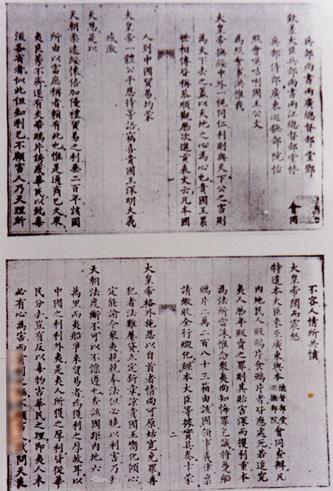 Letter
Primary source
Letter to Queen Victoria
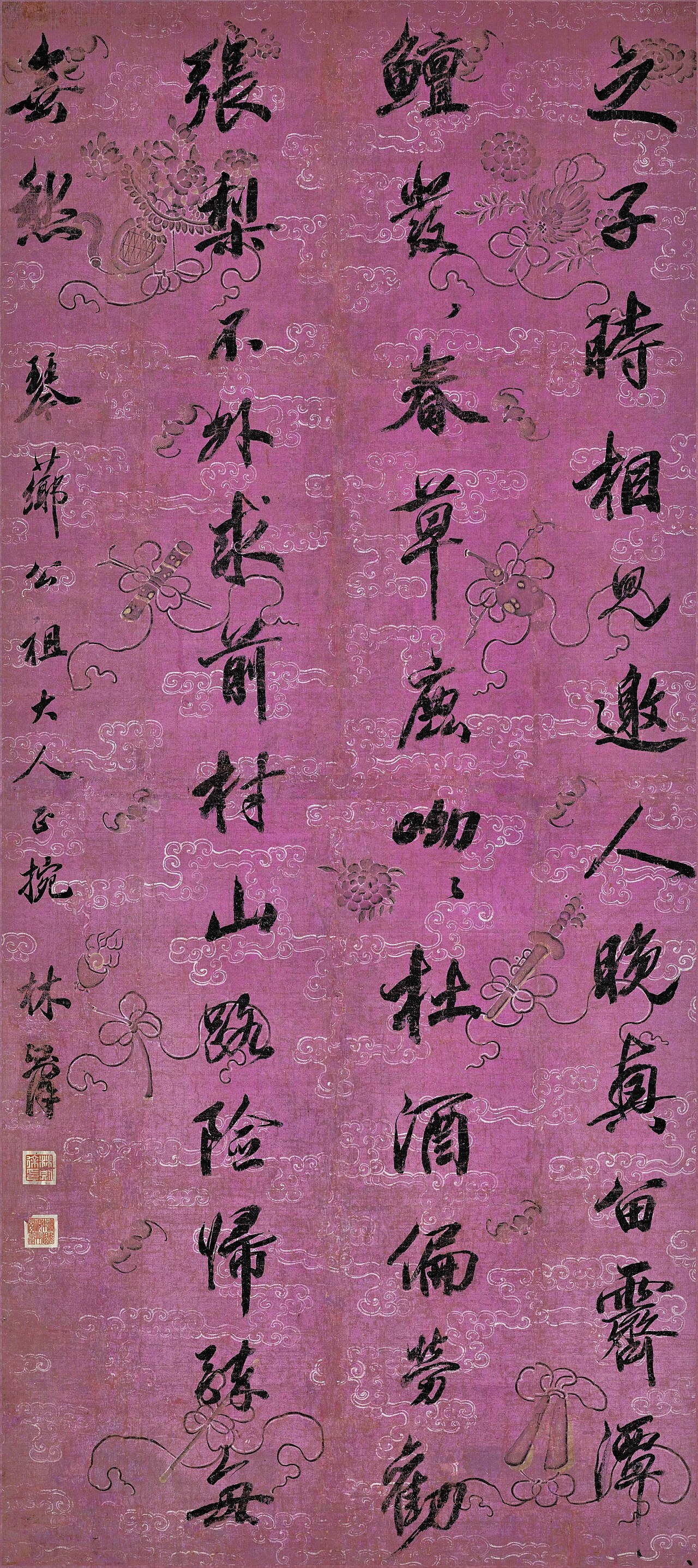
Lin Tse-hsu · 1839
 Painting
Primary source
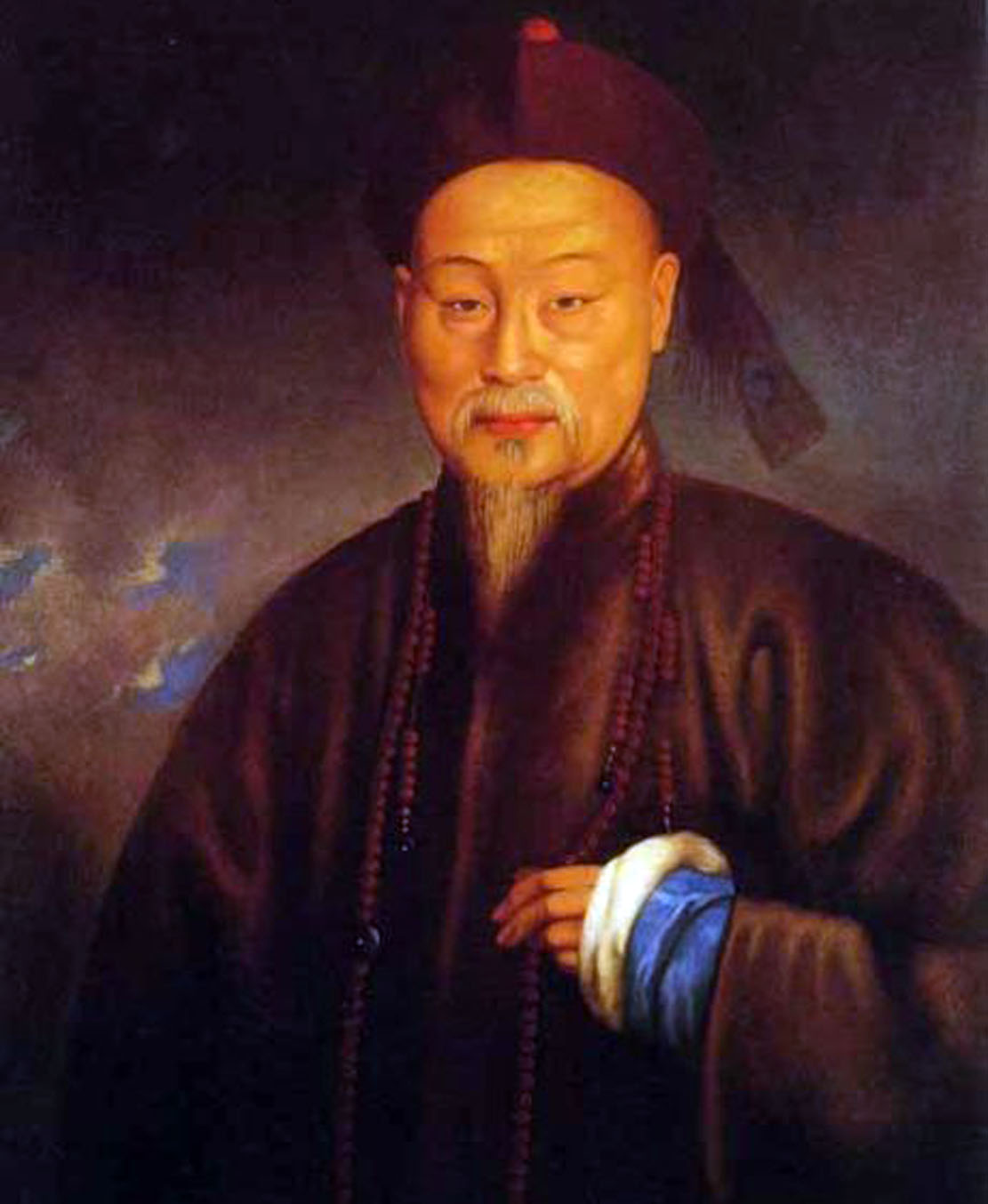
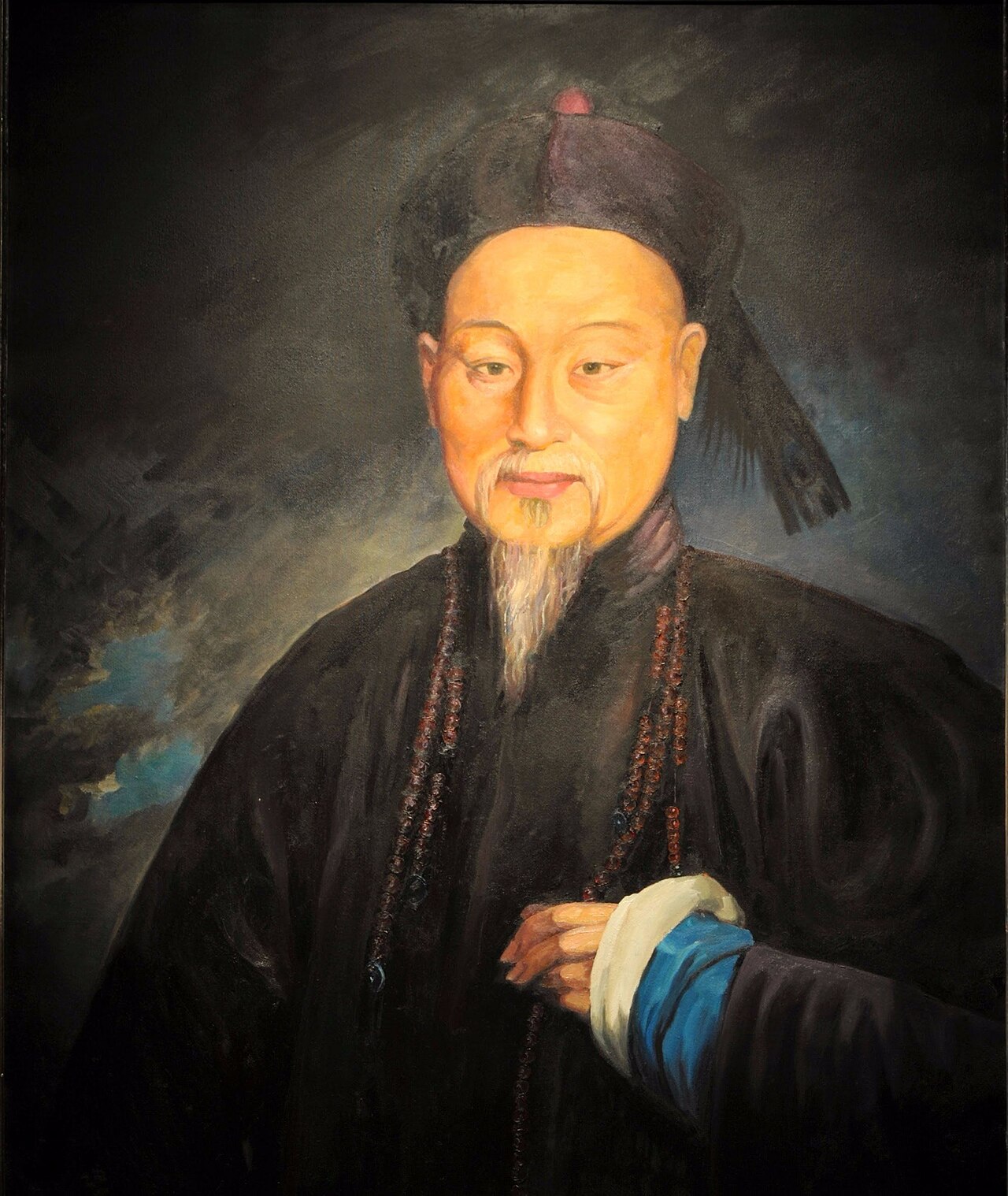
Lin Zexu Portrait by Lamqua
Lamqua (attributed)
 Book
Secondary source
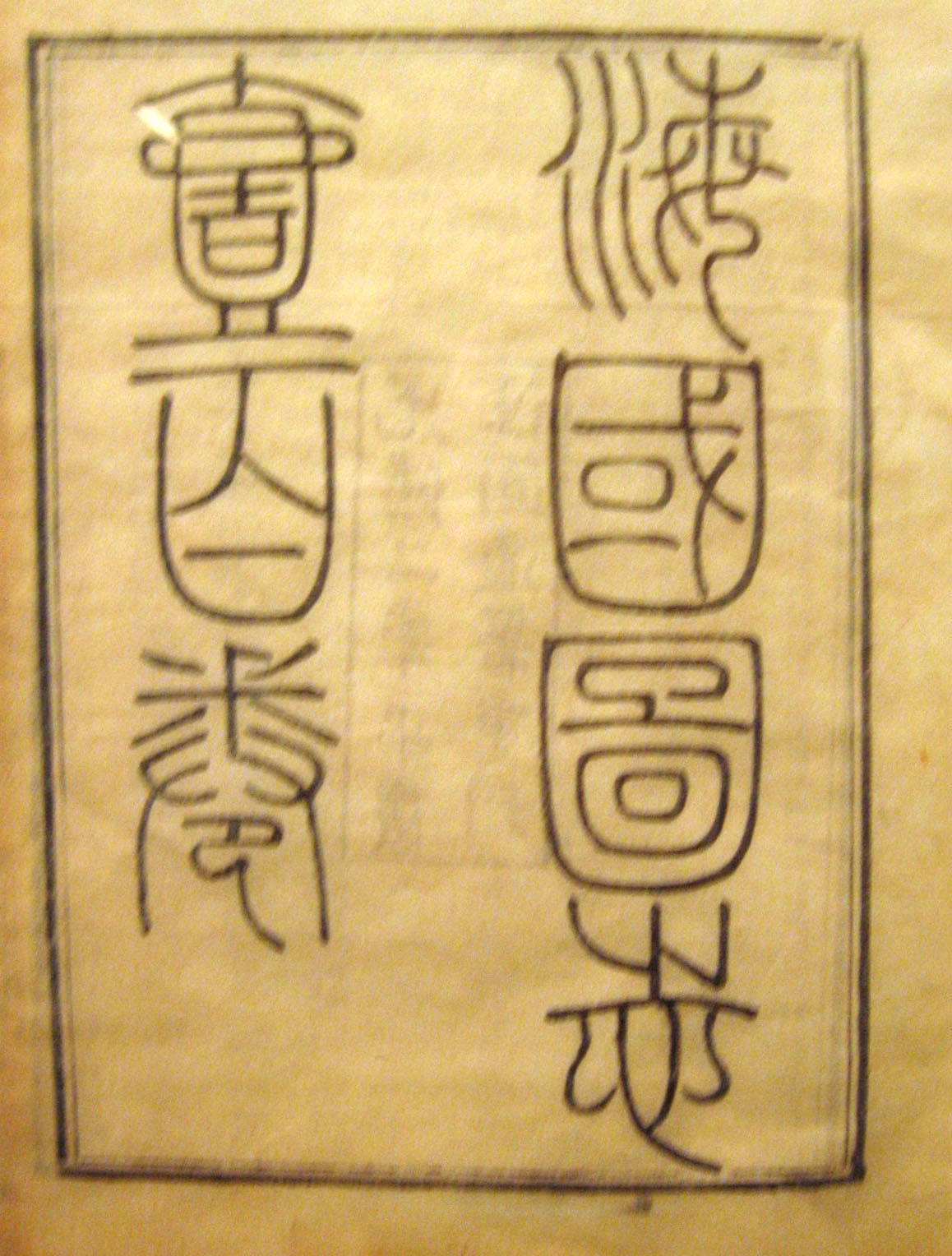
Illustrated Treatise on the Maritime Kingdoms
Wei Yuan · 1843 (first edition)
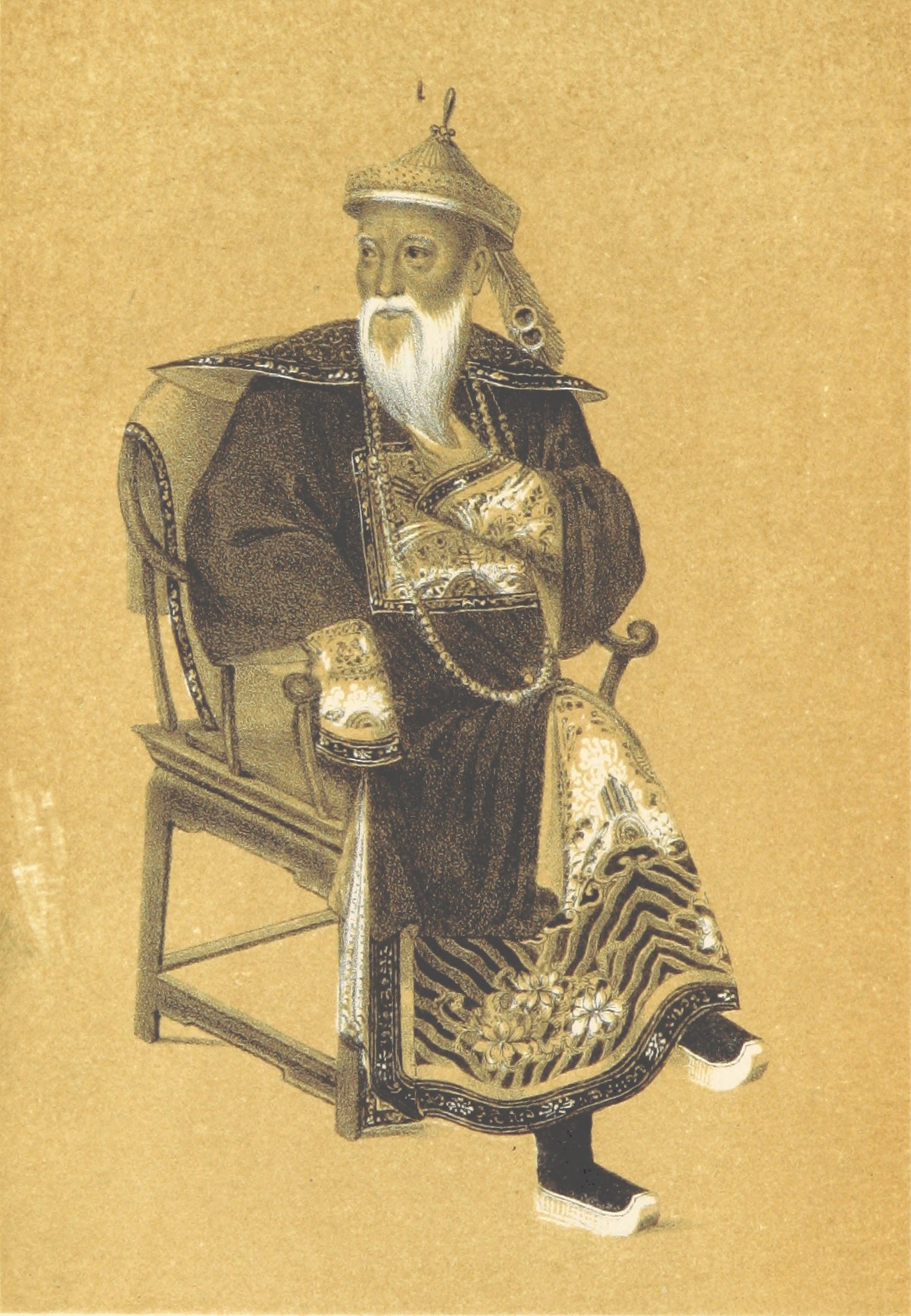 Painting
Primary source
Commissioner Lin Zexu
Unknown (native artist)
Free account
Read every Viceroy Lin Zexu source
Sign up free →
Ready when you are
Start chatting with Viceroy Lin Zexu now.
20 messages free · No credit card · Available in 50+ languages.