


Secondary sourceArtifact1736
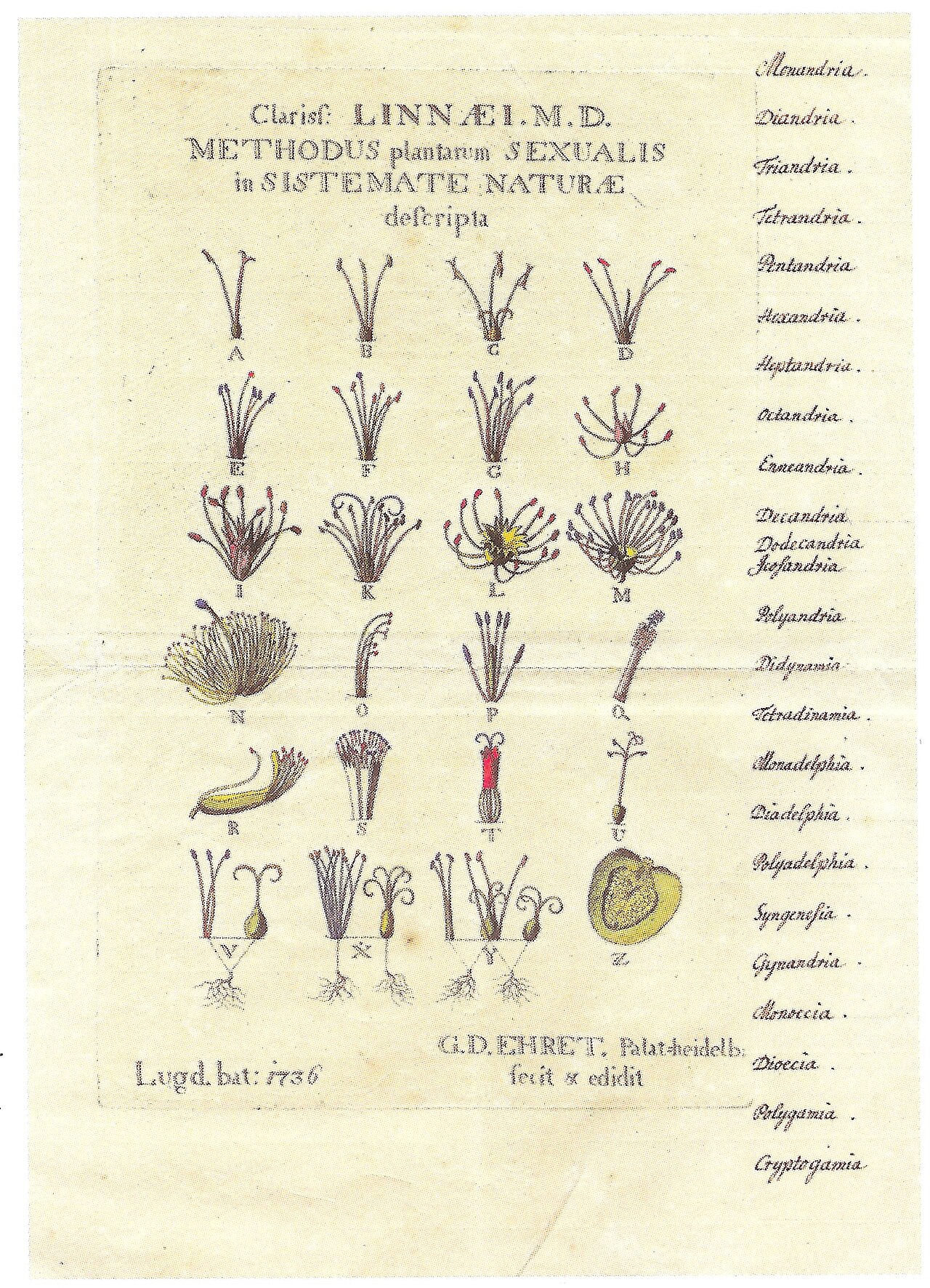
Linnaei Methodus Plantarum Sexualis
Georg Dionysus Ehret · 1736
An engraved plate by Georg Dionysus Ehret from 1736 illustrating Linnaeus's system for classifying plants by their reproductive parts.
This illustration visualizes Linnaeus's own plant classification system, made in collaboration with his ideas.
About this source
What it is
This is an engraved, hand-colored plate made in 1736 by the botanical illustrator Georg Dionysus Ehret, held at Uppsala University Library. It diagrams the 24 classes of Linnaeus's sexual system for classifying plants, based on counting stamens and pistils, shown as rows of lettered illustrations.
Why it matters
The plate is the classic visual statement of Linnaeus's sexual system, the method he used to sort all known plants into classes such as Monandria, Diandria and Cryptogamia. It shows how closely artists like Ehret worked with Linnaeus to turn his written system into clear images that other naturalists could use.
Look closer
- Why might a visual chart like this have helped spread Linnaeus's classification system faster than text alone?
- What do the Latin class names, based on counting plant parts, tell you about Linnaeus's approach to organizing nature?
- What might a system based only on reproductive parts miss about a plant?
This artifact is part of the curated material that grounds the AI version of Carl Linnaeus on Humy.ai — when students ask about related events, the AI can quote it and cite it.
More Carl Linnaeus sources
Browse all 53 →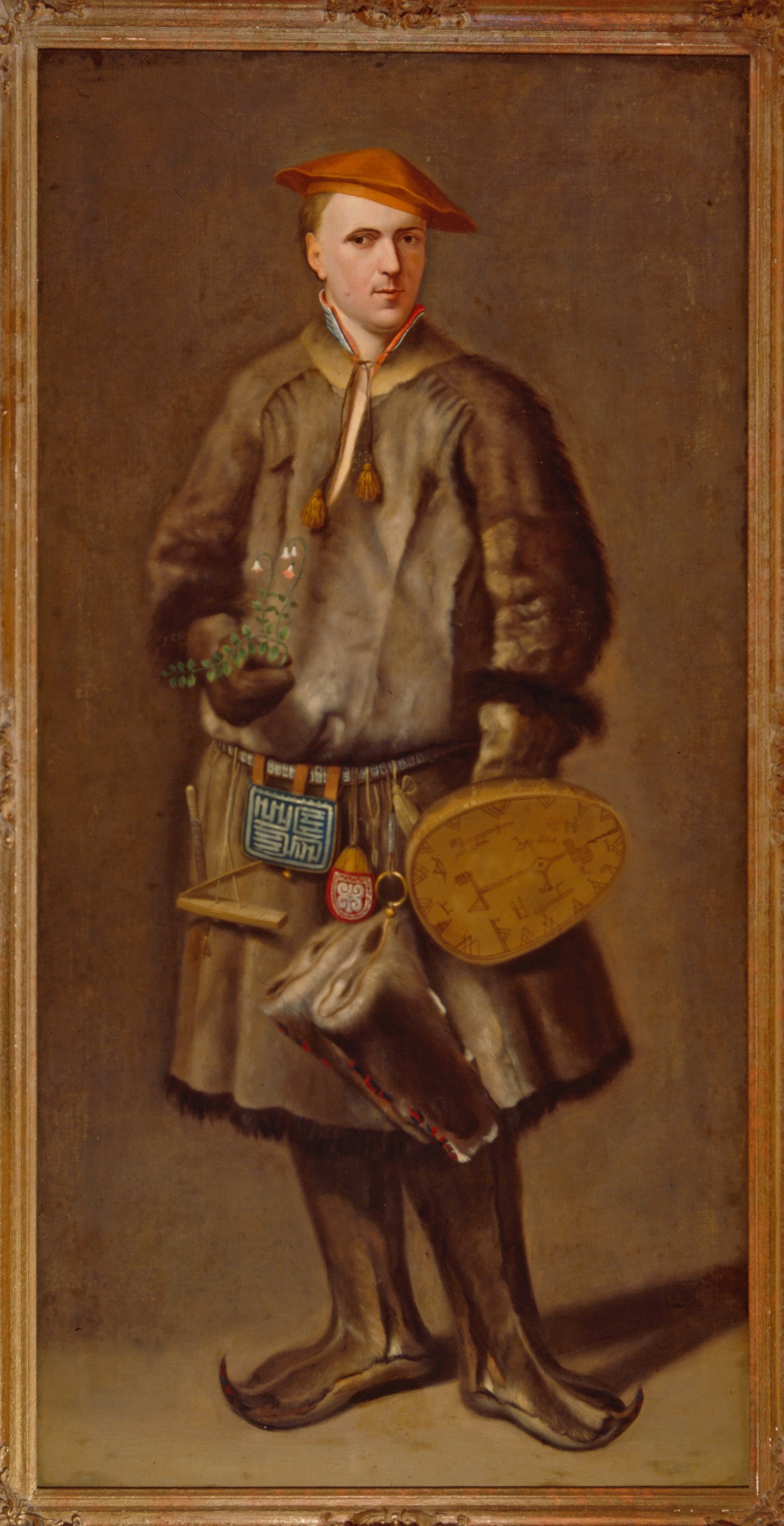 Painting
Primary source
Linnaeus in his Lapland Dress
Martin Hoffman · 1737
 Painting
Primary source
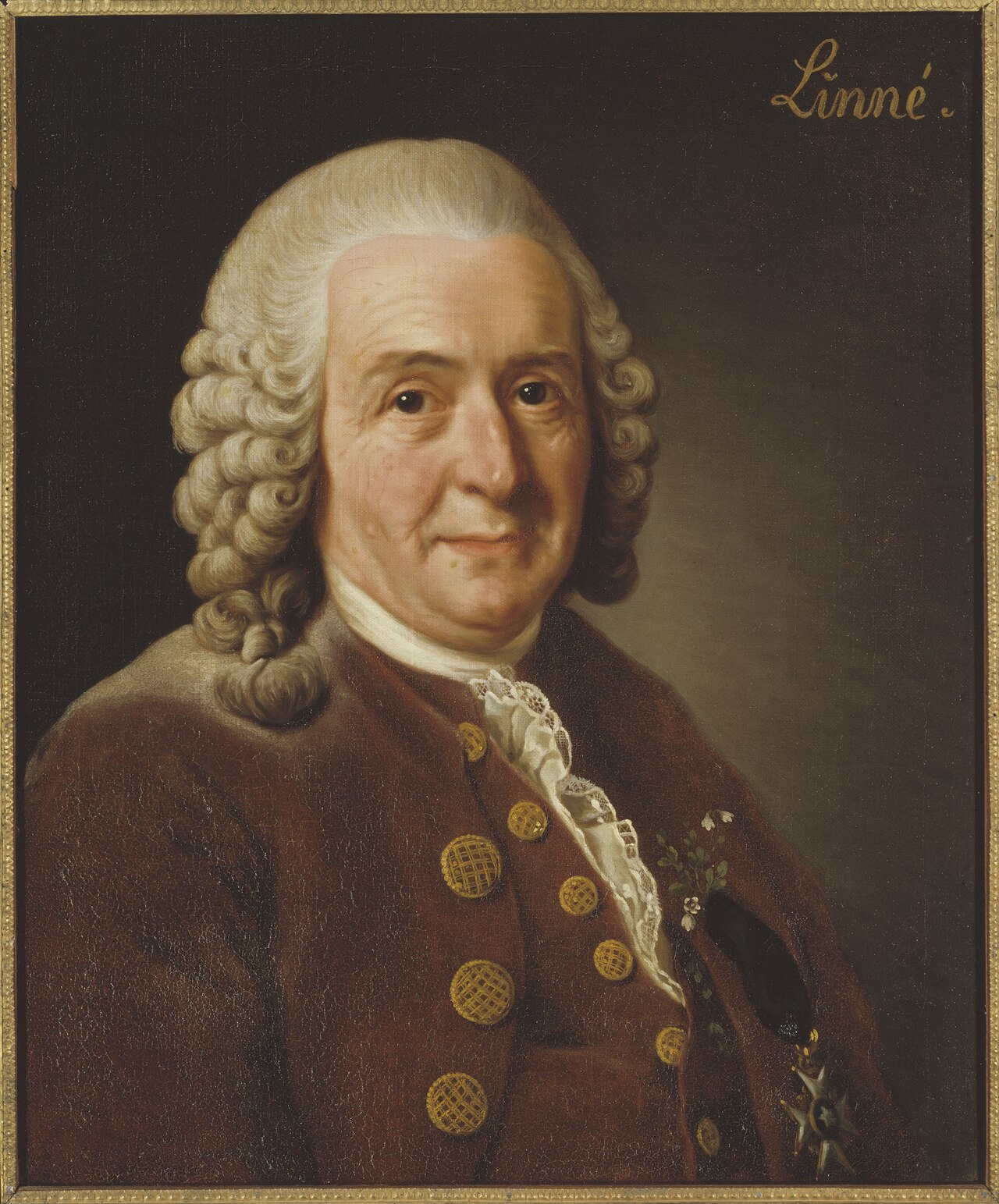
Portrait of Carl Linnaeus, 1707-1778
Alexander Roslin · 1775
 Document
Primary source
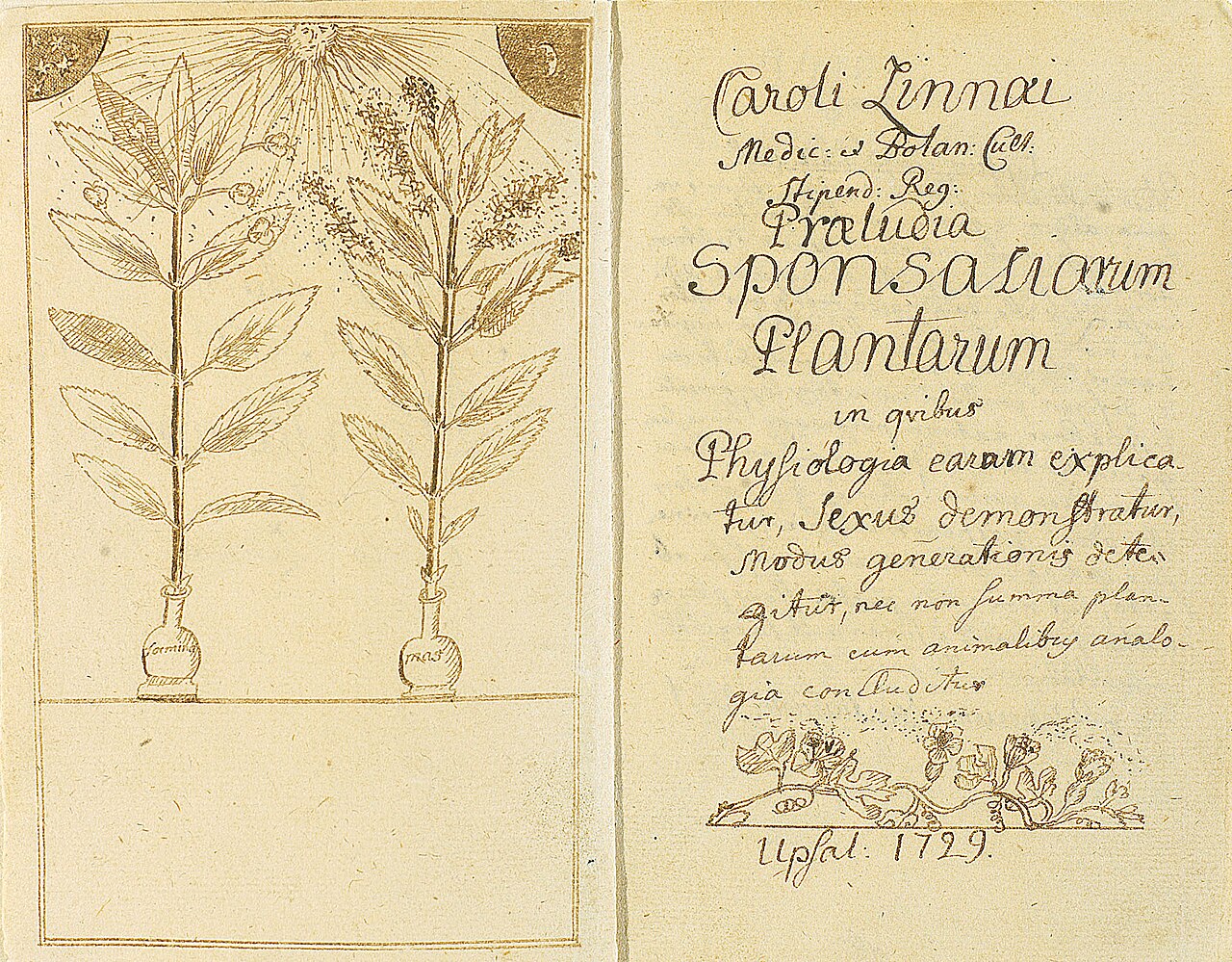
Praeludia Sponsaliorum Plantarum
Carl Linnaeus · 1729
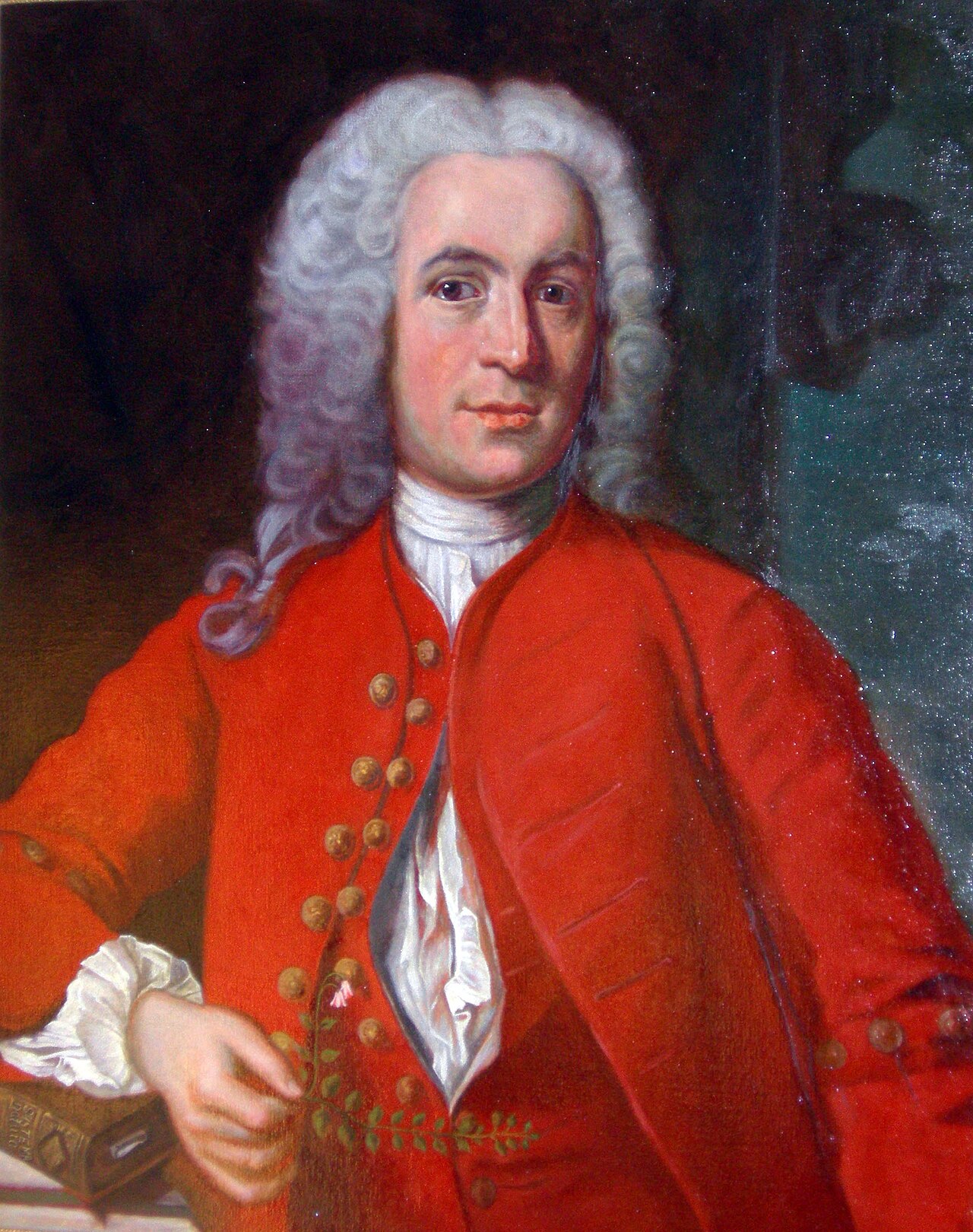 Painting
Primary source
Portrait of Carolus Linnaeus
Johan Henrik Scheffel · 1739

Free account
Read every Carl Linnaeus source
Sign up free →
Ready when you are
Start chatting with Carl Linnaeus now.
20 messages free · No credit card · Available in 50+ languages.