


Primary sourcePainting1737
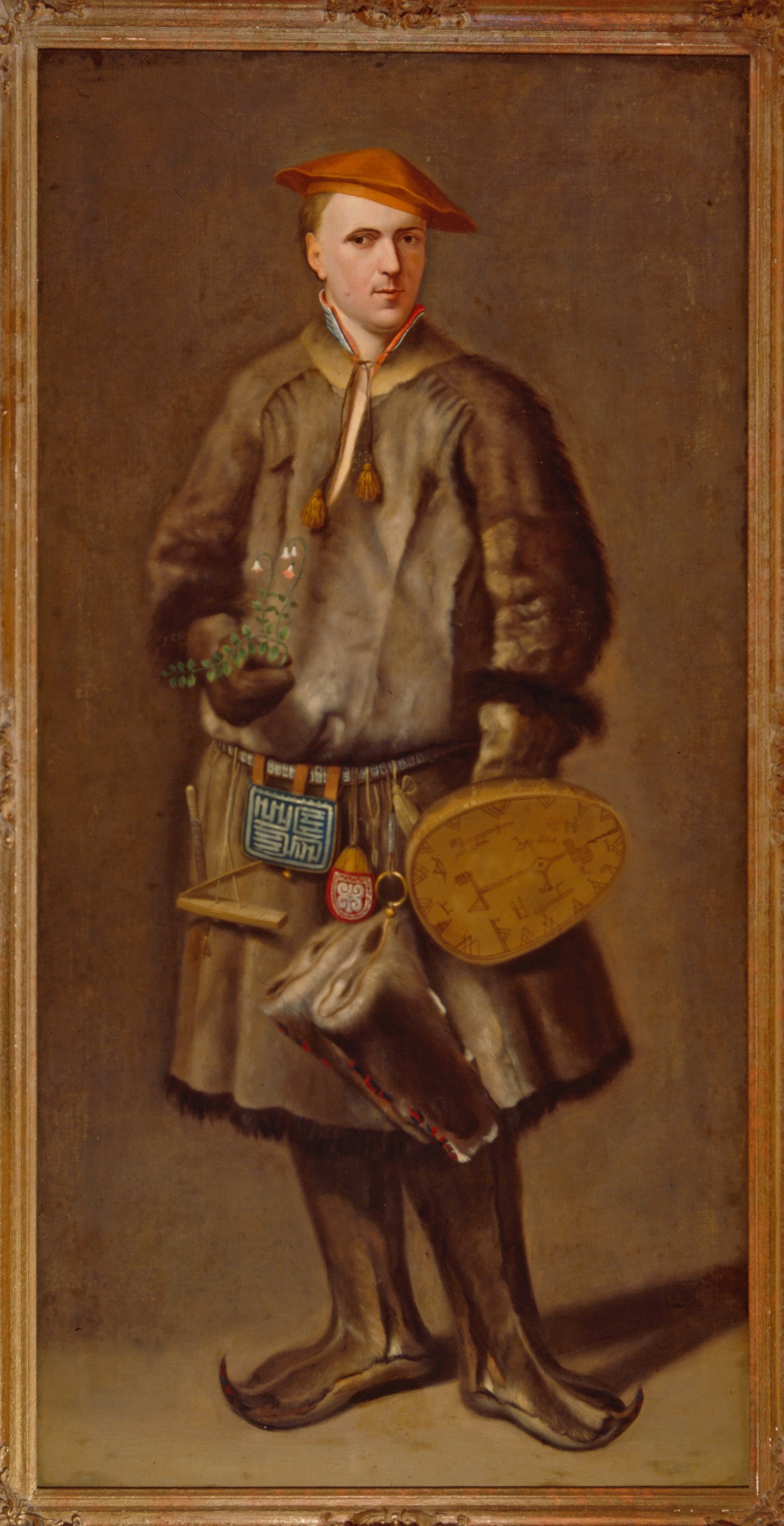
Linnaeus in his Lapland Dress
Martin Hoffman · 1737
A 1737 portrait showing the young Linnaeus dressed as an explorer of Lapland, holding the flower later named after him.
This portrait shows Linnaeus presenting himself as an explorer soon after his Lapland expedition.
About this source
What it is
This is an oil painting by Martin Hoffman, made in 1737 in the Netherlands. It shows a full-length figure of Carl Linnaeus wearing Sami-style fur clothing, holding a sprig of small flowers and a drum, and is now held by Rijksmuseum Boerhaave.
Why it matters
The painting shows how the young Linnaeus, soon after returning from his journey through Lapland, wanted to present himself to European scientific circles: as a bold traveller and collector of plants. The flower he holds, later named Linnaea borealis after him, became a kind of personal emblem. The painting also raises questions about how Linnaeus used Sami clothing and objects as costume and status symbols rather than showing Sami people themselves.
Look closer
- Why might Linnaeus have chosen to be painted in this clothing rather than ordinary European dress?
- What does the choice to hold a flower and a drum suggest about how he wanted to be seen?
- Whose perspective on Lapland is missing from this image?
This painting is part of the curated material that grounds the AI version of Carl Linnaeus on Humy.ai — when students ask about related events, the AI can quote it and cite it.
More Carl Linnaeus sources
Browse all 98 →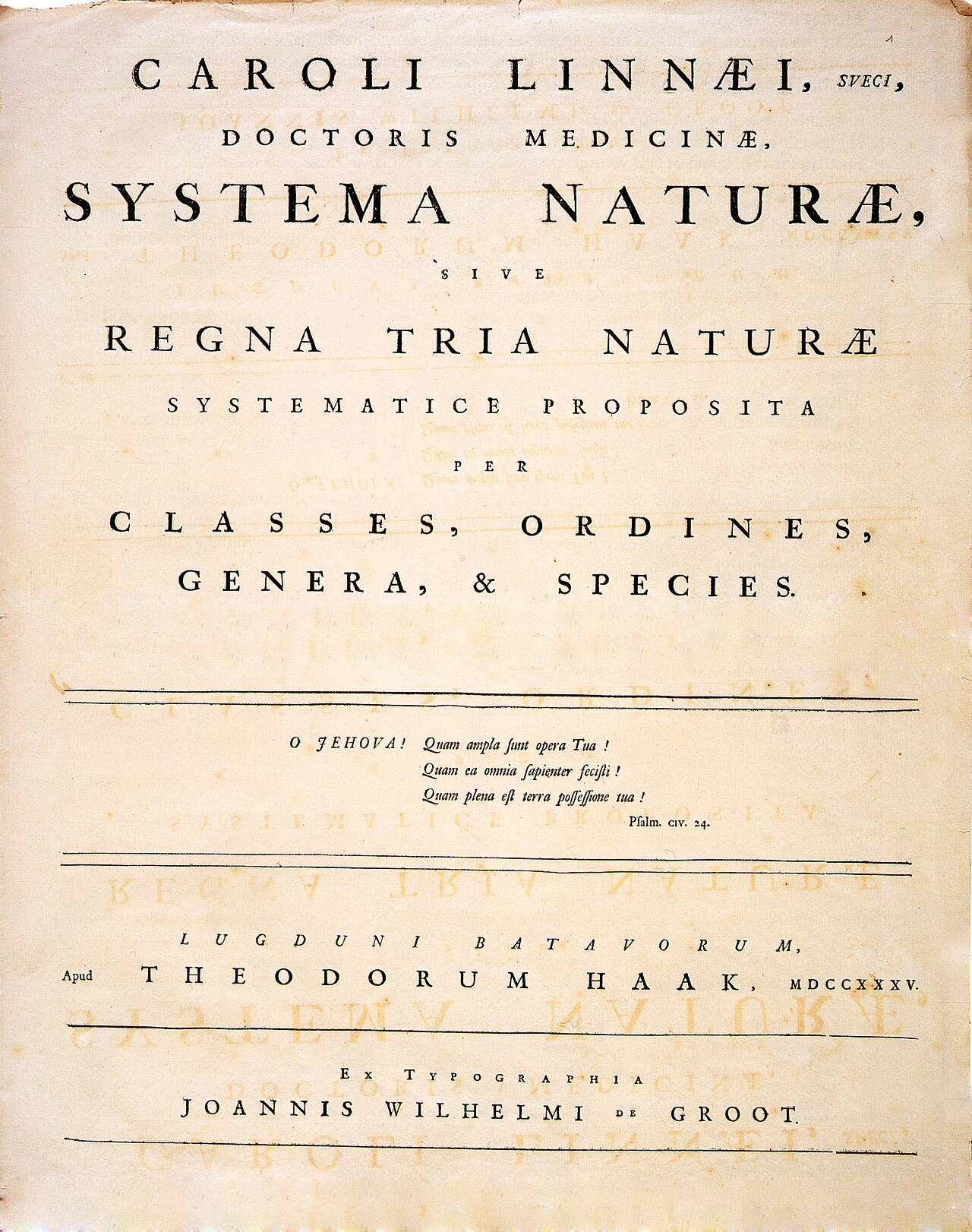 Book
Primary source
Systema Naturae
Carl Linnaeus · 1735
 Book
Primary source
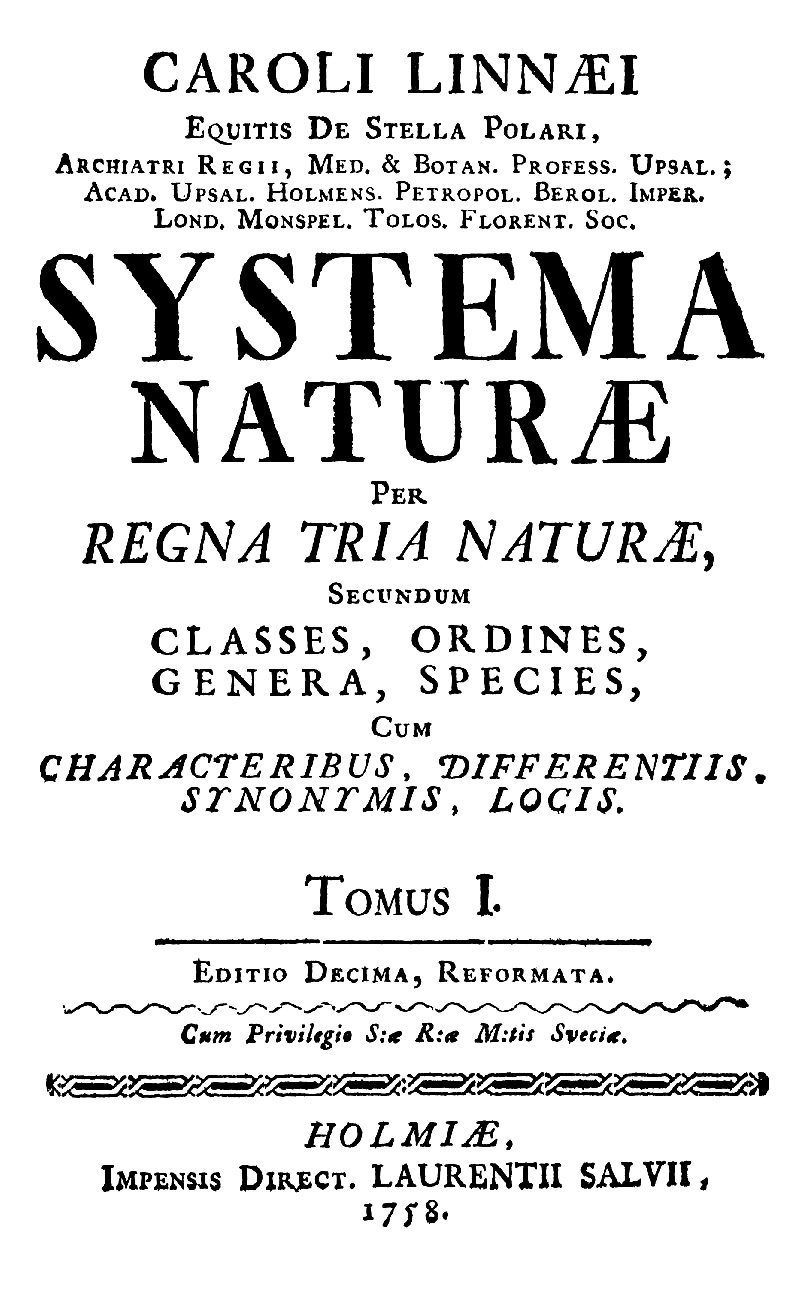
10th edition of Systema Naturae
Carl Linnaeus · 1758
 Book
Primary source
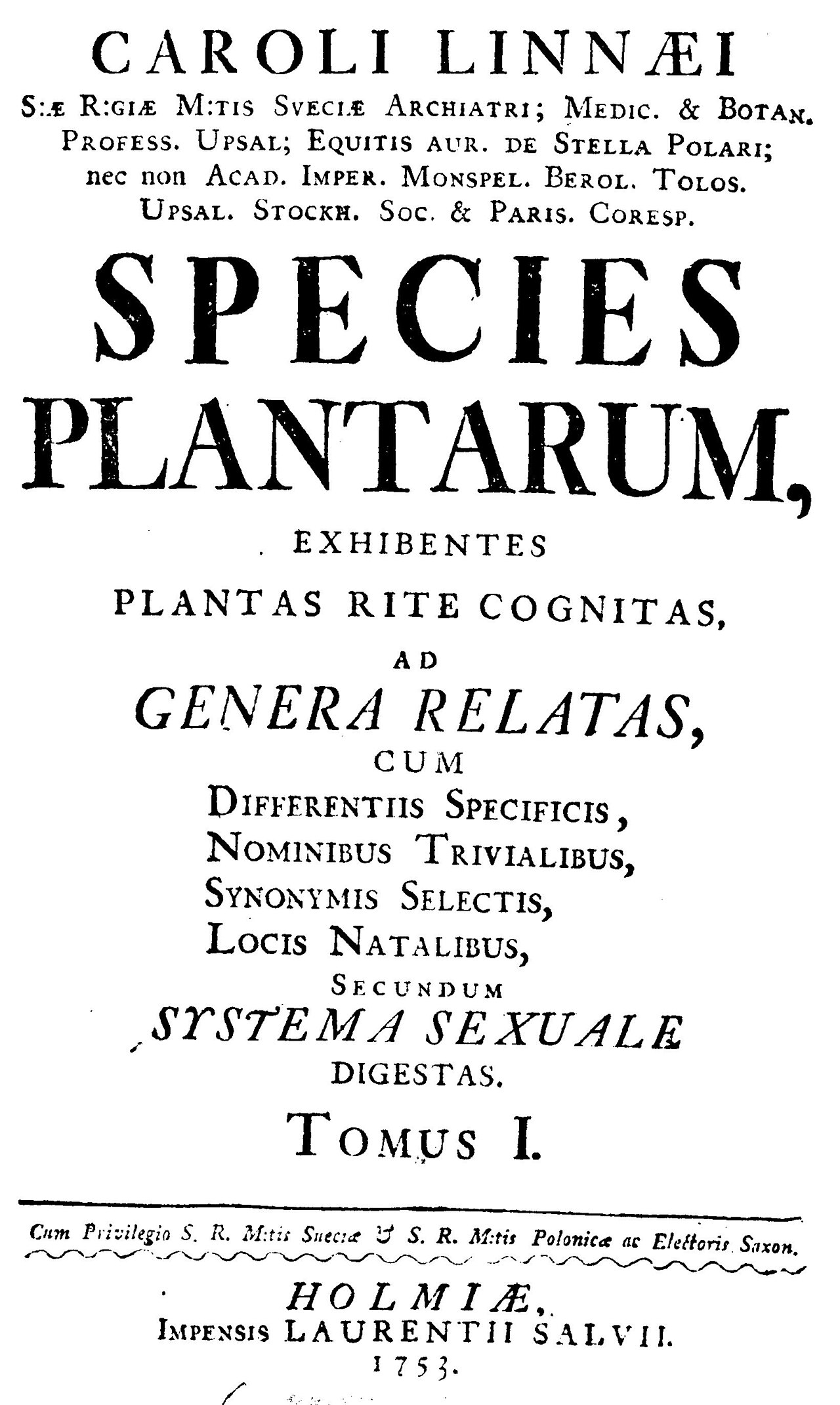
Species Plantarum
Carl Linnaeus · 1753
 Painting
Primary source
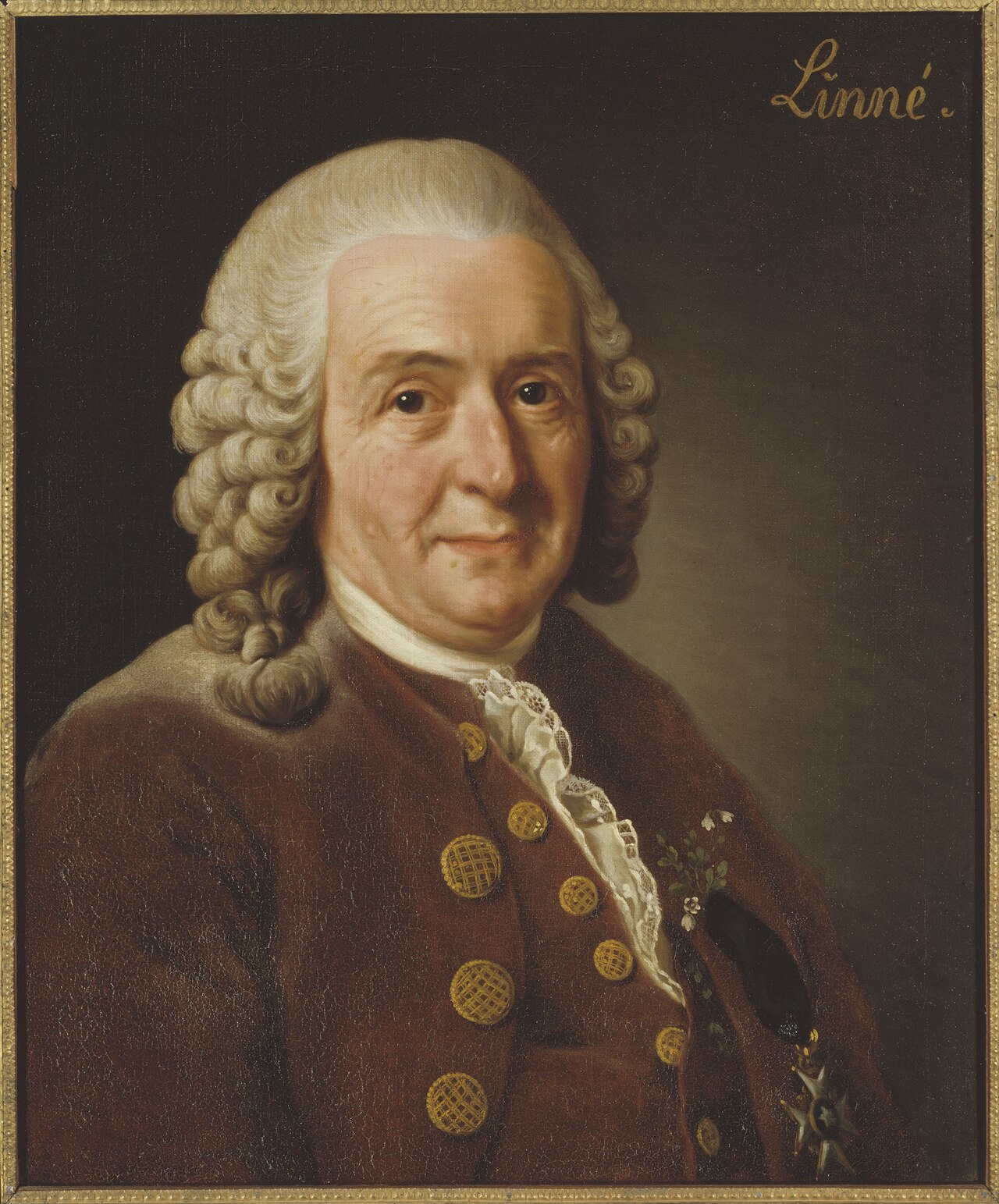
Portrait of Carl Linnaeus, 1707-1778
Alexander Roslin · 1775
Free account
Read every Carl Linnaeus source
Sign up free →
Ready when you are
Start chatting with Carl Linnaeus now.
20 messages free · No credit card · Available in 50+ languages.