


Primary sourceBook1735
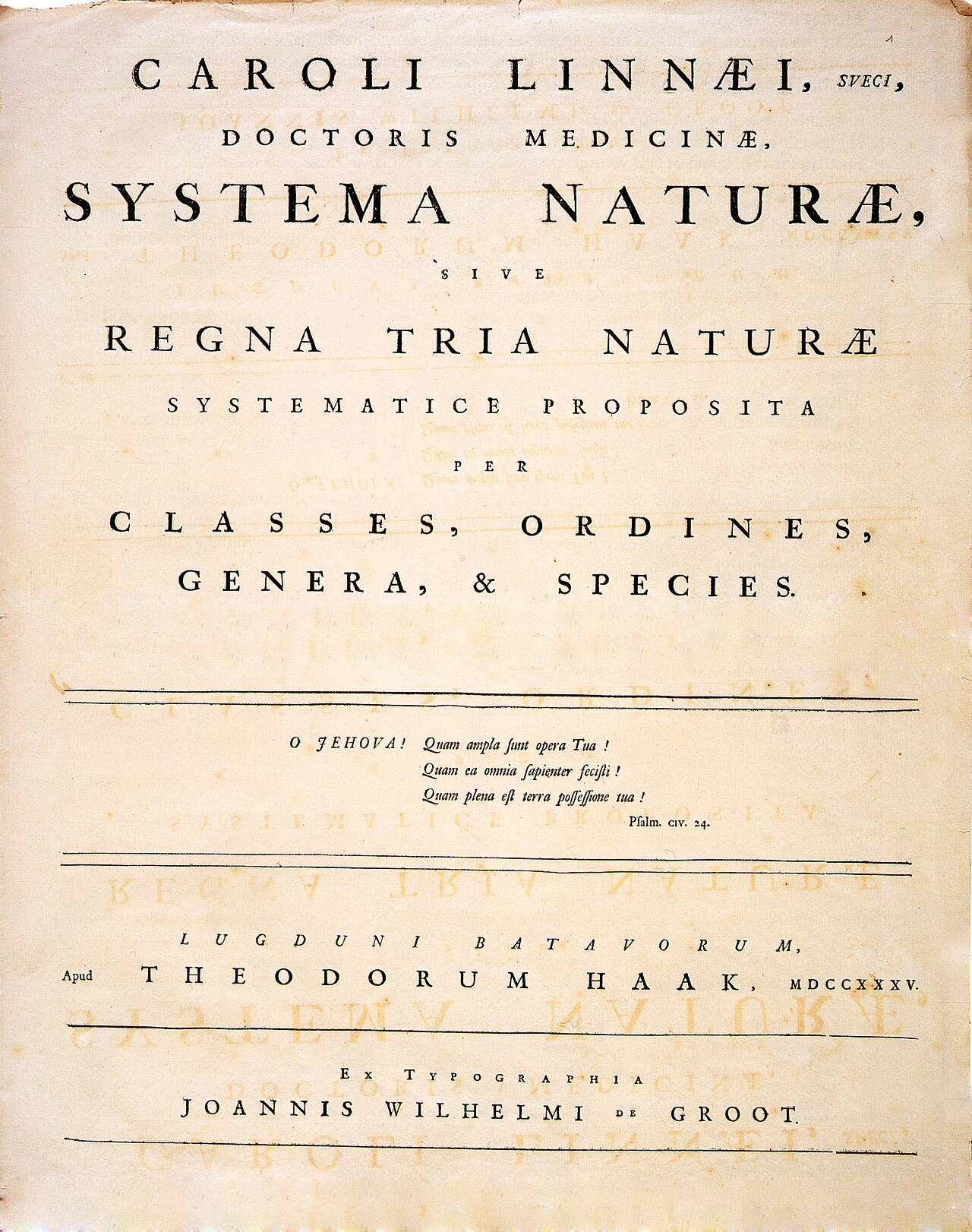
Systema Naturae
Carl Linnaeus · 1735
The 1735 first edition of Linnaeus's work sorting nature into three kingdoms, the foundation of his classification system.
This is Linnaeus's own first published statement of his classification system for all of nature.
About this source
What it is
This is the first, 1735 edition of Systema Naturae, a short folio written in Latin by the Swedish naturalist Carl Linnaeus while he was staying in the Netherlands. In it he divided the natural world into three kingdoms: animals, plants and minerals.
Why it matters
Although only a few large sheets long, this slim first edition was the seed of a system Linnaeus kept expanding for the rest of his life, eventually growing to thousands of pages. It shows how Linnaeus tried to organise all of nature logically, an approach that became the basis of modern biological classification, though later editions also show how his thinking changed and absorbed new specimens sent from around the world.
Look closer
- Why might someone choose to publish such an ambitious idea on just a few pages at first?
- What does the growth of later editions tell you about how science develops over time?
- What might organising nature into just three kingdoms leave out or get wrong?
This book is part of the curated material that grounds the AI version of Carl Linnaeus on Humy.ai — when students ask about related events, the AI can quote it and cite it.
More Carl Linnaeus sources
Browse all 98 →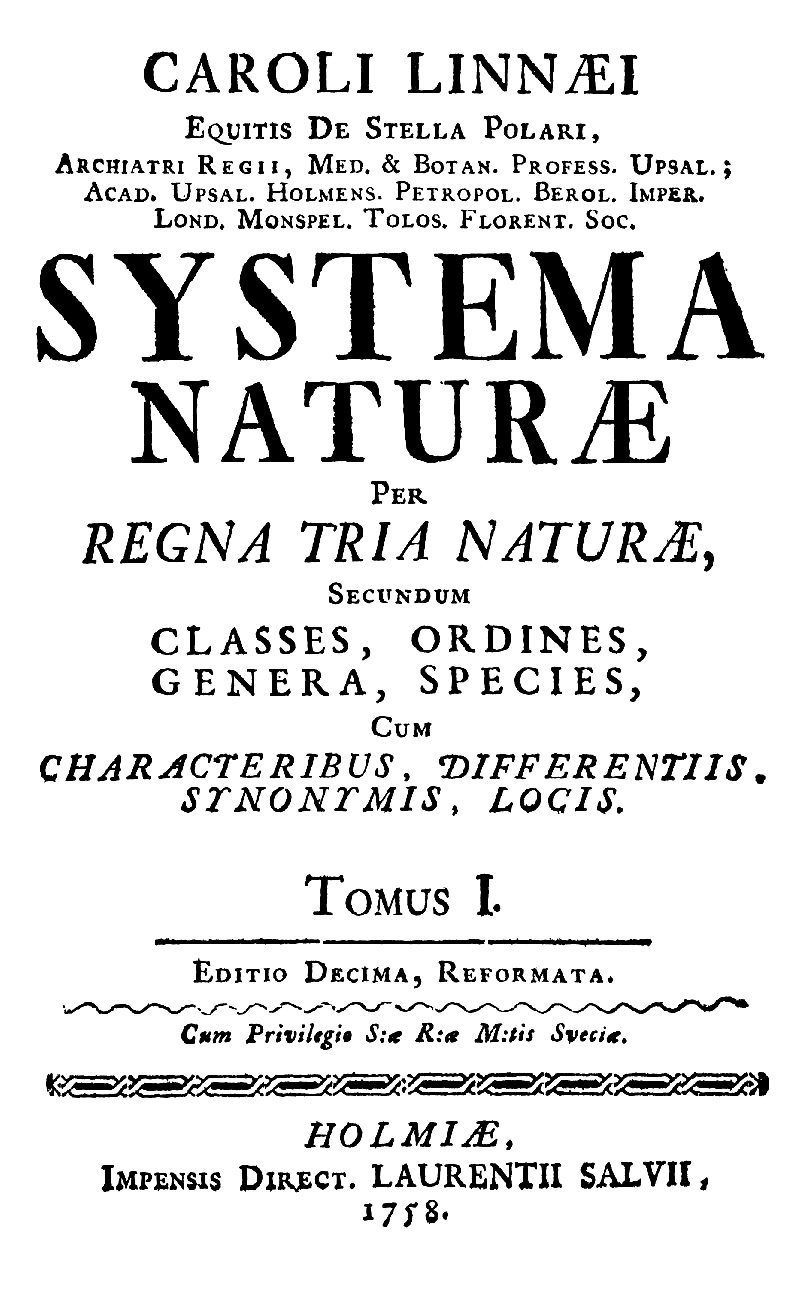 Book
Primary source
10th edition of Systema Naturae
Carl Linnaeus · 1758
 Book
Primary source
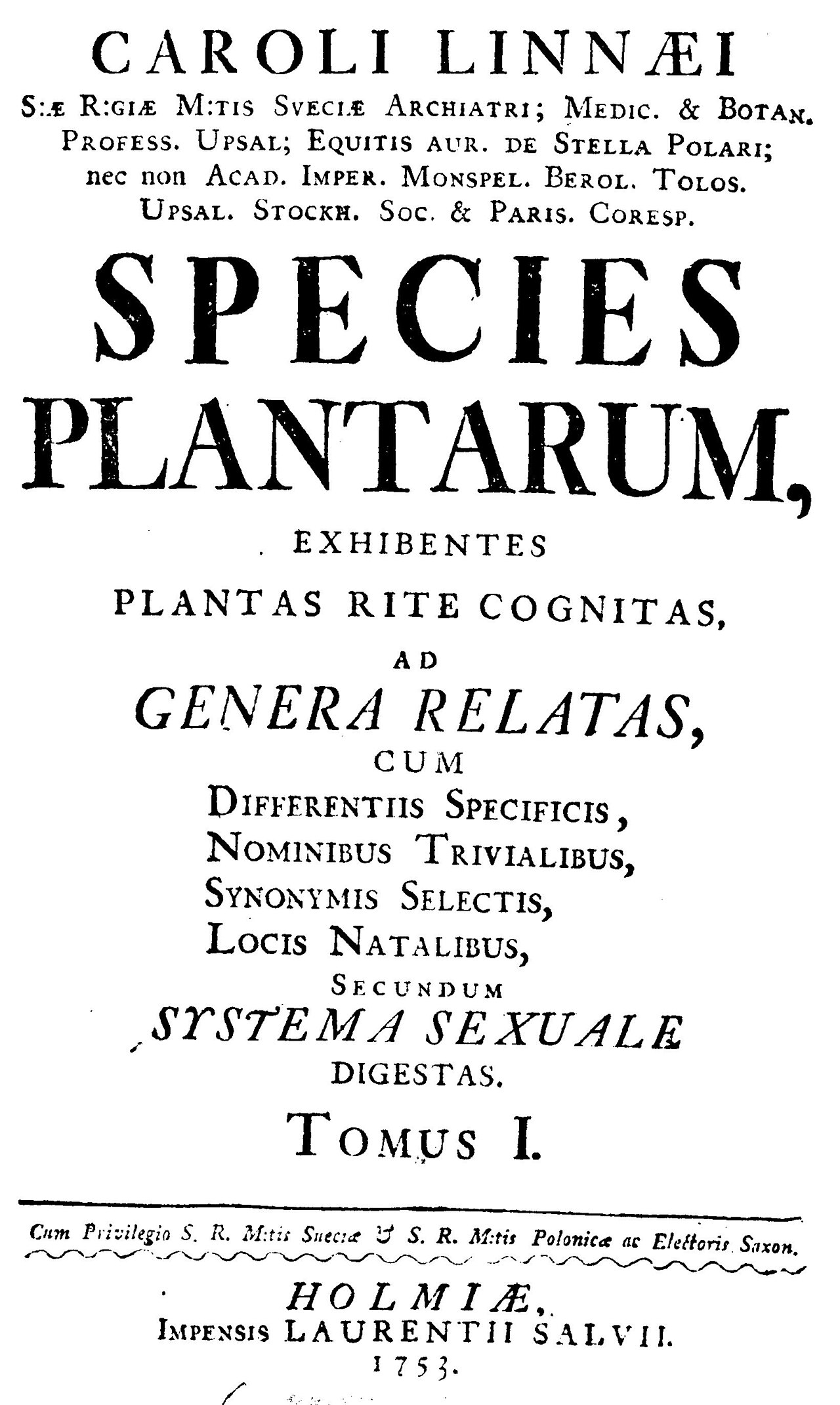
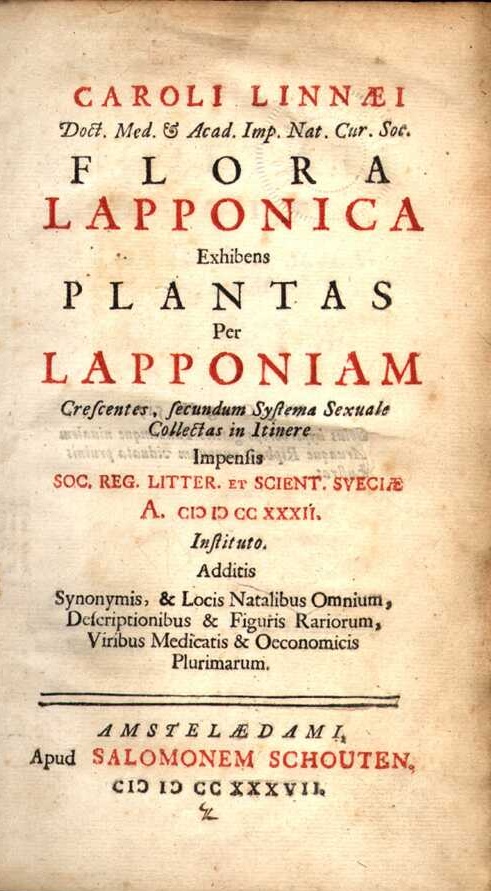
Species Plantarum
Carl Linnaeus · 1753
 Painting
Primary source
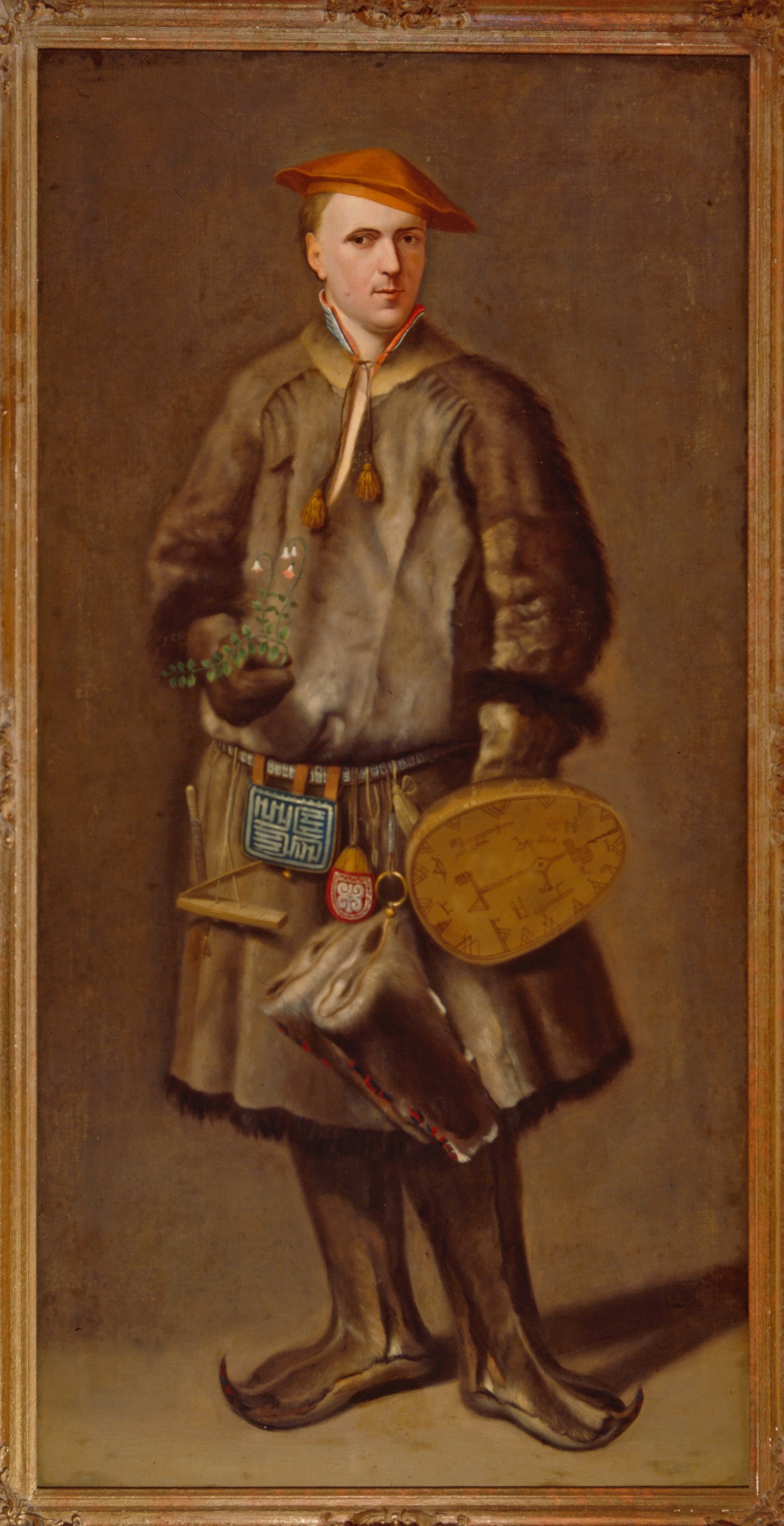
Linnaeus in his Lapland Dress
Martin Hoffman · 1737
 Painting
Primary source
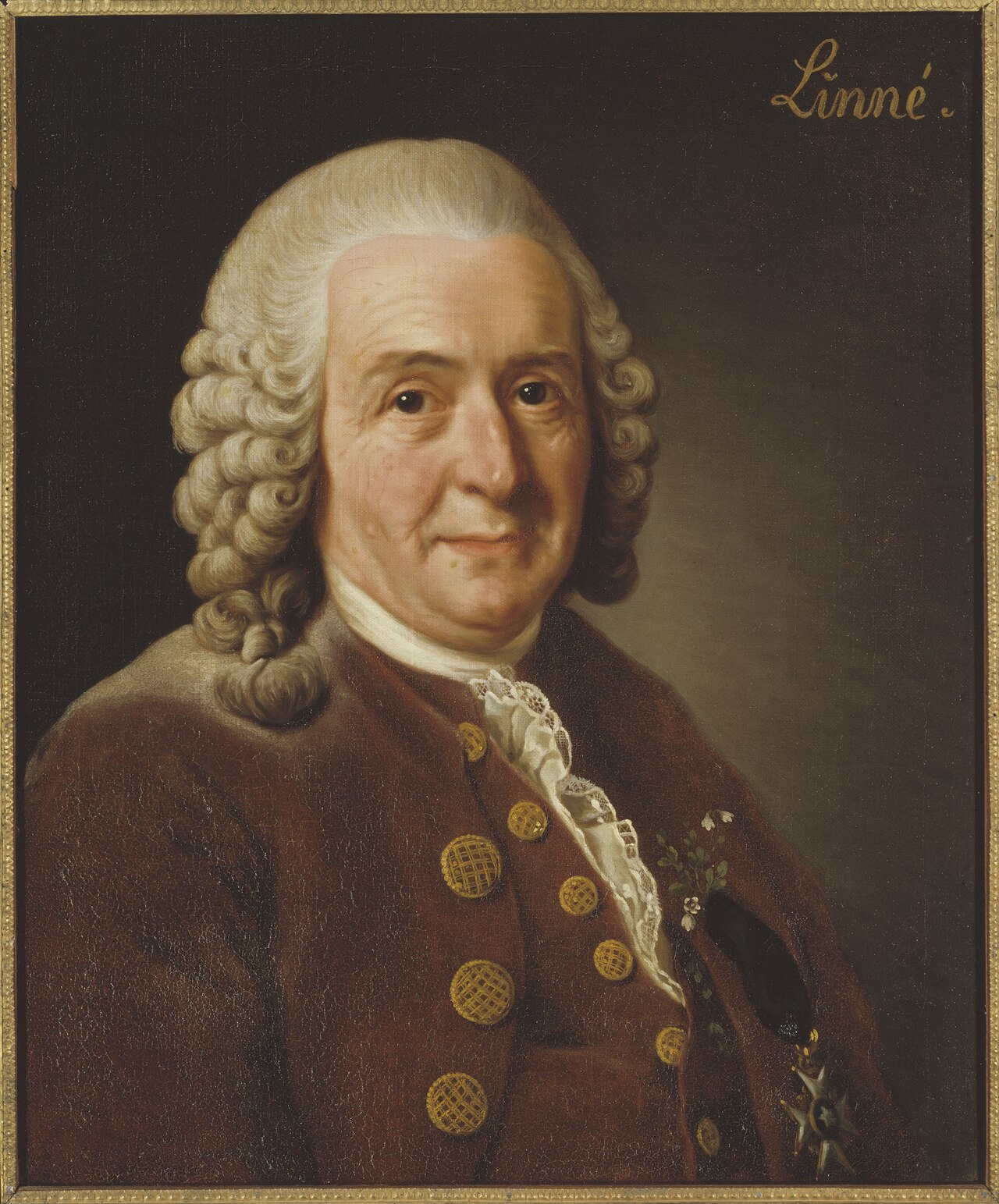
Portrait of Carl Linnaeus, 1707-1778
Alexander Roslin · 1775
Free account
Read every Carl Linnaeus source
Sign up free →
Ready when you are
Start chatting with Carl Linnaeus now.
20 messages free · No credit card · Available in 50+ languages.