


Secondary sourceSculpturec. 330 BCE
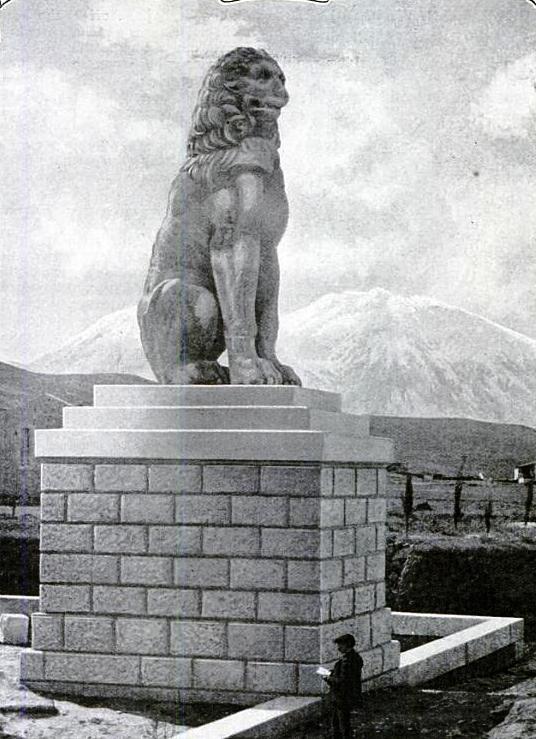
Lion of Chaeronea
c. 330 BCE
A stone lion monument marking the mass grave at the battlefield of Chaeronea, where the teenage Alexander commanded troops in 338 BCE.
Marks the battlefield where the teenage Alexander first commanded troops under his father Philip II.
About this source
What it is
The Lion of Chaeronea is an ancient funerary monument standing at the site of the Battle of Chaeronea. It marks a burial pit where excavators found many skeletons laid out in rows.
Why it matters
The battle, fought in 338 BC, ended Greek city-state resistance to Macedon and was the moment Philip II secured dominance over Greece. Alexander, then a teenager, is said to have commanded the Macedonian left wing in this battle, making it one of his earliest military roles. The monument is a reminder of the human cost of Macedonian expansion and the dead it honors, likely Thebans who fought and died there.
Look closer
- Who was this monument built to honor, and what does that tell us about who controlled the memory of the battle?
- Why might a mass grave be marked with a large stone lion rather than individual markers?
- What does this site tell us about the scale of violence in ancient warfare?
This sculpture is part of the curated material that grounds the AI version of Alexander the Great on Humy.ai — when students ask about related events, the AI can quote it and cite it.
More Alexander the Great sources
Meet the AI Alexander the Great →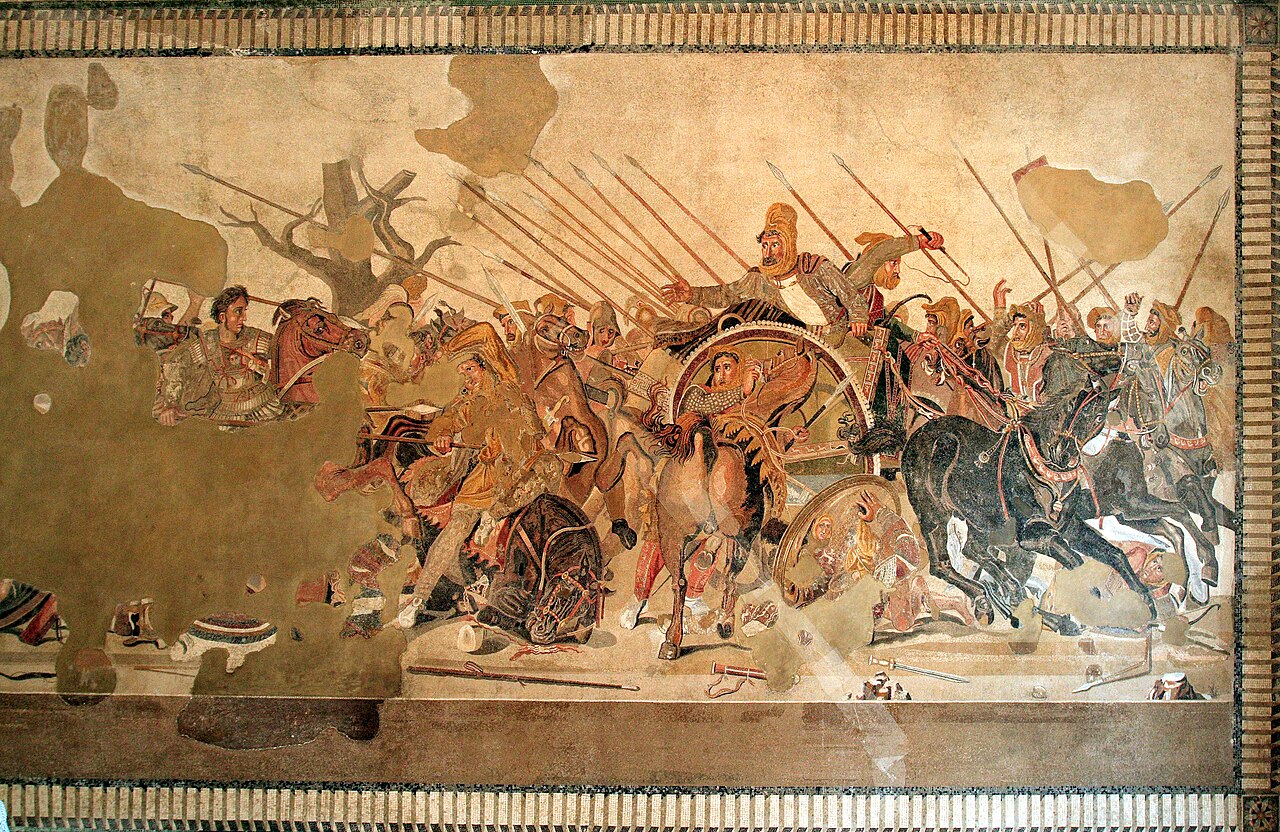 Artifact
Secondary source
Alexander Mosaic
Philoxenus of Eretria · c. 120-100 BCE (copy of an earlier Hellenistic painting)
 Painting
Secondary source
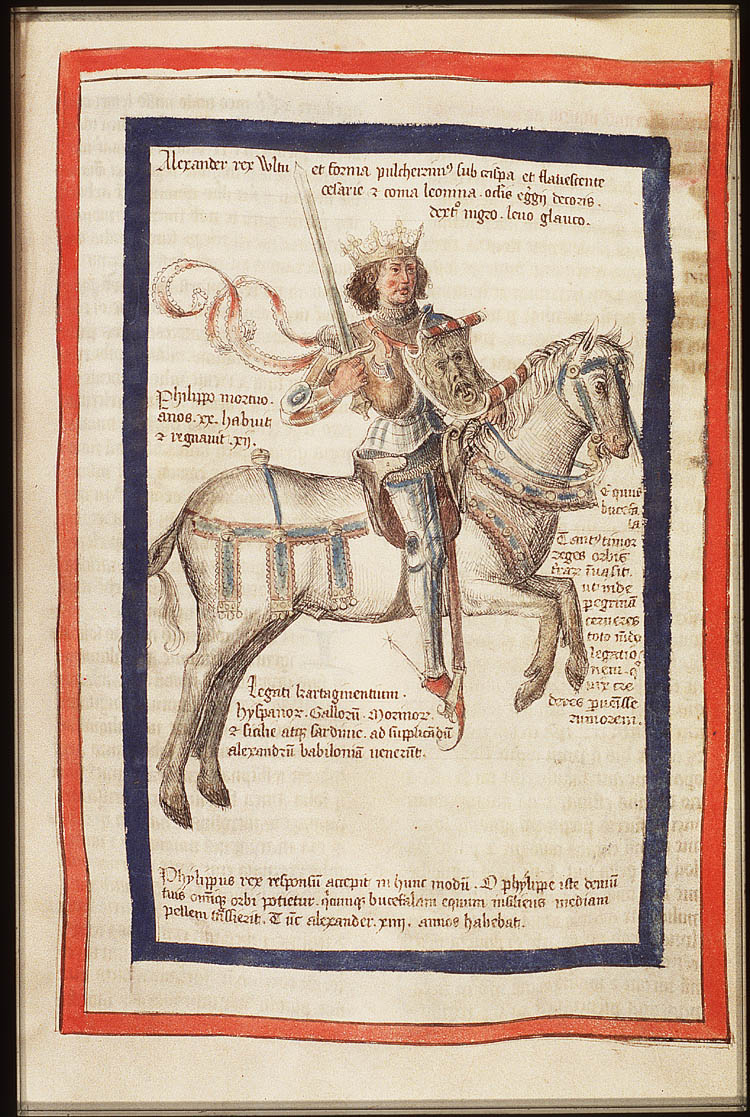
Alexander the Great riding Bucephalus
1460
 Artifact
Primary source
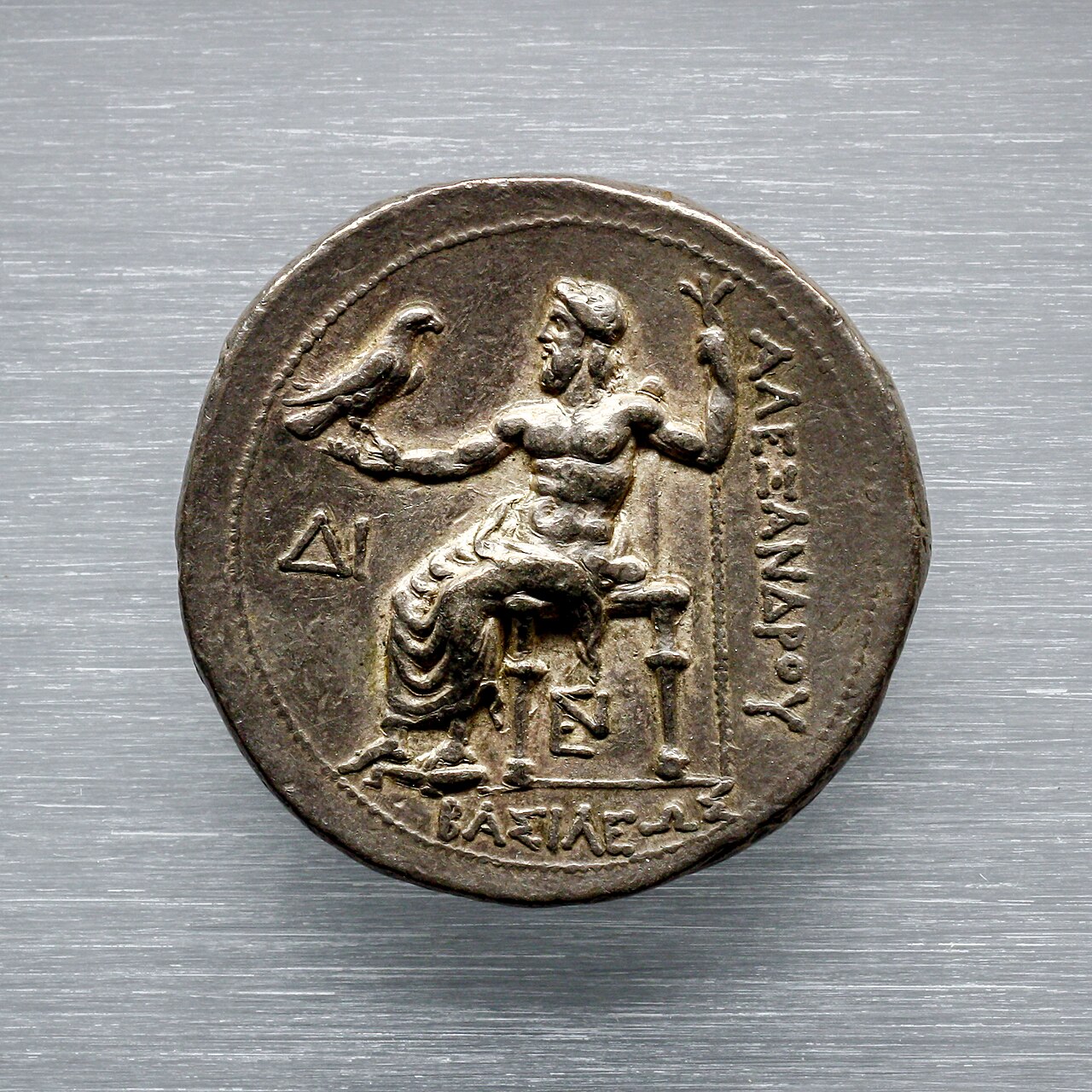
Silver Tetradrachm of Alexander the Great
Royal mints of Alexander III · c. 336-323 BCE
 Painting
Secondary source
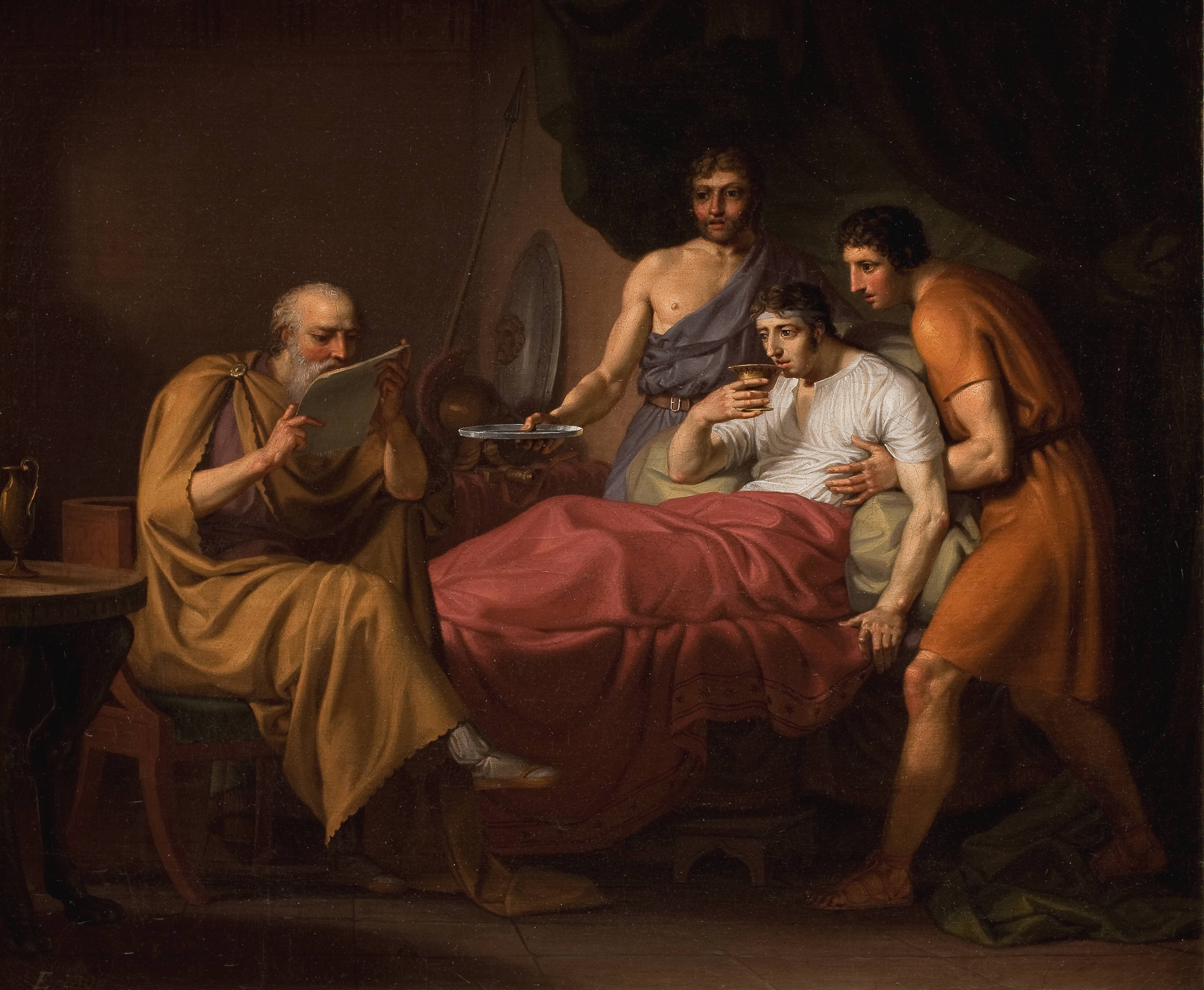
Alexander the Great on his Sickbed
1806
 Book
Secondary source
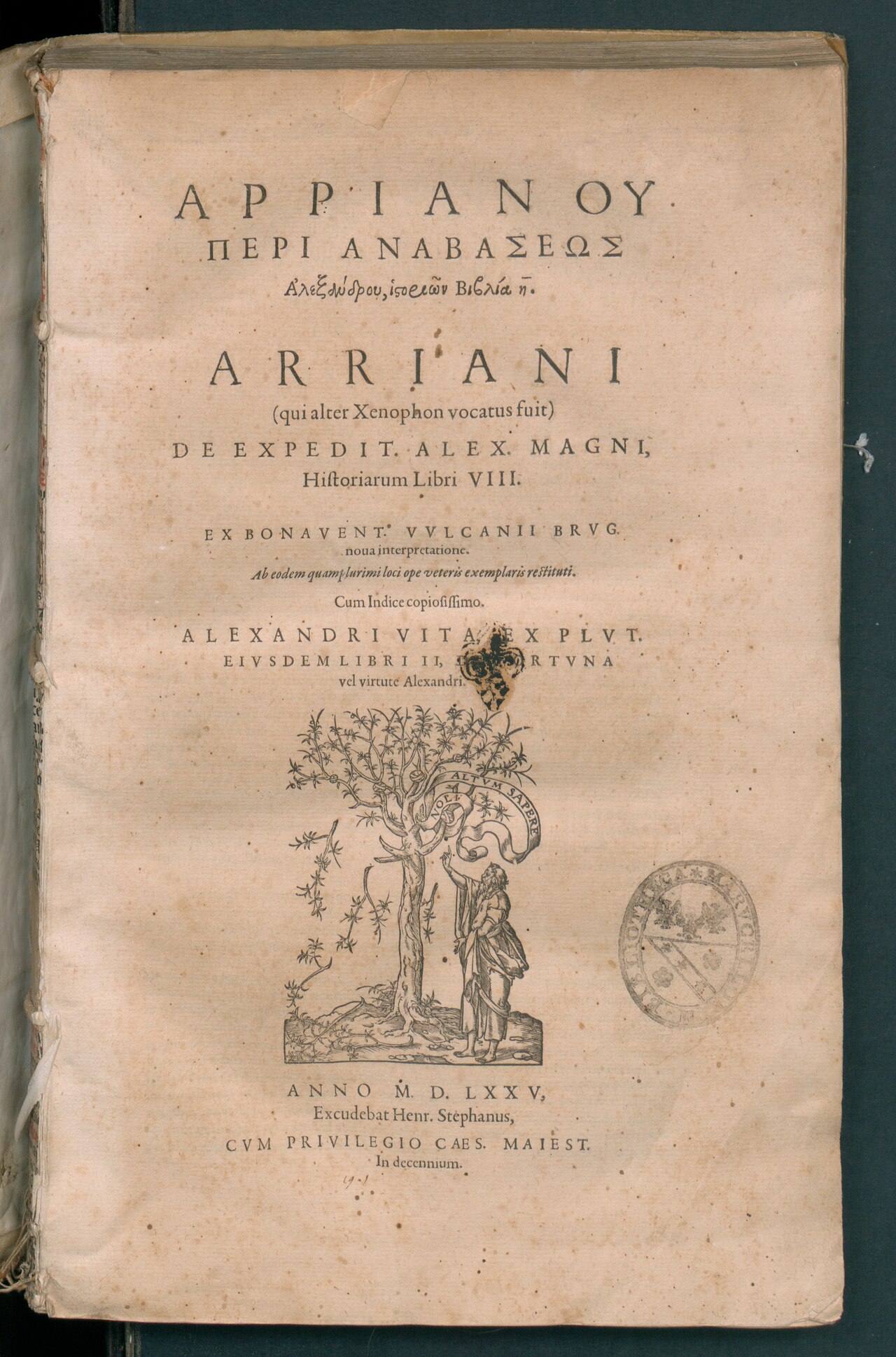
Anabasis of Alexander
Arrian · c. 150 AD
Ready when you are
Start chatting with Alexander the Great now.
20 messages free · No credit card · Available in 50+ languages.